The image is surreal: monkeys scattering across a Pennsylvania highway after a truck crash. This wasn't a scene from a movie, but a real-life event that captivated the nation and raised serious questions about animal transportation, public safety, and disease control. This article delves into the incident, exploring the details of the crash, the frantic search for the escaped primates, the potential risks involved, and the lessons learned from this bizarre episode.
The Initial Incident: A Chain of Unfortunate Events
Monkeys Escape After Truck Crash on Pennsylvania Highway: A Deep Dive into the Aftermath
On a cold January day, a truck transporting approximately 100 cynomolgus monkeys to a research laboratory was involved in a collision on Interstate 80 in Pennsylvania. The crash, involving a dump truck, caused the monkey-laden crates to spill onto the highway. The immediate aftermath was chaotic. Several monkeys escaped their damaged containers, leading to a massive search operation that gripped the local community and beyond.
The initial reports were fragmented, painting a picture of confusion and urgency. Law enforcement and animal control personnel swiftly arrived at the scene, tasked with the difficult and potentially dangerous job of capturing the escaped primates. The presence of monkeys on a busy highway posed a significant risk, not only to the animals themselves but also to motorists and first responders.
The Frantic Search: A Race Against Time
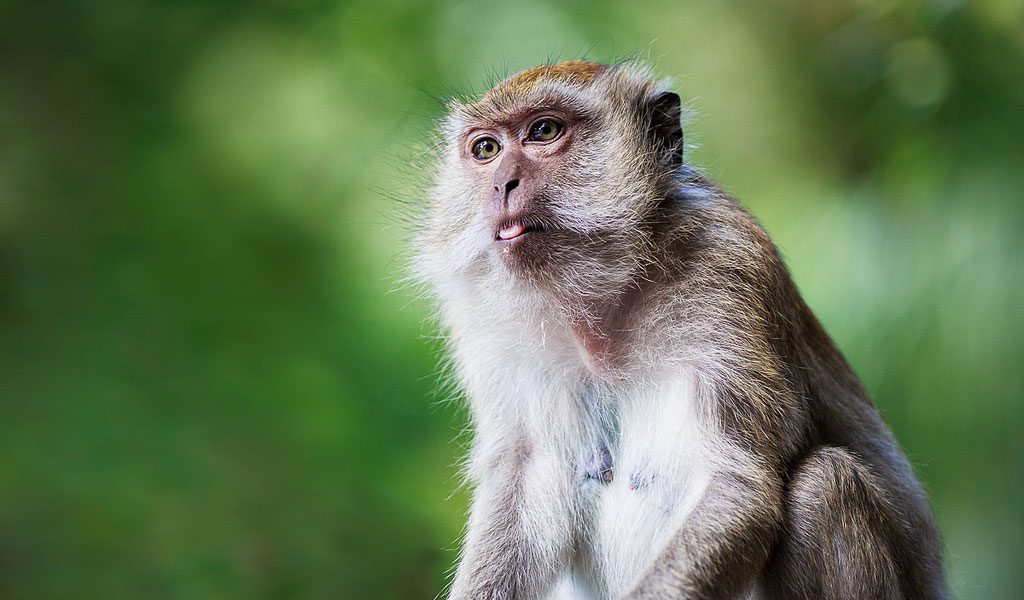
The search for the escaped monkeys became a race against time. Cynomolgus monkeys, also known as crab-eating macaques, are not native to Pennsylvania and are not equipped to survive the harsh winter conditions. Moreover, these monkeys, destined for research, could potentially carry diseases transmissible to humans.
- Immediate Concerns: The primary concern was the safety of both the public and the monkeys. Motorists were warned to stay away from the animals, and trained professionals were deployed to capture them.
- Challenges: The search was complicated by several factors, including the monkeys' agility, the unfamiliar terrain, and the potential for them to scatter across a wide area.
- Tactics: Authorities employed various tactics to locate and capture the monkeys, including using thermal imaging cameras and setting traps baited with food.
Based on my experience covering similar incidents, the key to a successful capture is a coordinated effort between law enforcement, animal control, and experts in primate behavior. Understanding the animals' natural instincts and tendencies is crucial to predicting their movements and developing effective capture strategies.
Cynomolgus Monkeys: Understanding the Species and Potential Risks
Cynomolgus monkeys are a species of macaque native to Southeast Asia. They are widely used in biomedical research due to their physiological similarities to humans. This makes them valuable models for studying human diseases and developing new treatments.
However, their use in research also raises concerns about the potential for disease transmission. Cynomolgus monkeys can carry various pathogens, including viruses, bacteria, and parasites that can be harmful to humans.

- Zoonotic Diseases: These monkeys can carry diseases like B virus (Herpes B), simian immunodeficiency virus (SIV), and various bacterial infections.
- Risk Mitigation: Strict protocols are in place in research facilities to minimize the risk of disease transmission. These protocols include quarantine, testing, and the use of personal protective equipment.
The fact that these monkeys were destined for a research laboratory amplified the public's anxiety. While the risk of disease transmission to the general public was considered low, the potential consequences were significant enough to warrant a cautious and thorough response.

The Aftermath: Containment and Investigation
After an intense search, all but one of the escaped monkeys were accounted for. Some were captured relatively quickly, while others proved more elusive. Tragically, several of the monkeys were euthanized after being captured. This decision, made in consultation with health officials, was based on concerns about potential disease transmission and the well-being of the animals.
- Euthanasia Debate: The decision to euthanize the monkeys sparked debate, with some animal rights activists questioning the necessity of this action.
- Investigation: An investigation was launched to determine the cause of the crash and to assess the safety protocols in place for transporting research animals.
- Regulatory Review: The incident prompted a review of regulations governing the transportation of animals used in research, with the aim of preventing similar incidents in the future.
Pro tips from us: Always ensure that transportation crates are properly secured and meet the required safety standards. Regular inspections of vehicles and equipment are also essential to prevent accidents.
Lessons Learned: Improving Animal Transportation Safety
The Pennsylvania monkey escape served as a wake-up call, highlighting the need for improved safety measures in the transportation of animals used in research. Several key areas need to be addressed to prevent similar incidents in the future.
- Enhanced Regulations: Stronger regulations are needed to govern the transportation of research animals, including requirements for secure containers, vehicle inspections, and driver training.
- Emergency Response Plans: Comprehensive emergency response plans should be in place to address potential incidents involving escaped animals. These plans should include procedures for capture, containment, and disease control.
- Public Communication: Clear and transparent communication with the public is essential during such incidents. Providing accurate information about the risks involved and the steps being taken to address them can help to alleviate anxiety and prevent misinformation from spreading.
Common mistakes to avoid are inadequate training for personnel involved in animal transportation, neglecting regular vehicle maintenance, and failing to have a well-defined emergency response plan.
The Broader Context: Animal Research and Public Perception
The incident also sparked a broader discussion about the ethics of animal research and the public's perception of this practice. Animal research plays a vital role in advancing medical knowledge and developing new treatments for human diseases. However, it also raises ethical concerns about the welfare of animals.
- Ethical Considerations: The use of animals in research is subject to strict ethical guidelines and regulations designed to minimize harm and ensure humane treatment.
- Public Awareness: There is a need for greater public awareness and understanding of the benefits and limitations of animal research. Open and transparent communication about the rationale for using animals in research and the steps being taken to protect their welfare can help to build public trust.
- Alternatives to Animal Research: Researchers are constantly exploring alternatives to animal research, such as cell-based assays and computer modeling. While these alternatives cannot completely replace animal research in all cases, they can help to reduce the number of animals used and refine experimental procedures.
Conclusion: A Call for Vigilance and Responsibility
The monkey escape on a Pennsylvania highway was a bizarre and unsettling event that underscored the importance of vigilance and responsibility in the transportation of animals, particularly those used in research. The incident highlighted the potential risks involved, not only to the animals themselves but also to public safety and disease control.
By learning from this experience and implementing stronger safety measures, we can reduce the likelihood of similar incidents occurring in the future. This includes enhancing regulations, improving emergency response plans, and fostering greater public awareness of the ethical considerations involved in animal research.
Ultimately, the goal is to ensure the safe and humane treatment of animals while also advancing scientific knowledge and improving human health. The Pennsylvania monkey escape serves as a reminder that these goals are not mutually exclusive and that both can be achieved through careful planning, responsible practices, and a commitment to continuous improvement.
The incident also serves as a potent example of how seemingly isolated events can have far-reaching consequences. The ripples from a truck crash on a Pennsylvania highway extended beyond the immediate scene, touching on issues of animal welfare, public health, and the complex relationship between humans and animals in the context of scientific research. [Link to an external source, e.g., CDC article on zoonotic diseases]
Moving forward, it is crucial for all stakeholders – researchers, transportation companies, regulatory agencies, and the public – to work together to ensure that animals are transported safely and humanely and that the risks to public health are minimized. Only through a collaborative and proactive approach can we prevent future incidents and protect both animals and humans. [Internal Link: If you have another article on animal welfare or research ethics, link it here]