The Ultimate Guide to Flatbed Truck Rental: Everything You Need to Know
Are you facing the challenge of transporting oversized or irregularly shaped cargo? Standard enclosed trucks simply won't cut it. This is where flatbed truck rental steps in as the perfect solution.
Flatbed Truck Rental
This comprehensive guide delves into everything you need to know about renting a flatbed truck. From understanding the different types available to navigating the rental process and ensuring a safe and successful haul, we've got you covered. Whether you're a seasoned professional or a first-time renter, this guide will equip you with the knowledge to make informed decisions and avoid common pitfalls.
Why Choose a Flatbed Truck?
Flatbed trucks offer unparalleled versatility. Their open design allows for the easy loading and unloading of materials from the sides, top, or rear. This makes them ideal for transporting a wide range of items, including:
- Construction materials (lumber, steel, pipes)
- Machinery and equipment
- Vehicles (cars, trucks, tractors)
- Oversized or oddly shaped cargo
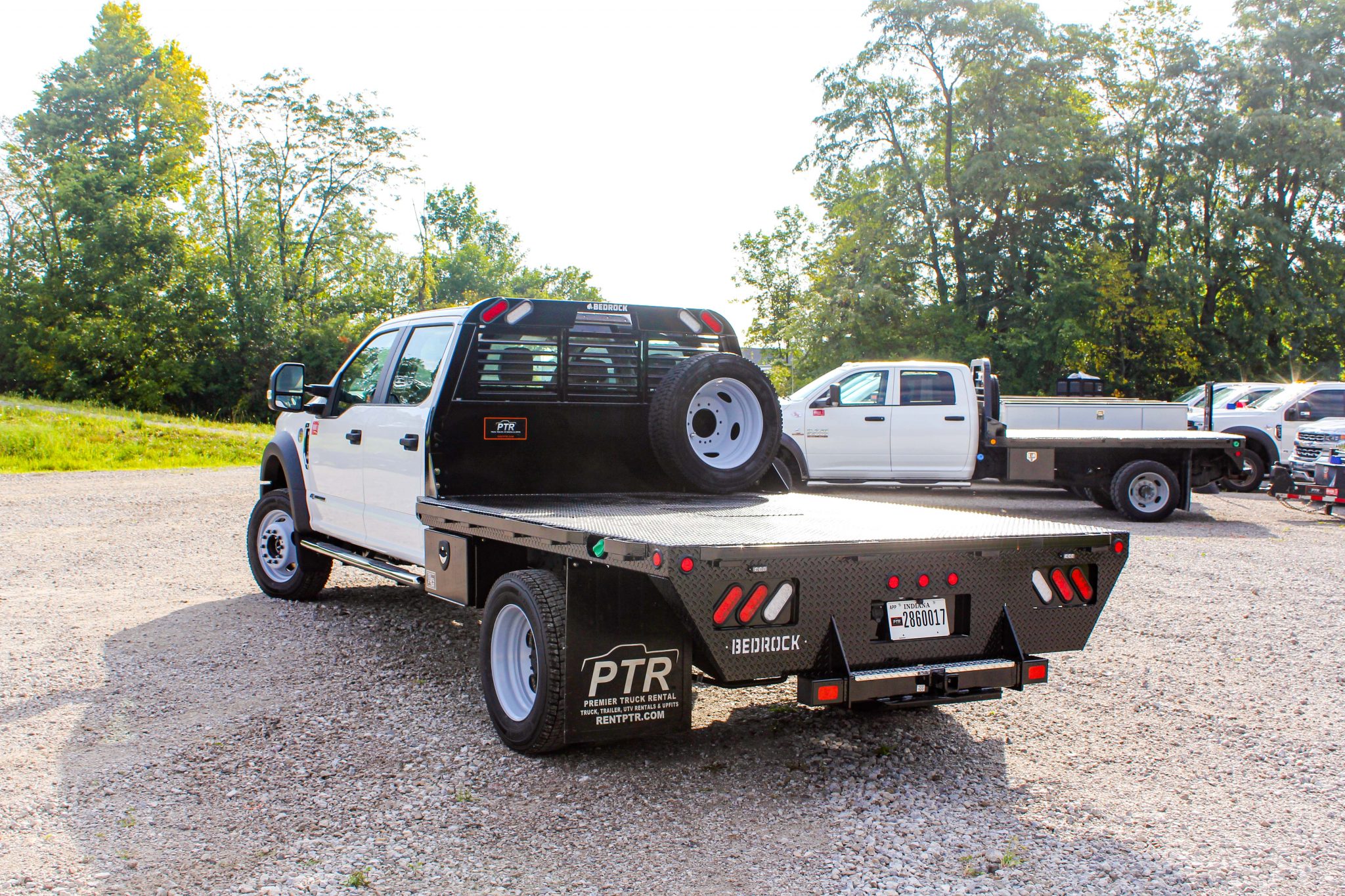
Unlike enclosed trucks, flatbeds eliminate height and width restrictions, allowing you to transport items that would otherwise be impossible.
Types of Flatbed Trucks Available for Rent
Not all flatbed trucks are created equal. Different types cater to specific needs and cargo requirements. Here's a breakdown of the most common types you'll encounter when renting:
- Standard Flatbed: This is the most common type. It features a flat, open deck with no sides or roof. Ideal for general-purpose hauling of various materials.
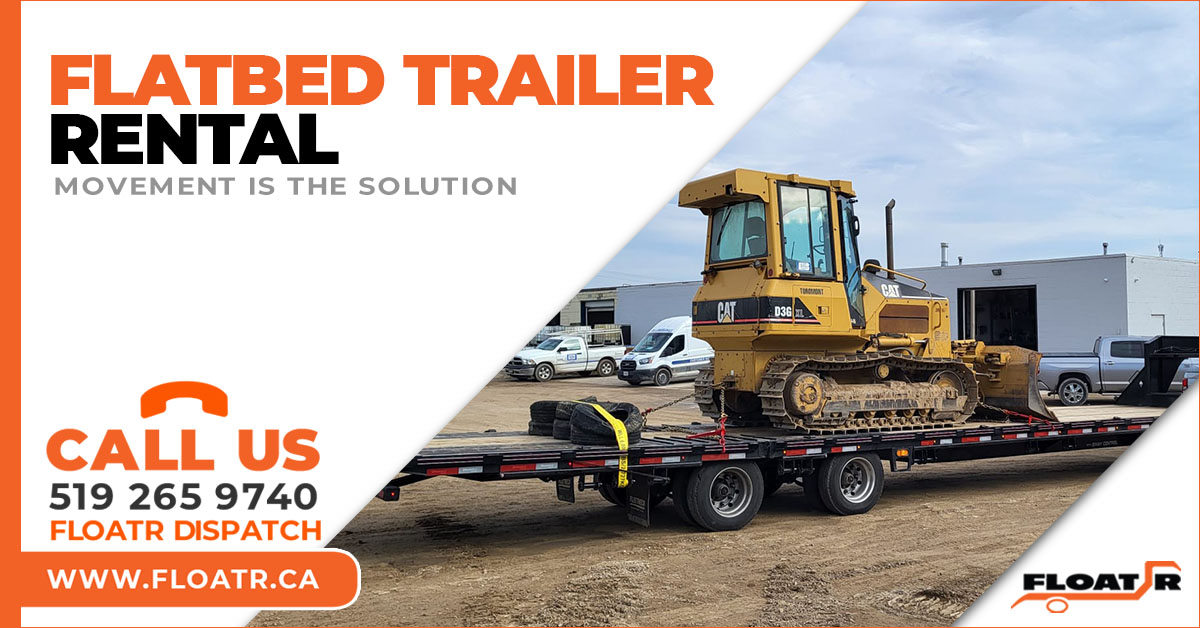
- Step Deck (Drop Deck) Flatbed: These flatbeds have a lower deck behind the gooseneck. This allows for hauling taller items without exceeding height restrictions. They are often used for transporting machinery and equipment.
- Lowboy Flatbed: Lowboys are designed for transporting extremely heavy and oversized loads. They have a very low deck height, allowing for the transport of items that would otherwise be too tall to transport legally. These are often used for construction equipment.
- Extendable Flatbed: These flatbeds can be extended in length to accommodate extra-long cargo, such as pipes, poles, or beams. They offer flexibility for hauling items that exceed the standard flatbed length.
- Side Kit Flatbed: These are standard flatbeds that include removable side rails or panels. These side kits provide added security and containment for loose materials.

Factors to Consider When Choosing a Flatbed Truck
Selecting the right flatbed truck is crucial for a successful haul. Consider the following factors:
- Cargo Dimensions and Weight: Accurately measure the dimensions (length, width, height) and weight of your cargo. This will determine the appropriate flatbed size and weight capacity. Pro tip from us: Always overestimate slightly to account for any unforeseen variations.
- Loading and Unloading Method: How will you load and unload your cargo? Consider the availability of loading docks, forklifts, or cranes. Choose a flatbed with features that facilitate your chosen method.
- Distance and Route: The distance you'll be traveling and the type of roads you'll be using can influence your choice. For long distances, consider a flatbed with air ride suspension for a smoother ride. For rough terrain, a heavy-duty flatbed may be necessary.
- Securing the Load: How will you secure your cargo to the flatbed? Ensure the flatbed has adequate tie-down points (D-rings, stake pockets) and that you have the appropriate straps, chains, or binders. Based on my experience, using the right securing equipment is critical for safety.
- Rental Company Reputation and Availability: Research different rental companies and compare their rates, truck availability, and customer reviews. Choose a reputable company with well-maintained trucks and reliable service.
Flatbed Truck Rental Costs: What to Expect
Flatbed truck rental costs vary depending on several factors, including:
- Truck Type and Size: Larger and more specialized flatbeds (e.g., lowboys, extendable flatbeds) typically cost more to rent.
- Rental Duration: Daily, weekly, and monthly rental rates are available. Longer rental periods often come with discounted rates.
- Mileage: Some rental companies charge per mile, while others offer unlimited mileage.
- Insurance: You'll need to have adequate insurance coverage. Rental companies typically offer insurance options, or you can use your own policy.
- Location: Rental rates can vary depending on your location and the availability of trucks.
Average Rental Costs:
While costs can fluctuate, here's a general idea of what you can expect to pay:
- Daily Rate: \$150 - \$500+ (depending on the truck type)
- Weekly Rate: \$700 - \$2,500+ (depending on the truck type)
Remember to factor in additional costs such as fuel, tolls, and any optional equipment rentals (straps, chains, etc.).
The Flatbed Truck Rental Process: A Step-by-Step Guide
Renting a flatbed truck is a straightforward process. Here's a step-by-step guide:
- Determine Your Needs: Assess your cargo dimensions, weight, and transportation requirements.
- Research Rental Companies: Compare rates, truck availability, and customer reviews.
- Obtain Quotes: Request quotes from multiple rental companies. Be sure to provide accurate information about your needs.
- Book Your Truck: Once you've chosen a rental company, book your truck in advance, especially during peak seasons.
- Inspect the Truck: Before driving off, thoroughly inspect the truck for any damage or mechanical issues. Document any existing problems and notify the rental company.
- Understand the Rental Agreement: Carefully read and understand the rental agreement, including the terms and conditions, insurance coverage, and return policy.
- Secure Your Load: Properly secure your cargo using appropriate tie-down equipment.
- Drive Safely: Obey all traffic laws and drive defensively. Be aware of the truck's size and weight, and adjust your driving accordingly.
- Return the Truck: Return the truck on time and in the same condition it was rented in, less normal wear and tear.
Safety Tips for Flatbed Truck Operation
Safety is paramount when operating a flatbed truck. Follow these tips to ensure a safe and successful haul:
- Proper Load Securing: This is the most critical aspect of flatbed safety. Use the appropriate tie-down equipment and techniques to secure your cargo. Consult the FMCSA's cargo securement regulations for detailed guidelines.
- Weight Distribution: Distribute the weight of your cargo evenly across the flatbed. Avoid concentrating weight in one area, as this can affect the truck's stability.
- Regular Inspections: Regularly inspect your cargo and tie-down equipment throughout your journey. Make sure nothing has shifted or loosened.
- Awareness of Height Restrictions: Be aware of height restrictions on bridges and overpasses. Plan your route accordingly to avoid any potential collisions.
- Defensive Driving: Drive defensively and be aware of your surroundings. Allow ample following distance and avoid sudden maneuvers.
- Proper Training: If you're unfamiliar with operating a flatbed truck, consider taking a training course. This will help you learn the proper techniques for loading, securing, and transporting cargo safely.
Common Mistakes to Avoid
- Underestimating Cargo Weight: This is a common mistake that can lead to serious consequences. Always accurately weigh your cargo to ensure you're not exceeding the truck's weight capacity.
- Improper Load Securing: Using inadequate tie-down equipment or improper techniques can result in cargo shifting or falling off the flatbed.
- Ignoring Height Restrictions: Colliding with a low-hanging bridge or overpass can cause significant damage and injuries.
- Failing to Inspect the Truck: Neglecting to inspect the truck before driving off can lead to unexpected breakdowns or safety hazards.
- Not Understanding the Rental Agreement: Failing to read and understand the rental agreement can result in unexpected charges or liabilities.
The Future of Flatbed Truck Rental
The flatbed truck rental industry is constantly evolving. We are seeing the following trends:
- Increased Demand: The demand for flatbed truck rentals is expected to continue to grow as the construction and manufacturing industries expand.
- Technological Advancements: New technologies are being incorporated into flatbed trucks, such as GPS tracking, electronic logging devices (ELDs), and advanced safety systems.
- Sustainability Initiatives: Rental companies are increasingly adopting sustainable practices, such as using fuel-efficient trucks and offering alternative fuel options.
- Online Rental Platforms: Online platforms are making it easier to find and book flatbed truck rentals.
Conclusion
Flatbed truck rental offers a versatile and cost-effective solution for transporting oversized and irregularly shaped cargo. By understanding the different types of flatbeds available, considering the factors outlined in this guide, and following safety precautions, you can ensure a smooth and successful haul. Remember to research rental companies, obtain quotes, and carefully inspect the truck before driving off. With proper planning and execution, flatbed truck rental can be a valuable asset for your transportation needs.
By following the tips and advice in this comprehensive guide, you can confidently navigate the world of flatbed truck rental and ensure a safe and efficient hauling experience. Don't hesitate to reach out to rental companies with any questions you may have, and always prioritize safety above all else.
Internal Linking:
Consider linking to another blog post on your website about "Tips for Securing Cargo on a Flatbed Truck" if you have one.
External Linking: