How Much Does a U-Haul Car Trailer Cost? A Comprehensive Guide (2024)
Moving a vehicle, whether across town or across the country, can be a logistical puzzle. Driving it yourself might seem like the simplest option, but consider the wear and tear on your car, the cost of gas, and the sheer exhaustion of a long drive. That's where U-Haul car trailers come in, offering a convenient solution for transporting your vehicle safely and efficiently. But before you hitch one up, it's crucial to understand the costs involved. This guide will break down everything you need to know about U-Haul car trailer pricing, factors that influence the final bill, and tips for saving money on your rental.
How Much Does A Uhaul Car Trailer Cost
Why Choose a U-Haul Car Trailer?
U-Haul is a well-known and trusted name in the moving industry. Their car trailers offer several advantages:
- Convenience: U-Haul has numerous locations across North America, making it easy to pick up and drop off your trailer.
- Safety: Their trailers are designed specifically for transporting vehicles, ensuring secure transport.
- Cost-Effectiveness: Often cheaper than hiring a professional auto transport company, especially for shorter distances.
- Peace of Mind: Knowing your car is safely secured on a trailer can reduce stress during a move.
Understanding the Core Costs: Base Rental Fee
The base rental fee is the foundation of your U-Haul car trailer cost. This is the daily or per-mile charge for using the trailer itself. Several factors influence this base rate:
- Distance: Local rentals (same pickup and drop-off location) are typically charged a flat daily rate. One-way rentals (different pickup and drop-off locations) are usually calculated based on mileage.
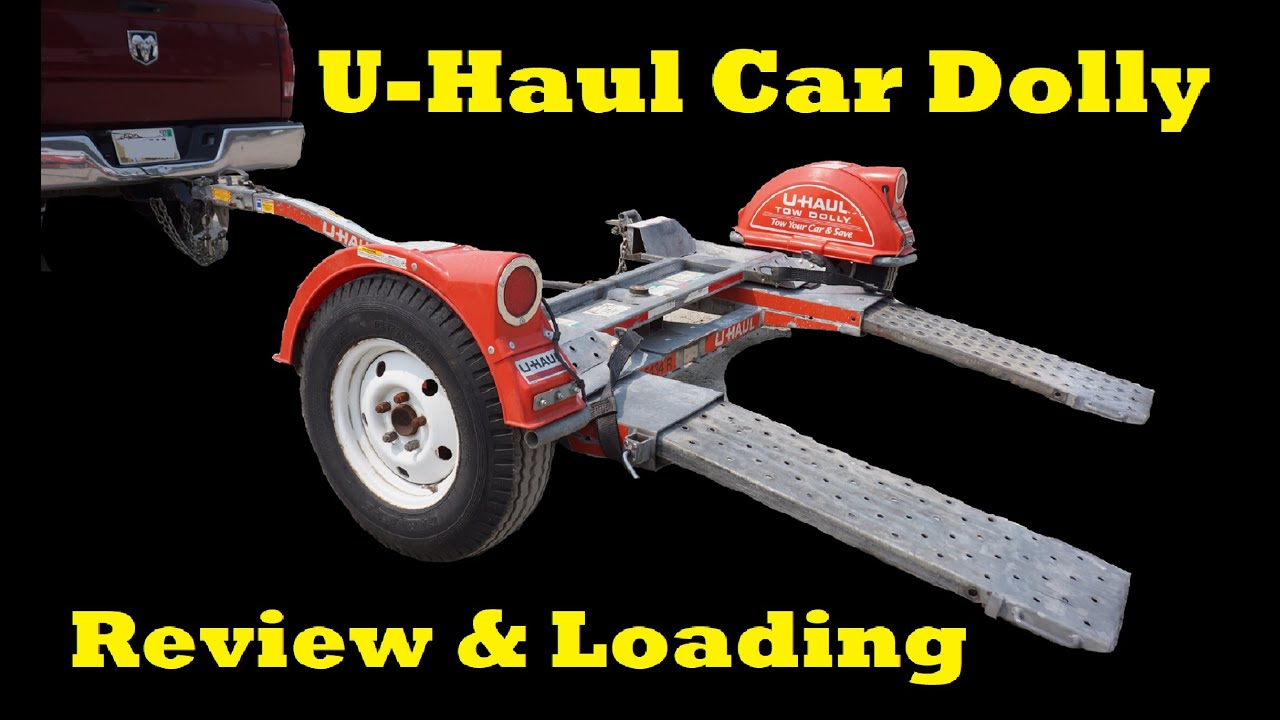
- Trailer Type: U-Haul offers different types of car trailers, primarily the Auto Transport and the Tow Dolly. The Auto Transport, which carries all four wheels of the vehicle off the ground, is generally more expensive than the Tow Dolly, which tows the vehicle with two wheels on the ground.
- Location: Rental rates can vary based on location due to factors like local demand, competition, and operating costs. Big cities often have higher rates.
- Time of Year: Like many rental services, U-Haul's pricing can fluctuate based on demand. Peak moving seasons (summer, end of the month) often see higher rates.

Example: A local, in-town rental of a Tow Dolly might cost $50 per day. A one-way Auto Transport rental across several states could cost several hundred dollars, plus a per-mile charge.
Beyond the Base: Additional Fees and Charges
The base rental fee is just the starting point. Several additional fees can add to the overall cost of your U-Haul car trailer rental:
- Environmental Fees: These fees cover the cost of environmental regulations and disposal of waste materials. They're usually a small, fixed amount.
- Taxes: Sales tax will be applied to the total rental cost, including the base fee and any additional charges.
- Insurance (Optional): U-Haul offers various insurance options to protect against damage to the trailer, your vehicle, or third-party property. While optional, it's highly recommended.
- Late Return Fees: Returning the trailer late can result in significant penalties. Be sure to understand the return policy and allow ample time for drop-off.
- Cleaning Fees: Returning the trailer in an excessively dirty condition could incur a cleaning fee.
- Damage Fees: Any damage to the trailer during your rental period will be your responsibility. Insurance can help cover these costs.
- Drop-off Fees (One-Way Rentals): These are typically included in the initial quote for a one-way rental. However, if you change the drop-off location after booking, additional fees may apply.
The Tow Vehicle Factor: Do You Have the Right Setup?
Before you even think about renting a U-Haul car trailer, you need to ensure you have a suitable tow vehicle. This is perhaps the most critical aspect, often overlooked, and can lead to significant problems if not addressed properly.
- Towing Capacity: Your tow vehicle must have sufficient towing capacity to safely haul the weight of the trailer and the vehicle being transported. Check your vehicle's owner's manual for the specified towing capacity. Never exceed the maximum towing capacity. This is not just about the engine's power; it's also about the vehicle's braking system, suspension, and frame.
- Hitch and Wiring: Your tow vehicle must have a properly installed hitch receiver and wiring harness. The hitch receiver must be rated for the weight of the trailer and the vehicle being transported. The wiring harness is necessary to connect the trailer's lights (brake lights, turn signals, and running lights) to your tow vehicle.
- Proper Lighting: Ensure all trailer lights are functioning correctly before you start your journey. This is essential for safety and is often checked during the trailer pickup process.
- U-Haul's Requirements: U-Haul has specific requirements for tow vehicles, including minimum weight and engine size. Be sure to check their website or contact a U-Haul representative to confirm your vehicle meets their requirements.
Pro tip from us: Don't assume your vehicle can tow a car trailer. Always double-check the towing capacity and U-Haul's requirements. Failure to do so could result in damage to your vehicle, the trailer, or worse, an accident. Based on my experience, many people underestimate the importance of this step.
Insurance Options: Protecting Yourself and Your Cargo
U-Haul offers several insurance options to protect you during your car trailer rental:
- Safemove: This is a comprehensive coverage option that covers accidental damage to the U-Haul equipment, damage to your vehicle (while on the trailer), and any damage to the cargo inside the trailer.
- Safemove Plus: This offers all the benefits of Safemove, plus it adds cargo protection and increased medical and life benefits.
- Collision Damage Waiver (CDW): This covers damage to the U-Haul trailer itself. It does not cover damage to your vehicle or any third-party property.
Common mistakes to avoid are: Skipping insurance altogether to save money. While it might seem tempting, the potential cost of an accident or damage to the trailer far outweighs the insurance premium. Carefully review the terms and conditions of each insurance option to understand what is covered and what is not.
Strategies for Saving Money on Your U-Haul Car Trailer Rental
While U-Haul car trailers can be a cost-effective solution, there are several ways to minimize your expenses:
- Compare Quotes: Get quotes from multiple U-Haul locations and compare them. Prices can vary, even within the same city.
- Avoid Peak Seasons: If possible, avoid moving during peak seasons (summer, end of the month). Rates are typically higher during these times.
- Rent Locally (If Possible): Local rentals are usually cheaper than one-way rentals. If you can return the trailer to the same location, you'll save money.
- Consider a Tow Dolly: If your vehicle is compatible, a Tow Dolly is generally less expensive than an Auto Transport.
- Book in Advance: Booking your trailer in advance can sometimes lock in a lower rate.
- Check for Discounts: U-Haul sometimes offers discounts for students, military personnel, or AAA members.
- Pack Carefully: Secure your vehicle properly on the trailer to prevent damage. Proper packing can save you from potential damage claims.
- Return on Time: Avoid late return fees by returning the trailer on time.
- Clean the Trailer: Avoid cleaning fees by returning the trailer in a clean condition.
- Decline Unnecessary Add-ons: Only purchase the insurance coverage you need.
- Check for Third-Party Rental Options: Look into local equipment rental companies in your area for potential deals.
Real-World Cost Examples
To give you a better idea of the potential costs, here are a few real-world examples:
- Local Tow Dolly Rental (50 miles): Base rental fee: $49.95, Insurance: $15, Taxes: $5, Total: Approximately $70
- One-Way Auto Transport Rental (500 miles): Base rental fee: $300, Mileage charge: $0.79/mile ($395), Insurance: $40, Taxes: $35, Total: Approximately $770
- Cross-Country Auto Transport Rental (2000 miles): Base rental fee: $800, Mileage charge: $0.69/mile ($1380), Insurance: $80, Taxes: $150, Total: Approximately $2410
Note: These are just estimates. Actual costs may vary based on location, time of year, and other factors.
Alternatives to U-Haul Car Trailers
While U-Haul car trailers are a popular choice, consider these alternatives:
- Professional Auto Transport Companies: Companies like Montway Auto Transport or AmeriFreight specialize in transporting vehicles. They handle everything, but they're typically more expensive than renting a U-Haul trailer.
- Driving the Vehicle Yourself: If the distance is manageable, driving the vehicle yourself might be an option. However, factor in gas, lodging, meals, and wear and tear on your vehicle.
- Shipping the Vehicle by Rail: This can be a cost-effective option for long distances, but it may require more planning and coordination.
Step-by-Step Guide: Renting a U-Haul Car Trailer
- Determine Your Needs: Decide whether you need an Auto Transport or a Tow Dolly, and estimate the distance you'll be traveling.
- Check Towing Capacity: Confirm that your tow vehicle meets U-Haul's requirements and has sufficient towing capacity.
- Get a Quote: Visit the U-Haul website or call a local U-Haul location to get a quote.
- Book Your Trailer: Reserve your trailer in advance, especially during peak seasons.
- Pick Up the Trailer: Bring your driver's license, tow vehicle registration, and proof of insurance to the U-Haul location.
- Inspect the Trailer: Carefully inspect the trailer for any damage before you leave. Document any existing damage with photos or videos.
- Secure Your Vehicle: Follow U-Haul's instructions for properly securing your vehicle to the trailer.
- Drive Safely: Drive cautiously and avoid sudden stops or turns.
- Return the Trailer: Return the trailer to the designated location on time.
- Inspect Again: Inspect the trailer with a U-Haul representative upon return.
Conclusion: Making an Informed Decision
Renting a U-Haul car trailer can be a convenient and cost-effective way to transport your vehicle. However, understanding the various costs involved is crucial for making an informed decision. By considering the base rental fee, additional charges, tow vehicle requirements, and insurance options, you can accurately estimate the total cost of your rental and avoid any surprises. And by following the tips outlined in this guide, you can save money and ensure a smooth and stress-free moving experience. Always prioritize safety and ensure your vehicle and the trailer are properly secured. Safe travels!
Internal Links:
- [Link to another relevant blog post on moving tips on your blog, if available]
External Link:
- [Link to U-Haul's official website for car trailer information: https://www.uhaul.com/Trailers/Auto-Transport-Rental/AT/]