Jeep In A Box: The Ultimate Guide to Building Your Dream Off-Roader From Scratch
Introduction:
Jeep In A Box
The allure of owning a Jeep is undeniable. The open-air freedom, the rugged capability, and the unique community all contribute to its enduring appeal. But what if you could take that appeal a step further and build your Jeep from the ground up? Enter the "Jeep In A Box" – a complete kit that provides all the necessary components to construct your very own off-road machine. This comprehensive guide will explore everything you need to know about Jeep In A Box kits, from understanding what they are and the benefits they offer, to choosing the right kit and tackling the build process. Prepare to embark on a journey that will transform you from a Jeep enthusiast into a Jeep builder!
What is a Jeep In A Box?
A "Jeep In A Box," also known as a complete Jeep kit, is essentially a comprehensive package containing all the parts required to assemble a fully functional Jeep. These kits typically include:
- Frame: The foundation of your Jeep, usually a heavy-duty steel frame designed for off-road use.
- Body: The body panels, often made of steel or fiberglass, giving your Jeep its iconic look.
- Engine: A crucial component, the engine provides the power to conquer any terrain. Choices range from crate engines to custom-built options.
- Transmission: Works in tandem with the engine, transferring power to the wheels.
- Axles: Heavy-duty axles are essential for off-road durability.
- Suspension: This provides ride comfort and off-road capability.
- Wheels and Tires: Aggressive tires are a must for off-road traction.
- Interior: Seats, dashboard, gauges, and other interior components.
- Wiring Harness: A complete wiring system to connect all electrical components.
- Steering System: A robust steering system for precise control.
- Brakes: Reliable brakes are critical for safety.
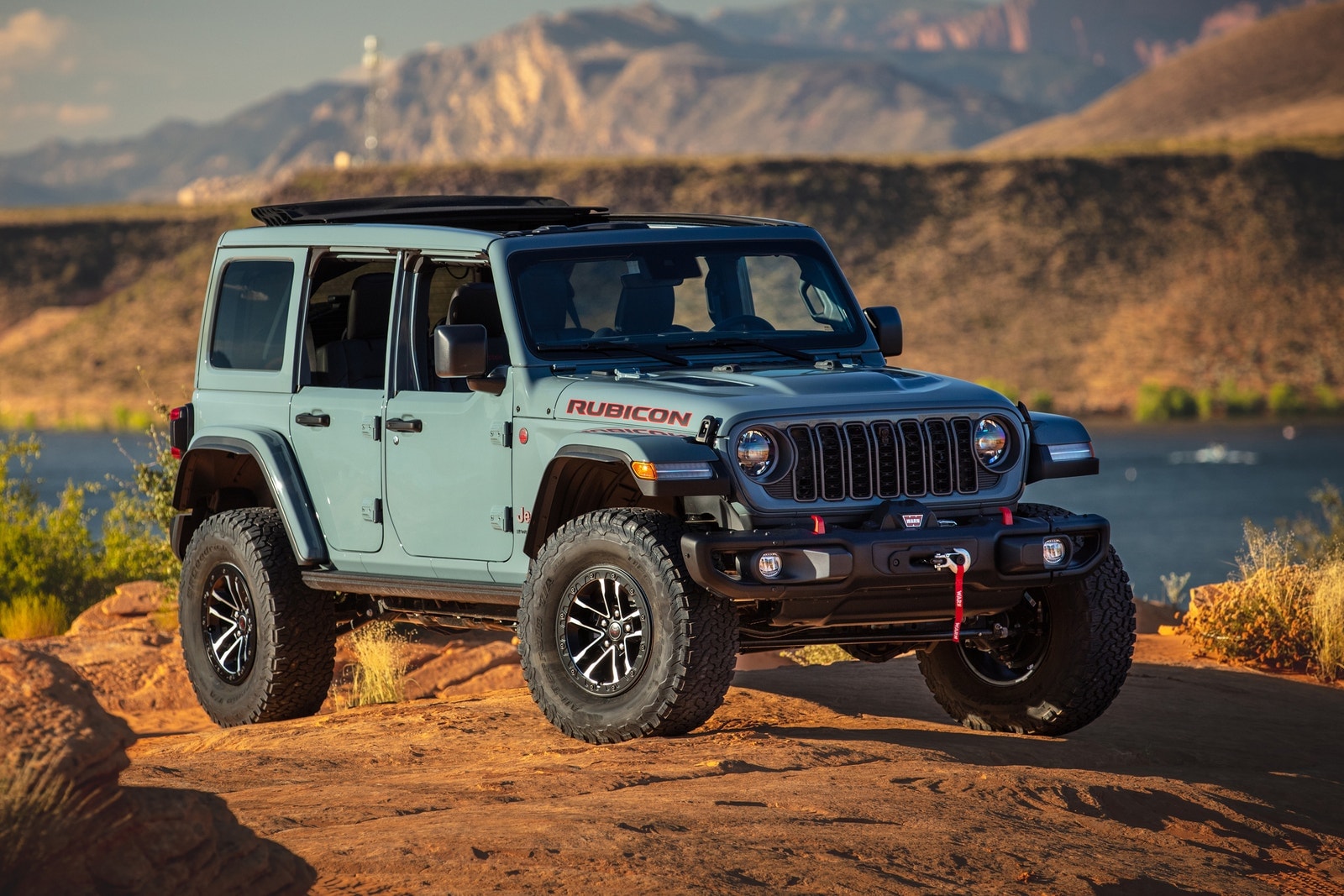

Essentially, you receive everything you need to build a complete, running Jeep, except for fluids like oil, coolant, and gasoline. This allows you to customize your build to your exact specifications and preferences.
The Benefits of Building a Jeep In A Box
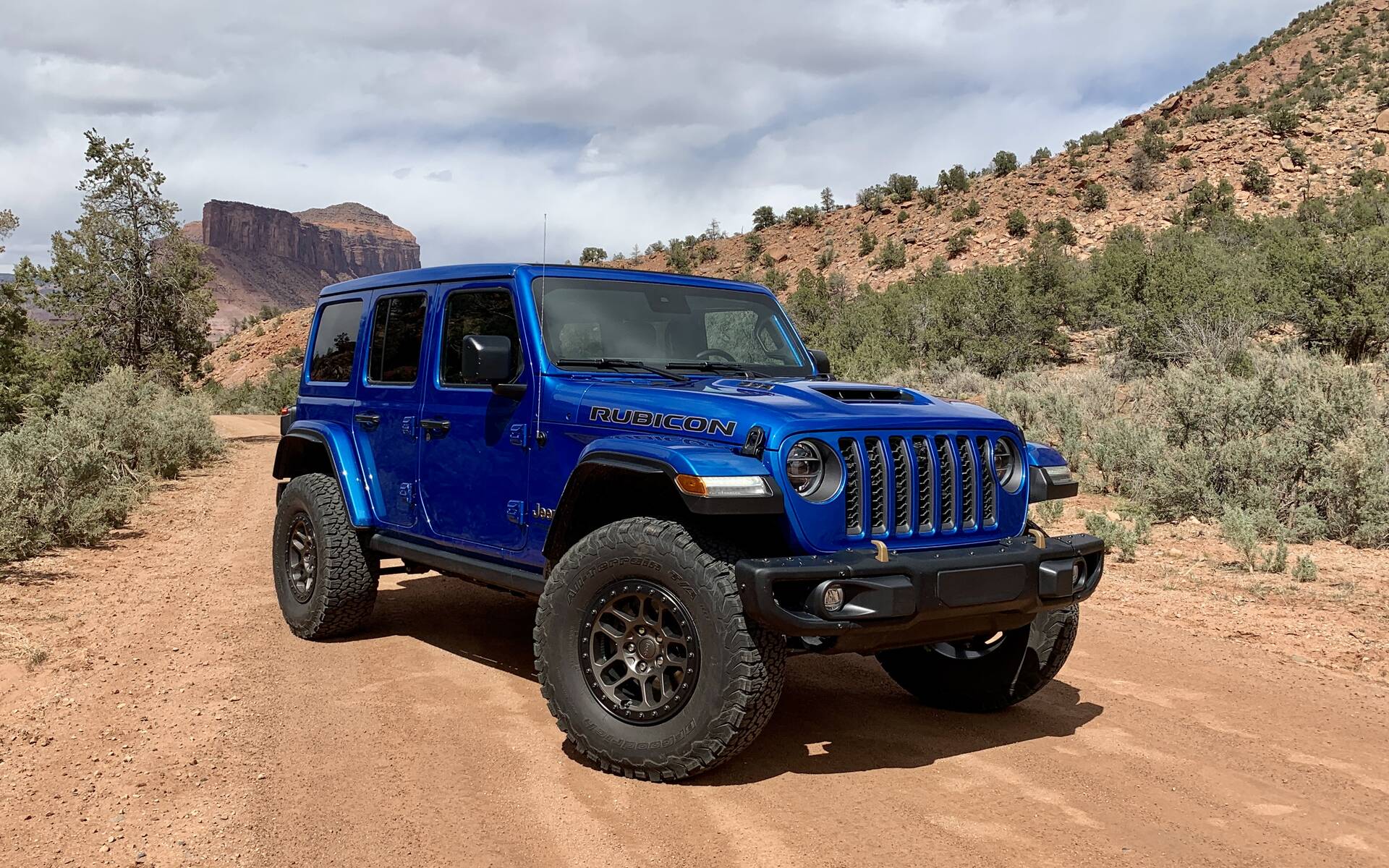
Choosing a Jeep In A Box offers several advantages over buying a pre-built Jeep:
- Customization: The most significant benefit is the ability to customize every aspect of your Jeep. You get to choose the engine, transmission, suspension, and other components to perfectly match your needs and desires. This level of personalization is simply not possible with a factory-built Jeep.
- Cost Savings: While the initial investment in a Jeep In A Box may seem substantial, it can often be more cost-effective than buying a new or heavily modified Jeep. You avoid paying dealer markups and can source parts strategically. Plus, you gain sweat equity by doing the labor yourself.
- Knowledge and Skills: Building a Jeep from scratch is an incredibly rewarding experience. You'll gain a deep understanding of how your Jeep works, which will be invaluable for maintenance and repairs down the road. This hands-on experience builds confidence and mechanical aptitude.
- Quality Control: You have complete control over the quality of the parts and the assembly process. You can ensure that everything is done to your standards, using high-quality components and meticulous attention to detail.
- Uniqueness: Your Jeep will be truly one-of-a-kind, reflecting your personal style and preferences. You'll have a vehicle that stands out from the crowd and is a testament to your craftsmanship.
Choosing the Right Jeep In A Box Kit
Selecting the right Jeep In A Box kit is crucial for a successful build. Here are some factors to consider:
- Budget: Determine your budget upfront and stick to it. Jeep In A Box kits vary widely in price, depending on the components included and the quality of the materials. Research different kits and compare prices carefully.
- Experience Level: Be honest about your mechanical skills and experience. Some kits are designed for experienced builders, while others are more beginner-friendly. Choose a kit that matches your skill level to avoid frustration and potential mistakes.
- Desired Use: Consider how you plan to use your Jeep. Will it be primarily for off-roading, daily driving, or a combination of both? This will influence your choice of engine, suspension, and other components.
- Component Quality: Research the quality of the components included in the kit. Look for reputable brands and durable materials. Read reviews and ask for recommendations from other Jeep builders.
- Completeness: Ensure that the kit includes all the necessary parts to complete the build. A truly complete kit will save you time and money in the long run.
Different Types of Jeep In A Box Kits
Jeep In A Box kits come in various forms, each catering to different needs and preferences:
- Basic Kits: These kits typically include the frame, body, and essential components like axles and suspension. They are a good option for builders who want to source their own engine, transmission, and other components.
- Complete Kits: As the name suggests, these kits include everything you need to build a fully functional Jeep, including the engine, transmission, interior, and wiring harness. They are a convenient option for builders who want a hassle-free experience.
- Turnkey Kits: These are the most complete kits available, often including pre-assembled components like the engine and transmission. They are ideal for builders who want to minimize the amount of assembly required.
- Custom Kits: Some companies offer custom Jeep In A Box kits, allowing you to choose every component to your exact specifications. These kits are the most expensive but offer the ultimate in personalization.
The Build Process: A Step-by-Step Guide
Building a Jeep In A Box is a challenging but rewarding process. Here's a general overview of the steps involved:
- Preparation: Before you start, thoroughly read the instructions and familiarize yourself with the components. Gather all the necessary tools and equipment, and create a clean and organized workspace.
- Frame Assembly: Begin by assembling the frame according to the instructions. Ensure that all bolts are tightened to the correct torque specifications.
- Axle Installation: Install the axles onto the frame, connecting the suspension components.
- Body Mounting: Mount the body panels onto the frame. This may require some adjustments to ensure proper alignment.
- Engine and Transmission Installation: Install the engine and transmission, connecting them to the axles.
- Wiring: Install the wiring harness, connecting all the electrical components.
- Interior Installation: Install the seats, dashboard, and other interior components.
- Final Touches: Install the wheels and tires, and add any finishing touches like lights and accessories.
- Testing: Before you hit the road, thoroughly test all the systems to ensure they are functioning correctly.
Tools and Equipment You'll Need
Building a Jeep In A Box requires a variety of tools and equipment. Here's a list of essential items:
- Socket Set: A comprehensive socket set with both metric and SAE sizes.
- Wrench Set: A wrench set to match your socket set.
- Torque Wrench: Essential for tightening bolts to the correct specifications.
- Screwdriver Set: A variety of screwdrivers, including Phillips head and flathead.
- Pliers: Various types of pliers, including needle-nose and slip-joint.
- Hammer: A hammer for driving in nails and other tasks.
- Welder: A welder is necessary for some frame modifications and other tasks.
- Grinder: A grinder for cutting and shaping metal.
- Drill: A drill for drilling holes and driving screws.
- Jack Stands: Jack stands for safely supporting the Jeep while you work on it.
- Engine Hoist: An engine hoist for lifting the engine into place.
- Transmission Jack: A transmission jack for supporting the transmission during installation.
- Multimeter: A multimeter for testing electrical circuits.
- Wiring Tools: Wiring tools like crimpers and strippers.
Pro tips from us: Invest in quality tools. They will make the build process easier and more enjoyable.
Common Mistakes to Avoid
Building a Jeep In A Box can be challenging, and it's easy to make mistakes. Here are some common pitfalls to avoid:
- Rushing the Process: Don't try to rush the build. Take your time and pay attention to detail.
- Skipping Steps: Don't skip steps in the instructions. Each step is important for ensuring a safe and reliable build.
- Using the Wrong Tools: Using the wrong tools can damage components and make the build more difficult.
- Over-Tightening Bolts: Over-tightening bolts can strip threads and damage components.
- Neglecting Safety: Always wear safety glasses and gloves when working on your Jeep.
Safety Considerations
Safety should always be your top priority when building a Jeep In A Box. Here are some important safety considerations:
- Wear Safety Glasses: Always wear safety glasses to protect your eyes from flying debris.
- Wear Gloves: Wear gloves to protect your hands from cuts and abrasions.
- Use Jack Stands: Always use jack stands to support the Jeep while you work on it. Never work under a Jeep that is only supported by a jack.
- Disconnect the Battery: Disconnect the battery before working on any electrical components.
- Work in a Well-Ventilated Area: Work in a well-ventilated area when welding or using chemicals.
- Follow Instructions: Carefully follow the instructions provided with the kit.
Legal Considerations
Before you start building your Jeep In A Box, it's important to understand the legal considerations in your area. Here are some things to keep in mind:
- Titling and Registration: Check with your local DMV to determine the requirements for titling and registering your home-built Jeep.
- Emissions Regulations: Ensure that your engine meets all applicable emissions regulations.
- Safety Inspections: Your Jeep may be subject to a safety inspection before it can be registered.
Resources for Jeep In A Box Builders
There are many resources available to help you build your Jeep In A Box. Here are some helpful websites and forums:
- Jeep Forums: Online communities where you can connect with other Jeep enthusiasts and builders.
- Manufacturer Websites: Websites of Jeep In A Box kit manufacturers.
- YouTube: Many YouTube channels offer tutorials and advice on building Jeep In A Box kits.
Based on my experience, joining online forums and connecting with other builders is invaluable. You can learn from their experiences and get help with any challenges you encounter.
Conclusion
Building a Jeep In A Box is a challenging but incredibly rewarding experience. It allows you to create a unique, customized off-road machine that reflects your personal style and preferences. By carefully planning your build, choosing the right kit, and following the instructions, you can successfully build your dream Jeep from scratch. Remember to prioritize safety, research the legal considerations in your area, and take advantage of the many resources available to help you along the way. Now, get out there and start building!
Internal Links:
- (Link to another relevant article on your blog, e.g., "Top 10 Jeep Modifications for Off-Roading") - If you have one
- (Link to another relevant article on your blog, e.g., "Essential Tools for Every Jeep Owner") - If you have one
External Link:
- SEMA (Trusted external source for automotive industry information)
Final Thoughts:
The "Jeep In A Box" concept embodies the spirit of customization and adventure that defines the Jeep community. By taking on this project, you're not just building a vehicle; you're building a connection to the Jeep legacy and a testament to your own ingenuity. With careful planning and execution, your Jeep In A Box will become a source of pride and a gateway to countless off-road adventures.