The Ford F-150. It's an American icon. A workhorse. A symbol of reliability and rugged capability. For decades, it has consistently topped the charts as the best-selling pickup truck in the United States. But buying a new F-150 can be a significant investment. That's why exploring the used market is a smart and economical option for many.
This comprehensive guide is designed to equip you with all the knowledge you need to confidently navigate the world of used Ford F-150s. We'll delve into everything from identifying the right model year for your needs to performing thorough inspections and negotiating the best possible price. Let's get started!
The Ultimate Guide to Buying a Used Ford F-150: Finding the Perfect Pickup for Your Needs
Why Choose a Used Ford F-150?
There are numerous compelling reasons to consider a used F-150 over a brand-new one. The most obvious is the cost savings. New vehicles depreciate rapidly in their first few years, meaning you can often find a well-maintained, late-model F-150 for significantly less than its original MSRP.
Beyond the price tag, used F-150s offer a proven track record. You can leverage the experiences of previous owners and expert reviews to gain valuable insights into a particular model year's reliability, common issues, and overall performance. This knowledge allows you to make a more informed decision.
Finally, consider the broad range of options available in the used market. You can find F-150s with different engine configurations, cab styles, bed lengths, and trim levels to perfectly match your specific needs and preferences. This flexibility is often limited when buying new, as dealer inventory can be restricted.
Understanding F-150 Generations and Model Years
The Ford F-150 has a long and rich history, spanning multiple generations. Each generation brings with it advancements in technology, design, and performance. Before you start your search, it's crucial to familiarize yourself with the different generations and model years to identify those that align with your budget and requirements.
Here's a brief overview of recent F-150 generations:
-
12th Generation (2009-2014): This generation marked a significant leap forward in terms of interior comfort and refinement. Engine options included a range of V6 and V8 engines, offering varying levels of power and fuel efficiency. The 2011 model year introduced the powerful and efficient 3.5L EcoBoost V6.
-
13th Generation (2015-2020): The 13th generation F-150 featured an all-aluminum body, which significantly reduced weight and improved fuel economy. This generation also saw advancements in technology, including enhanced infotainment systems and driver-assistance features.
-
14th Generation (2021-Present): The current generation F-150 boasts a redesigned exterior and interior, along with updated technology and powertrain options. This generation also introduced the hybrid PowerBoost engine, offering impressive power and fuel economy.

Pro tips from us: Research specific model years within each generation. For example, the first year of a new generation (e.g., 2015 for the 13th generation) may have more reported issues than later years. Read owner reviews and consult reliability ratings from reputable sources like Consumer Reports to identify the most reliable model years.
Defining Your Needs and Budget
Before diving into online listings and dealership lots, take the time to clearly define your needs and establish a realistic budget. This will help you narrow your search and avoid impulsive decisions.
Consider the following factors:
-
What will you primarily use the F-150 for? Daily commuting? Towing and hauling? Off-roading? Your intended use will dictate the engine, cab style, and bed length that are most suitable for you.
-
What is your maximum budget? Be realistic about what you can afford, considering not only the purchase price but also potential maintenance costs, insurance, and fuel expenses.
-
What features are essential? Do you need four-wheel drive? A specific towing capacity? Advanced safety features? Make a list of your must-have features to help you filter your search.
-
What cab style and bed length do you need? Regular cab, SuperCab (extended cab), or SuperCrew (crew cab)? Short bed, standard bed, or long bed? Your choice will depend on your passenger and cargo-carrying needs.
Where to Find Used Ford F-150s for Sale
Once you have a clear understanding of your needs and budget, it's time to start your search. There are several avenues you can explore when looking for used F-150s for sale:
-
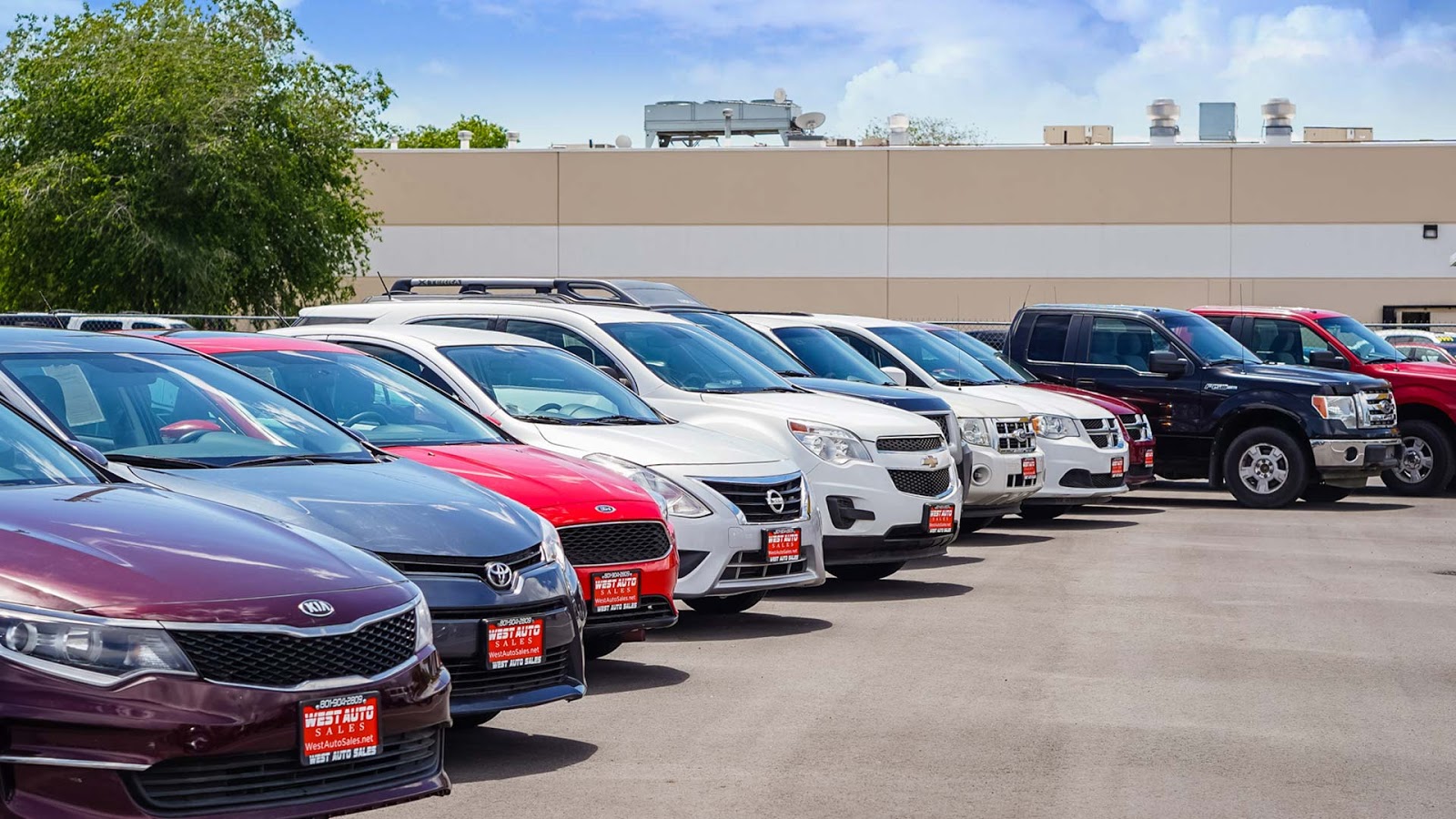
Online Marketplaces: Websites like AutoTrader, Cars.com, and Craigslist offer vast inventories of used vehicles from private sellers and dealerships. These platforms allow you to easily filter your search by year, mileage, price, and other criteria.
-
Dealerships: Ford dealerships often have a selection of used F-150s in their inventory, including certified pre-owned (CPO) vehicles. CPO vehicles typically undergo a rigorous inspection and come with a warranty, offering added peace of mind.
-
Private Sellers: Buying from a private seller can potentially save you money, but it also requires more due diligence. Be sure to thoroughly inspect the vehicle and obtain a vehicle history report before making an offer.
-
Auctions: Auto auctions can be a good source for finding used vehicles at competitive prices, but they also involve a higher degree of risk. You typically won't have the opportunity to thoroughly inspect the vehicle before bidding.
Based on my experience... Online marketplaces are a great starting point for researching available options and comparing prices. However, it's always best to see and inspect the vehicle in person before making a purchase.
Inspecting a Used F-150: What to Look For
A thorough inspection is crucial when buying a used F-150. Don't rely solely on the seller's description or photos. Take the time to carefully examine the vehicle, both inside and out, to identify any potential issues.
Here's a checklist of key areas to inspect:
-
Exterior: Check for rust, dents, scratches, and other signs of damage. Pay close attention to the bed, especially if the truck has been used for hauling heavy loads. Examine the tires for wear and tear.
-
Interior: Inspect the seats, carpets, and dashboard for wear and tear. Check the operation of all electrical components, including the lights, windows, and infotainment system.
-
Engine: Listen for any unusual noises when the engine is running. Check for leaks and examine the fluid levels. Look for signs of excessive wear or damage.
-
Transmission: Test the transmission by shifting through all the gears. Listen for any unusual noises or slippage.
-
Brakes: Check the brake pads and rotors for wear and tear. Test the brakes by applying them firmly at different speeds.
-
Suspension: Inspect the shocks and struts for leaks or damage. Bounce the truck to check for excessive movement.
-
Frame: Look for signs of rust or damage to the frame. This is particularly important if the truck has been used for off-roading or in harsh environments.
Common mistakes to avoid are... neglecting to check the undercarriage for rust and damage, overlooking signs of previous accidents or repairs, and failing to test all the vehicle's features and functions.
The Importance of a Vehicle History Report
Before making an offer on a used F-150, always obtain a vehicle history report from a reputable provider like Carfax or AutoCheck. These reports provide valuable information about the vehicle's past, including:
-
Accident history: Whether the vehicle has been involved in any accidents, and the severity of the damage.
-
Title history: Whether the vehicle has been salvaged, flood-damaged, or stolen.
-
Mileage verification: Whether the odometer reading is accurate.
-
Service history: A record of maintenance and repairs performed on the vehicle.
-
Number of previous owners: How many people have owned the vehicle.
A vehicle history report can help you identify potential red flags and avoid buying a vehicle with hidden problems. It's a small investment that can save you a lot of money and headaches in the long run.
Test Driving the F-150
After visually inspecting the F-150, it's time to take it for a test drive. This is your opportunity to assess the vehicle's performance and handling firsthand.
During the test drive, pay attention to the following:
-
Engine performance: Does the engine accelerate smoothly and provide adequate power?
-
Transmission performance: Does the transmission shift smoothly and without hesitation?
-
Braking performance: Do the brakes feel responsive and stop the vehicle quickly and safely?
-
Steering and handling: Does the steering feel precise and responsive? Does the vehicle handle well in corners and on uneven surfaces?
-
Ride quality: Is the ride comfortable and smooth?
-
Noise levels: Are there any excessive noises from the engine, transmission, or suspension?
Pro tips from us: Test drive the F-150 in a variety of conditions, including city streets, highways, and (if applicable) off-road trails. This will give you a more comprehensive understanding of its performance capabilities.
Negotiating the Price
Once you've found a used F-150 that meets your needs and passed your inspection, it's time to negotiate the price. Research the fair market value of the vehicle using online resources like Kelley Blue Book and Edmunds. This will give you a benchmark for your negotiations.
Here are some tips for negotiating the best possible price:
-
Be prepared to walk away: Don't be afraid to walk away from the deal if the seller is unwilling to negotiate to a price you're comfortable with.
-
Point out any flaws or issues: Use any flaws or issues you identified during the inspection as leverage in your negotiations.
-
Consider financing options: If you're financing the purchase, compare interest rates and loan terms from different lenders to get the best deal.
-
Don't be afraid to counteroffer: If the seller makes an initial offer that's too high, don't hesitate to counteroffer with a lower price.
Finalizing the Purchase
After you've negotiated the price and agreed on the terms of the sale, it's time to finalize the purchase. Review all the paperwork carefully before signing anything. Make sure you understand all the terms and conditions of the sale, including the warranty (if any).
Before driving away with your new (to you) F-150, make sure you have:
-
The This proves that you are the legal owner of the vehicle.
-
The registration: This allows you to legally operate the vehicle on public roads.
-
Proof of insurance: This is required in most states.
Maintaining Your Used F-150
Once you've purchased your used F-150, it's important to keep it properly maintained to ensure its longevity and reliability. Follow the manufacturer's recommended maintenance schedule and address any issues promptly.
Regular maintenance tasks include:
-
Oil changes: Change the engine oil and filter at the recommended intervals.
-
Fluid checks: Check and top off all fluid levels, including coolant, brake fluid, and power steering fluid.
-
Tire rotations: Rotate the tires regularly to ensure even wear.
-
Brake inspections: Inspect the brakes regularly and replace worn brake pads and rotors.
-
Tune-ups: Perform regular tune-ups to keep the engine running smoothly.
By following these maintenance tips, you can keep your used F-150 running strong for years to come.
Conclusion: Finding Your Ideal Used F-150
Buying a used Ford F-150 can be a rewarding experience, providing you with a capable and reliable truck at a fraction of the cost of a new one. By following the steps outlined in this guide, you can confidently navigate the used market, identify the right model for your needs, and negotiate the best possible price. Remember to prioritize thorough inspections, vehicle history reports, and test drives to ensure you're making a sound investment. Happy truck hunting! [External Link to Ford's Official Website]