The Jeep 4.0 inline-six engine is legendary. Known for its reliability and robust nature, it's powered countless Jeeps through trails and highways for decades. But what if you crave more power? That's where stroking comes in. Stroking a 4.0 Jeep engine is a modification process that increases its displacement, resulting in a significant boost in torque and horsepower. In this ultimate guide, we'll delve deep into the world of stroking your 4.0, covering everything from the basics to advanced considerations, ensuring you make informed decisions to unleash the beast within your Jeep.
Why Stroke Your 4.0 Jeep Engine?
Unleash Beastly Power: The Ultimate Guide to Stroking Your 4.0 Jeep Engine
The stock 4.0 is a solid performer, but it has limitations. As Jeeps get older and modifications like larger tires and heavier bumpers are added, the engine can start to feel sluggish, especially on hills or when off-roading. Stroking addresses this by increasing the engine's displacement. A larger displacement means the engine can ingest more air and fuel with each combustion cycle. This leads to:
- Increased Torque: This is the primary benefit. More torque translates to better low-end power, crucial for off-roading, towing, and overcoming challenging terrain. You'll feel a noticeable difference in the Jeep's ability to accelerate and maintain speed under load.
- Increased Horsepower: While torque is the star of the show, horsepower also gets a boost. This translates to improved overall performance, especially at higher RPMs.
- Improved Drivability: A stroked 4.0 is simply more responsive and enjoyable to drive. The added power makes daily driving and off-roading less stressful and more fun.
- Greater Resale Value: A well-executed stroker build can increase the resale value of your Jeep, especially if you choose quality components and document the process.
Understanding the Basics of Stroking
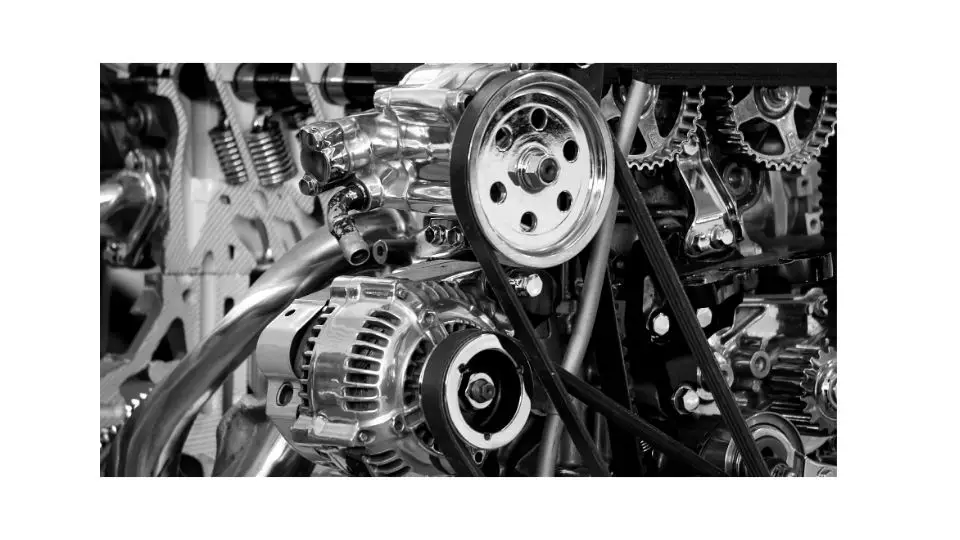
Stroking an engine essentially means increasing the distance the piston travels within the cylinder (the stroke). This is achieved by using a crankshaft with a longer "throw." This longer throw crankshaft pushes the piston further down the cylinder, increasing the cylinder volume and, therefore, the engine's displacement.
Think of it like this: imagine a glass. A longer stroke is like using a taller glass – it can hold more liquid (air/fuel mixture). This larger volume of air and fuel, when combusted, produces more power.
Key Components for a Stroker Build
A stroker build involves more than just swapping out the crankshaft. Here's a breakdown of the essential components:
- Stroker Crankshaft: This is the heart of the stroker build. It features a longer throw than the stock crankshaft, dictating the increase in displacement. You'll find crankshafts made from cast iron or forged steel. Forged steel is significantly stronger and recommended for high-performance builds.
- Pistons: Stroker builds typically require custom pistons to match the new crankshaft and ensure proper compression ratio. The piston design must account for the longer stroke to avoid piston-to-valve contact. Different piston designs can also influence compression ratio.
- Connecting Rods: The connecting rods link the pistons to the crankshaft. Stroker builds often use slightly shorter connecting rods to accommodate the longer stroke. Like crankshafts, connecting rods are available in various materials. Stronger rods are a must for higher-performance applications.
- Camshaft: While not strictly required, upgrading the camshaft is highly recommended to optimize the engine's performance with the increased displacement. A camshaft with a more aggressive profile can further enhance torque and horsepower.
- Fuel Injectors: The stock fuel injectors may not be able to supply enough fuel for the increased displacement. Upgrading to larger injectors is crucial to ensure proper air-fuel mixture and prevent a lean condition, which can damage the engine.
- Engine Management System (EMS): The factory ECU (Engine Control Unit) might struggle to properly manage the modified engine. A programmable EMS allows for precise tuning of fuel and ignition, maximizing performance and ensuring reliability. This is especially important for optimized performance.
- Gaskets and Bearings: Using high-quality gaskets and bearings is crucial for a reliable build. Opt for performance-oriented gaskets and bearings designed to withstand the increased stresses of a stroker engine.
- Other Considerations: Don't forget about seemingly minor parts. Consider a high-flow air filter, upgraded exhaust system, and a performance-oriented distributor to maximize the benefits of your stroker build.
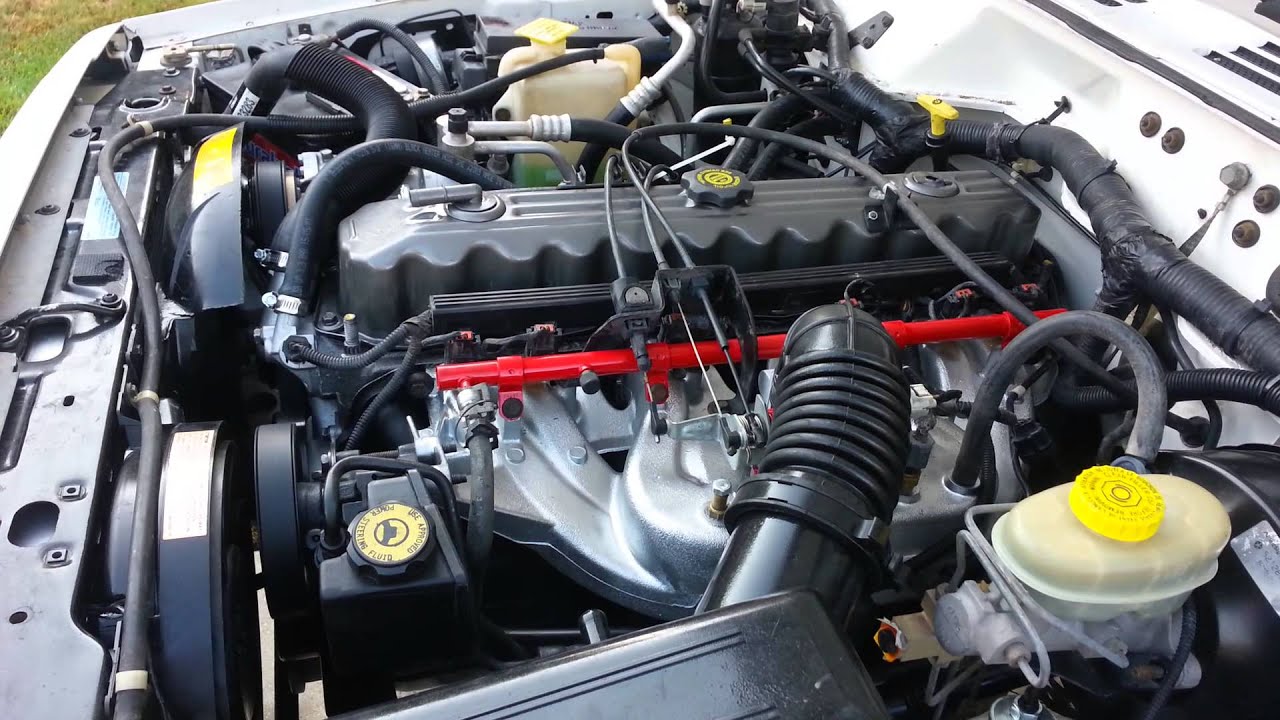
Choosing the Right Stroker Kit
Several stroker kits are available for the 4.0 Jeep engine. These kits typically include the crankshaft, pistons, and connecting rods, taking some of the guesswork out of the build. When choosing a kit, consider the following:
- Desired Displacement: Stroker kits are available in various displacements, typically ranging from 4.5 to 4.7 liters. Consider your power goals and driving style when selecting a displacement.
- Component Quality: Pay close attention to the materials and manufacturing processes used for the components. Opt for reputable brands known for quality and durability.
- Compression Ratio: The compression ratio is a critical factor that affects engine performance and reliability. Lower compression ratios are suitable for forced induction (turbocharging or supercharging), while higher compression ratios are better for naturally aspirated engines.
- Intended Use: Consider how you'll primarily use your Jeep. If you plan to do a lot of off-roading, prioritize low-end torque. If you're more interested in high-speed performance, focus on horsepower.
The Stroking Process: A Step-by-Step Overview
Stroking a 4.0 Jeep engine is not a simple bolt-on modification. It requires significant mechanical skill and access to specialized tools. If you're not comfortable with engine rebuilding, it's best to leave this job to a qualified mechanic. Here's a general overview of the process:
- Engine Removal and Disassembly: The engine must be removed from the Jeep and completely disassembled. This includes removing the cylinder head, pistons, crankshaft, and all other components.
- Cylinder Bore and Hone: The cylinder bores should be inspected for wear and damage. If necessary, the cylinders may need to be bored and honed to ensure proper piston ring sealing.
- Crankshaft Installation: The stroker crankshaft is installed, ensuring proper bearing clearances. The crankshaft should be carefully torqued to specification.
- Piston and Connecting Rod Installation: The new pistons and connecting rods are installed, again ensuring proper clearances. Piston rings are installed on the pistons, and the connecting rods are attached to the crankshaft.
- Cylinder Head Reassembly: The cylinder head is reassembled, including installing new valve stem seals and lapping the valves.
- Engine Reassembly: The engine is reassembled, including installing the cylinder head, intake manifold, exhaust manifold, and all other components.
- Engine Installation and Tuning: The engine is reinstalled in the Jeep, and all connections are made. The engine is then tuned to optimize performance and ensure proper operation. This often requires a dyno tune.
Pro tips from us: Thoroughly clean all engine parts before reassembly. This is crucial to prevent contamination and ensure proper lubrication.
Common Mistakes to Avoid:
- Ignoring Proper Clearances: Proper bearing and piston clearances are critical for engine longevity. Failure to adhere to specifications can lead to premature wear and engine failure.
- Using Low-Quality Components: Using cheap or inferior components can compromise the reliability of the engine. Invest in quality parts from reputable manufacturers.
- Skipping the Tuning Process: Tuning is essential to optimize the engine's performance and prevent damage. Don't skip this step!
- Neglecting Break-In Procedures: Follow the manufacturer's recommended break-in procedures to properly seat the piston rings and allow the engine to wear in properly.
Cost Considerations
Stroking a 4.0 Jeep engine can be a significant investment. The cost can vary widely depending on the quality of the components, the complexity of the build, and whether you do the work yourself or hire a professional. Here's a rough estimate of the costs involved:
- Stroker Kit: \$1,500 - \$4,000+ (depending on quality and components included)
- Machine Work: \$500 - \$1,500 (cylinder boring, honing, crankshaft balancing)
- Fuel Injectors: \$200 - \$500
- Engine Management System: \$500 - \$1,500+
- Gaskets, Bearings, and Other Parts: \$200 - \$500
- Labor (if applicable): \$1,000 - \$3,000+
Is Stroking Right for You?
Stroking a 4.0 Jeep engine is a great way to boost power and performance. However, it's not for everyone. Here are some questions to consider:
- What are your power goals? If you're looking for a moderate increase in power, a stroker build may be overkill. Other modifications, such as a cold air intake and exhaust system, might suffice.
- What is your budget? Stroking an engine can be expensive. Make sure you have the budget to do it right.
- What are your mechanical skills? Stroking an engine requires significant mechanical skill. If you're not comfortable with engine rebuilding, it's best to leave this job to a professional.
- What is your intended use? Consider how you'll primarily use your Jeep. If you plan to do a lot of off-roading, stroking the engine can be a great investment. If you're primarily driving on the street, other modifications might be more cost-effective.
Alternatives to Stroking
If stroking isn't the right choice for you, several other options can improve your Jeep's performance:
- Cold Air Intake: A cold air intake can improve airflow to the engine, resulting in a small increase in horsepower.
- Exhaust System: An upgraded exhaust system can reduce backpressure, allowing the engine to breathe more freely.
- Performance Chip/Tuner: A performance chip or tuner can adjust the engine's fuel and ignition curves, optimizing performance.
- Forced Induction (Turbocharging or Supercharging): Forced induction can significantly increase horsepower, but it's a more complex and expensive modification.
- Engine Swap: Swapping in a different engine, such as a V8, is another option, but it can be a costly and time-consuming project.
Conclusion: Unleash the Potential
Stroking your 4.0 Jeep engine is a fantastic way to unlock its hidden potential, delivering a substantial increase in torque and horsepower that transforms the driving experience. However, it's a complex undertaking that requires careful planning, quality components, and skilled execution. By understanding the process, considering your needs and budget, and weighing the alternatives, you can make an informed decision and unleash the beast within your Jeep.
Remember to research thoroughly, consult with experienced mechanics, and choose reputable brands to ensure a successful and reliable stroker build. Happy Jeeping!
External Link: For further information on engine modifications and performance enhancements, consider exploring reputable automotive websites like Hot Rod Network.
Internal Links:
- If you're interested in other ways to upgrade your Jeep, check out our article on [Best Jeep Wrangler Lift Kits](insert internal link here).
- Learn about maintaining your Jeep's engine with our guide on [Jeep Engine Maintenance Tips](insert internal link here).