U-Haul Truck Rental Per Day: The Ultimate Guide to Cost, Sizes, and Saving Money
Introduction:
Uhaul Truck Rental Per Day
Moving can be a stressful experience, but choosing the right moving truck rental can make all the difference. U-Haul is often the first name that comes to mind, offering a wide range of truck sizes and rental options. Understanding the ins and outs of U-Haul's daily rental rates, available truck sizes, and how to save money is crucial for a smooth and budget-friendly move. This comprehensive guide will walk you through everything you need to know about U-Haul truck rental per day.
We'll cover the different truck sizes, associated costs, factors that influence the price, and pro tips to help you snag the best deal. Whether you're moving across town or across the country, this guide provides the information you need to confidently navigate the U-Haul rental process.
Understanding U-Haul Truck Sizes and Daily Rental Rates
U-Haul offers a variety of truck sizes to accommodate moves of all sizes. Each truck comes with a base daily rental rate, which is the starting point for calculating the total cost. Let's explore the different truck sizes and their typical daily rates.
-
Pickup Truck: Ideal for small loads or moving items locally.
- Typical Daily Rate: \$19.95 (plus mileage)
- Great for moving small furniture, appliances, or boxes.
- Easy to drive and maneuver in urban areas.
-
Cargo Van: A step up from the pickup truck, offering enclosed cargo space.
- Typical Daily Rate: \$19.95 (plus mileage)
- Protects your belongings from the elements.
- Good for apartment moves or transporting equipment.
-
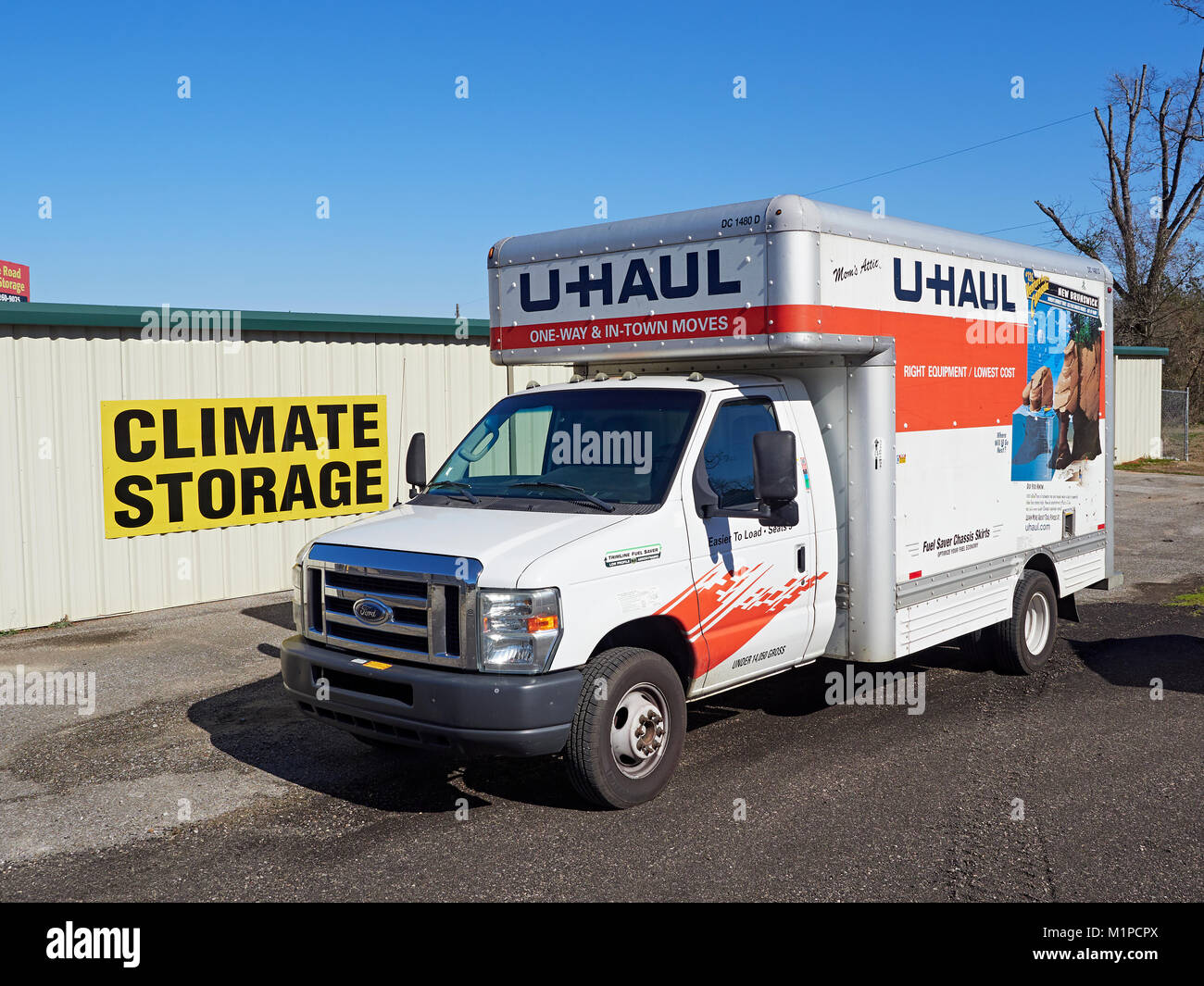
10-Foot Truck: Suitable for studio apartments or small one-bedroom moves.
- Typical Daily Rate: \$19.95 (plus mileage)
- Can typically hold a mattress, sofa, and several boxes.
- Easy to load with a low deck.
-
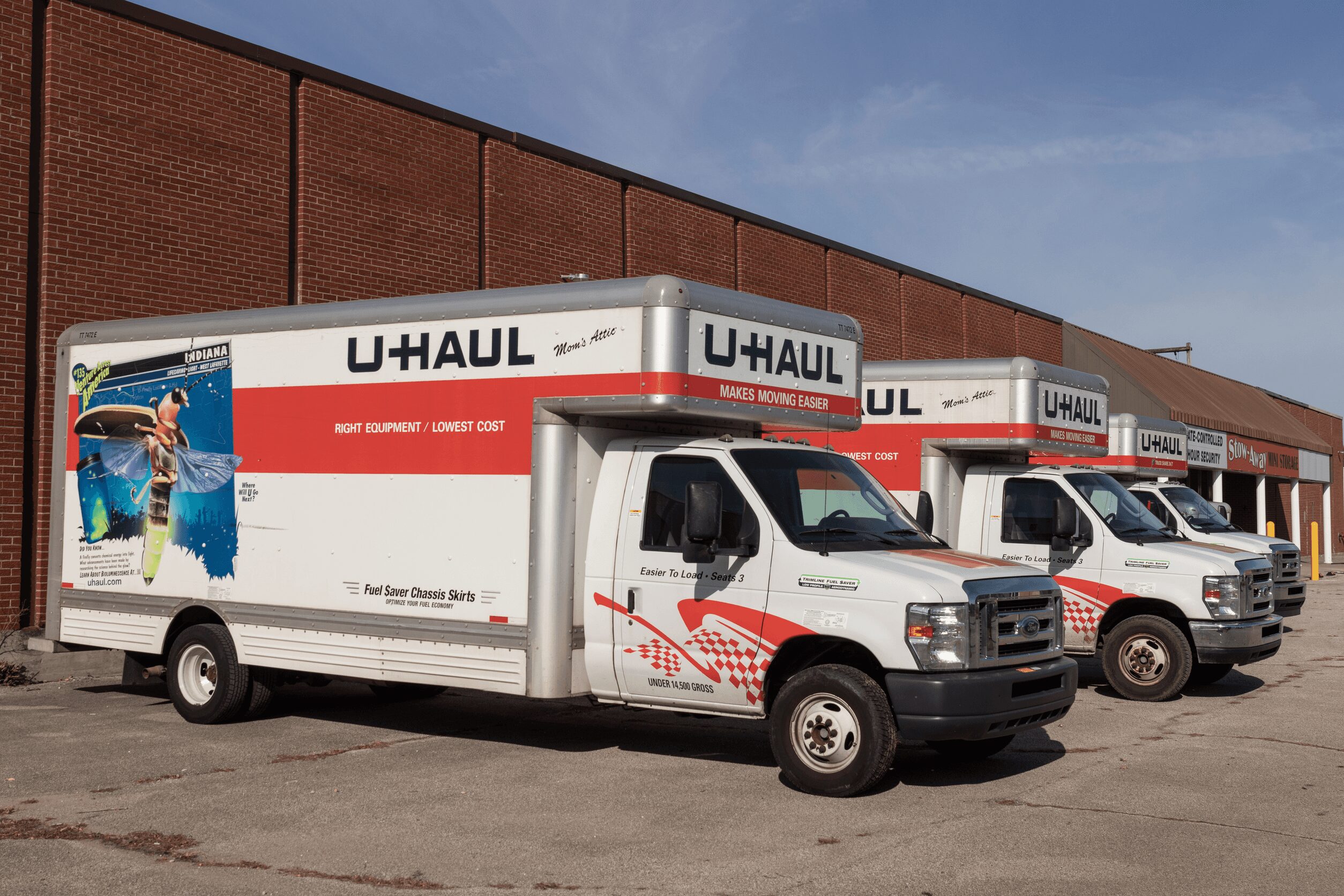
15-Foot Truck: A popular choice for one- to two-bedroom apartments.
- Typical Daily Rate: \$29.95 (plus mileage)
- Offers ample space for furniture and belongings.
- Suitable for local or long-distance moves.
-
20-Foot Truck: Designed for larger moves, such as a two- to three-bedroom house.
- Typical Daily Rate: \$39.95 (plus mileage)
- Can accommodate a significant amount of furniture and boxes.
- May require more driving experience.
-
26-Foot Truck: The largest truck in U-Haul's fleet, suitable for moving a three- to four-bedroom house.
- Typical Daily Rate: \$39.95 (plus mileage)
- Offers maximum cargo space.
- Best for long-distance moves with a lot of belongings.

Factors Affecting U-Haul's Daily Rental Price
While the base daily rental rate provides a starting point, several factors can influence the final cost. Understanding these factors will help you budget accurately and potentially save money.
-
Mileage: U-Haul charges a per-mile fee, which varies depending on the location and truck size.
- Mileage rates can range from \$0.79 to \$1.29 per mile or more.
- Calculate your estimated mileage to get an idea of the total cost.
- Consider shorter routes and avoiding toll roads to minimize mileage charges.
-
Rental Duration: While we're focusing on daily rates, the length of your rental can impact the overall price.
- Extending your rental beyond the initial agreement will incur additional charges.
- Plan your move carefully to avoid needing extra time.
- Some locations may offer discounts for longer rental periods.
-
Location: Rental rates can vary depending on the location of the U-Haul dealer.
- Prices may be higher in densely populated areas or during peak moving seasons.
- Compare rates at different U-Haul locations to find the best deal.
- Consider picking up your truck from a less busy location.
-
Time of Year: Moving during peak season (summer, end of the month) typically results in higher rates.
- Demand is higher during these times, so U-Haul increases prices accordingly.
- If possible, move during the off-season (fall, winter) to save money.
- Weekdays are generally cheaper than weekends.
-
Insurance: U-Haul offers various insurance options to protect against damage or loss.
- Adding insurance will increase the total rental cost.
- Consider your existing insurance coverage before purchasing additional coverage.
- Evaluate the risks and benefits of each insurance option.
-
Additional Equipment: Renting dollies, furniture pads, or other equipment will add to the cost.
- These items can be helpful for protecting your belongings and making the move easier.
- Assess whether you need these items or if you can borrow or rent them elsewhere.
- U-Haul also sells moving boxes and packing supplies.
Pro Tips for Saving Money on U-Haul Truck Rentals
Moving can be expensive, but there are several strategies you can use to save money on your U-Haul truck rental. Here are some pro tips based on my experience and common industry practices:
-
Book in Advance: Booking your U-Haul truck well in advance, especially during peak season, can help you secure a better rate.
- U-Haul's prices tend to increase as the moving date approaches.
- Aim to book your truck at least a few weeks in advance.
- Early booking also ensures that the truck size you need is available.
-
Compare Prices: Don't settle for the first quote you receive. Compare prices at different U-Haul locations and with other moving truck rental companies.
- Use U-Haul's website to get quotes from multiple locations.
- Check prices from other rental companies like Penske or Budget Truck Rental.
- Consider the total cost, including mileage, insurance, and other fees.
-
Be Flexible with Dates: If possible, be flexible with your moving dates. Moving during the off-season or on weekdays can significantly reduce rental costs.
- Avoid moving on weekends or at the end of the month.
- Consider moving in the middle of the week to take advantage of lower rates.
- Flexibility can save you hundreds of dollars.
-
Decline Unnecessary Add-Ons: Carefully evaluate whether you need all the add-ons U-Haul offers.
- You may already have adequate insurance coverage.
- Consider borrowing or renting moving equipment from other sources.
- Only pay for what you truly need.
-
Pack Efficiently: Proper packing can help you fit more belongings into a smaller truck, potentially saving you money on rental costs.
- Use sturdy boxes and pack them tightly.
- Disassemble furniture to save space.
- Utilize all available space in the truck.
-
Return the Truck on Time: Returning the truck late will result in additional charges.
- Plan your move carefully to ensure you can return the truck on time.
- Factor in potential delays, such as traffic or unexpected problems.
- If you need more time, contact U-Haul as soon as possible to see if you can extend the rental.
-
Clean the Truck: U-Haul may charge a cleaning fee if the truck is returned dirty.
- Sweep out the truck and remove any trash before returning it.
- Wipe down the interior if necessary.
- A little effort can save you money.
-
Fill Up the Gas Tank: U-Haul requires you to return the truck with the same amount of gas as when you picked it up.
- Fill up the gas tank before returning the truck to avoid refueling charges.
- Take a picture of the gas gauge when you pick up the truck.
- Keep your refueling receipt for your records.
Understanding U-Haul's Mileage Policy
U-Haul's mileage policy is a critical aspect of the rental agreement. It's essential to understand how mileage charges are calculated and how to minimize them.
-
Per-Mile Fee: U-Haul charges a per-mile fee in addition to the daily rental rate.
- The per-mile fee varies depending on the truck size and location.
- Mileage rates can range from \$0.79 to \$1.29 per mile or more.
-
Calculating Mileage: Use online mapping tools to estimate the distance of your move.
- Factor in any additional trips you may need to make.
- Add a buffer for unexpected detours or changes in plans.
-
Minimizing Mileage: Plan your route carefully to minimize mileage.
- Choose the most direct route.
- Avoid toll roads, which can add to the mileage.
- Consolidate trips to reduce the overall distance.
Insurance Options with U-Haul
U-Haul offers several insurance options to protect you and your belongings during the move. It's important to understand these options and choose the coverage that best suits your needs.
-
Safemove: Provides coverage for accidental damage to the U-Haul truck, cargo protection, and medical/life coverage.
- Covers damage to the truck, even if you're at fault.
- Protects your belongings from damage or loss due to accidents.
- Provides medical and life coverage in case of injury or death.
-
Safetow: Specifically designed for customers towing a trailer or vehicle behind the U-Haul truck.
- Covers damage to the towed vehicle or trailer.
- Provides liability coverage for accidents involving the towed vehicle or trailer.
-
Safestor: Protects your belongings while they are in storage at a U-Haul facility.
- Covers damage or loss due to theft, fire, or water damage.
-
Consider Your Existing Coverage: Before purchasing additional insurance from U-Haul, check your existing auto insurance and homeowner's or renter's insurance policies.
- You may already have adequate coverage for certain types of damage or loss.
- Contact your insurance provider to confirm your coverage.
Common Mistakes to Avoid When Renting a U-Haul Truck
Based on my experience and observations, here are some common mistakes to avoid when renting a U-Haul truck:
-
Underestimating Truck Size: Renting a truck that is too small can result in multiple trips, increasing mileage and time.
- Accurately assess the amount of belongings you need to move.
- It's better to rent a slightly larger truck than one that is too small.
-
Not Reading the Rental Agreement: Failing to read the rental agreement can lead to unexpected charges and misunderstandings.
- Carefully review the rental agreement before signing it.
- Pay attention to the mileage policy, insurance coverage, and return requirements.
-
Ignoring Weight Limits: Overloading the truck can damage the vehicle and create a safety hazard.
- Be aware of the truck's weight limits.
- Distribute the weight evenly throughout the truck.
-
Failing to Secure Belongings: Not properly securing your belongings can result in damage during transit.
- Use tie-down straps to secure furniture and boxes.
- Wrap fragile items in protective materials.
-
Not Inspecting the Truck: Failing to inspect the truck before driving off can lead to being charged for pre-existing damage.
- Thoroughly inspect the truck for any dents, scratches, or other damage.
- Document any pre-existing damage with photos or videos.
Alternative Moving Options to Consider
While U-Haul is a popular choice, it's worth considering alternative moving options to see if they better suit your needs and budget.
-
Penske Truck Rental: A competitor to U-Haul, offering similar truck sizes and rental options.
- Penske is often considered to have newer trucks and more reliable service.
- Compare prices and availability with U-Haul.
-
Budget Truck Rental: Another competitor offering a range of truck sizes at competitive prices.
- Budget Truck Rental may be a good option for budget-conscious movers.
-
Moving Container Companies (e.g., PODS, U-Pack): These companies deliver a container to your home, which you load at your own pace. The company then transports the container to your new location.
- A good option for those who prefer a more flexible timeline.
- Can be more expensive than renting a truck, but offers convenience.
-
Full-Service Moving Companies: These companies handle all aspects of the move, from packing to transportation.
- The most expensive option, but also the most convenient.
- Ideal for those who don't want to lift a finger.
Conclusion:
Renting a U-Haul truck per day can be a cost-effective way to move, but it's essential to understand the factors that influence the price and how to save money. By carefully planning your move, booking in advance, comparing prices, and avoiding common mistakes, you can ensure a smooth and affordable moving experience. Remember to consider your specific needs and budget when choosing the right truck size and insurance options. By following the tips and advice in this guide, you'll be well-equipped to navigate the U-Haul rental process with confidence.
Moving can be stressful, but with proper planning and preparation, it can be a manageable and even positive experience. Take the time to research your options, compare prices, and make informed decisions to ensure a successful move.
Internal Link: [If I had another blog post on moving tips, I'd link it here. For example: "Check out our comprehensive guide on packing tips for moving to ensure your belongings arrive safely." ]
External Link: [Link to a reputable moving industry resource, such as the American Moving & Storage Association: https://www.moving.org/ ]