Mastering U-Haul Day Rentals: A Comprehensive Guide to Cost, Sizes, and Pro Tips
Introduction: Your Ultimate Guide to U-Haul Day Rentals
Uhaul Day Rentals
Planning a move, tackling a home renovation, or needing to haul bulky items? U-Haul day rentals offer a convenient and affordable solution. Understanding the ins and outs of U-Haul's day rental options, from truck sizes and pricing to hidden fees and pro tips, can save you time, money, and unnecessary stress. This comprehensive guide will equip you with everything you need to know to master U-Haul day rentals and ensure a smooth, efficient experience.
We'll cover everything from selecting the right truck size and understanding the rental agreement to insider tips for packing and loading efficiently. Based on my experience helping countless individuals and families with their moving needs, I've compiled this guide to address the most common questions and concerns about U-Haul day rentals. Let's dive in!
Section 1: Understanding U-Haul Day Rental Basics
U-Haul is synonymous with moving, and their day rental service is a cornerstone of their business. It allows customers to rent trucks, vans, and trailers for a 24-hour period, providing flexibility for local moves and hauling projects.
-
The 24-Hour Rental Period: This is the standard duration for a day rental. The clock starts ticking when you pick up the vehicle and ends exactly 24 hours later. Returning the vehicle late can result in extra charges, so plan accordingly.
-
Mileage Allowance: Most U-Haul day rentals include a set mileage allowance. This allowance varies depending on the location and the size of the vehicle. Exceeding the allowed mileage will incur an additional per-mile fee. Always clarify the mileage allowance before finalizing your rental.
-
Local vs. One-Way Rentals: Day rentals are typically intended for local moves, where you pick up and return the vehicle to the same location. One-way rentals, where you drop off the vehicle at a different location, usually have different pricing structures and may not be available for all vehicle types.
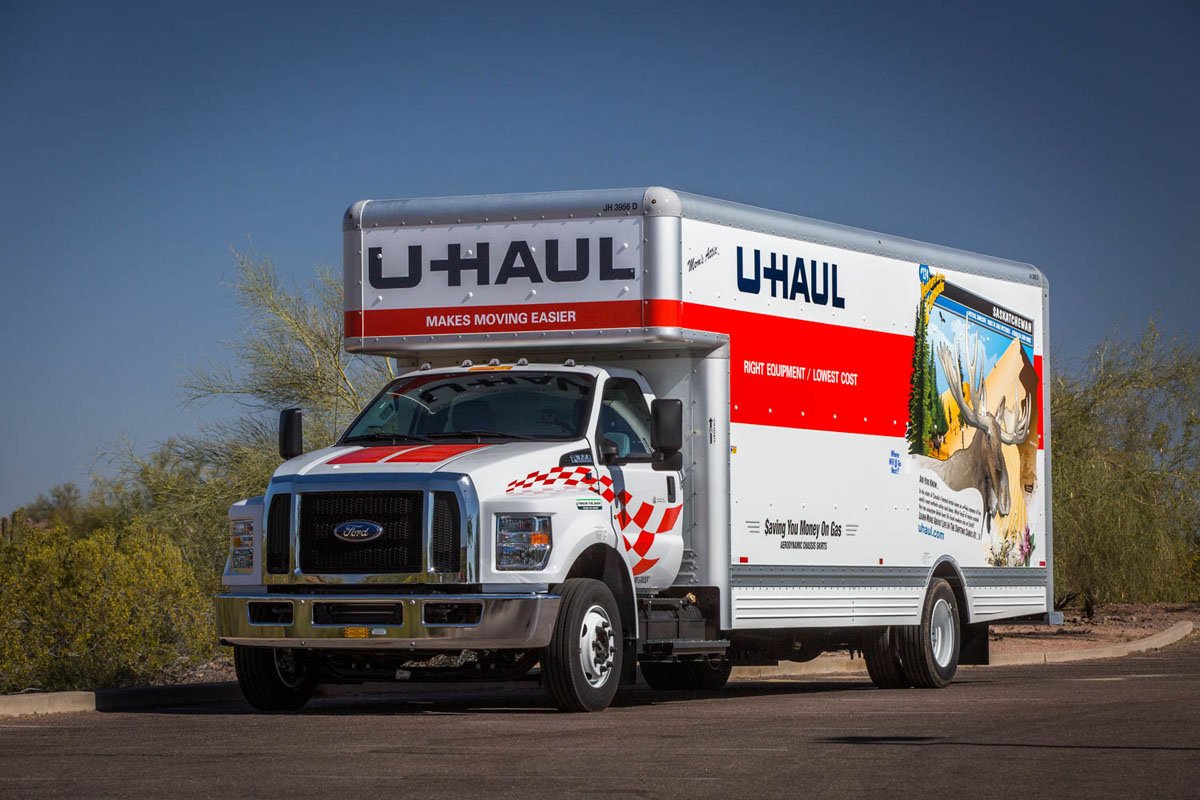
Section 2: Choosing the Right U-Haul Truck Size for Your Needs
Selecting the appropriate truck size is crucial for a successful and cost-effective move. Renting a truck that's too small will require multiple trips, wasting time and fuel. Renting a truck that's too large means paying for unused space and potentially struggling with maneuverability.
-
Cargo Van: Ideal for small loads, such as moving items from a dorm room or transporting a few pieces of furniture. Cargo vans are easy to drive and park, making them suitable for urban environments.
-
10-Foot Truck: A good choice for studio apartments or small one-bedroom apartments. It can typically accommodate a mattress, a sofa, and several boxes.
-
15-Foot Truck: Suitable for one- to two-bedroom apartments. It offers more space than the 10-foot truck, allowing you to move larger furniture items and more boxes in a single trip.
-
20-Foot Truck: Designed for two- to three-bedroom homes. This size truck can handle the contents of a moderately furnished house, including appliances.
-
26-Foot Truck: The largest U-Haul truck, suitable for three-bedroom homes or larger. It provides ample space for furniture, appliances, and numerous boxes.
Pro Tips from Us: When in doubt, it's generally better to rent a slightly larger truck than you think you need. It's always easier to have extra space than to run out of room and have to make another trip. Consider the weight of your items as well. Heavy items like books and appliances can quickly add up, exceeding the truck's weight capacity.
Section 3: U-Haul Day Rental Costs: Breaking Down the Pricing
Understanding the cost structure of U-Haul day rentals is essential for budgeting and avoiding surprises. The total cost typically includes a base rental fee, mileage charges, insurance options, and potential additional fees.
-
Base Rental Fee: This is the flat rate for renting the truck for 24 hours. The base fee varies depending on the truck size and location. Expect to pay more during peak moving seasons, such as the end of the month and summer months.
-
Mileage Charges: As mentioned earlier, most rentals include a set mileage allowance. If you exceed this allowance, you'll be charged a per-mile fee. This fee can range from $0.40 to $1.00 per mile, depending on the truck size and location.
-
Insurance Options: U-Haul offers several insurance options, including damage waivers and cargo protection. While these options are not mandatory, they can provide peace of mind in case of an accident or damage to your belongings.
-
Additional Fees: Be aware of potential additional fees, such as late return fees, cleaning fees, and fuel charges. Returning the truck with less fuel than when you picked it up will result in a refueling charge.
Example:
Let's say you rent a 15-foot truck for a day. The base rental fee is $39.95. You drive 50 miles, and the mileage allowance is 30 miles with a $0.79 per mile charge. You also opt for Safemove insurance.
- Base Rental Fee: $39.95
- Mileage Charge: (50 miles - 30 miles) * $0.79/mile = $15.80
- SafeMove Insurance: Varies depending on truck size and location (Estimate $20)
- Total Estimated Cost: $39.95 + $15.80 + $20 = $75.75
Section 4: Hidden Fees and How to Avoid Them
Hidden fees can significantly increase the cost of your U-Haul rental. Knowing what to look for and taking preventative measures can help you avoid these unexpected charges.
-
Late Return Fees: Returning the truck even a few minutes late can result in a late fee. Plan your move carefully and allow ample time for unexpected delays.
-
Cleaning Fees: Returning the truck in an excessively dirty condition can incur a cleaning fee. Sweep out the truck bed and cab before returning it.
-
Fuel Charges: U-Haul expects you to return the truck with the same amount of fuel as when you picked it up. Refueling the truck yourself is almost always cheaper than paying U-Haul's refueling charge.
-
Damage Fees: Thoroughly inspect the truck for any existing damage before accepting it. Document any scratches, dents, or other imperfections on the rental agreement. This will prevent you from being charged for pre-existing damage.
-
Environmental Fees: Some locations may charge a small environmental fee to cover the cost of vehicle maintenance and disposal.
Common mistakes to avoid are: Not reading the rental agreement carefully, failing to inspect the truck for damage, and underestimating the amount of time needed for your move.
Section 5: Step-by-Step Guide to Renting a U-Haul for a Day
Renting a U-Haul is a straightforward process, but following these steps will ensure a smooth and hassle-free experience.
-
Reserve Your Truck: You can reserve a U-Haul truck online, by phone, or in person. Reserving in advance, especially during peak season, is highly recommended.
-
Choose Your Location and Truck Size: Select the U-Haul location that's most convenient for you and choose the appropriate truck size based on your needs.
-
Provide Your Information: You'll need to provide your driver's license, contact information, and payment details.
-
Review the Rental Agreement: Carefully read the rental agreement before signing it. Pay attention to the rental terms, mileage allowance, insurance options, and potential fees.
-
Inspect the Truck: Thoroughly inspect the truck for any existing damage. Document any scratches, dents, or other imperfections on the rental agreement.
-
Pick Up Your Truck: Arrive at the U-Haul location at your scheduled pick-up time. Bring your driver's license and a copy of your reservation confirmation.
-
Return the Truck: Return the truck to the designated U-Haul location on time and with the same amount of fuel as when you picked it up. Clean the truck bed and cab before returning it.
Section 6: Packing and Loading Tips for a Smooth Move
Efficient packing and loading are essential for a successful U-Haul day rental. These tips will help you maximize space, protect your belongings, and make the moving process easier.
-
Gather Packing Supplies: Stock up on boxes, packing tape, bubble wrap, packing paper, and moving blankets.
-
Declutter Before Packing: Get rid of items you no longer need or use. This will reduce the amount of stuff you have to pack and move.
-
Pack Room by Room: Focus on packing one room at a time. This will help you stay organized and avoid mixing items from different rooms.
-
Label Boxes Clearly: Label each box with its contents and the room it belongs to. This will make unpacking much easier.
-
Disassemble Furniture: Disassemble furniture whenever possible to save space and make it easier to move. Keep all the hardware in a labeled bag.
-
Load Strategically: Load heavier items at the front of the truck and lighter items at the back. Secure items with tie-down straps to prevent them from shifting during transit.
Section 7: Safety Tips for Driving a U-Haul Truck
Driving a U-Haul truck requires extra caution and awareness. These safety tips will help you stay safe on the road.
-
Adjust to the Truck's Size: U-Haul trucks are larger and heavier than passenger vehicles. Adjust your driving habits accordingly. Allow extra time for braking and turning.
-
Check Your Mirrors Frequently: U-Haul trucks have limited visibility. Check your mirrors frequently to be aware of your surroundings.
-
Drive Slowly and Carefully: Avoid speeding and making sudden maneuvers. Drive at a safe speed, especially in inclement weather.
-
Be Aware of Your Clearance: Pay attention to the height and width of the truck. Be careful when driving under bridges and overpasses.
-
Take Breaks: Driving a U-Haul truck can be tiring. Take frequent breaks to rest and stretch.
Section 8: Alternatives to U-Haul Day Rentals
While U-Haul is a popular choice, there are alternative options for day rentals.
-
Other Rental Companies: Penske and Budget Truck Rental are other major rental companies that offer similar services. Compare prices and availability to find the best deal.
-
Local Moving Companies: If you prefer to avoid driving yourself, consider hiring a local moving company. They can handle all aspects of your move, from packing to loading to transportation.
-
Peer-to-Peer Truck Rentals: Services like Turo are expanding into truck rentals. This can be a great option for finding unique vehicles or potentially better deals, but research the insurance and reliability of the service carefully.
Section 9: Real-Life Examples and Case Studies
To further illustrate the benefits and potential pitfalls of U-Haul day rentals, let's examine a few real-life examples:
-
Case Study 1: The Budget-Conscious Mover: A college student moving out of their dorm rented a cargo van for a day. By packing efficiently and utilizing the free mileage allowance, they completed the move without exceeding their budget.
-
Case Study 2: The Home Renovator: A homeowner rented a 10-foot truck to haul materials for a DIY renovation project. They carefully planned their trips to avoid exceeding the mileage allowance and saved money compared to hiring a contractor.
-
Case Study 3: The Overestimated Mover: A family rented a 26-foot truck for a two-bedroom apartment move, thinking they needed the extra space. They ended up with a mostly empty truck and paid for unused space.
Conclusion: Mastering Your U-Haul Day Rental Experience
U-Haul day rentals can be a convenient and affordable solution for local moves and hauling projects. By understanding the rental basics, choosing the right truck size, budgeting for costs, avoiding hidden fees, and following packing and safety tips, you can master your U-Haul day rental experience and ensure a smooth and successful move. Remember to always read the rental agreement carefully, inspect the truck thoroughly, and plan your move strategically. With careful planning and attention to detail, you can save time, money, and stress.
I hope this comprehensive guide has provided you with the knowledge and confidence you need to tackle your next U-Haul day rental. Happy moving!
Internal Links: (Link to another relevant article on your blog, if available - e.g., "Ultimate Guide to Packing for a Move")
External Link: https://www.uhaul.com/ (Official U-Haul website)