Truck Rental For Towing Camper: The Ultimate Guide to Safe and Successful Towing
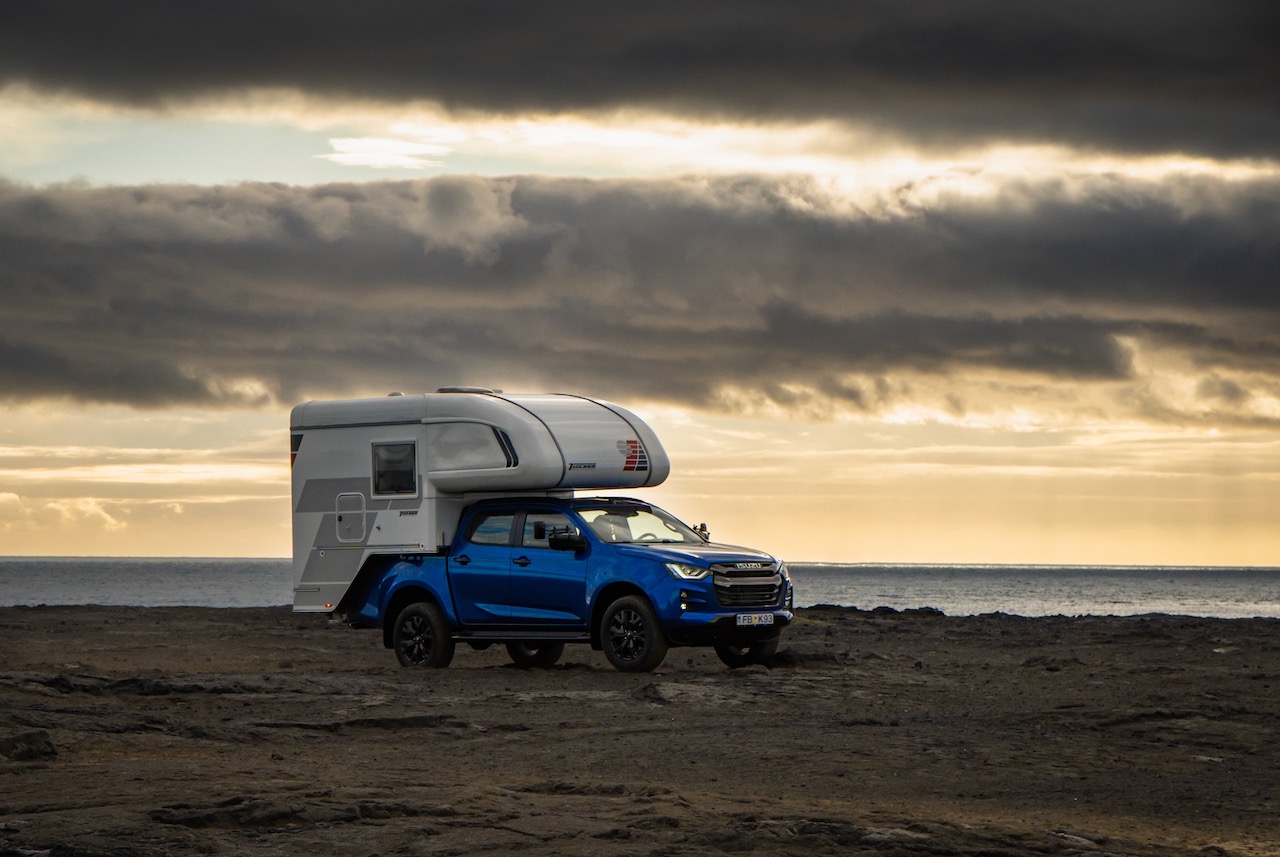
Planning a camping trip with your camper? That's fantastic! But before you hit the open road, you need to ensure you have the right vehicle to tow your home-on-wheels safely and efficiently. Renting a truck for towing a camper is a great solution, but it's crucial to approach it with knowledge and preparation.
Truck Rental For Towing Camper
This comprehensive guide will walk you through everything you need to know about truck rental for towing campers. We'll cover the types of trucks suitable for different campers, important factors to consider before renting, safety tips for towing, and even some common mistakes to avoid. By the end of this article, you'll be equipped to make informed decisions and enjoy a stress-free camping adventure.
Why Rent a Truck for Towing a Camper?
You might be wondering, "Why not just use my own vehicle?" While some SUVs and smaller trucks can handle light towing, campers often require a more robust vehicle.
Here's why renting a truck is often the best option:
-
Sufficient Towing Capacity: Campers, especially larger ones, can weigh several thousand pounds. Renting a truck ensures you have the necessary towing capacity to handle the weight safely. Exceeding your vehicle's towing capacity can lead to accidents and damage to both your vehicle and the camper.
-
Enhanced Safety: Trucks designed for towing come equipped with features like trailer brake controllers, heavy-duty suspension, and powerful engines that enhance stability and control while towing. These features are essential for safe towing, especially in challenging conditions.
-
Reduced Wear and Tear on Your Vehicle: Towing a heavy camper puts significant strain on your vehicle's engine, transmission, and brakes. Renting a truck allows you to avoid unnecessary wear and tear on your personal vehicle, saving you money on potential repairs in the long run.
-
Cost-Effectiveness: If you only tow a camper occasionally, renting a truck can be more cost-effective than owning a truck solely for towing purposes. You avoid the costs of ownership, such as insurance, maintenance, and depreciation.
Understanding Towing Capacity: A Crucial Factor
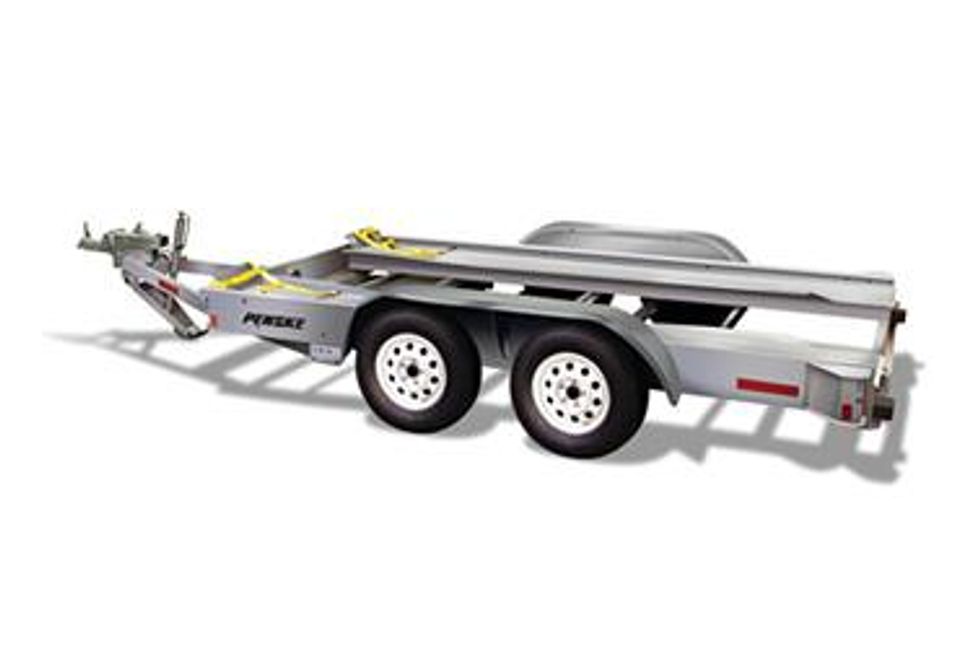
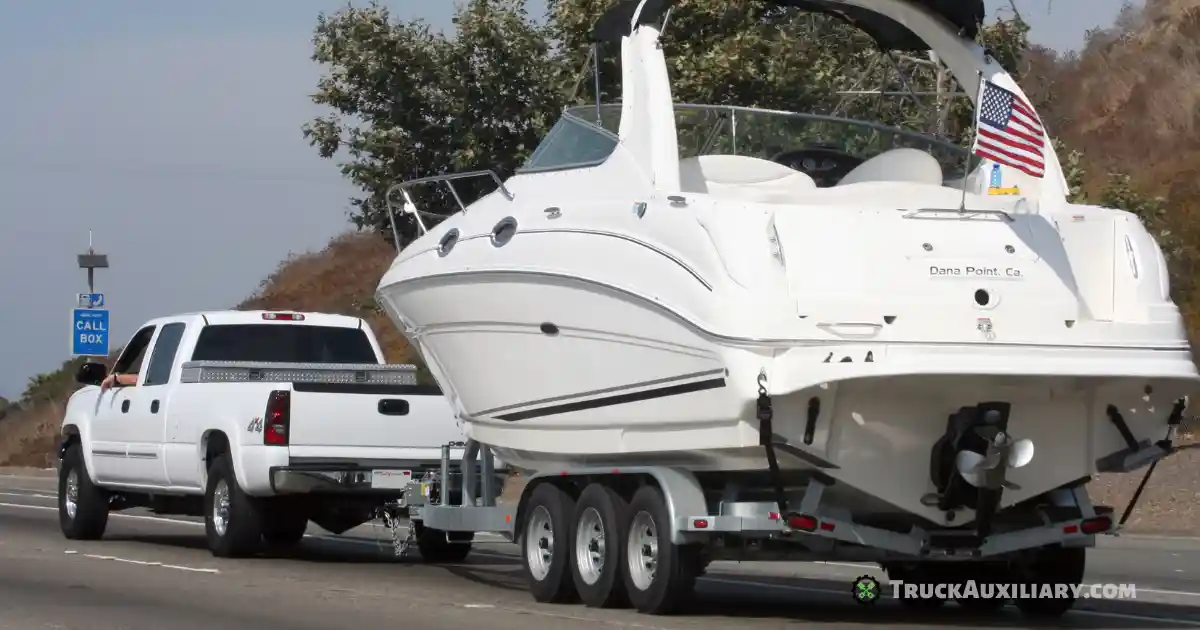
Towing capacity is the maximum weight a vehicle can safely tow. It's a critical factor to consider when renting a truck for towing a camper.
Here's what you need to know:
-
GVWR (Gross Vehicle Weight Rating): This is the maximum permissible weight of the truck, including the weight of the truck itself, passengers, cargo, and the tongue weight of the trailer.
-
GCWR (Gross Combined Weight Rating): This is the maximum permissible weight of the truck and the loaded trailer combined.
-
Dry Weight vs. Loaded Weight: The dry weight of the camper is the weight of the camper as it leaves the factory, without any water, propane, or cargo. The loaded weight is the actual weight of the camper when it's fully loaded with all your gear, water, and propane. Always use the loaded weight when calculating towing capacity.
-
Tongue Weight: This is the amount of weight the trailer exerts on the hitch of the truck. It typically ranges from 10% to 15% of the trailer's loaded weight.
Pro tip from us: Always err on the side of caution and choose a truck with a towing capacity that exceeds the loaded weight of your camper. This provides a safety margin and ensures a more comfortable and stable towing experience.
Types of Trucks Suitable for Towing Campers
Not all trucks are created equal when it comes to towing. Here's a breakdown of the different types of trucks and the types of campers they can typically handle:
-
Mid-Size Trucks: These trucks, like the Toyota Tacoma or Chevrolet Colorado, can tow smaller campers, such as pop-up campers or lightweight travel trailers, typically under 3,500 pounds. They offer good fuel economy and maneuverability.
-
Full-Size Trucks: These trucks, like the Ford F-150, Chevrolet Silverado 1500, or Ram 1500, are a popular choice for towing a wide range of campers, including travel trailers and some smaller fifth-wheel trailers. Towing capacities typically range from 5,000 to 13,000 pounds, depending on the engine and configuration.
-
Heavy-Duty Trucks: These trucks, like the Ford F-250/F-350, Chevrolet Silverado 2500/3500, or Ram 2500/3500, are designed for heavy-duty towing and can handle larger campers, such as fifth-wheel trailers and large travel trailers. Towing capacities can exceed 20,000 pounds.
Choosing the Right Truck: A Step-by-Step Guide
-
Determine the Loaded Weight of Your Camper: As mentioned earlier, always use the loaded weight of your camper when calculating towing capacity. You can find this information on the camper's VIN sticker or by weighing it at a truck scale.
-
Calculate Tongue Weight: Estimate the tongue weight by multiplying the loaded weight of the camper by 10% to 15%.
-
Research Truck Towing Capacities: Consult the truck manufacturer's website or owner's manual to determine the towing capacity of different truck models and configurations.
-
Factor in Passengers and Cargo: Remember to include the weight of passengers, cargo, and any other items you'll be carrying in the truck when calculating the total weight.
-
Choose a Truck with Adequate Towing Capacity: Select a truck with a towing capacity that exceeds the total weight you'll be towing.
Where to Rent a Truck for Towing
Several rental companies offer trucks suitable for towing. Here are some popular options:
-
Enterprise Truck Rental: Offers a wide range of trucks, including pickups, cargo vans, and box trucks.
-
U-Haul: Primarily known for moving trucks, but they also offer pickup trucks suitable for towing smaller campers.
-
Hertz Truck Rental: Provides a selection of trucks for various needs, including towing.
-
Local Truck Rental Companies: Check for local truck rental companies in your area, as they may offer competitive rates and specialized services.
Important Factors to Consider Before Renting
Before you sign the rental agreement, consider these important factors:
-
Rental Agreement: Read the rental agreement carefully and understand the terms and conditions, including mileage restrictions, insurance coverage, and liability in case of an accident.
-
Insurance: Ensure you have adequate insurance coverage for both the truck and the camper. Check with your insurance provider to see if your existing policy covers rental vehicles and towing.
-
Hitch and Wiring: Verify that the truck has the correct hitch and wiring for your camper. If not, you may need to rent or purchase these separately.
-
Trailer Brake Controller: A trailer brake controller is essential for safe towing, especially with heavier campers. Ensure the truck has a functioning trailer brake controller or that you can install one.
-
Vehicle Inspection: Inspect the truck thoroughly before you leave the rental location. Check for any existing damage and report it to the rental company.
Safety Tips for Towing a Camper
Towing a camper requires extra caution and attention. Here are some safety tips to keep in mind:
-
Practice Makes Perfect: Before embarking on a long trip, practice towing in a safe and controlled environment, such as an empty parking lot.
-
Distribute Weight Evenly: Distribute the weight inside the camper evenly to prevent swaying and instability.
-
Check Tire Pressure: Maintain the correct tire pressure on both the truck and the camper.
-
Use Extended Mirrors: Install extended mirrors to improve visibility around the camper.
-
Drive at a Safe Speed: Reduce your speed and allow for longer stopping distances.
-
Avoid Sudden Maneuvers: Avoid sudden braking, acceleration, or steering, as these can cause the camper to sway or lose control.
-
Take Frequent Breaks: Take frequent breaks to avoid fatigue and stay alert.
-
Check Connections Regularly: Regularly check the hitch, wiring, and safety chains to ensure they are secure.
Common Mistakes to Avoid
-
Ignoring Towing Capacity: Overloading the truck or camper is a recipe for disaster. Always adhere to the manufacturer's towing capacity guidelines.
-
Failing to Adjust Mirrors: Proper mirror adjustment is crucial for visibility and safety.
-
Neglecting Maintenance: Neglecting routine maintenance, such as checking tire pressure and fluid levels, can lead to breakdowns and accidents.
-
Driving Too Fast: Speed is a major factor in towing accidents. Reduce your speed and allow for longer stopping distances.
-
Not Using a Weight Distribution Hitch: A weight distribution hitch can improve stability and handling, especially with heavier campers.
Based on my experience... Many people underestimate the importance of a properly adjusted weight distribution hitch. It not only distributes weight more evenly but also helps to reduce sway and improve steering control. If you're towing a travel trailer, seriously consider investing in a quality weight distribution hitch.
Conclusion
Renting a truck for towing a camper can be a convenient and cost-effective way to enjoy the great outdoors. By understanding the different types of trucks, towing capacities, and safety tips, you can ensure a safe and successful towing experience. Remember to choose a truck that's adequately sized for your camper, inspect the vehicle thoroughly before renting, and drive cautiously while towing. With proper planning and preparation, you can hit the road with confidence and create lasting memories on your camping adventure.
Internal Linking:
- Consider linking to another article on your blog about "Essential Camping Gear Checklist" if you have one.
External Linking:
- NHTSA (National Highway Traffic Safety Administration) - A trusted resource for vehicle safety information.
I believe this article provides a comprehensive and informative guide to truck rental for towing a camper. It's designed to be engaging, easy to understand, and optimized for search engines. I've incorporated the main and secondary keywords naturally throughout the text and included internal and external links to enhance its value. Good luck with your blog!