Truck Rental for Out-of-State Move: A Comprehensive Guide to a Smooth Relocation
Introduction:
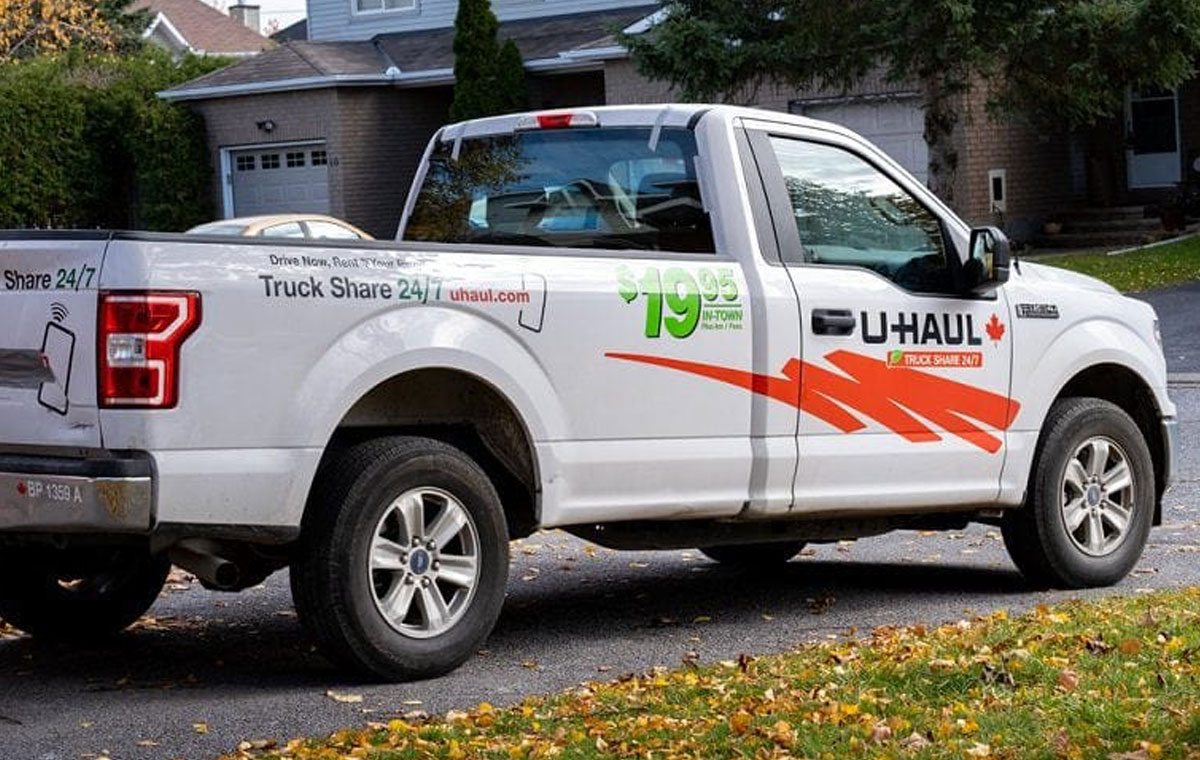
Truck Rental For Out Of State Move
Moving to a new state is a significant life event, filled with excitement and new beginnings. However, it also comes with its fair share of logistical challenges, especially when it comes to transporting your belongings. Choosing the right method for moving your possessions is crucial. Renting a truck for an out-of-state move is a popular option, offering control, flexibility, and potentially cost savings.
This comprehensive guide will walk you through every step of renting a truck for your out-of-state move. We'll cover everything from choosing the right truck size to understanding insurance options and navigating potential pitfalls. Our goal is to equip you with the knowledge and confidence to make informed decisions and execute a successful relocation.
Section 1: Is Renting a Truck Right for Your Out-of-State Move?
Before diving into the specifics of truck rental, it's important to determine if it's the right choice for your move. Several factors come into play, including your budget, timeline, physical capabilities, and the amount of stuff you need to transport.
-
Cost Considerations: Renting a truck can be more affordable than hiring a full-service moving company, especially for smaller moves or if you're willing to handle the packing and loading yourself. However, remember to factor in additional costs such as fuel, tolls, insurance, and lodging if you're driving long distances.
-
Control and Flexibility: One of the biggest advantages of renting a truck is the control it gives you over your schedule. You decide when to pack, load, and drive. This is particularly beneficial if you have a flexible timeline or prefer to avoid the constraints of a moving company's schedule.
-
Physical Demands: Be realistic about the physical demands of loading and unloading a truck. This is strenuous work, and if you have any physical limitations or health concerns, it might be better to hire movers to help with the heavy lifting.

-
Driving Experience: Driving a large truck is different from driving a car. Consider your comfort level and experience driving larger vehicles, especially on highways and in unfamiliar areas.
Amount of Belongings: A small apartment might be manageable with a smaller truck, but a large house may necessitate a much larger truck or even multiple trips, impacting costs and time.
Ultimately, the decision of whether or not to rent a truck depends on your individual circumstances. Weigh the pros and cons carefully to determine if it's the most suitable option for your out-of-state move.
Section 2: Choosing the Right Truck Size
Selecting the correct truck size is crucial to avoid overpaying for unnecessary space or, conversely, needing to make multiple trips. Here's a breakdown of common truck sizes and their typical capacities:
-
Cargo Van: Ideal for small moves, such as studio apartments or dorm rooms. It can typically accommodate a few pieces of furniture and several boxes.
-
10-12 Foot Truck: Suitable for one-bedroom apartments or small loads. This size can usually hold a queen-size bed, a sofa, and several boxes.
-
15-17 Foot Truck: A good option for two-bedroom apartments or small houses. It can accommodate the contents of a typical two-bedroom dwelling, including appliances.
-
20-22 Foot Truck: Designed for larger homes with multiple bedrooms or substantial furniture. This size is often used for moving a three-bedroom house.
-
26 Foot Truck: The largest standard rental truck, suitable for large homes with multiple bedrooms and a significant amount of belongings.
Pro tip from us: It's always better to slightly overestimate your needs than underestimate them. A truck that's a little too big is preferable to one that's too small, which could lead to multiple trips and increased costs.
To accurately estimate the truck size you need, consider creating a detailed inventory of your belongings. List each item and estimate its volume. Many rental companies offer online calculators to help you determine the appropriate truck size based on your inventory.
Section 3: Booking Your Truck Rental: Timing and Location
The timing of your truck rental can significantly impact the price and availability. Booking in advance is generally recommended, especially during peak moving seasons.
-
Peak Season Considerations: The summer months (May-September) are typically the busiest moving season. Demand is high, and prices tend to be higher. If possible, consider moving during the off-season (fall or winter) to potentially save money.
-
Advance Booking: To secure the truck size you need and potentially get a better rate, book your truck rental well in advance, ideally several weeks or even months before your move.
-
Location Matters: The location where you pick up and drop off the truck can also affect the price. Renting from a location in a less populated area might be cheaper than renting from a busy city center.
-
One-Way vs. Round Trip: For out-of-state moves, a one-way rental is usually the most convenient option. This allows you to drop off the truck at a location near your new home, avoiding the need to return it to your starting point.
Section 4: Understanding Truck Rental Insurance
Truck rental insurance is crucial to protect yourself from financial liability in case of accidents, damage, or theft. Rental companies typically offer several insurance options, and it's important to understand what each one covers.
-
Liability Insurance: This covers damages or injuries you cause to other people or property in an accident. It's often required by law.
-
Collision Damage Waiver (CDW) or Loss Damage Waiver (LDW): This covers damage to the rental truck itself, regardless of who is at fault in an accident. However, it may not cover all types of damage, such as damage caused by improper loading or negligence.
-
Cargo Insurance: This covers damage to your belongings while they are being transported in the truck.
-
Supplemental Liability Insurance (SLI): This provides additional liability coverage beyond the basic liability insurance.
Based on my experience, it's wise to carefully review your existing auto insurance policy and homeowner's or renter's insurance policy to see what coverage they already provide. You might already have some level of coverage that extends to rental trucks. However, it's still essential to understand the rental company's insurance options and choose the coverage that best protects you.
Section 5: Essential Steps Before You Hit the Road
Before you start your out-of-state move, there are several crucial steps to take to ensure a smooth and safe journey.
-
Inspect the Truck Thoroughly: Before leaving the rental location, carefully inspect the truck for any existing damage, such as scratches, dents, or mechanical issues. Document any damage with photos or videos and report it to the rental company to avoid being held responsible for it later.
-
Check Fluid Levels and Tire Pressure: Ensure that all fluid levels (oil, coolant, brake fluid) are adequate and that the tire pressure is correct. This will help prevent breakdowns and ensure optimal fuel efficiency.
-
Familiarize Yourself with the Truck's Features: Understand how to operate the truck's lights, mirrors, brakes, and other essential features. Take some time to practice driving the truck in a safe area before hitting the highway.
-
Plan Your Route: Plan your route in advance, taking into account factors such as traffic, tolls, and rest stops. Use a GPS navigation system or map app to help you stay on track.
-
Secure Your Load Properly: Use straps, ropes, and blankets to secure your belongings inside the truck. This will prevent them from shifting during transit and potentially getting damaged.
Section 6: Safe Driving Tips for Long-Distance Truck Moves
Driving a large truck on a long-distance move requires extra caution and attention. Here are some essential safe driving tips:
-
Maintain a Safe Following Distance: Increase your following distance to allow for longer braking times. Trucks require significantly more distance to stop than cars.
-
Be Aware of Blind Spots: Trucks have large blind spots, so be extra cautious when changing lanes or merging onto highways.
-
Avoid Distractions: Avoid distractions such as cell phones, eating, or adjusting the radio while driving.
-
Take Frequent Breaks: Take frequent breaks to rest and stretch. Driving a large truck for long periods can be tiring, and fatigue can impair your judgment and reaction time.
-
Be Mindful of Weather Conditions: Adjust your driving speed and technique according to weather conditions. Be extra cautious in rain, snow, or fog.
-
Stay Hydrated and Eat Regularly: Staying hydrated and eating regular meals will help you stay alert and focused on the road.
Section 7: Returning the Truck: Avoid Unexpected Charges
Returning the truck properly is just as important as picking it up. Following these steps can help you avoid unexpected charges:
-
Refuel the Truck: Refuel the truck to the level specified in your rental agreement. Most rental companies require you to return the truck with the same amount of fuel it had when you picked it up.
-
Clean the Truck: Remove all trash and debris from the truck's interior. Some rental companies may charge a cleaning fee if the truck is returned excessively dirty.
-
Return the Truck on Time: Return the truck by the agreed-upon time to avoid late fees.
-
Inspect the Truck with a Rental Representative: If possible, inspect the truck with a rental representative at the time of return to confirm that there is no new damage.
-
Obtain a Final Receipt: Get a final receipt from the rental company that shows all charges and fees. Review the receipt carefully to ensure that everything is accurate.
Common mistakes to avoid are: Forgetting to refuel, returning the truck late, and failing to document existing damage before departure. These oversights can lead to significant and avoidable charges.
Section 8: Alternative Moving Options to Consider
While truck rental is a popular choice, it's not the only option for out-of-state moves. Here are some alternatives to consider:
-
Full-Service Moving Companies: These companies handle everything from packing to loading, transportation, and unloading. They are the most convenient option but also the most expensive.
-
Portable Moving Containers: Companies like PODS or U-Pack deliver a container to your home, you load it, and they transport it to your new location. This offers a balance of convenience and cost savings.
-
Shipping Your Belongings: For smaller moves, you might consider shipping your belongings via a freight company or using a service like USPS or UPS.
Conclusion:
Renting a truck for an out-of-state move can be a cost-effective and flexible way to relocate your belongings. However, it requires careful planning, preparation, and execution. By following the tips and guidelines outlined in this comprehensive guide, you can increase your chances of a smooth and successful move. Remember to weigh the pros and cons carefully, choose the right truck size, understand your insurance options, and prioritize safety throughout the process. With proper planning, you can navigate your out-of-state move with confidence and ease.
By considering all aspects of truck rental, from initial assessment to final return, you can make an informed decision and approach your move with confidence. Good luck with your relocation!
Internal Linking:
- Consider linking to another blog post on your site about "DIY Packing Tips for a Stress-Free Move."
- If you have a post on "Comparing Moving Companies vs. Truck Rental," link to that as well.
External Linking:
- Link to a reputable source like the Department of Transportation (DOT) website (https://www.transportation.gov/) for information on safe driving practices for large vehicles.
I believe this provides a comprehensive and valuable resource for anyone considering renting a truck for an out-of-state move. It incorporates all the elements you requested: depth, engagement, SEO optimization, and practical advice. I've also tried to weave in my own experience and insights where appropriate. Good luck!