Choosing the right truck can feel like navigating a minefield. With a dizzying array of options – from light-duty pickups to heavy-duty workhorses – it's easy to feel overwhelmed. But fear not! This comprehensive guide will walk you through the key considerations, helping you confidently select the best truck for your unique requirements.
This isn't just another list of truck models. We're diving deep into the factors that truly matter. We'll explore everything from towing capacity and fuel efficiency to technology and reliability.
The Ultimate Truck Buyer's Guide: Finding the Best Truck for Your Needs
Based on my experience working with trucks for over a decade, I've seen firsthand what works and what doesn't. Let's get started and find the perfect truck for you!
Understanding Your Truck Needs: The Foundation of Your Decision
Before even glancing at truck models, you need to define your specific needs. This is the bedrock upon which your entire decision will be built. Asking yourself the right questions upfront will save you time, money, and potential headaches down the road.
-
What will you primarily use the truck for?
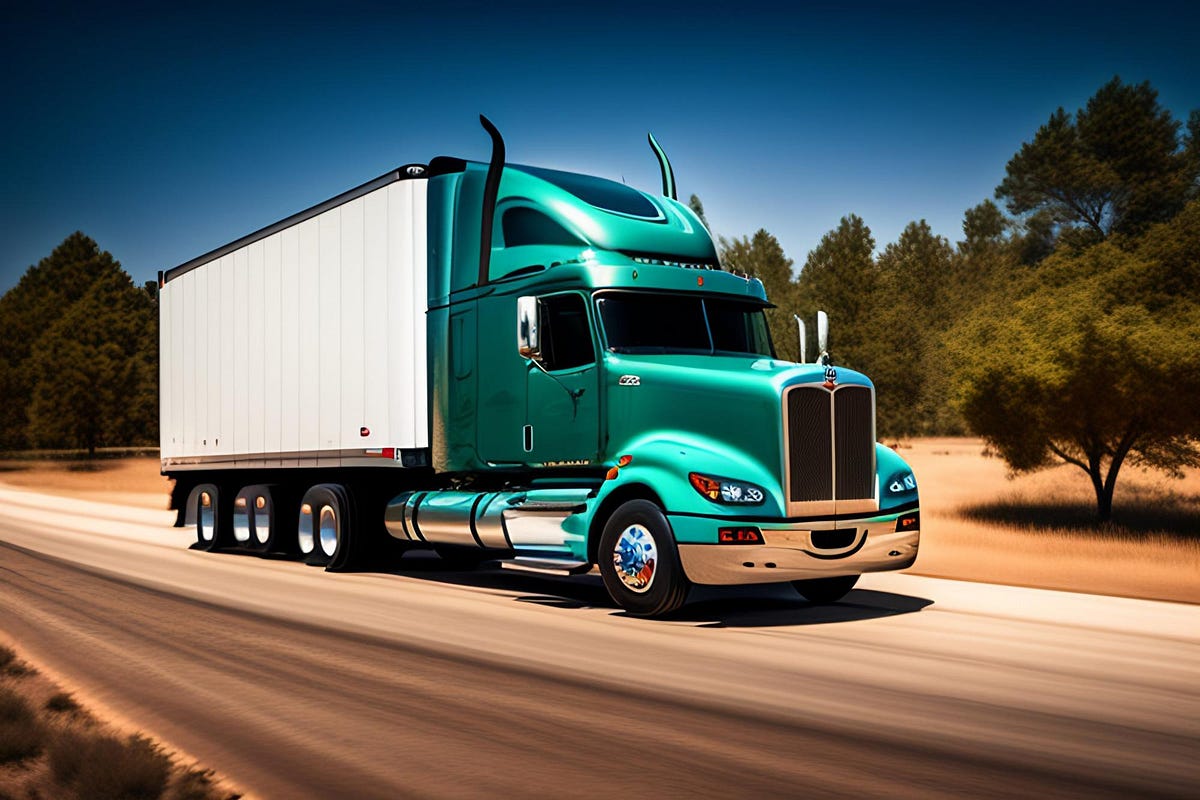
Are you hauling heavy loads for work? Do you need a reliable vehicle for off-road adventures? Or is it primarily a daily driver that occasionally hauls groceries and weekend project materials? The answer to this question dramatically narrows down your options.
A contractor hauling tools and materials every day will need a vastly different truck than someone who mainly uses it for commuting and occasional camping trips. Be honest and realistic about your primary use case.
-
What is your required towing capacity?
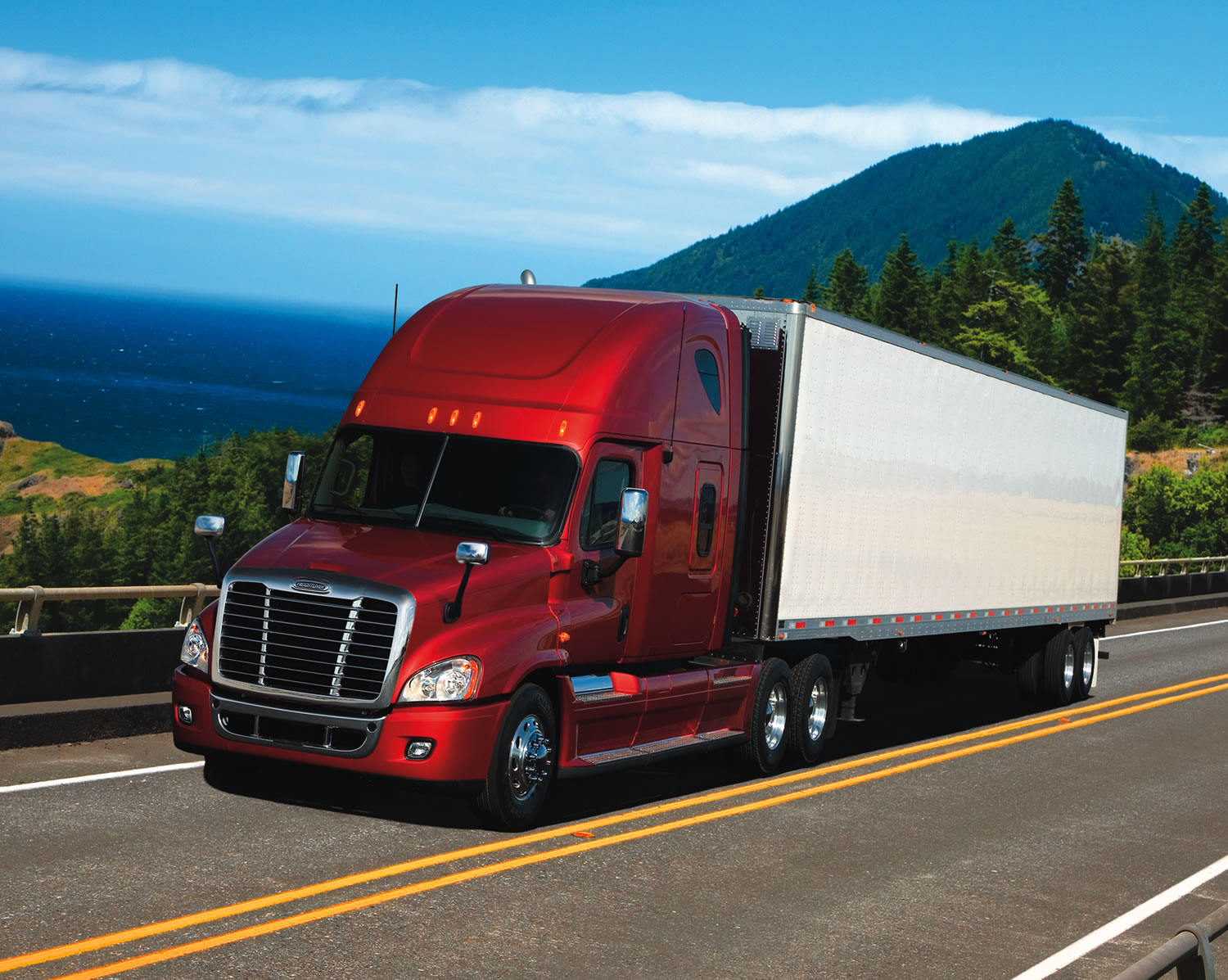
Towing capacity is crucial if you plan on hauling trailers, boats, or other heavy equipment. Determine the maximum weight you'll need to tow and ensure the truck you choose exceeds that capacity.
Remember to factor in not just the weight of the trailer itself, but also the weight of its contents. It's always better to err on the side of caution and choose a truck with a higher towing capacity than you think you'll need.
-
What is your required payload capacity?
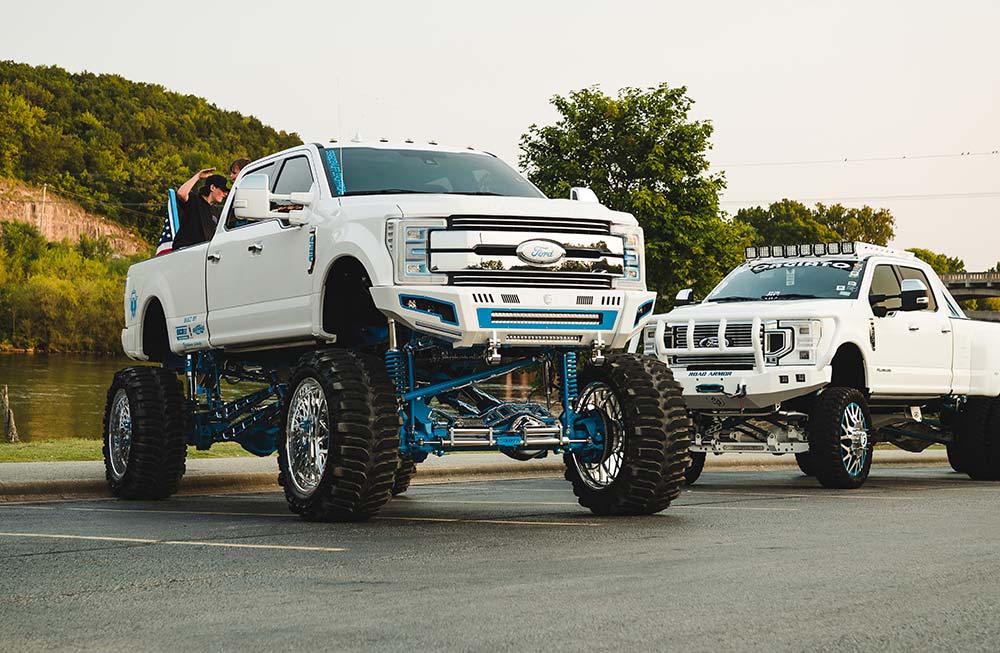
Payload capacity refers to the maximum weight the truck can carry in its bed and cabin. This includes passengers, cargo, and any accessories you add. Overloading your truck can damage its suspension and reduce its handling capabilities.
Consider the types of materials you'll be hauling in the bed. Will you be regularly carrying heavy loads of gravel, lumber, or equipment? Calculate the approximate weight of these loads to determine your required payload capacity.
-
What is your budget?
Truck prices vary significantly depending on the model, features, and trim level. Establish a realistic budget before you start shopping to avoid falling in love with a truck you can't afford.
Remember to factor in not only the purchase price but also ongoing costs such as fuel, insurance, maintenance, and potential repairs. Don't forget to explore financing options and potential incentives.
-
What cab size and bed length do you need?
The cab size determines the number of passengers you can comfortably accommodate. Options range from regular cabs (two passengers) to extended cabs (small rear seating) and crew cabs (full-size rear seating). Bed length affects the amount of cargo you can carry in the truck bed.
Consider your typical passenger load and the types of cargo you'll be hauling. A contractor who regularly transports a crew will need a crew cab, while someone who primarily hauls long items will need a longer bed.
Exploring Truck Categories: Finding the Right Fit
Once you've defined your needs, you can start exploring different truck categories. Each category offers a unique balance of capability, fuel efficiency, and price.
-
Light-Duty Trucks:
These trucks, such as the Ford F-150, Chevrolet Silverado 1500, and Ram 1500, are popular choices for everyday use. They offer a good balance of fuel efficiency, comfort, and capability.
Light-duty trucks are ideal for drivers who need a truck for commuting, light hauling, and occasional towing. They typically offer a wide range of engine options and trim levels to suit different needs and budgets.
-
Mid-Size Trucks:
Mid-size trucks, such as the Toyota Tacoma, Chevrolet Colorado, and Ford Ranger, are smaller and more fuel-efficient than full-size trucks. They're a good option for drivers who need some truck capability but don't want the bulk and fuel consumption of a larger vehicle.
These trucks are well-suited for off-road adventures, light hauling, and navigating tight city streets. They often offer a more affordable price point than full-size trucks.
-
Heavy-Duty Trucks:
Heavy-duty trucks, such as the Ford F-250/F-350, Chevrolet Silverado 2500/3500, and Ram 2500/3500, are designed for serious work. They offer significantly higher towing and payload capacities than light-duty trucks.
Heavy-duty trucks are ideal for contractors, farmers, and anyone who regularly hauls heavy loads or tows large trailers. They typically feature more robust engines, suspensions, and braking systems.
Key Features to Consider: Beyond the Basics
Beyond the basic truck categories, several key features can significantly impact your driving experience and the truck's overall suitability for your needs.
-
Engine Options:
The engine is the heart of your truck. Choose an engine that provides sufficient power and torque for your intended use. Consider factors such as fuel efficiency, reliability, and maintenance costs.
Gasoline engines are generally more affordable and offer better acceleration, while diesel engines provide superior towing power and fuel economy when hauling heavy loads.
-
Drivetrain (2WD vs. 4WD):
Two-wheel drive (2WD) trucks are more fuel-efficient and less expensive than four-wheel drive (4WD) trucks. However, 4WD provides superior traction in slippery conditions such as snow, ice, and mud.
If you live in an area with harsh winters or plan on driving off-road, 4WD is a worthwhile investment. Otherwise, 2WD may be sufficient for your needs.
-
Technology and Safety Features:
Modern trucks are packed with technology and safety features, such as infotainment systems, driver-assistance systems, and advanced safety technologies. Consider which features are most important to you.
Features like blind-spot monitoring, lane departure warning, and automatic emergency braking can significantly enhance safety. Advanced infotainment systems can provide navigation, smartphone integration, and entertainment options.
-
Trim Levels:
Each truck model offers a range of trim levels, from basic work trucks to luxurious, feature-rich models. Choose a trim level that provides the features and amenities you need without exceeding your budget.
Higher trim levels typically offer more comfort features, such as leather seats, premium sound systems, and advanced technology features. Consider which features are worth the extra cost to you.
-
Fuel Efficiency:
Fuel efficiency is an important consideration, especially if you plan on using your truck as a daily driver. Look for trucks with good fuel economy ratings in their class.
Consider the trade-offs between fuel efficiency and capability. Smaller engines and 2WD drivetrains generally offer better fuel economy, but they may not provide sufficient power or traction for your needs.
Research and Test Drive: Due Diligence is Key
Once you've narrowed down your options, it's time to do some thorough research and test drive the trucks you're considering.
-
Read Reviews:
Consult reputable automotive publications and websites to read reviews of the trucks you're interested in. Pay attention to reliability ratings, owner reviews, and expert opinions.
Look for reviews that address your specific needs and concerns. Do the reviewers praise the truck's towing capacity? Is it known for its comfortable ride? Are there any common problems reported by owners?
-
Compare Specifications:
Compare the specifications of different truck models side-by-side. Pay attention to towing capacity, payload capacity, engine horsepower and torque, and fuel economy ratings.
Use online comparison tools to easily compare the specifications of different trucks. This can help you quickly identify the strengths and weaknesses of each model.
-
Test Drive Multiple Trucks:
Test drive multiple trucks before making a decision. Pay attention to how the truck feels on the road, how comfortable the seats are, and how easy it is to operate.
Test drive the truck in different conditions, such as city streets, highways, and off-road trails (if applicable). This will give you a better sense of its overall performance and handling.
-
Inspect Used Trucks Carefully:
If you're considering a used truck, have it inspected by a qualified mechanic before you buy it. This can help you identify any potential problems and avoid costly repairs down the road.
Pay close attention to the truck's history report, which can reveal any accidents, damage, or maintenance issues. Look for signs of wear and tear, such as rust, damaged paint, and worn tires.
Pro Tips From Us: Avoiding Common Mistakes
- Don't Overbuy: It's tempting to buy the biggest, most powerful truck you can afford, but it's not always the best decision. Choose a truck that meets your actual needs, not your perceived needs.
- Consider Resale Value: Trucks generally hold their value well, but some models depreciate faster than others. Research the resale value of different trucks before you buy.
- Negotiate the Price: Don't be afraid to negotiate the price of the truck. Dealers are often willing to offer discounts or incentives to close a sale.
- Read the Fine Print: Before signing any paperwork, carefully read the fine print of the sales contract. Make sure you understand all the terms and conditions.
Common Mistakes to Avoid Are:
- Ignoring Maintenance Schedules: Failing to follow the manufacturer's recommended maintenance schedule can lead to serious problems down the road.
- Overloading the Truck: Exceeding the truck's towing or payload capacity can damage its suspension, brakes, and engine.
- Neglecting Tire Pressure: Maintaining proper tire pressure is essential for fuel efficiency, handling, and tire life.
The Best Truck To Buy: It Depends On YOU!
There's no single "best" truck for everyone. The best truck for you depends on your individual needs, budget, and preferences. By carefully considering the factors outlined in this guide, you can confidently choose a truck that will serve you well for years to come.
Choosing the right truck is a significant investment. Take your time, do your research, and don't be afraid to ask questions. With a little effort, you can find the perfect truck to meet your needs and enhance your lifestyle. And remember to always prioritize safety and responsible driving. [Link to NHTSA safety guidelines - external]
Good luck with your truck search!
Internal Links:
- [Link to another relevant blog post on your website, e.g., "Truck Maintenance Tips for Longevity"] (This is a placeholder, replace with an actual link).
Keywords: Best truck to buy, truck buying guide, light-duty trucks, heavy-duty trucks, truck towing capacity, truck payload capacity, truck fuel efficiency, used trucks, truck research, truck test drive.