The Peterbilt 389. It's more than just a truck; it's a legend. A symbol of American trucking, renowned for its classic design, durability, and performance. But owning a legend comes at a cost. Understanding the Peterbilt 389 cost, encompassing purchase price, operational expenses, and potential resale value, is crucial for any owner-operator or fleet manager considering this iconic rig.
This comprehensive guide dives deep into the various factors influencing the Peterbilt 389 cost. We'll explore everything from the base price of a new model to the ongoing expenses of maintenance, fuel, and insurance. By the end, you'll have a clear understanding of the financial commitment involved in owning and operating a Peterbilt 389, empowering you to make informed decisions.
The Ultimate Guide to Peterbilt 389 Cost: A Deep Dive for Trucking Professionals
Why the Peterbilt 389 Remains a Sought-After Truck
Before we delve into the nitty-gritty of costs, it's important to understand why the Peterbilt 389 continues to be a desirable truck despite its premium price tag. Several factors contribute to its enduring appeal:
- Iconic Design and Aesthetics: The Peterbilt 389 boasts a timeless, classic design that resonates with owner-operators who take pride in their equipment. Its long hood, chrome accents, and traditional styling set it apart from more modern, aerodynamic trucks.
- Durability and Reliability: Peterbilt has a long-standing reputation for building durable and reliable trucks. The 389 is no exception. Its robust construction and quality components contribute to its longevity, reducing downtime and repair costs over the long haul.
- Driver Comfort and Customization: The 389 offers a comfortable and customizable driving experience. Drivers can personalize their trucks with a wide range of options, from interior trim and seating to exterior accessories and lighting. This level of customization allows drivers to create a truck that truly reflects their personality and preferences.
- Strong Resale Value: Due to its reputation and desirability, the Peterbilt 389 tends to hold its value well over time. This strong resale value can help offset the initial purchase price, making it a sound investment for owner-operators.
Understanding the Initial Peterbilt 389 Cost: New vs. Used
The initial cost of a Peterbilt 389 varies significantly depending on whether you opt for a new or used model. Let's break down the factors influencing each:
New Peterbilt 389 Cost:
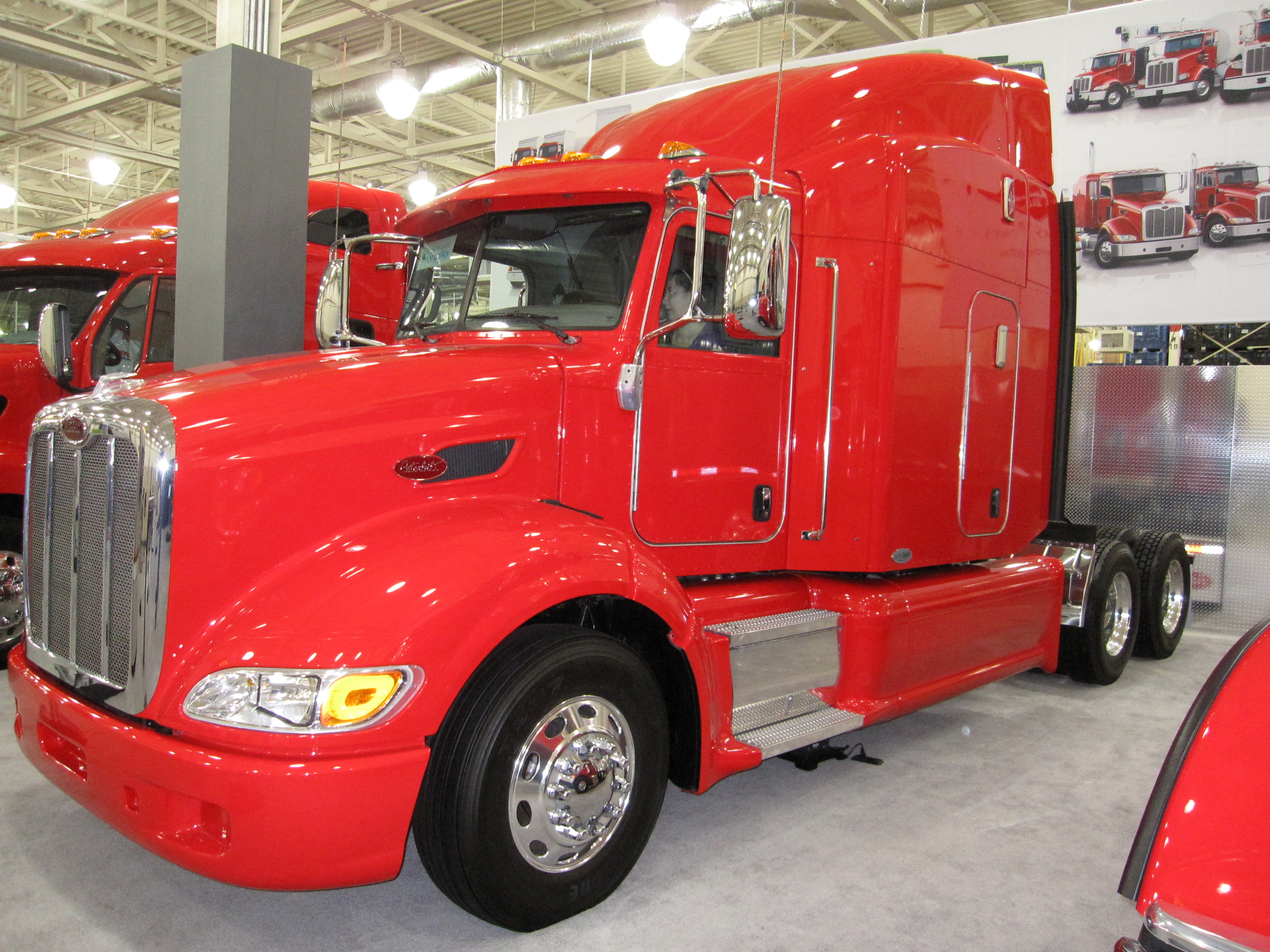
The base price of a new Peterbilt 389 typically ranges from $180,000 to $250,000 or even higher. This price can fluctuate based on several factors:
- Engine Options: The engine is one of the most significant cost drivers. Popular choices like the Cummins X15 or the PACCAR MX-13 come with different price points, depending on horsepower and torque ratings.
- Transmission Type: Manual transmissions are generally less expensive than automatic transmissions. Automated manual transmissions (AMTs) offer a balance between fuel efficiency and ease of use and fall somewhere in the middle price-wise.
- Cab Configuration: Sleeper cabs, which offer sleeping quarters for long-haul drivers, add to the overall cost. The size and features of the sleeper cab will also impact the price.
- Axle Configuration: Different axle configurations, such as single-axle or tandem-axle, are suited for different types of hauling. The choice of axle configuration will affect the price.
- Optional Features and Customizations: The Peterbilt 389 offers a vast array of optional features and customizations, from upgraded interiors and premium sound systems to custom paint jobs and chrome accessories. Each add-on increases the overall cost.

Used Peterbilt 389 Cost:
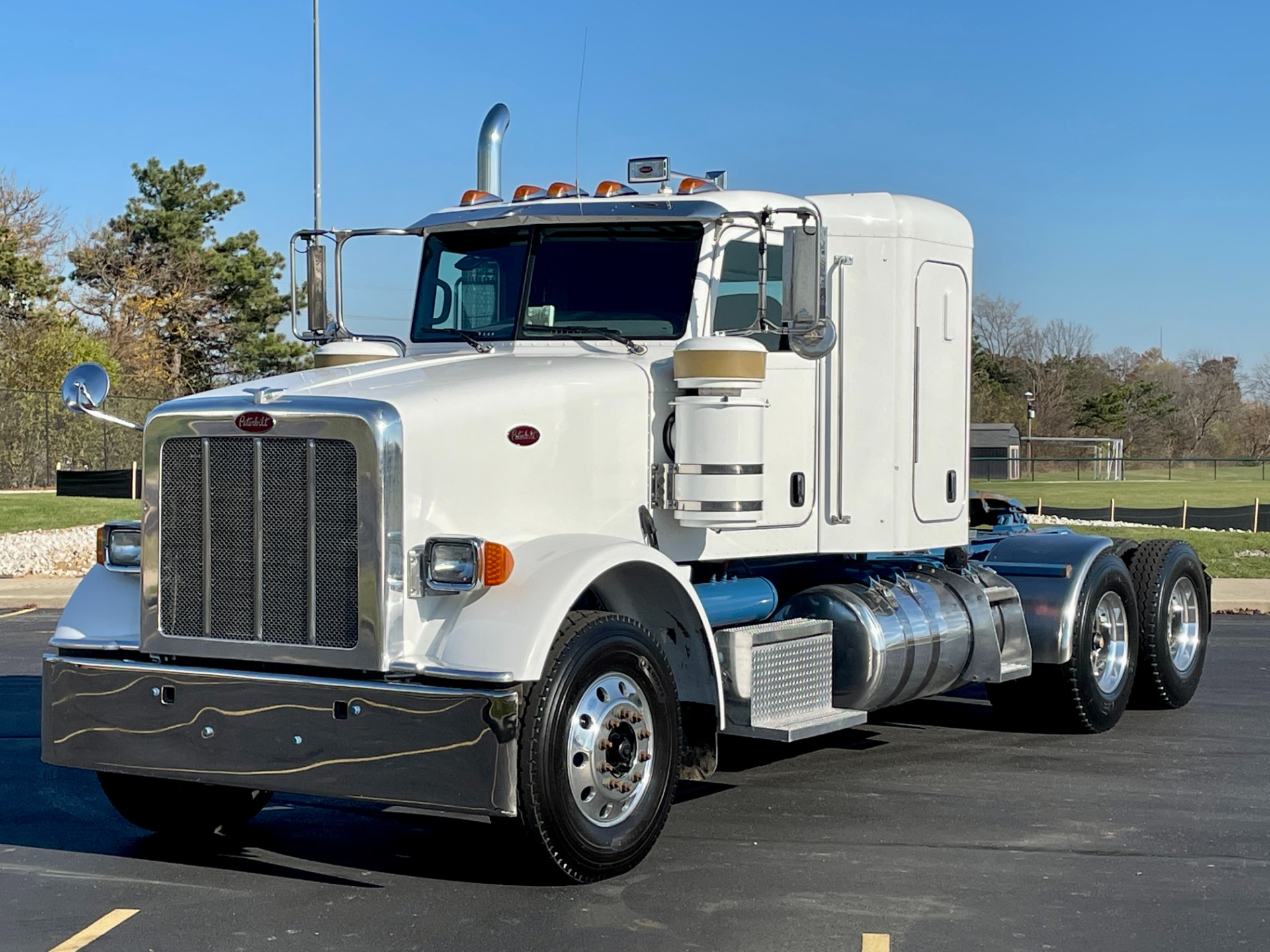
The cost of a used Peterbilt 389 can vary widely depending on its age, mileage, condition, and history. You can typically find used models ranging from $50,000 to $150,000 or more.
- Age and Mileage: Older trucks with higher mileage will generally be less expensive than newer trucks with lower mileage.
- Condition and Maintenance History: A well-maintained truck with a documented service history will command a higher price than a truck with a questionable past. Thoroughly inspect the truck and review its maintenance records before making a purchase.
- Previous Use: The type of work the truck was previously used for can affect its value. For example, a truck that was used for heavy hauling may have more wear and tear than a truck that was used for lighter loads.
- Market Demand: The current market demand for used Peterbilt 389s can also influence prices. When demand is high, prices tend to rise.
Pro tips from us: Always get a pre-purchase inspection from a qualified mechanic before buying a used Peterbilt 389. This inspection can help you identify any potential problems and avoid costly repairs down the road.
The Ongoing Peterbilt 389 Cost: Beyond the Purchase Price
The initial purchase price is just the tip of the iceberg. Owning a Peterbilt 389 involves a range of ongoing expenses that must be factored into your budget. These expenses include:
- Fuel Costs: Fuel is typically the largest operating expense for any trucking operation. The fuel consumption of a Peterbilt 389 depends on factors such as engine type, driving habits, load weight, and terrain.
- Maintenance and Repairs: Regular maintenance is essential to keep your Peterbilt 389 running smoothly and prevent costly breakdowns. This includes routine services such as oil changes, filter replacements, and tire rotations. Repairs can be unpredictable, but setting aside a budget for unexpected repairs is crucial.
- Insurance Costs: Commercial truck insurance can be expensive, especially for owner-operators. The cost of insurance depends on factors such as your driving record, the type of cargo you haul, and the coverage limits you choose.
- Tires: Tires are a significant expense for any truck owner. The lifespan of tires depends on factors such as driving habits, road conditions, and the type of tires you use.
- Permits and Licenses: Operating a commercial truck requires various permits and licenses, such as a Commercial Driver's License (CDL), International Registration Plan (IRP) registration, and International Fuel Tax Agreement (IFTA) decals.
- Taxes: Truck owners are responsible for paying various taxes, such as federal excise tax (FET) and state and local taxes.
- Depreciation: Over time, the value of your Peterbilt 389 will depreciate. This depreciation can be claimed as a tax deduction.
Strategies to Mitigate Peterbilt 389 Costs
While owning a Peterbilt 389 can be expensive, there are several strategies you can employ to mitigate costs and improve your bottom line:
- Fuel Efficiency:
- Driving Habits: Practice fuel-efficient driving techniques, such as maintaining a steady speed, avoiding hard acceleration and braking, and using cruise control.
- Aerodynamics: Use aerodynamic devices, such as fairings and side skirts, to reduce drag and improve fuel economy.
- Tire Pressure: Maintain proper tire pressure to reduce rolling resistance and improve fuel efficiency.
- Preventative Maintenance:
- Regular Inspections: Conduct regular inspections of your truck to identify potential problems early on.
- Scheduled Maintenance: Follow the manufacturer's recommended maintenance schedule to keep your truck running smoothly and prevent breakdowns.
- Quality Parts: Use high-quality parts and fluids to ensure the longevity of your truck.
- Insurance Optimization:
- Shop Around: Compare insurance quotes from multiple providers to find the best rates.
- Increase Deductibles: Increasing your deductibles can lower your insurance premiums.
- Safety Programs: Implement safety programs to improve your driving record and reduce insurance costs.
- Negotiate Prices:
- Parts and Services: Negotiate prices with vendors for parts and services.
- Fuel Discounts: Take advantage of fuel discounts offered by truck stops and fuel card programs.
- Proper Tire Management:
- Regular Inspections: Inspect your tires regularly for wear and tear.
- Proper Inflation: Maintain proper tire inflation to maximize tire life and improve fuel efficiency.
- Tire Rotation: Rotate your tires regularly to ensure even wear.
Common Mistakes to Avoid Are…
- Ignoring Maintenance Schedules: Skipping scheduled maintenance can lead to costly repairs down the road.
- Neglecting Tire Maintenance: Neglecting tire maintenance can result in premature tire wear and blowouts.
- Aggressive Driving: Aggressive driving habits can significantly reduce fuel efficiency and increase wear and tear on your truck.
- Overlooking Insurance Needs: Failing to obtain adequate insurance coverage can leave you vulnerable to financial losses in the event of an accident.
- Poor Financial Planning: Failing to properly budget for all the costs associated with owning a Peterbilt 389 can lead to financial difficulties.
The Resale Value Factor: A Long-Term Investment
One of the significant advantages of owning a Peterbilt 389 is its strong resale value. Due to its reputation for durability, classic design, and desirability, the 389 tends to hold its value well over time. This strong resale value can help offset the initial purchase price and make it a sound investment for owner-operators.
However, several factors can influence the resale value of a Peterbilt 389:
- Condition: The overall condition of the truck is the most important factor. A well-maintained truck with a clean appearance will command a higher price.
- Mileage: Lower mileage trucks typically fetch higher prices.
- Maintenance History: A documented maintenance history can increase the value of your truck.
- Customizations: While some customizations can add value, others may not appeal to potential buyers.
- Market Demand: The current market demand for used Peterbilt 389s can also influence resale values.
To maximize the resale value of your Peterbilt 389:
- Keep it Clean: Regularly wash and detail your truck to maintain its appearance.
- Maintain it Well: Follow the manufacturer's recommended maintenance schedule and keep detailed records.
- Repair Damage Promptly: Repair any damage as soon as possible to prevent further deterioration.
- Store it Properly: When not in use, store your truck in a covered location to protect it from the elements.
Financing Options for Your Peterbilt 389
Financing a Peterbilt 389 is a common practice, especially for owner-operators and small fleet owners. Several financing options are available:
- Truck Loans: Truck loans are specifically designed for financing commercial vehicles. They typically require a down payment and offer repayment terms ranging from 3 to 7 years.
- Equipment Leasing: Equipment leasing allows you to use a truck for a fixed period in exchange for regular payments. At the end of the lease term, you may have the option to purchase the truck.
- Small Business Loans: Small business loans can be used to finance the purchase of a Peterbilt 389. These loans may require collateral and a strong credit history.
- Manufacturer Financing: Peterbilt offers financing options through its dealer network. These options may include competitive interest rates and flexible repayment terms.
Choosing the Right Financing Option:
The best financing option for you will depend on your individual circumstances, such as your credit score, down payment availability, and financial goals. It's essential to shop around and compare offers from multiple lenders before making a decision.
Conclusion: Is the Peterbilt 389 Cost Worth It?
The Peterbilt 389 cost is undoubtedly a significant investment. From the initial purchase price to the ongoing expenses of fuel, maintenance, and insurance, owning this iconic truck requires careful financial planning.
However, for many owner-operators and fleet managers, the benefits of owning a Peterbilt 389 outweigh the costs. Its classic design, durability, driver comfort, and strong resale value make it a desirable and potentially profitable investment.
Ultimately, the decision of whether or not the Peterbilt 389 cost is worth it depends on your individual circumstances and business goals. By carefully considering all the factors discussed in this guide, you can make an informed decision that aligns with your financial objectives and operational needs.
Before making a final decision, it's wise to consult with a financial advisor who can help you assess your financial situation and determine the best course of action. Also, remember to consult trucking industry resources like the Truckers Report for real-world experiences and opinions.