The world of semi-trucks is vast and complex, extending far beyond just powerful engines and long hauls. For the men and women who spend countless hours behind the wheel, the inside of a semi-truck is more than just a workspace; it's a home away from home. Understanding the intricacies of this mobile living space is crucial for both seasoned drivers and those considering a career in trucking. This comprehensive guide will delve deep into every aspect of the inside of a semi-truck, covering everything from the driver's cockpit to the sleeper berth, technology, and comfort features.
Understanding the Driver's Cockpit: The Heart of the Operation
The Ultimate Guide to the Inside of a Semi-Truck: A Deep Dive for Drivers and Enthusiasts
The driver's cockpit is the command center of the semi-truck, where all the critical controls and instruments are located. Familiarizing yourself with each element is essential for safe and efficient driving.
1. The Dashboard and Instrumentation:
The dashboard is the driver's primary source of information about the truck's performance. It typically includes:
- Speedometer: Displays the vehicle's current speed.
- Tachometer: Indicates the engine's RPM (revolutions per minute).
- Fuel Gauge: Shows the amount of fuel remaining in the tank.
- Oil Pressure Gauge: Monitors the engine's oil pressure, crucial for lubrication.
- Water Temperature Gauge: Displays the engine's coolant temperature, preventing overheating.
- Air Pressure Gauges: Indicate the air pressure in the braking system.

Modern trucks often incorporate digital displays that provide even more detailed information, such as fuel efficiency, engine diagnostics, and trip data.
2. Steering and Controls:
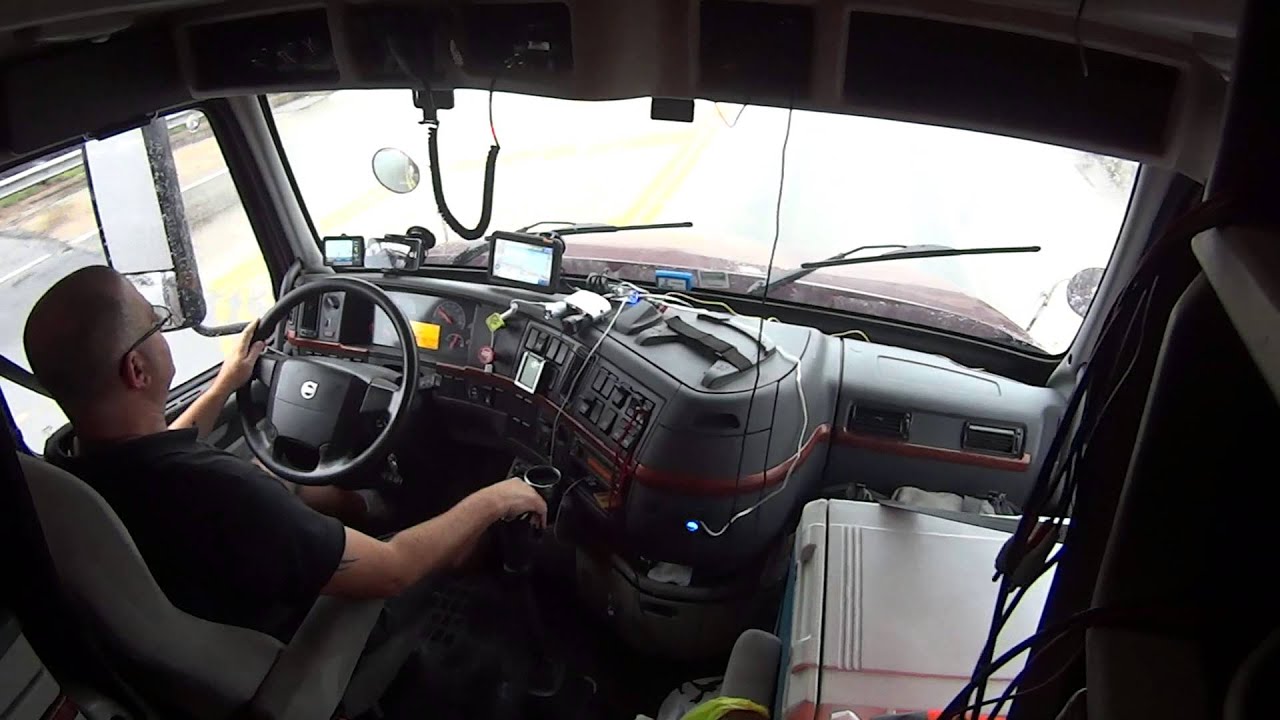
The steering wheel, gear shifter, and various levers and switches are the driver's direct interface with the truck's mechanical systems.
- Steering Wheel: Controls the direction of the truck. Newer models may feature power steering and adjustable tilt/telescoping columns for enhanced comfort.
- Gear Shifter: Allows the driver to select the appropriate gear for different driving conditions. Semi-trucks typically have manual or automated manual transmissions (AMTs) with numerous gears.
- Brake Controls: Include the foot brake, trailer brake (also known as the "Johnson bar" or "Jake brake"), and parking brake.
- Lighting Controls: Operate headlights, turn signals, hazard lights, and other exterior lights.
- Windshield Wiper Controls: Adjust the speed and operation of the windshield wipers.

3. Seating and Ergonomics:
Spending long hours behind the wheel can take a toll on a driver's body. Ergonomic seating and proper posture are crucial for preventing fatigue and discomfort.
- Air-Ride Seats: These seats use air suspension to absorb shocks and vibrations, providing a smoother ride.
- Adjustable Lumbar Support: Helps maintain proper spinal alignment and reduce back pain.
- Adjustable Armrests: Provide support for the arms and shoulders, reducing strain.
- Proper Seat Positioning: Ensuring the seat is properly adjusted for height, distance from the pedals, and steering wheel reach is critical for comfort and control.
Pro tip from us: Take regular breaks to stretch and move around to combat fatigue and maintain alertness. A well-adjusted seat and frequent stretching can significantly improve your overall driving experience.
The Sleeper Berth: A Home on Wheels
For long-haul drivers, the sleeper berth is a vital part of the truck, serving as a personal living space for rest and relaxation.
1. Size and Configuration:
Sleeper berths come in various sizes, ranging from compact 36-inch models to spacious 80-inch or larger units. The configuration typically includes a bed, storage compartments, and sometimes additional amenities.
- Bed: The primary function of the sleeper berth is to provide a comfortable sleeping area. Mattresses vary in quality, and many drivers choose to upgrade to memory foam or custom mattresses for better support.
- Storage: Ample storage is essential for stowing personal belongings, clothing, and other necessities. Storage compartments can be found under the bed, overhead, and along the walls.
- Cabinets and Closets: Some sleeper berths include small cabinets or closets for hanging clothes and storing larger items.
2. Comfort and Amenities:
Modern sleeper berths are often equipped with features designed to enhance comfort and convenience.
- Climate Control: Heating and air conditioning systems are essential for maintaining a comfortable temperature in the sleeper berth, regardless of the external weather conditions.
- Ventilation: Proper ventilation is crucial for preventing stuffiness and condensation. Many sleeper berths have windows or vents that can be opened to circulate fresh air.
- Lighting: Adequate lighting is necessary for reading, working, or simply relaxing in the sleeper berth. LED lights are a popular choice due to their energy efficiency and long lifespan.
- Entertainment Systems: Many drivers equip their sleeper berths with televisions, DVD players, or gaming consoles to provide entertainment during downtime.
3. Customization and Personalization:
Drivers often customize their sleeper berths to create a more personalized and comfortable living space.
- Decor: Adding personal touches, such as photos, posters, or decorative items, can make the sleeper berth feel more like home.
- Appliances: Small appliances, such as refrigerators, microwaves, and coffee makers, can make it easier to prepare meals and beverages on the road.
- Organization: Implementing organizational systems, such as shelves, bins, and organizers, can help keep the sleeper berth tidy and clutter-free.
Based on my experience, investing in a high-quality mattress and blackout curtains can significantly improve the quality of sleep in a sleeper berth. A well-rested driver is a safer and more efficient driver.
Technology Inside the Semi-Truck: Driving Efficiency and Safety
Technology plays an increasingly important role in modern semi-trucks, enhancing both efficiency and safety.
1. GPS Navigation Systems:
GPS navigation systems are indispensable tools for truck drivers, providing real-time directions, traffic updates, and routing information.
- Truck-Specific Routing: Truck-specific GPS systems take into account factors such as bridge heights, weight restrictions, and load restrictions to ensure safe and legal routing.
- Real-Time Traffic Updates: These systems provide up-to-the-minute traffic information, allowing drivers to avoid congestion and delays.
- Points of Interest (POI): GPS systems often include POI databases that list truck stops, rest areas, weigh stations, and other essential locations.
2. Electronic Logging Devices (ELDs):
ELDs are mandated by law in many countries, including the United States, to track drivers' hours of service (HOS) and ensure compliance with regulations.
- Automatic HOS Tracking: ELDs automatically record driving time, on-duty time, and off-duty time, eliminating the need for manual paper logs.
- Violation Alerts: ELDs can alert drivers to potential HOS violations, helping them avoid fines and penalties.
- Data Reporting: ELDs provide data that can be used to improve fleet management and driver safety.
3. Advanced Driver-Assistance Systems (ADAS):
ADAS technologies are designed to enhance driver safety and prevent accidents.
- Automatic Emergency Braking (AEB): AEB systems automatically apply the brakes if they detect an imminent collision.
- Lane Departure Warning (LDW): LDW systems alert drivers if they drift out of their lane without signaling.
- Adaptive Cruise Control (ACC): ACC systems automatically adjust the truck's speed to maintain a safe following distance from the vehicle ahead.
- Blind Spot Monitoring (BSM): BSM systems alert drivers to the presence of vehicles in their blind spots.
4. Telematics Systems:
Telematics systems collect and transmit data about the truck's performance, driver behavior, and location.
- Vehicle Diagnostics: Telematics systems can monitor the truck's engine, transmission, and other critical components, providing early warning of potential problems.
- Driver Performance Monitoring: Telematics systems can track driver behavior, such as speeding, hard braking, and idling, providing insights for improving safety and efficiency.
- Asset Tracking: Telematics systems can track the location of the truck and its cargo, providing real-time visibility for fleet managers.
Common mistakes to avoid are: Ignoring safety alerts from ADAS systems. These systems are designed to assist drivers, but they should not be relied upon as a substitute for attentive driving.
Comfort and Convenience Features: Making Life on the Road Easier
In addition to the essential components, semi-trucks often include a variety of comfort and convenience features that can make life on the road more enjoyable.
1. Entertainment and Connectivity:
- Satellite Radio: Provides access to a wide range of music, news, and talk shows.
- Bluetooth Connectivity: Allows drivers to connect their smartphones to the truck's audio system for hands-free calling and music streaming.
- Wi-Fi Hotspot: Provides internet access for staying connected with family and friends, working remotely, or accessing online entertainment.
2. Appliances and Cooking Facilities:
- Refrigerator: Keeps food and beverages cold, allowing drivers to prepare their own meals on the road.
- Microwave: Heats up meals and snacks quickly and easily.
- Coffee Maker: Brews fresh coffee for a caffeine boost.
- Portable Stove: Allows drivers to cook more elaborate meals in their truck.
3. Power and Charging:
- Inverter: Converts the truck's DC power to AC power, allowing drivers to use household appliances and electronics.
- USB Charging Ports: Provide convenient charging for smartphones, tablets, and other devices.
- Auxiliary Power Unit (APU): Provides power for climate control and other accessories without idling the engine, saving fuel and reducing emissions.
4. Storage Solutions:
- Overhead Cabinets: Provide additional storage space for personal belongings.
- Under-Bed Storage: Maximizes the use of space in the sleeper berth.
- Toolboxes: Store tools and equipment for performing minor repairs and maintenance.
Maintaining Cleanliness and Organization Inside the Semi-Truck
Keeping the inside of a semi-truck clean and organized is crucial for both comfort and safety. A cluttered and dirty truck can be distracting and create a stressful environment.
1. Regular Cleaning Schedule:
Establish a regular cleaning schedule to prevent dirt and grime from building up.
- Daily Cleaning: Wipe down surfaces, sweep or vacuum floors, and empty trash.
- Weekly Cleaning: Deep clean the sleeper berth, including washing bedding and cleaning windows.
- Monthly Cleaning: Wash the exterior of the truck and detail the interior.
2. Organization Tips:
- Use Storage Containers: Use storage containers to organize personal belongings and prevent clutter.
- Hang Clothes: Hang clothes in the closet or on hooks to keep them wrinkle-free.
- Designate Specific Areas: Designate specific areas for different items, such as a food storage area, a clothing storage area, and a work area.
3. Essential Cleaning Supplies:
- All-Purpose Cleaner: For cleaning surfaces.
- Glass Cleaner: For cleaning windows and mirrors.
- Vacuum Cleaner: For cleaning floors and upholstery.
- Trash Bags: For disposing of trash.
- Paper Towels: For wiping up spills and messes.
Conclusion: Mastering the Inside of Your Semi-Truck
The inside of a semi-truck is a complex and multifaceted environment that plays a crucial role in the lives of professional drivers. By understanding the various components, technologies, and comfort features, drivers can create a safe, efficient, and enjoyable workspace. Taking the time to personalize and maintain the interior of the truck can significantly improve overall well-being and job satisfaction. Whether you're a seasoned veteran or just starting your trucking career, mastering the inside of your semi-truck is essential for success on the road. Remember to prioritize safety, comfort, and organization to make your time behind the wheel as productive and enjoyable as possible. By investing in your mobile living space, you're investing in yourself and your career.
External Link to FMCSA Regulations
[Internal Link to another blog post about Truck Maintenance]