The Ultimate Guide to Stainless Steel Panels for Your Food Truck: Durability, Hygiene, and Design
Are you building or upgrading a food truck? Choosing the right materials is crucial for its longevity, hygiene, and overall success. Stainless steel panels have become the gold standard for food truck interiors and exteriors, and for good reason.
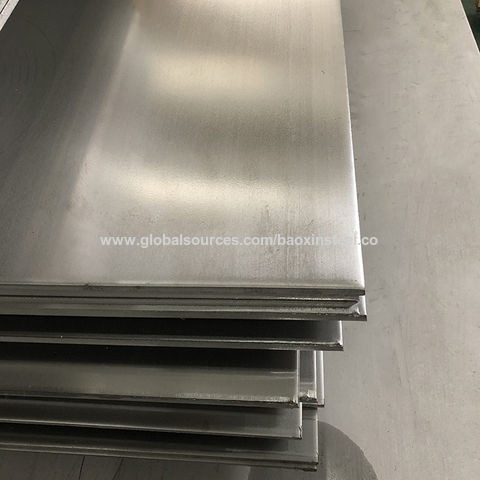
Stainless Steel Panels For Food Truck
In this comprehensive guide, we'll explore everything you need to know about stainless steel panels for food trucks, from the different grades and finishes to installation tips and maintenance best practices. By the end of this article, you'll be equipped with the knowledge to make informed decisions and ensure your food truck is built to last.
Why Choose Stainless Steel for Your Food Truck Panels?
Stainless steel offers a multitude of advantages that make it the ideal material for food truck construction. Let's delve into the key benefits:
-
Hygiene and Food Safety: This is paramount in the food service industry.
Stainless steel is non-porous, meaning it doesn't harbor bacteria, mold, or other contaminants. This makes it incredibly easy to clean and sanitize, ensuring a safe environment for food preparation and storage. This is absolutely essential for passing health inspections and maintaining customer trust.
-
Durability and Longevity: Food trucks are exposed to harsh conditions, from extreme temperatures to constant vibrations.
Stainless steel is incredibly strong and resistant to corrosion, rust, and impact. It can withstand the rigors of daily use and transportation, ensuring your investment lasts for years to come. Cheaper materials might save money upfront, but they'll likely require frequent repairs and replacements, costing you more in the long run.
Heat Resistance: The kitchen environment in a food truck can get extremely hot.
Stainless steel can withstand high temperatures without warping, melting, or releasing harmful chemicals. This is crucial for maintaining a safe and stable cooking environment. Plus, its heat resistance also helps with temperature regulation inside the truck.
-
Easy to Clean and Maintain: Time is money in the food truck business.

Stainless steel's smooth surface makes it incredibly easy to clean and maintain. Spills, splatters, and grease can be quickly wiped away with soap and water. This saves you valuable time and effort, allowing you to focus on serving your customers.
-
Aesthetic Appeal: First impressions matter.
Stainless steel offers a clean, modern, and professional look. It can enhance the overall appearance of your food truck and create a positive impression on your customers. Plus, it provides a versatile backdrop for branding and customization.

Understanding Different Grades of Stainless Steel
Not all stainless steel is created equal. Different grades offer varying levels of corrosion resistance, strength, and heat resistance. The two most common grades used in food trucks are 304 and 316.
-
304 Stainless Steel: This is the most widely used grade of stainless steel.
It contains 18% chromium and 8% nickel, providing excellent corrosion resistance in most environments. It's a cost-effective option that's suitable for interior walls, countertops, and equipment housings.
-
316 Stainless Steel: This grade offers even greater corrosion resistance than 304.
It contains molybdenum, which makes it particularly resistant to chlorides (like salt), making it ideal for coastal environments or food trucks that frequently handle salty foods. While it's more expensive than 304, it's a worthwhile investment if you need maximum protection against corrosion.
Pro Tip from us: Based on my experience, for the exterior of your food truck, especially if you operate near the coast or in areas with harsh weather, 316 stainless steel is highly recommended. The added protection against corrosion will significantly extend the lifespan of your truck.
Choosing the Right Finish for Your Stainless Steel Panels
The finish of your stainless steel panels affects both their appearance and functionality. Here are some common finishes to consider:
-
Brushed Finish: This finish has a unidirectional texture created by polishing with a fine abrasive.
It's a popular choice for its aesthetic appeal and its ability to hide fingerprints and smudges. It's also relatively easy to clean.
-
Mirror Finish: This finish is highly reflective and creates a sleek, modern look.
However, it's more prone to showing fingerprints and scratches and requires more frequent cleaning.
-
Embossed Finish: This finish has a textured pattern that adds visual interest and can help to hide imperfections.
It's also more resistant to scratches and dents than smooth finishes.
-
Mill Finish: This is the raw, unfinished state of the stainless steel.
It's the most cost-effective option, but it's not as aesthetically pleasing and may require additional finishing.
Installation Tips for Stainless Steel Panels
Proper installation is crucial for ensuring the longevity and performance of your stainless steel panels. Here are some tips to keep in mind:
-
Proper Measurement and Cutting: Accurate measurements are essential for a seamless fit.
Use a metal-cutting saw or plasma cutter to cut the panels to size. Be sure to wear safety glasses and gloves to protect yourself from sharp edges and debris.
-
Secure Fastening: Use appropriate fasteners, such as screws or rivets, to securely attach the panels to the frame of your food truck.
Ensure the fasteners are also made of stainless steel to prevent corrosion.
-
Sealing and Caulking: Seal all seams and joints with a food-grade sealant to prevent water and debris from entering.
This will also help to prevent corrosion and maintain hygiene.
-
Professional Installation: If you're not comfortable installing the panels yourself, consider hiring a professional.
A professional installer will have the experience and tools necessary to ensure a proper and long-lasting installation.
Based on my experience, investing in professional installation can save you headaches and money in the long run. Improper installation can lead to leaks, corrosion, and other problems that can be costly to repair.
Maintaining Your Stainless Steel Panels
Proper maintenance is essential for keeping your stainless steel panels looking their best and preventing corrosion. Here are some tips to follow:
-
Regular Cleaning: Clean the panels regularly with soap and water.
For stubborn stains, use a stainless steel cleaner specifically designed for food service applications.
- Avoid Abrasive Cleaners: Avoid using abrasive cleaners or scouring pads, as these can scratch the surface of the stainless steel.
- Proper Ventilation: Ensure proper ventilation inside your food truck to prevent moisture buildup, which can lead to corrosion.
- Protective Coatings: Consider applying a protective coating to the panels to help prevent scratches and corrosion.
Common mistakes to avoid are: Using bleach-based cleaners on stainless steel. Bleach can damage the protective chromium oxide layer and lead to rust.
Cost Considerations for Stainless Steel Panels
The cost of stainless steel panels can vary depending on the grade, finish, thickness, and size. 316 stainless steel is generally more expensive than 304, and thicker panels will cost more than thinner ones.
While stainless steel panels may have a higher upfront cost than other materials, their durability and longevity make them a worthwhile investment in the long run. Consider the potential savings in terms of reduced maintenance, repairs, and replacements.
Pro Tip from us: Get quotes from multiple suppliers to compare prices and find the best deal. Don't be afraid to negotiate!
Design Considerations: Integrating Stainless Steel into Your Food Truck Aesthetic
Stainless steel doesn't have to be purely functional. It can also be a key element of your food truck's design.
- Exterior Paneling: Using stainless steel on the exterior creates a professional and eye-catching look. Consider combining it with other materials like wood or vinyl wraps for a unique aesthetic.
- Interior Accents: Incorporate stainless steel into your interior design through countertops, backsplashes, and shelving. This creates a cohesive and hygienic workspace.
- Custom Fabrication: Work with a fabricator to create custom stainless steel elements like serving windows, storage compartments, and even decorative features.
Sourcing Your Stainless Steel Panels
Choosing the right supplier is crucial for ensuring you get high-quality stainless steel panels at a competitive price.
- Research Suppliers: Look for reputable suppliers with a proven track record of providing quality products and excellent customer service. Read online reviews and ask for references.
- Check Certifications: Ensure the supplier is certified and complies with industry standards.
- Request Samples: Before placing a large order, request samples of the panels to ensure they meet your specifications.
- Consider Lead Times: Factor in lead times when ordering your panels, as some suppliers may have longer lead times than others.
Alternatives to Stainless Steel (and Why They Fall Short)
While stainless steel is the top choice, here are some alternatives and why they're often not as good:
- Aluminum: Lighter and cheaper, but not as durable or heat-resistant. Aluminum also dents and scratches more easily.
- Galvanized Steel: Offers some corrosion resistance, but not as hygienic as stainless steel and can leach zinc into food if the coating is damaged.
- Fiberglass Reinforced Plastic (FRP): Easy to clean, but not as durable or heat-resistant as stainless steel. FRP can also crack and chip over time.
In most cases, the long-term benefits of stainless steel outweigh the higher initial cost.
The Future of Stainless Steel in Food Trucks
The use of stainless steel in food trucks is likely to continue to grow as food safety regulations become stricter and customers demand higher standards of hygiene. Innovations in stainless steel manufacturing are also making it more affordable and accessible.
We can expect to see more food trucks incorporating stainless steel into their designs, both for functional and aesthetic purposes.
Conclusion: Invest in Quality with Stainless Steel Panels
Choosing the right materials for your food truck is a critical decision that can impact its longevity, hygiene, and overall success. Stainless steel panels offer a superior combination of durability, hygiene, and aesthetic appeal, making them the ideal choice for food truck construction.
By understanding the different grades, finishes, and installation techniques, you can make informed decisions and ensure your food truck is built to last. While the upfront cost may be higher than other materials, the long-term benefits of stainless steel make it a worthwhile investment. So, invest in quality and build a food truck that you can be proud of for years to come.
Remember to always prioritize food safety and hygiene. A clean and well-maintained food truck will not only attract customers but also ensure their health and well-being.
Link to an external resource about food safety regulations
[Internal link to another blog post about food truck maintenance (if applicable)]
[Internal link to another blog post about food truck design (if applicable)]