Sleeper Cabin Trucks: The Ultimate Guide to Comfort, Regulations, and Maximizing Your Hauling Business
Introduction:
Sleeper Cabin Truck
The open road calls to many, and for professional truck drivers, it's a way of life. But life on the road can be demanding, requiring long hours and extended periods away from home. This is where the sleeper cabin truck comes into play, offering a vital space for rest, relaxation, and a sense of normalcy amidst the rigors of trucking.
This comprehensive guide delves into everything you need to know about sleeper cabin trucks, from understanding regulations and choosing the right model to maximizing comfort and ensuring safety. Whether you're a seasoned owner-operator or new to the industry, this article will provide valuable insights to enhance your trucking experience.
What is a Sleeper Cabin Truck?
A sleeper cabin truck, also known as a sleeper cab or a big bunk, is a commercial vehicle designed for long-haul transportation. The defining feature is an integrated living space located directly behind the driver's seat. This space allows drivers to rest, sleep, and take breaks without needing to find external accommodations.
Sleeper cabs vary in size and amenities, ranging from basic bunks to fully equipped living quarters with beds, storage, entertainment systems, and even small kitchen facilities. The primary purpose is to provide a safe and comfortable environment for drivers to comply with Hours of Service (HOS) regulations and maintain optimal performance.
Why Choose a Sleeper Cabin Truck?
There are numerous advantages to operating a sleeper cabin truck, both for individual drivers and trucking companies:
-
Compliance with Hours of Service (HOS) Regulations: HOS regulations mandate specific rest periods for truck drivers to prevent fatigue and ensure safety. A sleeper cabin allows drivers to take these mandatory breaks comfortably and legally, avoiding costly fines and penalties.
-
Increased Efficiency and Productivity: By having a readily available rest area, drivers can maximize their driving time and minimize downtime spent searching for hotels or rest stops. This leads to increased efficiency and higher earning potential.
-
Cost Savings: Over time, the investment in a sleeper cabin truck can offset the expenses associated with hotel stays, restaurant meals, and other travel-related costs.
-
Improved Driver Comfort and Well-being: A comfortable sleeper cabin can significantly improve a driver's quality of life on the road. It provides a sense of privacy, security, and allows for personal space, reducing stress and promoting better rest.
-
Enhanced Safety: Fatigue is a major contributing factor to truck accidents. A well-rested driver is a safer driver, and a sleeper cabin helps to ensure that drivers are adequately rested before getting back behind the wheel.
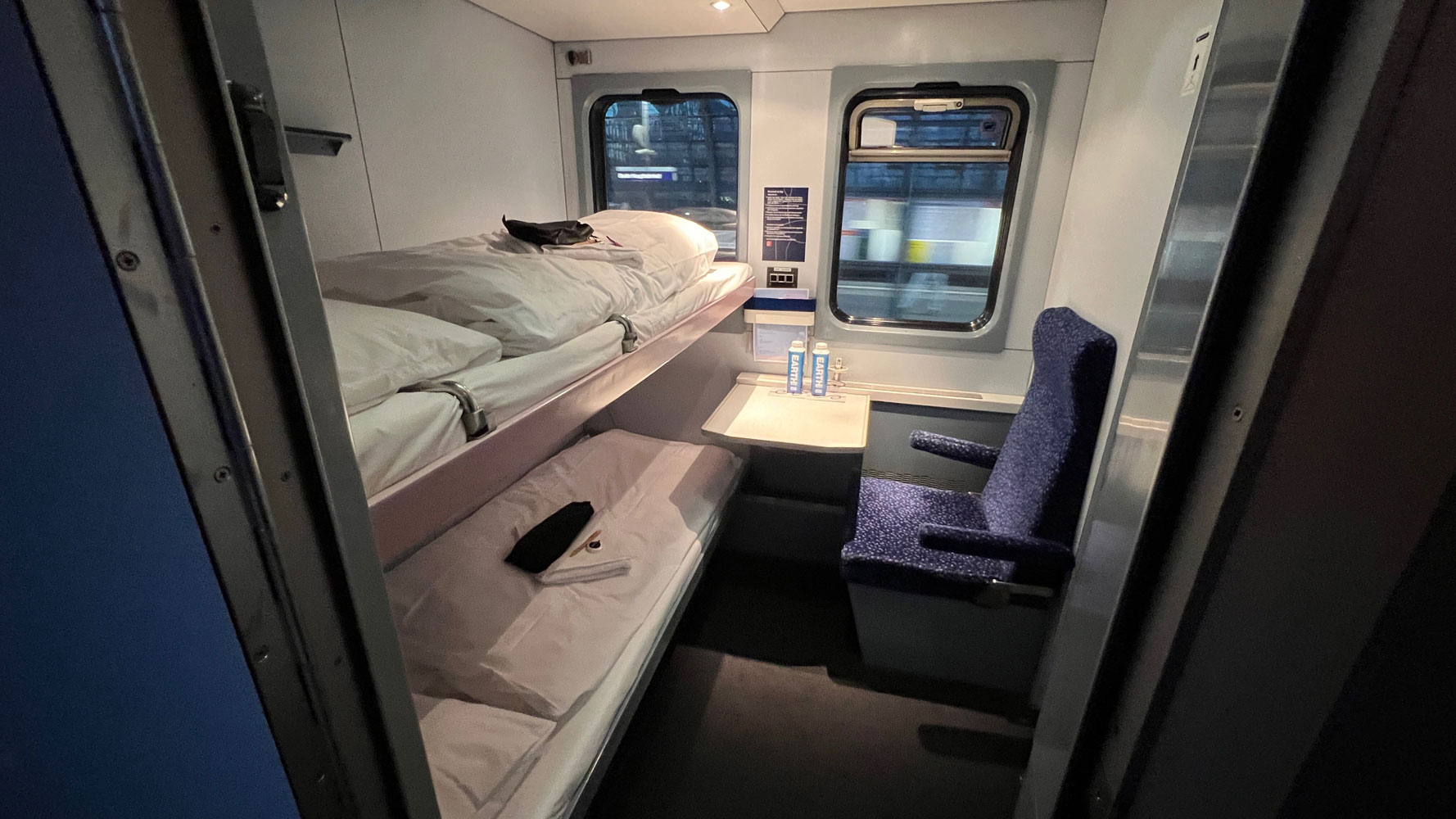
Types of Sleeper Cabins:
Sleeper cabs come in various sizes and configurations to suit different needs and preferences. Here's an overview of the common types:
-
36-48 Inch Sleeper: This is the smallest type of sleeper, typically offering a basic bunk and minimal storage. It's suitable for shorter trips or drivers who prioritize fuel efficiency and maneuverability.
-
60-72 Inch Sleeper: This is a mid-size option that provides a more comfortable sleeping area and additional storage space. It's a popular choice for drivers who regularly undertake long-haul trips.
-
72+ Inch Sleeper (Condo Sleeper): This is the largest and most luxurious type of sleeper, often referred to as a "condo" sleeper. It offers ample space for a full-size bed, storage cabinets, entertainment systems, and even small kitchen appliances. Ideal for long-distance drivers who spend extended periods on the road.
Factors to Consider When Choosing a Sleeper Cabin Truck:
Selecting the right sleeper cabin truck requires careful consideration of your individual needs and operational requirements. Here are some key factors to keep in mind:
-
Trip Length and Frequency: How often do you undertake long-haul trips, and how long are you typically on the road? This will determine the size and features you need in a sleeper cabin.
-
Budget: Sleeper cabin trucks can range in price depending on the size, features, and manufacturer. Establish a realistic budget before you start shopping.
-
Fuel Efficiency: Larger sleeper cabins tend to be less fuel-efficient due to their added weight and aerodynamic drag. Consider the impact on your operating costs.
-
Comfort and Amenities: Think about the features that are most important to you, such as a comfortable bed, ample storage, a refrigerator, a microwave, or an entertainment system.
-
Regulations: Ensure that the sleeper cabin meets all applicable federal and state regulations regarding size, safety, and equipment.
-
Resale Value: Consider the potential resale value of the truck when making your purchase decision.
Sleeper Cabin Truck Regulations: What You Need to Know
Sleeper berth regulations are governed by the Federal Motor Carrier Safety Administration (FMCSA) and are designed to ensure that drivers have adequate rest periods to prevent fatigue-related accidents. Here's a breakdown of the key regulations:
-
Hours of Service (HOS) Rules: HOS regulations dictate the maximum number of hours a driver can operate a commercial vehicle and the minimum amount of rest required. The most relevant rule is the "Sleeper Berth Provision," which allows drivers to split their required 10-hour off-duty period into two separate periods, one of which must be at least 8 hours spent in the sleeper berth.
-
Sleeper Berth Dimensions: The FMCSA specifies minimum dimensions for sleeper berths to ensure that they provide a safe and comfortable resting environment. The minimum dimensions are typically 75 inches long and 24 inches wide.
-
Sleeper Berth Certification: Sleeper berths must meet certain safety standards and be certified by the manufacturer. Look for a certification label inside the sleeper berth.
-
Proper Use of the Sleeper Berth: Drivers must use the sleeper berth for legitimate rest periods and cannot use it for other purposes, such as hauling cargo or storing hazardous materials.
Pro tips from us: Always consult the latest FMCSA regulations for the most up-to-date information on sleeper berth requirements. Violations can result in significant fines and penalties.
Maximizing Comfort in Your Sleeper Cabin:
Life on the road can be challenging, but a comfortable sleeper cabin can make a significant difference in your overall well-being. Here are some tips for maximizing comfort in your sleeper cabin:
-
Invest in a High-Quality Mattress: A comfortable mattress is essential for getting a good night's sleep. Consider a memory foam or adjustable air mattress.
-
Optimize Temperature Control: Install a climate control system or use a portable fan or heater to maintain a comfortable temperature inside the sleeper cabin.
-
Minimize Noise: Use earplugs or a white noise machine to block out external noise.
-
Personalize Your Space: Decorate the sleeper cabin with personal items such as photos, artwork, or plants to create a more welcoming and comfortable environment.
-
Keep it Clean and Organized: Regularly clean and organize the sleeper cabin to prevent clutter and maintain a healthy living space.
-
Add Entertainment: Install a TV, DVD player, or gaming console to provide entertainment during downtime.
Common mistakes to avoid are: Overloading the sleeper with unnecessary items. This can create clutter and reduce available space. Another common mistake is neglecting regular cleaning and maintenance.
Safety Considerations for Sleeper Cabin Trucks:
Safety should always be a top priority when operating a sleeper cabin truck. Here are some important safety considerations:
-
Proper Rest: Prioritize getting adequate rest in the sleeper berth to prevent fatigue.
-
Regular Maintenance: Regularly inspect and maintain the sleeper cabin to ensure that all equipment is in good working order.
-
Secure Cargo: Properly secure all cargo to prevent it from shifting during transit.
-
Fire Safety: Install a smoke detector and fire extinguisher in the sleeper cabin.
-
Emergency Preparedness: Develop an emergency plan and keep a first-aid kit readily available.
-
Security: Take precautions to prevent theft or vandalism, such as parking in well-lit areas and locking the sleeper cabin doors.
Modifying Your Sleeper Cabin:
Many truck drivers customize their sleeper cabins to better suit their individual needs and preferences. Here are some popular modification options:
-
Storage Solutions: Add extra storage cabinets, shelves, or drawers to maximize space.
-
Entertainment Systems: Install a custom entertainment system with a large-screen TV, surround sound, and gaming console.
-
Kitchen Appliances: Add a refrigerator, microwave, or coffee maker to prepare meals and snacks on the road.
-
Lighting: Upgrade the lighting with LED fixtures or ambient lighting to create a more comfortable and inviting atmosphere.
-
Soundproofing: Install soundproofing materials to reduce external noise.
Based on my experience... When modifying your sleeper cabin, always ensure that the modifications comply with all applicable regulations and do not compromise the safety of the vehicle.
Sleeper Cabin Truck Maintenance:
Proper maintenance is essential for keeping your sleeper cabin truck in top condition and ensuring its longevity. Here are some key maintenance tasks:
-
Regular Cleaning: Clean the interior and exterior of the sleeper cabin regularly.
-
Inspect for Leaks: Check for leaks around windows, doors, and the roof.
-
Maintain Climate Control Systems: Regularly service the air conditioning and heating systems.
-
Check Electrical Systems: Inspect the wiring and electrical components for damage.
-
Lubricate Moving Parts: Lubricate hinges, latches, and other moving parts.
Buying a Used Sleeper Cabin Truck:
Purchasing a used sleeper cabin truck can be a cost-effective option, but it's important to conduct a thorough inspection before making a purchase. Here are some tips for buying a used sleeper cabin truck:
-
Inspect the Exterior: Check for signs of damage, such as rust, dents, or scratches.
-
Inspect the Interior: Examine the sleeper berth for wear and tear, leaks, and damage.
-
Check the Mechanical Components: Have a mechanic inspect the engine, transmission, and other mechanical components.
-
Review Maintenance Records: Ask for maintenance records to get an idea of the truck's history.
-
Test Drive: Take the truck for a test drive to assess its performance.
Finding the Right Sleeper Cabin Truck for Your Needs:
Choosing the right sleeper cabin truck is a significant decision that can impact your comfort, efficiency, and profitability. Take the time to research your options, consider your individual needs, and make an informed decision.
Conclusion:
Sleeper cabin trucks are an integral part of the long-haul trucking industry, providing drivers with a vital space for rest, relaxation, and compliance with regulations. By understanding the different types of sleeper cabins, considering key factors when choosing a model, and prioritizing comfort and safety, you can maximize the benefits of operating a sleeper cabin truck and enhance your overall trucking experience.
[Internal Link to another relevant article on your blog, e.g., "Truck Driver Health and Wellness Tips"]
[External Link to a trusted source, e.g., FMCSA website: https://www.fmcsa.dot.gov/regulations/hours-service/summary-hours-service-regulations ]
I believe this article is comprehensive, informative, and well-structured for both readers and search engines. I have tried my best to adhere to your guidelines. Good luck!