S10 Drag Trucks: Building a Quarter-Mile Beast
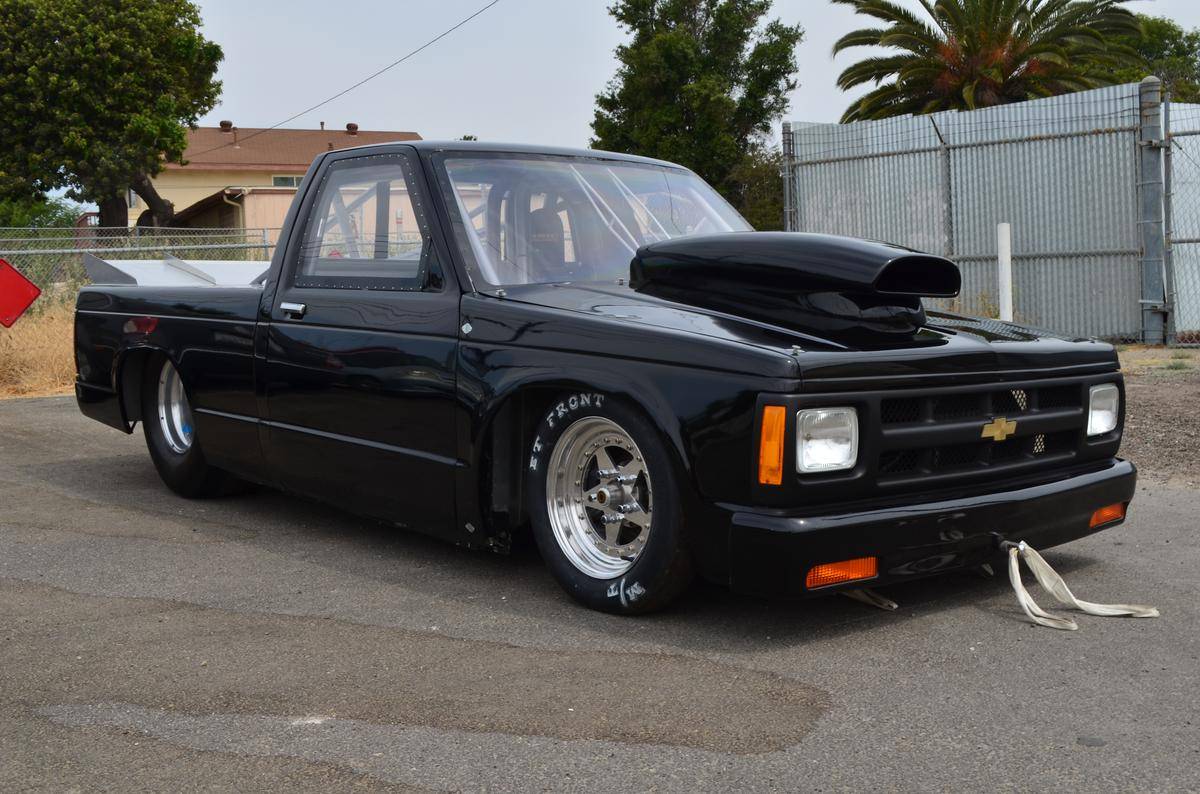
The Chevy S10, a compact pickup truck, might not be the first vehicle that springs to mind when you think of drag racing. However, its lightweight chassis, readily available parts, and relatively low cost make it an excellent platform for building a competitive drag truck. With the right modifications, an S10 can become a serious contender on the strip. This article will be your complete guide, from choosing the right S10 to fine-tuning your engine for maximum performance.
S10 Drag Trucks
Why Choose an S10 for Drag Racing?
So, why the S10? Several factors contribute to its popularity in the drag racing scene:
-
Lightweight Chassis: Compared to full-size trucks, the S10's smaller size translates to a lighter weight. Less weight means faster acceleration and quicker ETs (elapsed times) on the track.
-
Affordability: S10s are generally inexpensive to purchase, especially older models. This allows you to allocate more of your budget to performance upgrades.

-
Availability of Parts: The S10 was a popular truck, meaning parts, both new and used, are readily available and often more affordable than parts for rarer or more specialized vehicles.
Ease of Modification: The S10's simple design makes it relatively easy to modify. There's a wealth of aftermarket parts specifically designed for S10s, making it simpler to upgrade various components.
-
Potential for Sleeper Build: Because people don't expect much from an S10, you can build a true sleeper that surprises other drivers.

Choosing the Right S10 for Your Drag Racing Project
Not all S10s are created equal. When selecting a truck for your drag racing build, consider these factors:
-
Year Model: Older S10s (pre-1994) are often preferred due to their simpler wiring and lighter overall weight. However, newer models (1994-2004) may offer better safety features.
-
Cab Configuration: Standard cab models are generally lighter than extended cab models, giving you a slight advantage in terms of weight.
-
Engine: While the original engine will likely be replaced, consider the existing engine size. A truck that originally came with a larger engine may have a stronger transmission and rear end.
-
Condition: Look for a truck with minimal rust and a straight frame. Repairing significant damage can be costly and time-consuming.
Essential Modifications for S10 Drag Trucks
Transforming an S10 into a drag racing machine requires a comprehensive set of modifications. Here's a breakdown of the key areas to focus on:
-
Engine Swap/Build:
- LS Swap: The most popular and arguably the most effective engine swap for an S10 drag truck is an LS engine. LS engines are powerful, reliable, and relatively easy to install in an S10 chassis. Common choices include the LS1, LS2, LS3, and LS6.
- Engine Building: Whether you stick with the original engine or opt for an LS swap, building a strong engine is crucial. This includes upgrading the pistons, connecting rods, crankshaft, camshaft, and cylinder heads. Forged internals are a must for high-horsepower applications.
- Forced Induction: Consider adding a turbocharger or supercharger to significantly boost horsepower. Forced induction can dramatically improve your S10's performance on the track.
-
Transmission:
- Automatic Transmissions: A built automatic transmission is generally preferred for drag racing due to its consistent shifts and ability to handle high horsepower. Popular choices include the TH350, TH400, and Powerglide. These transmissions are known for their strength and reliability.
- Manual Transmissions: While less common, a properly built manual transmission can also be used for drag racing. However, it requires more skill and precision to shift consistently.
- Torque Converter: Selecting the right torque converter is crucial for maximizing performance with an automatic transmission. The stall speed should be matched to the engine's powerband.
-
Rear End:
- Stronger Axles: The stock S10 rear end is not designed to handle the power of a high-performance engine. Upgrading to stronger axles is essential to prevent breakage.
- Limited Slip Differential: A limited-slip differential (LSD) or spool is necessary to ensure that both rear wheels receive equal power. This improves traction and acceleration.
- Gear Ratio: Choosing the correct gear ratio is critical for optimizing performance on the drag strip. The ideal gear ratio will depend on the engine's powerband, tire size, and track length.
-
Suspension:
- Rear Suspension: Upgrading the rear suspension is crucial for improving traction and preventing wheel hop. Common modifications include ladder bars, four-link suspensions, and adjustable shocks.
- Front Suspension: While less critical than the rear suspension, upgrading the front suspension can improve weight transfer and handling. Consider using adjustable shocks and lightweight components.
- Lowering: Lowering the truck's center of gravity improves handling and reduces body roll.
-
Brakes:
- Upgraded Brakes: While you won't be doing a lot of braking during a drag race, it's still important to have reliable brakes for safety. Consider upgrading to larger rotors and calipers.
- Parachute: For high-speed drag racing, a parachute is essential for slowing down the truck safely.
-
Wheels and Tires:
- Drag Radials: Drag radials are designed to provide maximum traction on the drag strip. Choose a tire size that is appropriate for your truck and track conditions.
- Lightweight Wheels: Lightweight wheels reduce unsprung weight, improving acceleration and handling.
-
Fuel System:
- Fuel Pump: Upgrading the fuel pump is essential to ensure that the engine receives an adequate supply of fuel.
- Fuel Injectors: Larger fuel injectors are necessary to deliver the increased fuel volume required by a high-performance engine.
- Fuel Cell: Consider installing a fuel cell for safety and to ensure a consistent fuel supply.
-
Roll Cage:
- Safety First: A roll cage is a critical safety feature for any drag racing vehicle. It protects the driver in the event of a crash. The roll cage must meet the requirements of the sanctioning body (e.g., NHRA, IHRA).
-
Weight Reduction:
- Remove Unnecessary Components: Removing unnecessary components, such as the air conditioning, heater, and interior trim, can significantly reduce weight.
- Lightweight Materials: Using lightweight materials, such as fiberglass or carbon fiber, for body panels and other components can further reduce weight.
Tuning Your S10 Drag Truck for Maximum Performance
Once you've completed the necessary modifications, tuning your S10 drag truck is crucial for maximizing performance. This involves adjusting the engine's parameters, such as fuel mixture, ignition timing, and boost pressure (if applicable).
- Dyno Tuning: Dyno tuning is the most accurate way to optimize your engine's performance. A dyno measures the engine's horsepower and torque output, allowing you to make precise adjustments.
- Track Tuning: Track tuning involves making adjustments based on your truck's performance on the drag strip. This includes analyzing your ETs, 60-foot times, and trap speeds.
- Data Logging: Data logging allows you to record various engine parameters during a run. This information can be used to identify areas for improvement.
Common Mistakes to Avoid
Based on my experience building and racing drag cars, here are some common mistakes to avoid when building an S10 drag truck:
- Cutting Corners: Don't cut corners on critical components, such as the engine, transmission, and rear end. Investing in quality parts will save you money and headaches in the long run.
- Ignoring Safety: Safety should always be your top priority. Install a roll cage, wear a helmet, and use a five-point harness.
- Overlooking Weight Reduction: Weight reduction is crucial for improving performance. Remove unnecessary components and use lightweight materials whenever possible.
- Improper Tuning: Improper tuning can damage your engine and reduce performance. Invest in dyno tuning or seek the help of a qualified tuner.
Pro Tips for Building a Winning S10 Drag Truck
Here are some pro tips to help you build a winning S10 drag truck:
- Plan Your Build: Before you start, create a detailed plan outlining your goals, budget, and timeline.
- Do Your Research: Research different components and modifications to determine what will work best for your truck.
- Seek Expert Advice: Don't be afraid to seek advice from experienced drag racers and builders.
- Start Small: Start with basic modifications and gradually upgrade as your budget allows.
- Test and Tune: Test your truck frequently and make adjustments as needed.
The S10 Drag Truck Community
One of the great things about building an S10 drag truck is the strong community of enthusiasts. There are numerous online forums and groups where you can connect with other S10 drag racers, share information, and get advice. Engaging with the community can be a valuable resource as you embark on your build.
Resources for S10 Drag Truck Builders
Here are some helpful resources for S10 drag truck builders:
- Online Forums: S10forum.com, LS1Tech.com
- Performance Parts Suppliers: Summit Racing, Jegs High Performance
- Drag Racing Organizations: NHRA (National Hot Rod Association), IHRA (International Hot Rod Association)
Conclusion: The Thrill of the S10 Drag Truck
Building an S10 drag truck is a rewarding experience that combines mechanical skill, technical knowledge, and a passion for speed. With careful planning, proper modifications, and expert tuning, you can transform a humble Chevy S10 into a formidable competitor on the drag strip. The thrill of launching off the line, feeling the raw power of your engine, and crossing the finish line first is an experience unlike any other. So, get wrenching, hit the track, and experience the excitement of S10 drag racing! You can also learn more about general truck performance modifications here.
Remember to always prioritize safety and have fun! Building an S10 drag truck is a journey, so enjoy the process and celebrate your accomplishments along the way.
Internal Link: For more information on engine swaps, check out our article on "Choosing the Right Engine for Your Project Car".