The Ultimate Guide to Pickup Truck Ratings: Finding the Perfect Truck for Your Needs
Pickup trucks are more than just workhorses these days. They're daily drivers, family vehicles, and adventure machines. But with so many options available, how do you choose the right one? Understanding pickup truck ratings is crucial to making an informed decision. This guide will break down everything you need to know, from towing capacity to fuel efficiency, helping you find the perfect truck to fit your lifestyle and needs.
Pickup Trucks Ratings
Why Pickup Truck Ratings Matter
Pickup truck ratings provide standardized measurements and data points. This data enables you to compare different models and understand their capabilities. Ignoring these ratings can lead to purchasing a truck that doesn't meet your requirements.
Imagine buying a truck for towing a boat, only to discover its towing capacity is far below what you need. That's a costly mistake that can be avoided by understanding truck ratings.
Ultimately, understanding ratings empowers you to make a confident and informed purchase. It ensures you're getting the right truck for your money.
Key Pickup Truck Ratings Explained
Several key ratings determine a pickup truck's capabilities and suitability for different tasks. Let's delve into each of these in detail:
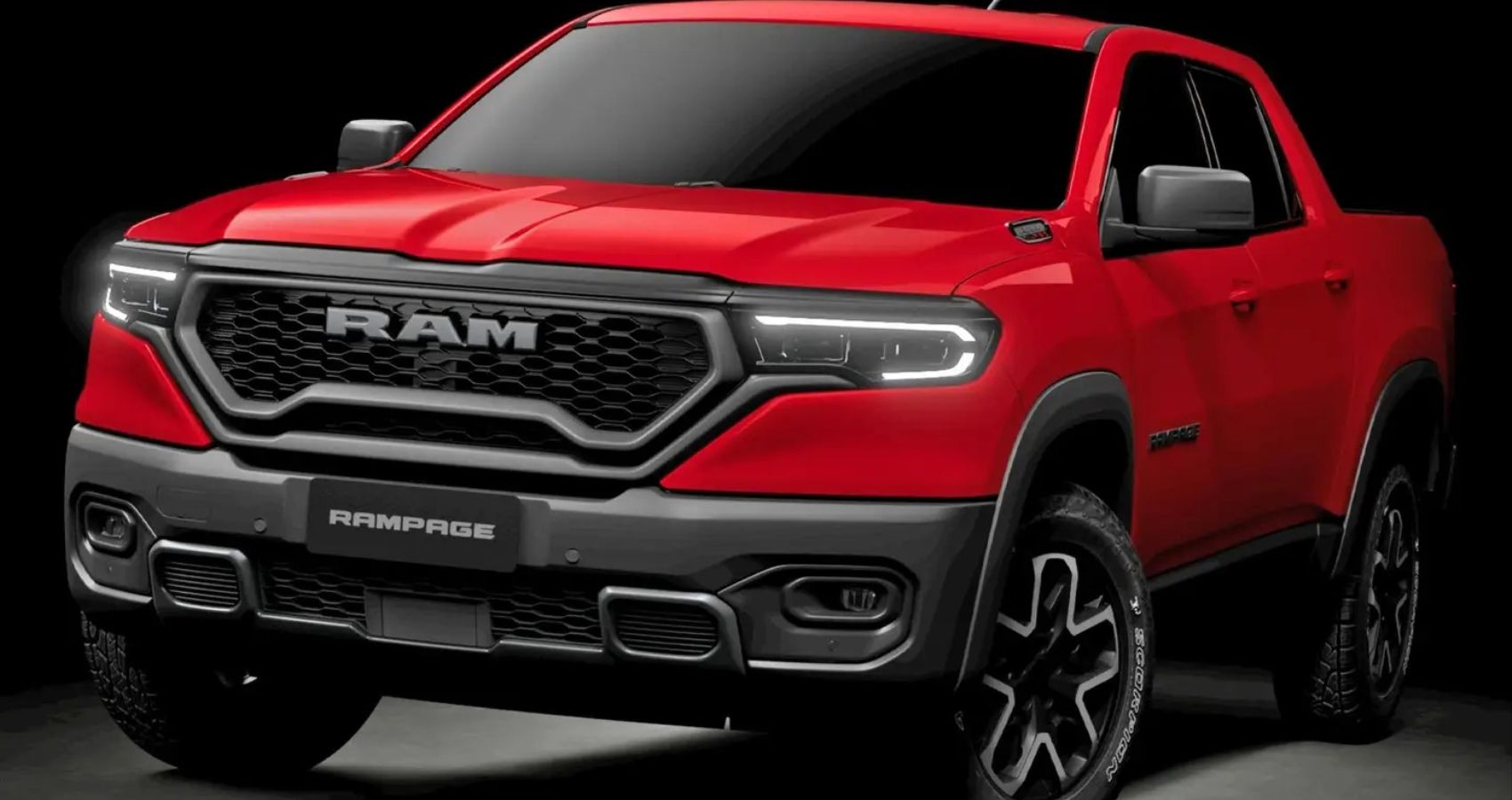
Towing Capacity:
- This is the maximum weight a truck can safely tow. It's a crucial factor if you plan to haul trailers, boats, or other heavy loads.
- Towing capacity is determined by the manufacturer and is influenced by factors such as engine power, axle ratio, and suspension.
- Exceeding the towing capacity is dangerous and can damage your truck's engine, transmission, and brakes. Always consult the owner's manual for the specific towing capacity of your truck.
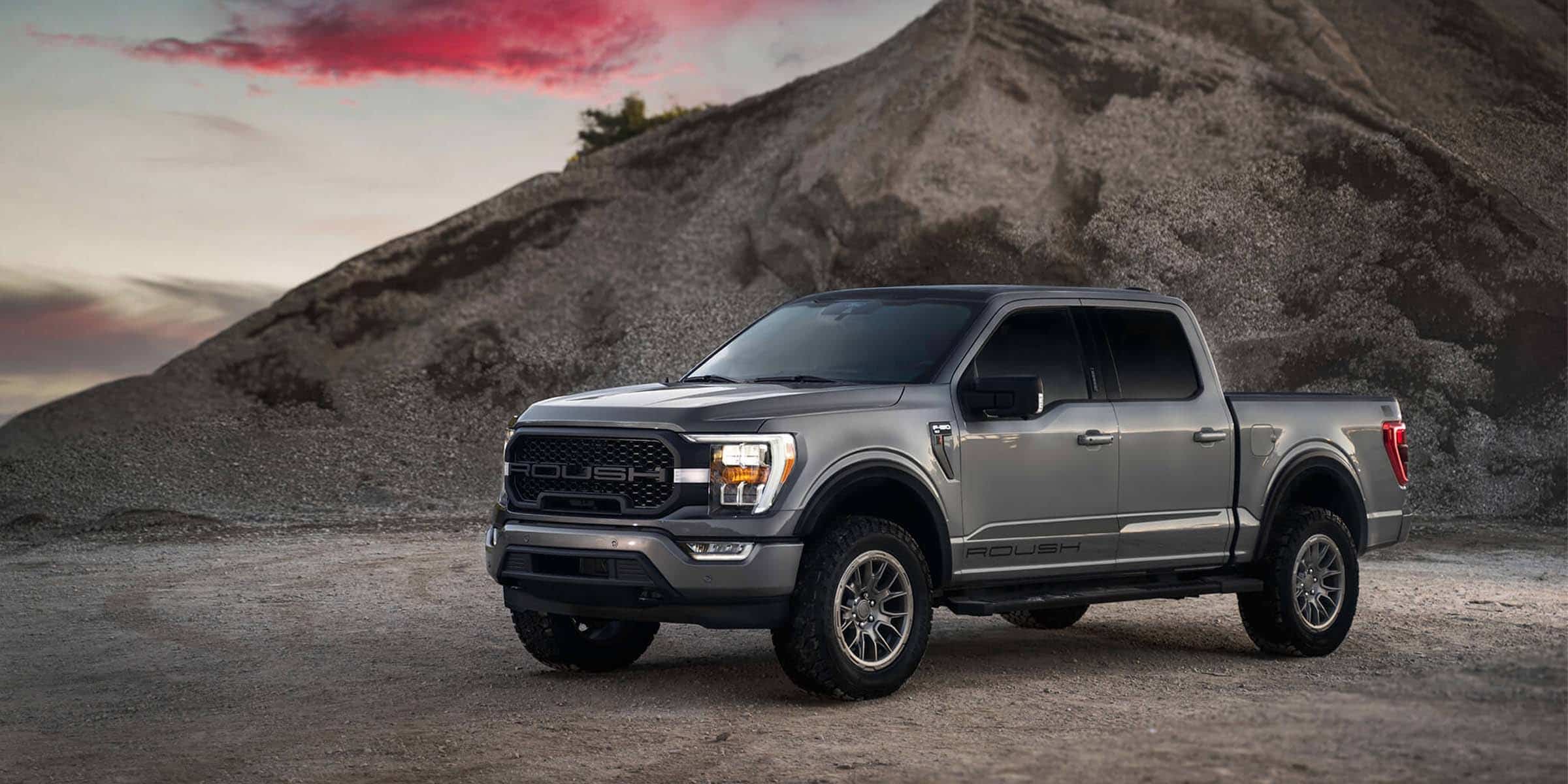
Based on my experience, many people underestimate the importance of understanding towing terminology. There's a difference between towing capacity (the max weight it can tow) and tongue weight (the amount of weight the trailer exerts on the hitch). Make sure you understand both.
-
Payload Capacity:
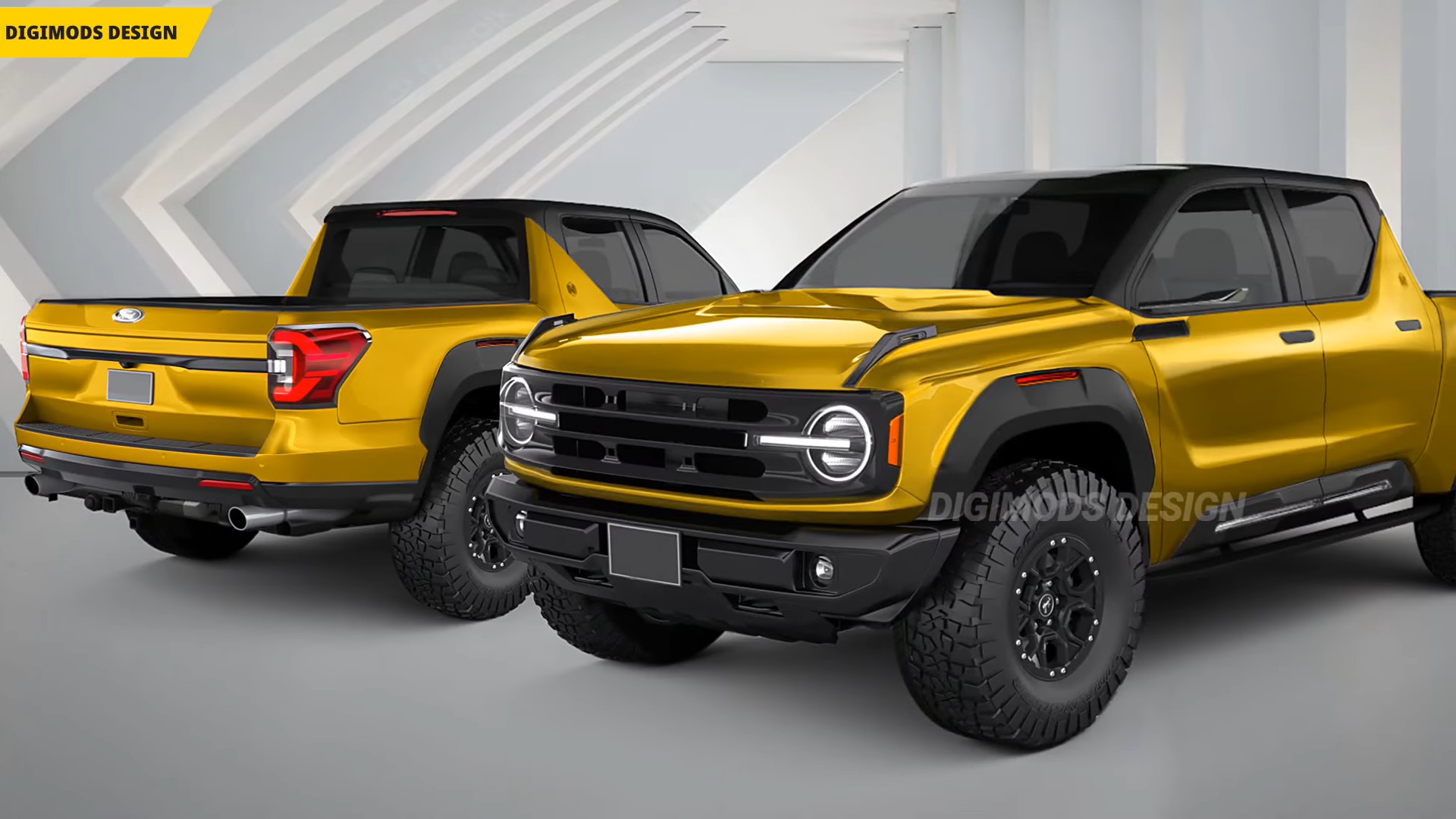
- Payload capacity refers to the maximum weight a truck can carry in its bed and cabin. This includes passengers, cargo, and any aftermarket accessories.
- Like towing capacity, payload capacity is determined by the manufacturer and is influenced by suspension, axle strength, and tire load ratings.
- Overloading your truck can strain the suspension, reduce braking performance, and even damage the frame.
Pro tip from us: Don't forget to factor in the weight of any modifications you make to your truck. Adding a heavy bed liner, toolbox, or lift kit will reduce your payload capacity.
-
Gross Vehicle Weight Rating (GVWR):
- GVWR is the maximum permissible weight of the fully loaded vehicle, including the truck itself, passengers, cargo, and fuel.
- This rating is crucial for safety and legal compliance. Exceeding the GVWR can lead to fines and increased risk of accidents.
- GVWR is a fixed number determined by the manufacturer. You can find it on a sticker typically located on the driver's side doorjamb.
-
Gross Combined Weight Rating (GCWR):
- GCWR is the maximum permissible weight of the truck, trailer, and all their contents combined.
- This rating is essential if you plan to tow a trailer. It ensures that the truck can safely handle the combined weight of the vehicle and trailer.
- GCWR is always higher than GVWR. It takes into account the additional weight being towed.
-
Fuel Efficiency (MPG):
- Fuel efficiency is measured in miles per gallon (MPG) and indicates how far a truck can travel on a gallon of fuel.
- MPG ratings vary depending on factors such as engine type, driving conditions, and load.
- The EPA (Environmental Protection Agency) provides MPG ratings for most vehicles. These ratings can be a useful starting point, but your actual fuel economy may vary.
Common mistakes to avoid are: relying solely on EPA estimates. Your driving habits, the terrain you drive on, and even the weather can significantly impact your fuel economy.
-
Safety Ratings:
- Safety ratings are assigned by organizations like the National Highway Traffic Safety Administration (NHTSA) and the Insurance Institute for Highway Safety (IIHS).
- These ratings evaluate a truck's performance in crash tests and its ability to protect occupants in the event of an accident.
- Safety ratings are an important consideration, especially if you plan to use the truck as a family vehicle.
-
Reliability Ratings:
- Reliability ratings reflect how likely a truck is to experience mechanical problems or require repairs.
- These ratings are often based on surveys of truck owners. They provide insights into the long-term dependability of different models.
- J.D. Power and Consumer Reports are reputable sources for reliability ratings.
Where to Find Pickup Truck Ratings
Several reliable sources provide pickup truck ratings and reviews:
- Manufacturer Websites: Automaker websites offer detailed specifications and ratings for their trucks.
- NHTSA (National Highway Traffic Safety Administration): Provides safety ratings and recall information.
- IIHS (Insurance Institute for Highway Safety): Conducts crash tests and publishes safety ratings.
- J.D. Power: Offers reliability ratings and customer satisfaction surveys.
- Consumer Reports: Provides independent reviews and ratings based on testing and owner surveys.
- Automotive News Websites: Websites like Edmunds, Kelley Blue Book (KBB), and Car and Driver offer in-depth reviews and comparisons.
How to Interpret Pickup Truck Ratings
Understanding the numbers is only half the battle. Here's how to interpret pickup truck ratings to make the best decision for your needs:
- Prioritize Your Needs: Determine what's most important to you. Do you need maximum towing capacity, fuel efficiency, or safety?
- Compare Models: Compare the ratings of different trucks that meet your basic requirements. Pay attention to the specific areas that matter most to you.
- Read Reviews: Supplement the ratings with reviews from reputable sources. Reviews can provide valuable insights into the real-world performance and reliability of different trucks.
- Consider Your Budget: Factor in the cost of the truck, as well as ongoing expenses such as fuel, insurance, and maintenance.
- Test Drive: Before making a final decision, test drive the trucks you're considering. This will give you a feel for how they handle and whether they meet your needs.
Matching Ratings to Your Specific Needs
The ideal pickup truck rating varies depending on your intended use. Here are some scenarios:
- For Heavy Towing: Prioritize towing capacity and GCWR. Look for trucks with powerful engines, heavy-duty transmissions, and strong axles.
- For Daily Commuting: Focus on fuel efficiency and comfort. Consider trucks with smaller engines, lighter curb weights, and comfortable interiors.
- For Off-Roading: Look for trucks with high ground clearance, four-wheel drive, and skid plates. Pay attention to approach and departure angles.
- For Family Use: Prioritize safety ratings and passenger space. Consider trucks with advanced safety features and comfortable rear seats.
- For Work Use: Focus on payload capacity, durability, and practicality. Look for trucks with strong beds, durable interiors, and available work packages.
Beyond the Numbers: Other Factors to Consider
While ratings are important, don't overlook other factors:
- Reliability: Research the long-term reliability of different models. A truck with high ratings but poor reliability may end up costing you more in the long run.
- Features and Technology: Consider the available features and technology, such as infotainment systems, driver-assistance features, and connectivity options.
- Comfort and Interior: Evaluate the comfort of the seats, the quality of the materials, and the overall design of the interior.
- Styling: Choose a truck that you find aesthetically pleasing. After all, you'll be looking at it every day.
- Resale Value: Research the resale value of different trucks. A truck with good resale value will be easier to sell or trade in down the road.
Common Mistakes to Avoid When Evaluating Pickup Truck Ratings
- Ignoring Payload Capacity: Many people focus solely on towing capacity and forget about payload. Overloading your truck can be just as dangerous as exceeding the towing capacity.
- Assuming All Trucks Are the Same: Different trucks have vastly different capabilities and features. Don't assume that all trucks in the same class are created equal.
- Relying Solely on Advertising: Manufacturers often exaggerate the capabilities of their trucks in advertising. Always verify the ratings and specifications with reliable sources.
- Not Considering Long-Term Costs: Factor in the cost of fuel, insurance, maintenance, and repairs when evaluating different trucks.
- Skipping the Test Drive: A test drive is essential for getting a feel for how a truck handles and whether it meets your needs.
The Future of Pickup Truck Ratings
Pickup truck ratings are constantly evolving to reflect changes in technology and consumer preferences. Expect to see more emphasis on:
- Electric Truck Ratings: As electric trucks become more common, new ratings will emerge to evaluate their range, charging time, and battery performance.
- Advanced Safety Features: Ratings will increasingly focus on advanced safety features such as automatic emergency braking, lane departure warning, and adaptive cruise control.
- Connectivity and Technology: Ratings will evaluate the quality and usability of infotainment systems, smartphone integration, and other connected features.
- Sustainability: Environmental considerations will play a larger role in truck ratings, with a focus on fuel efficiency, emissions, and the use of sustainable materials.
Conclusion: Making an Informed Decision
Choosing the right pickup truck requires careful consideration of your needs, budget, and preferences. Understanding pickup truck ratings is crucial for making an informed decision. By evaluating the key ratings, consulting reliable sources, and considering other important factors, you can find the perfect truck to fit your lifestyle and needs. Don't rush the process. Take your time, do your research, and test drive different models before making a final decision. The reward will be a truck that you'll enjoy for years to come.
By understanding and utilizing pickup truck ratings effectively, you'll be well-equipped to navigate the complex world of trucks. Happy Truck Hunting!
Here's a great external resource from KBB about truck ratings.
[Internal Link to another article about "Best Truck Accessories"](URL to be inserted) [Internal Link to another article about "Truck Maintenance Tips"](URL to be inserted)