The Ultimate Guide to Peterbilt Truck Cost: Factors, Models, and Financing
Introduction
Peterbilt Truck Cost
Peterbilt trucks are renowned for their quality, durability, and iconic design. They are a popular choice for owner-operators and large fleets alike. However, this reputation comes with a price tag. Understanding the true cost of a Peterbilt, including initial purchase, maintenance, and long-term ownership expenses, is crucial for making informed decisions.
This comprehensive guide breaks down the various factors influencing the cost of Peterbilt trucks. We will explore the different models, customization options, and financing strategies. By the end, you'll have a clear picture of what it takes to own and operate one of these legendary vehicles.
Why Choose a Peterbilt Truck?
Before diving into the costs, let's briefly examine why Peterbilt trucks are so desirable. Their appeal extends beyond just aesthetics.
- Durability and Reliability: Peterbilt trucks are built to withstand the rigors of long-haul trucking. This translates to fewer breakdowns and less downtime.
- Resale Value: Peterbilt trucks hold their value remarkably well. This is a significant advantage when it's time to upgrade or sell your truck.
- Driver Comfort: Peterbilt prioritizes driver comfort with spacious cabs, ergonomic designs, and advanced technology. This leads to increased driver satisfaction and reduced fatigue.
- Customization Options: Peterbilt offers extensive customization options. You can tailor your truck to your specific needs and preferences.
- Prestige and Image: Owning a Peterbilt comes with a certain level of prestige. It's a statement about your commitment to quality and professionalism.
Factors Influencing the Cost of a Peterbilt Truck
The cost of a Peterbilt truck is influenced by a variety of factors. Let's examine these in detail:
-
Model Type: Peterbilt offers a range of models, each designed for different applications.
- Peterbilt 579: A popular choice for long-haul trucking, known for its fuel efficiency and aerodynamic design. The cost can range from $160,000 to $220,000 depending on specifications.
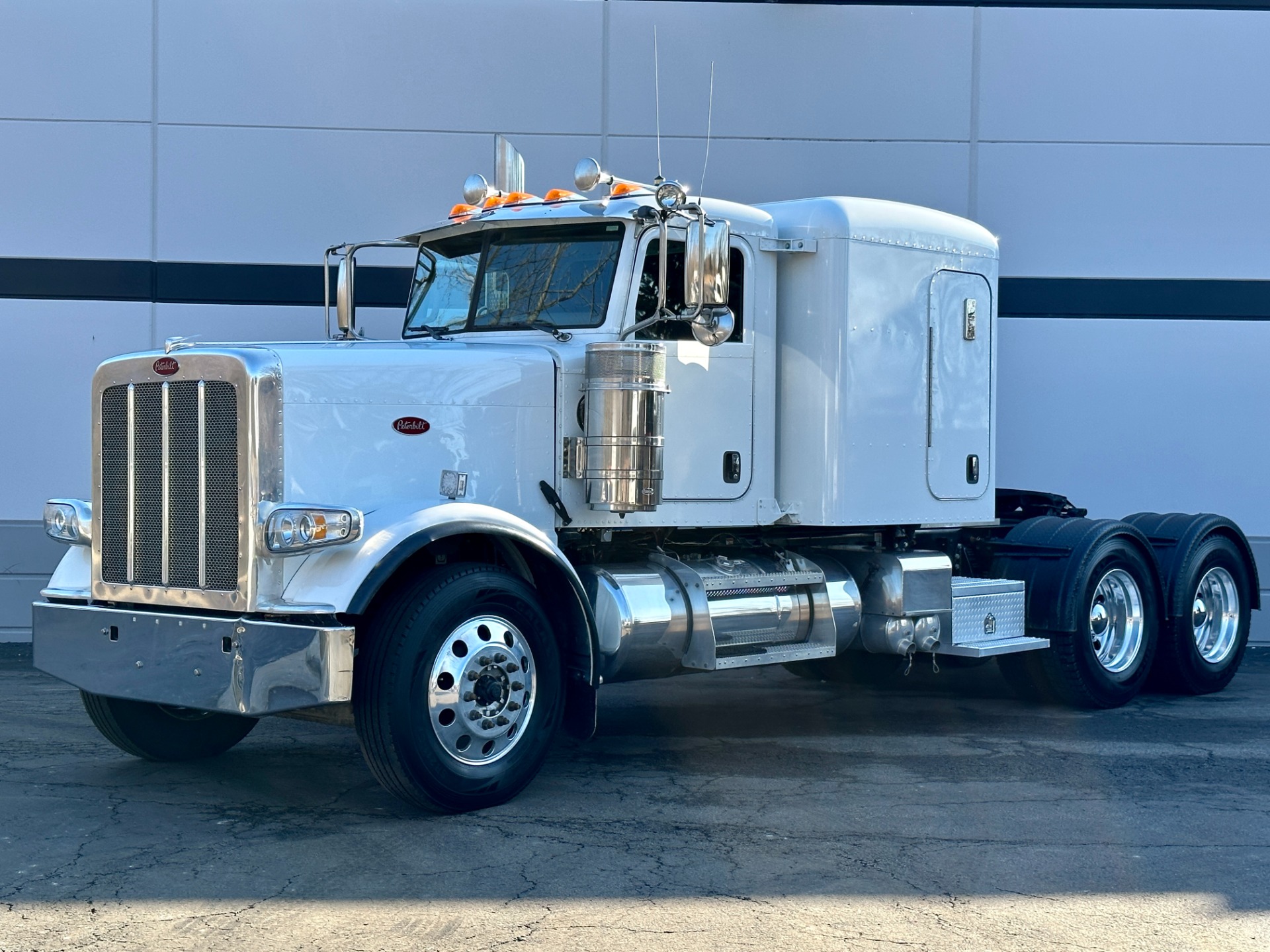
- Peterbilt 389: A classic, iconic model with a traditional long-nose design. It's often favored by owner-operators who appreciate its vintage appeal. Prices typically start around $180,000 and can exceed $250,000 with customization.
- Peterbilt 567: A versatile model suitable for a variety of applications, including vocational and construction. Costs generally fall between $150,000 and $200,000.
- Peterbilt 520: Designed for refuse and vocational applications, offering maneuverability and durability in demanding environments. Expect to pay between $170,000 and $230,000.

-
Engine Type and Horsepower: The engine is a major cost component. Options range from Cummins to PACCAR engines, with varying horsepower ratings.
- Higher horsepower engines generally cost more upfront but can offer better performance and fuel efficiency in certain applications.
- Consider the long-term fuel costs associated with different engine options. A more fuel-efficient engine can save you significant money over the lifespan of the truck.
- The PACCAR MX-13 engine is a popular choice for its balance of power and fuel economy.
-
Transmission: The choice of transmission, whether manual or automatic, also affects the price.
- Automatic transmissions are becoming increasingly popular due to their ease of use and potential for improved fuel efficiency. However, they often come with a higher initial cost.
- Manual transmissions are typically less expensive but require more driver skill and can be less fuel-efficient in some situations.
-
Axle Configuration: The number and type of axles influence the truck's load-carrying capacity and overall cost.
- Tandem axles are common for long-haul applications.
- Vocational trucks may require specialized axle configurations for heavy loads or off-road use.
-
Cab Configuration: The cab configuration, including sleeper size and features, significantly impacts the price.
- Sleeper cabs offer more space and amenities for long-haul drivers. The larger the sleeper, the higher the cost.
- Day cabs are suitable for shorter routes or vocational applications.
- Consider the driver's needs and preferences when selecting a cab configuration. A comfortable cab can improve driver retention and productivity.
-
Customization Options: Peterbilt offers a wide range of customization options. These include paint colors, interior finishes, technology packages, and more.
- Customization can significantly increase the price of the truck.
- Prioritize the features that are most important to your business and driver needs.
Breaking Down the Costs: Initial Purchase vs. Long-Term Ownership
It's essential to distinguish between the initial purchase price and the long-term costs of owning a Peterbilt truck.
- Initial Purchase Price: This includes the base price of the truck, plus any options and customizations. Don't forget to factor in sales tax, registration fees, and other upfront costs.
- Financing Costs: Unless you're paying cash, you'll need to factor in interest rates and loan terms. The longer the loan term, the lower the monthly payments, but the more interest you'll pay over the life of the loan.
- Fuel Costs: Fuel is one of the largest ongoing expenses for trucking companies and owner-operators. Choose a fuel-efficient engine and practice fuel-saving driving techniques to minimize these costs.
- Maintenance and Repairs: Regular maintenance is crucial for keeping your Peterbilt truck running smoothly. This includes oil changes, filter replacements, and inspections. Be prepared for unexpected repairs, as even the most reliable trucks can experience breakdowns.
- Insurance: Trucking insurance can be expensive, depending on your coverage limits and driving record. Shop around for the best rates and consider factors like cargo insurance and liability coverage.
- Tires: Tires are a significant expense, especially for long-haul trucks. Choose high-quality tires that are designed for your specific application.
- Driver Salaries/Wages: If you employ drivers, their salaries or wages will be a major expense. Factor in benefits, such as health insurance and retirement contributions.
- Permits and Licenses: You'll need to obtain various permits and licenses to operate a commercial truck, depending on your location and the type of freight you're hauling.
- Depreciation: Trucks depreciate over time, meaning their value decreases. This is an important factor to consider when calculating your overall cost of ownership.
Financing Options for Peterbilt Trucks
Financing is a common way to purchase a Peterbilt truck. Several options are available:
- Traditional Bank Loans: Banks offer loans to qualified borrowers. They typically require a good credit score and a down payment.
- Equipment Financing Companies: These companies specialize in financing commercial vehicles. They may be more willing to work with borrowers who have less-than-perfect credit.
- Peterbilt Financial: Peterbilt offers its own financing programs through Peterbilt Financial. These programs may offer competitive rates and flexible terms.
- Leasing: Leasing can be an attractive option for those who want to avoid the upfront costs of ownership. However, you won't own the truck at the end of the lease term.
Pro tips from us:
- Shop Around: Get quotes from multiple lenders to compare interest rates and terms.
- Consider a Down Payment: A larger down payment can lower your monthly payments and reduce the amount of interest you pay.
- Improve Your Credit Score: A good credit score will help you qualify for the best interest rates.
- Negotiate: Don't be afraid to negotiate the price of the truck and the terms of the loan.
Common mistakes to avoid are:
- Overspending on Customizations: While it's tempting to add all the bells and whistles, focus on the features that are essential for your business.
- Ignoring Maintenance: Neglecting regular maintenance can lead to costly repairs down the road.
- Choosing the Wrong Engine: Select an engine that is appropriate for your application. An underpowered engine can lead to poor performance and increased fuel consumption. An overpowered engine can be unnecessarily expensive.
- Failing to Shop Around for Insurance: Insurance rates can vary significantly. Get quotes from multiple providers to find the best deal.
- Not factoring in all costs: Ensure that you have considered all costs associated with the truck, including depreciation, licenses, and permits.
Strategies to Reduce Peterbilt Truck Costs
While Peterbilt trucks can be expensive, there are several strategies you can use to reduce your overall costs:
- Buy Used: A used Peterbilt truck can be a more affordable option than buying new. Be sure to have the truck inspected by a qualified mechanic before you buy it.
- Negotiate the Price: Don't be afraid to negotiate the price of the truck. Dealers may be willing to offer discounts or incentives to close a sale.
- Maximize Fuel Efficiency: Practice fuel-efficient driving techniques, such as avoiding excessive idling and maintaining a steady speed.
- Perform Regular Maintenance: Regular maintenance can help prevent costly repairs and extend the life of your truck.
- Take Advantage of Warranties: Peterbilt trucks typically come with warranties. Be sure to understand the terms of your warranty and take advantage of it if necessary.
- Join a Buying Group: Some organizations offer discounts on trucks and other equipment to their members.
- Consider Telematics: Telematics systems can help you track fuel consumption, driver behavior, and other data that can help you improve efficiency and reduce costs.
Real-World Examples of Peterbilt Truck Costs
To illustrate the real-world costs of owning a Peterbilt truck, let's consider a few examples:
- Owner-Operator (Long-Haul): An owner-operator purchasing a new Peterbilt 579 with a sleeper cab and standard features might pay $180,000 to $200,000. Factoring in fuel, maintenance, insurance, and financing costs, their annual operating expenses could range from $80,000 to $120,000.
- Small Fleet (Regional Haul): A small fleet purchasing three Peterbilt 567 day cabs for regional hauling might pay $150,000 to $170,000 per truck. Their annual operating expenses, including driver salaries, could range from $60,000 to $100,000 per truck.
- Construction Company (Vocational): A construction company purchasing a Peterbilt 520 for dump truck applications might pay $170,000 to $200,000. Their annual operating expenses, including maintenance and repairs, could range from $50,000 to $80,000.
These are just examples, and the actual costs will vary depending on your specific circumstances.
The Future of Peterbilt Truck Costs
Several trends are likely to influence the cost of Peterbilt trucks in the future:
- Electric and Alternative Fuel Vehicles: As electric and alternative fuel vehicles become more common, the cost of these trucks is likely to decrease. However, the initial purchase price may still be higher than traditional diesel trucks.
- Advanced Technology: Advanced technology, such as autonomous driving systems and advanced safety features, is likely to become more prevalent. This could increase the cost of trucks but also improve safety and efficiency.
- Regulatory Changes: Regulatory changes, such as stricter emissions standards, could also impact the cost of trucks. Manufacturers may need to invest in new technologies to comply with these regulations.
Conclusion
The cost of a Peterbilt truck is a significant investment. However, with careful planning and research, you can make informed decisions that will help you minimize your expenses and maximize your return on investment. Consider all the factors discussed in this guide. Don't forget about long-term operating costs, and carefully evaluate financing options.
By understanding the true cost of ownership, you can make a smart investment in a Peterbilt truck that will serve you well for years to come.
Internal Linking:
- Consider linking to another article on your blog about fuel efficiency tips for truckers.
External Linking:
- Link to Peterbilt's official website (https://www.peterbilt.com/) for model specifications and the latest information.
I believe this provides a strong foundation for a comprehensive and engaging blog post that will be valuable to readers and well-received by search engines. Let me know if you'd like me to expand on any particular area or make any adjustments!