Penske 12-Foot Truck Height Clearance: A Complete Guide for Safe and Stress-Free Moving
Moving can be a daunting task, and choosing the right rental truck is a crucial first step. If you're considering a Penske 12-foot truck, understanding its height clearance is paramount for a safe and stress-free experience. This comprehensive guide will delve into every aspect of the Penske 12-foot truck's height, providing you with the knowledge to navigate bridges, tunnels, parking garages, and other overhead obstacles with confidence. We'll cover everything from the exact height dimensions to practical tips for avoiding costly damage.
Penske 12 Foot Truck Height Clearance
Understanding your rental truck's dimensions is not just a suggestion; it's a necessity for responsible driving and avoiding potentially expensive mishaps.Why is Height Clearance So Important?
Ignoring height clearances can lead to serious consequences. Think about the damage a truck could sustain from hitting a low bridge. Beyond the immediate damage to the truck, you could face:
- Significant Repair Costs: Rental agreements typically hold you responsible for any damage incurred during your rental period. Hitting an overhead obstacle can result in hefty repair bills.
- Rental Agreement Violations: Damaging the truck due to negligence (like ignoring height restrictions) can violate your rental agreement, potentially leading to further financial penalties.
- Safety Hazards: Collisions with overhead structures can cause accidents, endangering yourself and others on the road.
- Inconvenience and Delays: Imagine being stuck under a bridge, waiting for assistance and disrupting your moving schedule.
- Legal Repercussions: Depending on the severity of the damage and local laws, you might even face legal consequences.

Therefore, knowing and adhering to height clearances is non-negotiable when operating a large vehicle like a Penske 12-foot truck. It's about protecting yourself, your belongings, and others on the road.
The Official Penske 12-Foot Truck Height: What You Need to Know
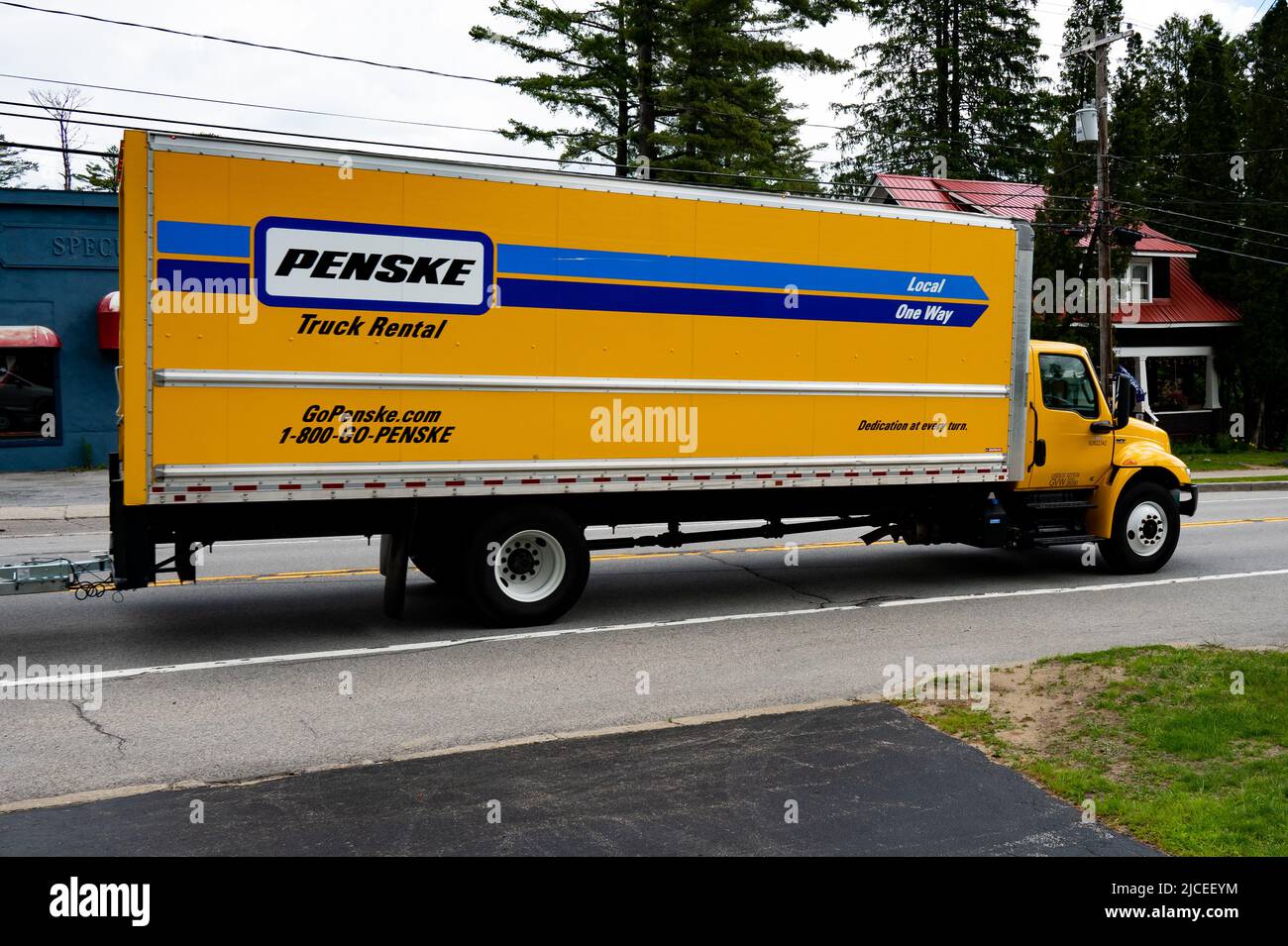
The approximate height of a Penske 12-foot truck is typically around 8 feet 9 inches to 9 feet 6 inches (105-114 inches). However, this is crucial: always verify the exact height of the specific truck you are renting.
-
Why the Variation? While Penske maintains a consistent fleet, slight variations in height can occur due to factors such as:
- Specific Truck Model: Penske uses different manufacturers, and each model might have slightly different dimensions.
- Suspension: The truck's suspension can affect its overall height, especially when loaded.
- Tire Pressure: Underinflated tires can slightly reduce the truck's height, while overinflated tires can increase it.
- Modifications: Although rare, any aftermarket modifications to the truck's roof or body could alter the height.
-
How to Verify the Height:
- Check the Decal: Look for a sticker or decal inside the truck's cabin, usually on the dashboard or door frame. This decal should display the vehicle's official height.
- Ask Penske Representative: When picking up your truck, confirm the height with a Penske representative. They can provide you with the most accurate information for that specific vehicle.
- Measure It Yourself (If Possible): If you have a measuring tape and feel comfortable doing so, you can measure the height yourself. Park the truck on a level surface and measure from the ground to the highest point of the roof.
Pro Tip: Always err on the side of caution. If you're unsure about the exact height, assume the highest possible clearance to avoid any potential issues.
Navigating Low Clearances: Practical Tips and Strategies
Once you know the height of your Penske 12-foot truck, the next step is to plan your route and be aware of potential low-clearance areas. Here are some practical tips:
-
Route Planning is Key:
- Use GPS with Truck-Specific Routing: Standard GPS devices often don't account for truck height restrictions. Invest in a GPS app or device specifically designed for trucks, which allows you to input your vehicle's dimensions and avoid low-clearance routes.
- Consult Trucking Maps: Trucking maps highlight low bridges, tunnels, and other areas with height restrictions. These maps are invaluable for planning a safe route.
- Online Route Planners: There are several online route planners designed for truck drivers. These planners allow you to input your truck's dimensions and avoid restricted areas.
-
Pay Attention to Signage:
- Heed Warning Signs: Always pay close attention to warning signs indicating low clearances. These signs are usually posted well in advance of the obstacle, giving you time to find an alternate route.
- Don't Rely Solely on GPS: While GPS devices are helpful, they are not foolproof. Always double-check the signage to ensure the route is safe for your truck.
-
Be Aware of Your Surroundings:
- Scan Ahead: Constantly scan the road ahead for potential hazards, including low-hanging branches, power lines, and building overhangs.
- Use a Spotter (If Possible): If you're navigating a particularly tight spot, have someone act as a spotter to guide you. The spotter can help you identify potential obstacles and ensure you have enough clearance.
-
When in Doubt, Turn Around:
- Don't Risk It: If you're unsure about the clearance, don't risk it. Find a safe place to turn around and find an alternate route. It's better to be safe than sorry.
- Look for Alternate Routes: Use your GPS or map to find an alternate route that avoids the low-clearance area.
-
Consider the Load:
- Heavy Loads: Be aware that a heavy load can compress the truck's suspension, slightly reducing its height.
- Uneven Loading: Unevenly distributed loads can also affect the truck's height and stability. Make sure to distribute the weight evenly throughout the truck.
Common Mistakes to Avoid
Based on my experience and from what I've seen countless other movers experience, here are some common mistakes people make when dealing with Penske 12-foot truck height clearances:
- Assuming All Trucks Are the Same Height: As mentioned earlier, there can be slight variations in height between different trucks. Never assume that all Penske 12-foot trucks have the same height.
- Ignoring Warning Signs: It's surprising how many people ignore warning signs, thinking they know better. Always heed warning signs indicating low clearances.
- Relying Solely on GPS: GPS devices are helpful, but they are not always accurate. Always double-check the signage to ensure the route is safe.
- Driving Too Fast: Driving too fast gives you less time to react to potential hazards, including low clearances. Drive at a safe and controlled speed.
- Not Checking the Truck's Height: This is perhaps the most common mistake. Always verify the exact height of the specific truck you are renting.
Consequences of Ignoring Height Clearances
The consequences of ignoring height clearances can be severe, ranging from minor inconveniences to major accidents. Here's a breakdown:
- Damage to the Truck: Hitting an overhead obstacle can damage the truck's roof, body, or other components. This can result in costly repairs that you will be responsible for.
- Damage to Overhead Structures: You could also damage the overhead structure, such as a bridge, tunnel, or building. This can lead to legal repercussions and further financial penalties.
- Accidents and Injuries: Collisions with overhead structures can cause accidents, endangering yourself and others on the road. In severe cases, these accidents can result in serious injuries or fatalities.
- Delays and Inconvenience: Getting stuck under a bridge or in a tunnel can cause significant delays and inconvenience, disrupting your moving schedule and causing stress.
- Increased Rental Costs: In addition to repair costs, you may also incur additional rental costs due to the damage or delays caused by ignoring height clearances.
Penske's Responsibility and Your Due Diligence
While Penske has a responsibility to provide you with accurate information about the truck's height, it's ultimately your responsibility to ensure that you are operating the vehicle safely and legally. Penske will usually include the height information, but you are the one who needs to drive responsibly.
- Penske's Responsibility: Penske is responsible for providing you with a truck that is in good working order and for providing you with accurate information about the truck's dimensions, including its height.
- Your Responsibility: You are responsible for planning your route, paying attention to signage, and operating the truck safely. You are also responsible for any damage caused by your negligence or failure to follow traffic laws.
Internal Linking: For more information on moving truck rentals, see our article on [Choosing the Right Size Moving Truck](Insert Link to Relevant Article Here)
External Linking: For official information on Penske truck rentals, visit the Penske Truck Rental Website.
Conclusion: Height Clearance is Non-Negotiable
Operating a Penske 12-foot truck requires careful attention to height clearances. By understanding the truck's dimensions, planning your route, and paying attention to signage, you can avoid costly damage, accidents, and delays. Always verify the truck's height, use a GPS with truck-specific routing, and never hesitate to turn around if you're unsure about the clearance. Remember, safety should always be your top priority. By following these tips, you can ensure a safe and stress-free moving experience. It's always better to be over-prepared and cautious than to risk damaging the truck or causing an accident. Taking the time to understand and adhere to height clearances is a small investment that can save you a lot of trouble in the long run. Safe travels!