The Ultimate Guide to OTR Service Trucks: Keeping America Rolling
The open road is the lifeblood of the American economy. Day and night, trucks crisscross the nation, delivering essential goods to every corner of the country. But what happens when one of these vital vehicles breaks down hundreds of miles from the nearest repair shop? That's where OTR (Over-the-Road) service trucks come to the rescue.
Otr Service Truck
This comprehensive guide will delve into everything you need to know about OTR service trucks, from their essential functions and key components to choosing the right truck for your needs and ensuring optimal operation. Whether you're a fleet manager, owner-operator, or aspiring mobile mechanic, this article will provide you with valuable insights into this critical segment of the transportation industry.
What is an OTR Service Truck and Why Are They Important?
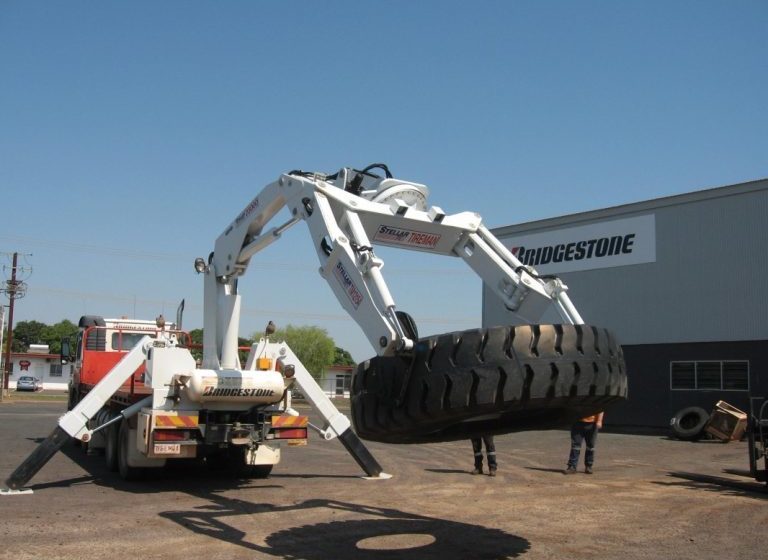
An OTR service truck is a mobile workshop on wheels, equipped to perform on-site repairs and maintenance for commercial vehicles stranded on highways and remote locations. These trucks are essentially self-contained units, carrying the tools, equipment, and parts needed to diagnose and fix a wide range of mechanical issues.
Their importance cannot be overstated. Without OTR service trucks, breakdowns would lead to significant delays, increased costs, and potential disruptions in the supply chain. These trucks minimize downtime, allowing drivers to get back on the road quickly and safely.
Here's a breakdown of why OTR service trucks are so vital:
-
Reduced Downtime: OTR service trucks provide immediate assistance, minimizing the time a truck spends out of service. This translates to less lost revenue for trucking companies and owner-operators.
-
Cost Savings: On-site repairs often eliminate the need for costly towing to a repair shop, saving time and money. Furthermore, preventive maintenance performed by OTR service trucks can help prevent major breakdowns and extend the life of commercial vehicles.
Increased Safety: By addressing mechanical issues promptly, OTR service trucks help ensure the safety of drivers and other motorists. A well-maintained truck is less likely to experience a catastrophic failure on the road.
-
Convenience: OTR service trucks bring the repair shop to the truck, eliminating the need for drivers to arrange transportation and accommodation while their vehicles are being repaired.


Key Components of a Well-Equipped OTR Service Truck
A well-equipped OTR service truck is more than just a pickup with some tools thrown in the back. It's a carefully designed and organized mobile workshop, containing a wide array of equipment and supplies.
Here are some of the essential components:
-
Reliable Truck Chassis: The foundation of any OTR service truck is a sturdy and dependable chassis. Common choices include heavy-duty pickup trucks (like Ford F-series, Ram trucks, or Chevy Silverados) or medium-duty trucks, depending on the weight and volume of equipment being carried. The chassis should be well-maintained and equipped with features like four-wheel drive for navigating challenging terrain.
-
Service Body: The service body is the storage and organization system mounted on the truck chassis. It typically features multiple compartments, drawers, and shelves for storing tools, parts, and equipment. A well-designed service body maximizes space and provides easy access to everything needed for repairs.
-
Air Compressor: An air compressor is essential for powering pneumatic tools, inflating tires, and performing other tasks. Choose a compressor with sufficient capacity to handle the demands of your repair work.
-
Welding Equipment: Welding equipment is a must-have for repairing damaged metal components, such as frames, exhaust systems, and body panels. Consider a multi-process welder that can perform MIG, TIG, and stick welding.
-
Diagnostic Tools: Modern commercial vehicles rely heavily on electronic systems. Diagnostic tools, such as code readers and scan tools, are essential for identifying and troubleshooting electronic issues.
-
Fluid Management System: A fluid management system allows you to safely and efficiently handle fluids like oil, coolant, and transmission fluid. This system should include tanks, pumps, and hoses for transferring fluids between the truck and the vehicle being serviced.
-
Power Inverter/Generator: A power inverter or generator provides electricity for running power tools, lights, and other equipment. Choose a unit with sufficient wattage to handle your power needs.
-
Hand Tools and Specialty Tools: A comprehensive set of hand tools, including wrenches, sockets, screwdrivers, pliers, and hammers, is essential for any repair job. In addition, you'll need specialty tools for specific tasks, such as brake work, engine repair, and electrical troubleshooting.
-
Lighting: Adequate lighting is crucial for working safely and efficiently, especially at night or in dimly lit areas. Consider installing work lights on the service body and carrying portable lights for illuminating hard-to-reach areas.
-
Safety Equipment: Safety should always be a top priority. Be sure to equip your OTR service truck with essential safety equipment, such as fire extinguishers, first-aid kit, safety glasses, gloves, and reflective vests.
Choosing the Right OTR Service Truck for Your Needs
Selecting the right OTR service truck is a critical decision that depends on several factors, including the type of vehicles you'll be servicing, the range of services you'll be offering, and your budget.
Here are some key considerations:
-
Vehicle Type: Will you be primarily servicing light-duty trucks, heavy-duty trucks, or a mix of both? The size and weight of the vehicles you'll be working on will determine the size and capacity of the service truck you need.
-
Service Range: What types of repairs and maintenance will you be offering? If you plan to specialize in certain areas, such as engine repair or electrical work, you'll need to equip your truck with the necessary tools and equipment.
-
Budget: OTR service trucks can range in price from relatively affordable to quite expensive, depending on the size, features, and equipment. Determine your budget and prioritize the features that are most important to you.
-
New vs. Used: You can purchase a new or used OTR service truck. New trucks offer the latest technology and features, but they come at a higher price. Used trucks can be a more affordable option, but it's important to carefully inspect them for any potential problems.
-
Customization: Consider customizing your OTR service truck to meet your specific needs. You can add custom storage solutions, specialized equipment, and other features to make your truck more efficient and productive.
Pro tips from us: Based on my experience, it's often better to invest in a slightly larger truck than you think you'll need. This provides room for future expansion and allows you to carry a wider range of tools and equipment.
Operating and Maintaining Your OTR Service Truck for Longevity
Owning an OTR service truck is just the first step. To ensure its longevity and reliability, you need to properly operate and maintain it.
Here are some essential tips:
-
Regular Maintenance: Follow a regular maintenance schedule for the truck chassis, service body, and all equipment. This includes changing the oil, checking the fluids, inspecting the brakes, and lubricating moving parts.
-
Proper Loading: Distribute the weight of your tools and equipment evenly throughout the service body. Avoid overloading the truck, as this can damage the suspension and other components.
-
Safe Driving Practices: Drive safely and defensively, especially when carrying heavy loads or operating in challenging conditions.
-
Equipment Care: Clean and maintain your tools and equipment regularly. Store them properly to prevent damage and corrosion.
-
Inventory Management: Keep track of your inventory of parts and supplies. Replenish your stock regularly to avoid running out of essential items.
-
Security: Protect your OTR service truck from theft and vandalism. Park it in a secure location and consider installing an alarm system.
Common mistakes to avoid are: Neglecting routine maintenance, overloading the truck, and failing to properly secure tools and equipment. These mistakes can lead to costly repairs, downtime, and even accidents.
The Future of OTR Service Trucks: Technology and Trends
The OTR service truck industry is constantly evolving, driven by technological advancements and changing market demands.
Here are some of the key trends shaping the future of OTR service trucks:
-
Telematics and Remote Diagnostics: Telematics systems allow fleet managers to track the location and performance of their vehicles in real time. Remote diagnostics capabilities enable technicians to diagnose problems remotely, often before they even arrive on site.
-
Electric and Hybrid Trucks: As the transportation industry moves towards electrification, electric and hybrid OTR service trucks are becoming increasingly popular. These trucks offer lower emissions and reduced operating costs.
-
3D Printing: 3D printing technology is being used to create custom parts and components for OTR service trucks. This allows technicians to quickly and easily replace damaged parts on site.
-
Augmented Reality (AR): AR technology is being used to provide technicians with real-time information and guidance during repairs. This can help them diagnose problems more quickly and accurately.
Regulations and Compliance for OTR Service Trucks
Operating an OTR service truck involves adhering to various regulations and compliance requirements. These regulations vary depending on the location and the type of services you're providing.
Some common regulations include:
-
DOT Regulations: The Department of Transportation (DOT) regulates the operation of commercial vehicles, including OTR service trucks. This includes requirements for driver licensing, vehicle inspections, and hours of service.
-
Environmental Regulations: OTR service trucks must comply with environmental regulations regarding emissions, waste disposal, and handling of hazardous materials.
-
Safety Regulations: Safety regulations cover a wide range of issues, including fire safety, electrical safety, and personal protective equipment.
Conclusion: Investing in Reliability on the Road
OTR service trucks are an indispensable part of the transportation industry, providing vital support to commercial vehicles on the road. By understanding the essential functions, key components, and best practices for operating and maintaining these trucks, you can ensure the reliability and efficiency of your fleet or mobile repair business. As technology continues to advance and the demands of the transportation industry evolve, OTR service trucks will remain a critical link in keeping America rolling. Staying informed about the latest trends and regulations is essential for success in this dynamic field. Resources like the American Trucking Associations (https://www.trucking.org/) can provide valuable insights and guidance.
Investing in a well-equipped and properly maintained OTR service truck is an investment in reliability, efficiency, and the continued flow of goods across the nation.