The Ultimate Guide to Lifting Your Jeep Comanche: Conquer Any Terrain
The Jeep Comanche (MJ) is a legendary vehicle, a compact pickup truck that blends Jeep's iconic off-road capability with the practicality of a truck bed. But what if you want to take that capability to the next level? Lifting your Comanche opens up a world of possibilities, allowing you to tackle tougher trails, fit larger tires, and achieve a more aggressive look. This comprehensive guide will walk you through everything you need to know about lifting your Jeep Comanche, from choosing the right lift kit to the installation process and beyond.
Lifted Comanche
Why Lift Your Jeep Comanche?
Before diving into the specifics, let's explore the benefits of lifting your MJ:
- Increased Ground Clearance: This is the most obvious advantage. A lifted Comanche can clear obstacles that would leave a stock truck stuck. Rocks, logs, and deep ruts become less of a challenge.
- Larger Tire Fitment: Lifting provides the necessary space to install larger, more aggressive tires. Bigger tires offer better traction, improved off-road performance, and a more imposing stance.
- Improved Approach and Departure Angles: Lifting increases the angles at which your Comanche can approach and depart obstacles without scraping the bumpers or undercarriage.
- Enhanced Aesthetics: Let's face it, a lifted Comanche simply looks tougher. The increased ride height and larger tires give it a more aggressive and commanding presence.
- Better Visibility: Sitting higher provides a better view of the road and surrounding terrain, improving safety and awareness.

Choosing the Right Lift Kit: A Deep Dive
Selecting the right lift kit is crucial for achieving your desired results and ensuring the longevity of your Comanche. Several factors come into play, including your budget, intended use, and desired lift height.

Lift Height: Lift kits for the Comanche typically range from 2 inches to 6 inches or more. Consider how you plan to use your truck. A 2-3 inch lift is often sufficient for moderate off-roading and improved aesthetics, while a 4-6 inch lift is better suited for more serious trail adventures and larger tires.
-
Type of Lift Kit:
- Budget Boost/Coil Spacers: These are the most affordable option. They simply add spacers between the coil springs and the spring perch to lift the vehicle. While inexpensive, they don't improve ride quality and can limit suspension travel.
- Add-A-Leafs: These are added to the existing leaf spring pack to increase ride height and load capacity. They can stiffen the ride and may not provide as much lift as other options.
- Full Leaf Spring Packs: These replace the entire leaf spring pack with new, longer springs. They offer improved ride quality, increased lift height, and better load capacity compared to add-a-leafs.
- Short Arm Lift Kits: These kits include new coil springs, shocks, and sometimes extended sway bar links. They offer a good balance of performance and affordability for moderate off-roading.
- Long Arm Lift Kits: These are the most comprehensive and expensive option. They replace the factory control arms with longer arms, improving suspension articulation and ride quality, especially on rough terrain. Long arm kits typically require welding and more extensive modifications.
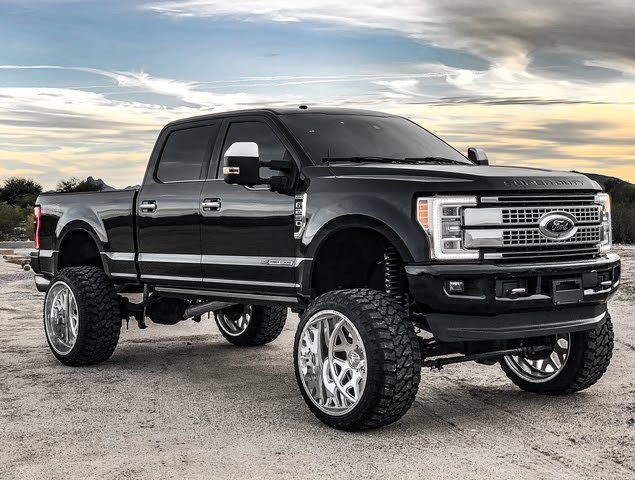
-
Components: A quality lift kit should include all the necessary components for a safe and proper installation. These may include:
- Coil springs or leaf springs
- Shocks
- Control arms (depending on the kit)
- Sway bar links
- Track bar or track bar relocation bracket
- Brake line extensions
- Steering correction components (e.g., drop pitman arm or adjustable track bar)
- Hardware
-
Brand Reputation: Research different lift kit manufacturers and read reviews from other Comanche owners. Established brands with a good reputation are more likely to offer quality products and reliable customer support. Some popular brands include Rubicon Express, Rough Country, Zone Offroad, and Iron Rock Off Road.
Pro tips from us: Consider the overall quality of the components. Shocks are a critical part of your suspension system, so don't skimp on them. Invest in quality shocks that are designed for lifted vehicles.
Installation: DIY vs. Professional
Installing a lift kit can be a challenging task, especially for those with limited mechanical experience. Before you decide to tackle the installation yourself, consider your skill level, available tools, and time commitment.
- DIY Installation: If you're comfortable working on vehicles and have the necessary tools (including a jack, jack stands, wrenches, sockets, and potentially a spring compressor), you can save money by installing the lift kit yourself. However, be prepared to spend a significant amount of time on the project, and follow the manufacturer's instructions carefully.
- Professional Installation: If you're not confident in your abilities, it's best to have the lift kit installed by a professional mechanic. This will ensure that the job is done correctly and safely. Get quotes from several shops before making a decision.
Common mistakes to avoid are: Not properly supporting the vehicle on jack stands, over-tightening bolts, and neglecting to torque all fasteners to the manufacturer's specifications. These mistakes can lead to serious safety issues.
Tires and Wheels: Completing the Look
Once you've lifted your Comanche, you'll want to upgrade to larger tires and possibly new wheels to complete the look and maximize performance.
- Tire Size: Determine the maximum tire size that will fit without rubbing. Consult online forums and Comanche communities to see what sizes other owners are running with similar lift heights. Consider the tire's intended use. All-terrain tires are a good choice for a mix of on-road and off-road driving, while mud-terrain tires are better suited for more challenging off-road conditions.
- Wheel Offset: Wheel offset affects how far the wheel sticks out from the hub. A negative offset will push the wheel further out, while a positive offset will pull it in. Choose an offset that will provide adequate clearance for the tires and prevent rubbing.
Based on my experience... Going too wide with your tires can cause rubbing issues, even with a lift. Be sure to factor in the wheel offset to avoid problems.
After the Lift: Essential Adjustments and Considerations
After installing the lift kit, there are several important adjustments and considerations to keep in mind:
- Alignment: Get a professional wheel alignment as soon as possible. Lifting the vehicle will change the suspension geometry and can cause premature tire wear if the alignment is not corrected.
- Steering: Depending on the lift height, you may need to adjust the steering to prevent bump steer (a condition where the steering wheel jerks when hitting bumps). This may involve installing a drop pitman arm or an adjustable track bar.
- Driveline Vibrations: Lifting can change the driveline angles and cause vibrations. If you experience vibrations, you may need to install a transfer case drop kit or a slip yoke eliminator (SYE) kit.
- Brake Lines: Ensure that the brake lines are long enough to accommodate the increased suspension travel. If necessary, install extended brake lines.
- Headlight Adjustment: After lifting, you may need to adjust your headlights to ensure proper visibility and avoid blinding oncoming drivers.
- Speedometer Calibration: Larger tires will affect your speedometer reading. You may need to recalibrate the speedometer using a programmer or a gear change in the speedometer drive.
Maintaining Your Lifted Comanche
Regular maintenance is essential to keep your lifted Comanche running smoothly and safely.
- Suspension Inspection: Regularly inspect the suspension components for wear and tear. Check the shocks, springs, control arms, and bushings for damage or looseness.
- Lubrication: Lubricate the suspension components as needed to prevent squeaking and binding.
- Tire Rotation: Rotate your tires regularly to ensure even wear.
- Alignment Checks: Have your alignment checked periodically, especially after off-road trips.
Safety First!
Lifting your vehicle changes its handling characteristics. Be aware of the increased center of gravity and adjust your driving accordingly. Take corners more slowly and avoid sudden maneuvers.
The Comanche Community: A Valuable Resource
Don't hesitate to tap into the vast knowledge and experience of the Comanche community. Online forums and social media groups are great places to ask questions, share experiences, and get advice from other owners. You can find valuable information about lift kits, tire sizes, and installation tips.
Cost Considerations: Budgeting for Your Lift
The cost of lifting your Comanche can vary depending on the lift kit you choose, whether you install it yourself or hire a professional, and the additional components you need (tires, wheels, etc.). Here's a general idea of the cost breakdown:
- Lift Kit: \$200 - \$2000+ (depending on the type and brand)
- Tires: \$100 - \$400+ per tire (depending on size and brand)
- Wheels: \$100 - \$500+ per wheel (depending on style and brand)
- Installation: \$300 - \$1000+ (if hiring a professional)
- Alignment: \$75 - \$150
- Additional Components: (e.g., brake lines, steering correction) \$100 - \$500+
Plan your budget carefully and prioritize quality components over saving a few dollars. Investing in a good lift kit and proper installation will pay off in the long run with improved performance, safety, and reliability.
Conclusion: Elevate Your Comanche Experience
Lifting your Jeep Comanche is a rewarding modification that can significantly enhance its off-road capabilities, aesthetics, and overall driving experience. By carefully considering your needs, choosing the right lift kit, and following the proper installation procedures, you can transform your MJ into a trail-conquering machine. Remember to prioritize safety, maintenance, and ongoing adjustments to ensure that your lifted Comanche continues to perform at its best for years to come. So, go ahead and elevate your Comanche experience – the trails are waiting!
External Link: Jeep Comanche Forum - ComancheClub.com
[Internal Link: (If applicable, link to another relevant article on your blog. Example: "Check out our article on the best off-road tires for Jeeps for more information on tire selection.") ]
Remember to always consult with a qualified mechanic or off-road specialist before making any modifications to your vehicle. Safe travels!