Jeep Wrangler Tire and Wheel Packages: The Ultimate Guide to Off-Road Domination
The Jeep Wrangler is an icon, a symbol of freedom and adventure. But let's be honest, the factory tires and wheels are often a compromise, designed to appeal to a broad range of drivers. If you're serious about taking your Wrangler off-road, upgrading your tires and wheels is one of the best investments you can make. This guide will walk you through everything you need to know about Jeep Wrangler tire and wheel packages.
Jeep Wrangler Tire And Wheel Packages
Why Upgrade Your Wrangler's Tires and Wheels?
There are several compelling reasons to upgrade your Wrangler's tires and wheels:
-
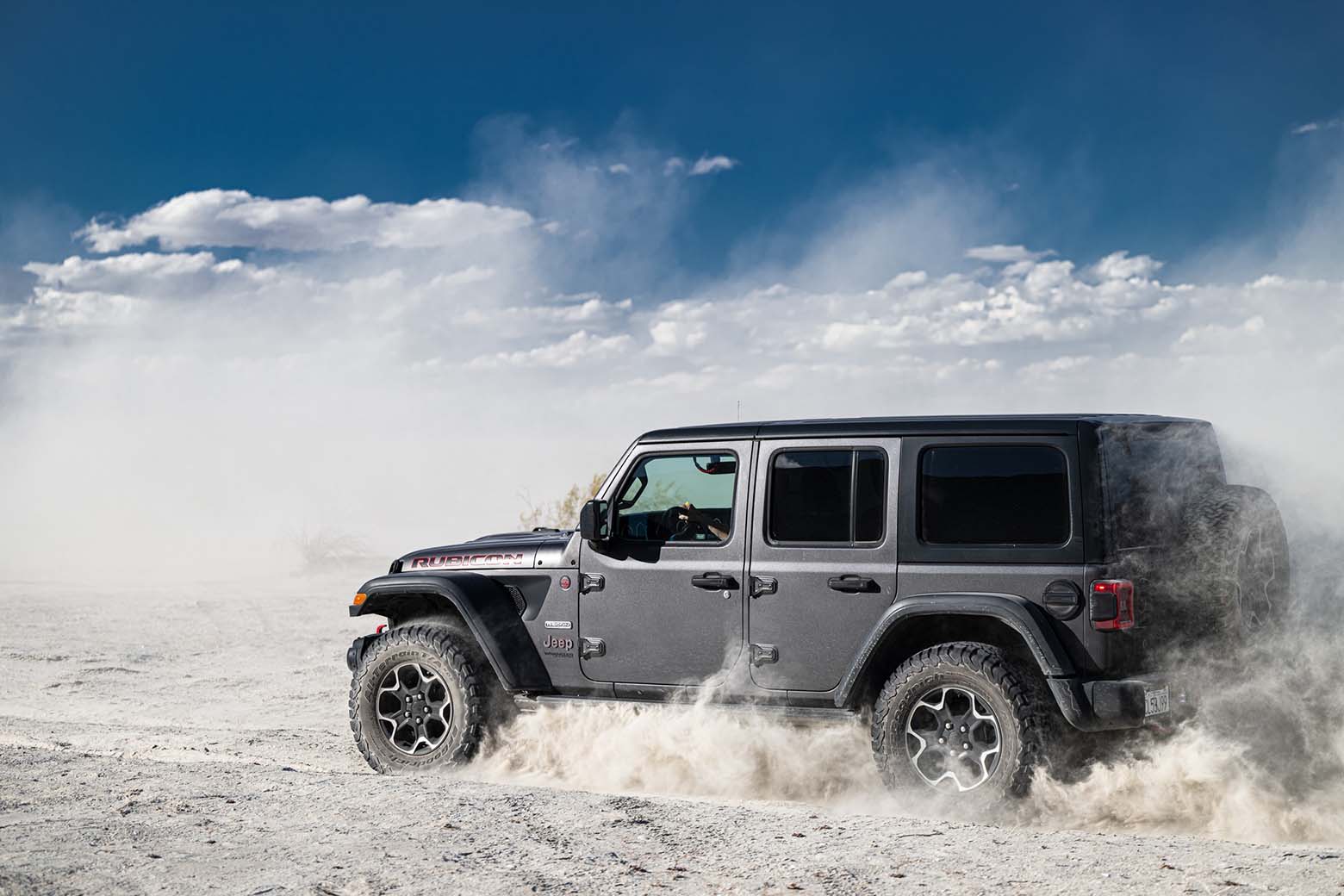
Improved Off-Road Performance: This is the big one. Upgraded tires with aggressive tread patterns provide significantly better traction on various terrains, including mud, sand, rocks, and snow. Larger tires also increase ground clearance, allowing you to navigate obstacles more easily.
-
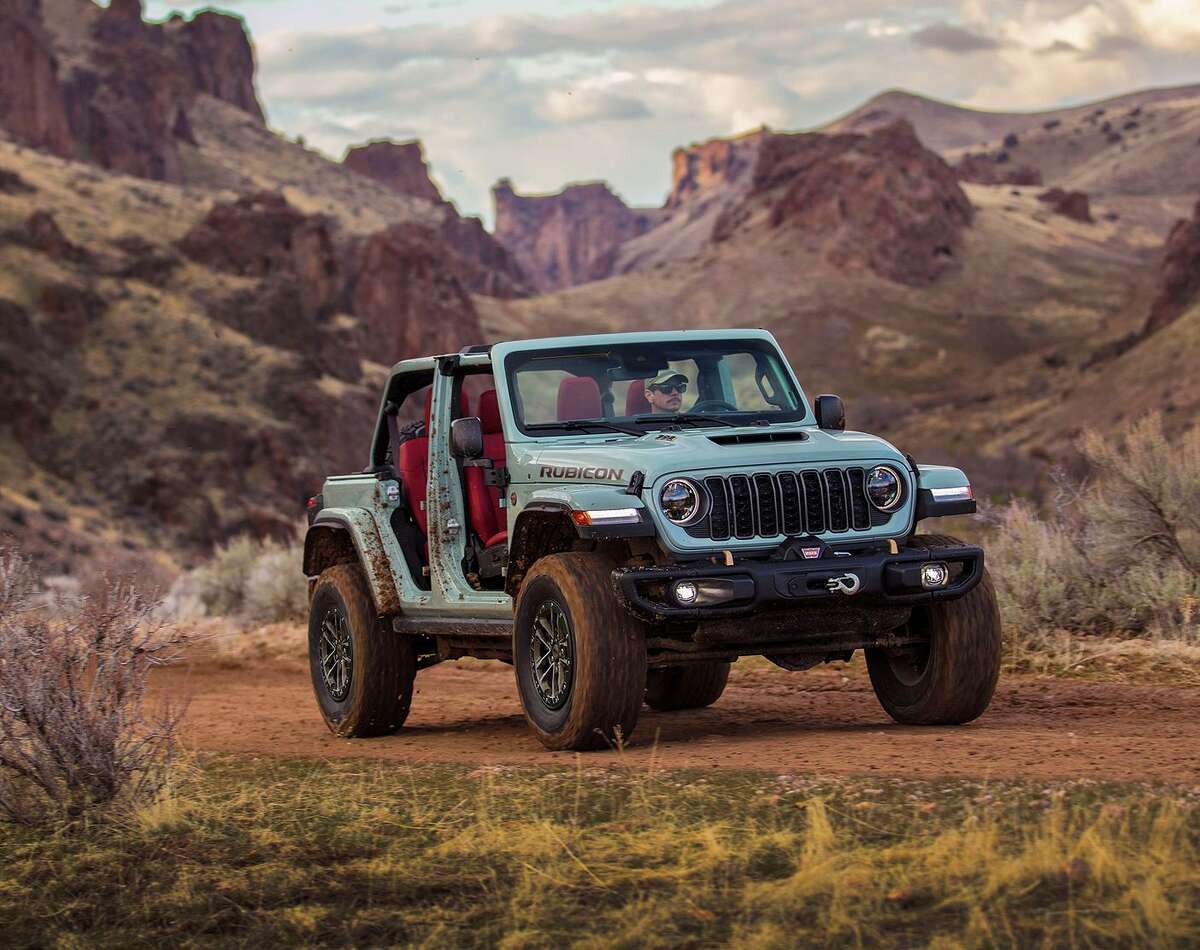
Enhanced Aesthetics: Let's face it, bigger, more aggressive tires and stylish wheels can dramatically improve the look of your Wrangler. It's a chance to personalize your vehicle and make it stand out from the crowd.

-
Increased Stability and Control: Wider tires and properly matched wheels can improve stability, especially when cornering or driving on uneven surfaces. This translates to a more confident and controlled driving experience.
Better Ride Quality: While it might seem counterintuitive, the right tire and wheel package can actually improve ride quality. Choosing a tire with a more compliant sidewall can absorb bumps and vibrations, resulting in a smoother ride.
-
Increased Load Capacity: Upgraded tires often have a higher load capacity, which is important if you frequently carry heavy loads or tow trailers.
Understanding Tire Sizes: Decoding the Numbers
Tire sizes can seem confusing at first, but understanding the numbers is crucial for choosing the right tires for your Wrangler. Here's a breakdown:
-
P-Metric vs. LT-Metric: P-Metric tires are designed for passenger vehicles, while LT-Metric tires are designed for light trucks and SUVs. LT tires are generally more durable and have a higher load capacity. For Wranglers that see serious off-road use, LT tires are usually the better choice.
-
Width (e.g., 35x12.50R17): This number (12.50 in our example) indicates the tire's width in inches.
-
Aspect Ratio (e.g., 35x12.50R17): The first number (35 in our example) indicates the tire's overall height in inches.
-
Construction Type (e.g., 35x12.50R17): The "R" stands for radial construction, which is the most common type of tire construction.
-
Wheel Diameter (e.g., 35x12.50R17): The last number (17 in our example) indicates the diameter of the wheel that the tire is designed to fit.
Choosing the Right Tire Size for Your Wrangler
The ideal tire size for your Wrangler depends on several factors, including:
-
Lift Kit: If you've installed a lift kit, you can typically run larger tires without any modifications. The amount of lift will determine the maximum tire size you can fit.
-
Stock Suspension: Even with a stock suspension, you can usually fit slightly larger tires than the factory size. However, you may need to make some minor modifications, such as trimming the fenders or adding wheel spacers.
-
Driving Style: If you primarily drive on the street, you may not need the largest, most aggressive tires. A slightly larger tire with a less aggressive tread pattern can provide a good balance of on-road comfort and off-road performance.
-
Terrain: The type of terrain you typically encounter will also influence your tire choice. If you frequently drive in mud, you'll want tires with large, widely spaced lugs. If you primarily drive on rocks, you'll want tires with a more flexible sidewall.
Understanding Wheel Specifications: Offset, Backspacing, and Bolt Pattern
Choosing the right wheels is just as important as choosing the right tires. Here are some key wheel specifications to consider:
-
Diameter: The diameter of the wheel must match the diameter of the tire. Common wheel diameters for Wranglers include 17, 18, and 20 inches.
-
Width: The width of the wheel affects the tire's profile and handling. A wider wheel will typically provide better stability, but it can also increase the risk of rubbing.
-
Bolt Pattern: The bolt pattern refers to the number and spacing of the lug nuts. Wranglers typically have a 5x5 bolt pattern.
-
Offset: Wheel offset is the distance between the wheel's mounting surface and its centerline. A positive offset means the mounting surface is closer to the outside of the wheel, while a negative offset means it's closer to the inside.
-
Backspacing: Backspacing is the distance from the wheel's mounting surface to the inside edge of the wheel. Offset and backspacing are related; changing one will affect the other.
Choosing the Right Wheel Offset and Backspacing
The correct wheel offset and backspacing are crucial for ensuring that your tires don't rub against the fenders or suspension components. A negative offset will push the wheels further out, which can provide a wider stance and improved stability. However, it can also increase the risk of rubbing.
A positive offset will pull the wheels further in, which can provide more clearance. However, it can also limit your tire size options.
Pro tips from us: When in doubt, consult with a tire and wheel specialist to determine the correct offset and backspacing for your specific Wrangler and tire size.
Types of Tires for Jeep Wranglers: A Comprehensive Overview
There are several different types of tires available for Jeep Wranglers, each designed for specific purposes:
-
All-Season Tires: These tires are designed for year-round use in a variety of conditions. They provide a good balance of on-road comfort, fuel efficiency, and light off-road capability. However, they're not ideal for serious off-roading.
-
All-Terrain Tires: All-terrain tires are a popular choice for Wranglers because they offer a good compromise between on-road and off-road performance. They have a more aggressive tread pattern than all-season tires, providing better traction in dirt, gravel, and snow.
-
Mud-Terrain Tires: Mud-terrain tires are designed for extreme off-road conditions, such as mud, rocks, and sand. They have large, widely spaced lugs that provide excellent traction in loose terrain. However, they can be noisy and uncomfortable on the road.
-
Rock-Crawling Tires: Rock-crawling tires are designed specifically for navigating rocky terrain. They have a soft, flexible sidewall that allows the tire to conform to rocks, providing maximum grip.
Choosing the Right Tire Type for Your Needs
The best tire type for your Wrangler depends on how you plan to use it. If you primarily drive on the road, an all-season or all-terrain tire may be the best choice. If you frequently go off-roading in mud or rocks, a mud-terrain or rock-crawling tire will be more appropriate.
Common mistakes to avoid are: Don't choose a tire that's too aggressive for your needs. A mud-terrain tire can be overkill if you only occasionally go off-roading. It will be noisy and uncomfortable on the road, and it will likely wear out faster.
Tire and Wheel Package Considerations: Balancing Performance and Budget
When choosing a tire and wheel package, it's important to consider your budget and your performance needs. Here are some tips for balancing these factors:
-
Set a Budget: Determine how much you're willing to spend on your tire and wheel package. This will help you narrow down your options.
-
Prioritize Performance: Think about the type of driving you'll be doing most often. If you're primarily interested in off-road performance, prioritize tires with an aggressive tread pattern and durable construction.
-
Consider Aesthetics: While performance is important, don't forget about aesthetics. Choose wheels that complement your Wrangler's style.
-
Read Reviews: Before making a purchase, read reviews from other Wrangler owners. This can give you valuable insights into the performance and durability of different tire and wheel packages.
Installation and Maintenance: Keeping Your Tires and Wheels in Top Shape
Once you've chosen your tire and wheel package, it's important to have it installed properly and to maintain it regularly. Here are some tips:
-
Professional Installation: Have your tires and wheels installed by a qualified mechanic. This will ensure that they're properly balanced and aligned.
-
Regular Tire Rotations: Rotate your tires every 5,000 to 7,000 miles to ensure even wear.
-
Proper Inflation: Maintain the correct tire pressure as specified in your owner's manual.
-
Regular Inspections: Inspect your tires regularly for signs of wear or damage.
-
Wheel Alignment: Get your wheels aligned periodically to prevent premature tire wear.
Where to Buy Jeep Wrangler Tire and Wheel Packages
There are several places where you can buy Jeep Wrangler tire and wheel packages:
-
Local Tire Shops: Local tire shops typically offer a wide selection of tires and wheels, and they can provide expert advice.
-
Online Retailers: Online retailers often offer competitive prices and a convenient shopping experience.
-
Specialty Off-Road Shops: Specialty off-road shops are a great resource for finding high-performance tires and wheels.
Internal Link Example: Check out our article on [Jeep Wrangler Lift Kits: A Comprehensive Guide](link to internal article) to learn how to further enhance your Wrangler's off-road capabilities.
External Link Example: For more information on tire safety and maintenance, visit the Tire Industry Association.
Conclusion: Transform Your Wrangler with the Perfect Tire and Wheel Package
Upgrading your Jeep Wrangler's tires and wheels is a transformative experience. It can dramatically improve off-road performance, enhance aesthetics, and increase stability and control. By understanding tire sizes, wheel specifications, and the different types of tires available, you can choose the perfect package for your specific needs and budget. So, go ahead and take the plunge. Transform your Wrangler into the ultimate off-road machine and experience the freedom and adventure that only a Jeep can provide! Remember to prioritize safety, performance, and aesthetics when making your decision. With the right tire and wheel package, your Wrangler will be ready to conquer any terrain.