The Ultimate Guide to Jeep Wrangler Rims and Tire Packages: Elevate Your Off-Road Experience
The Jeep Wrangler is an icon, a symbol of freedom and adventure. But to truly unlock its potential, upgrading your rims and tires is essential. It's more than just aesthetics; it's about enhancing performance, safety, and the overall driving experience. This comprehensive guide will walk you through everything you need to know about Jeep Wrangler rims and tire packages, from understanding the basics to making the perfect choice for your needs.
Jeep Wrangler Rims And Tire Packages
Why Upgrade Your Jeep Wrangler Rims and Tires?
The factory rims and tires on a Jeep Wrangler are often a compromise, designed to appeal to a broad range of drivers and conditions. Upgrading offers numerous benefits:
-
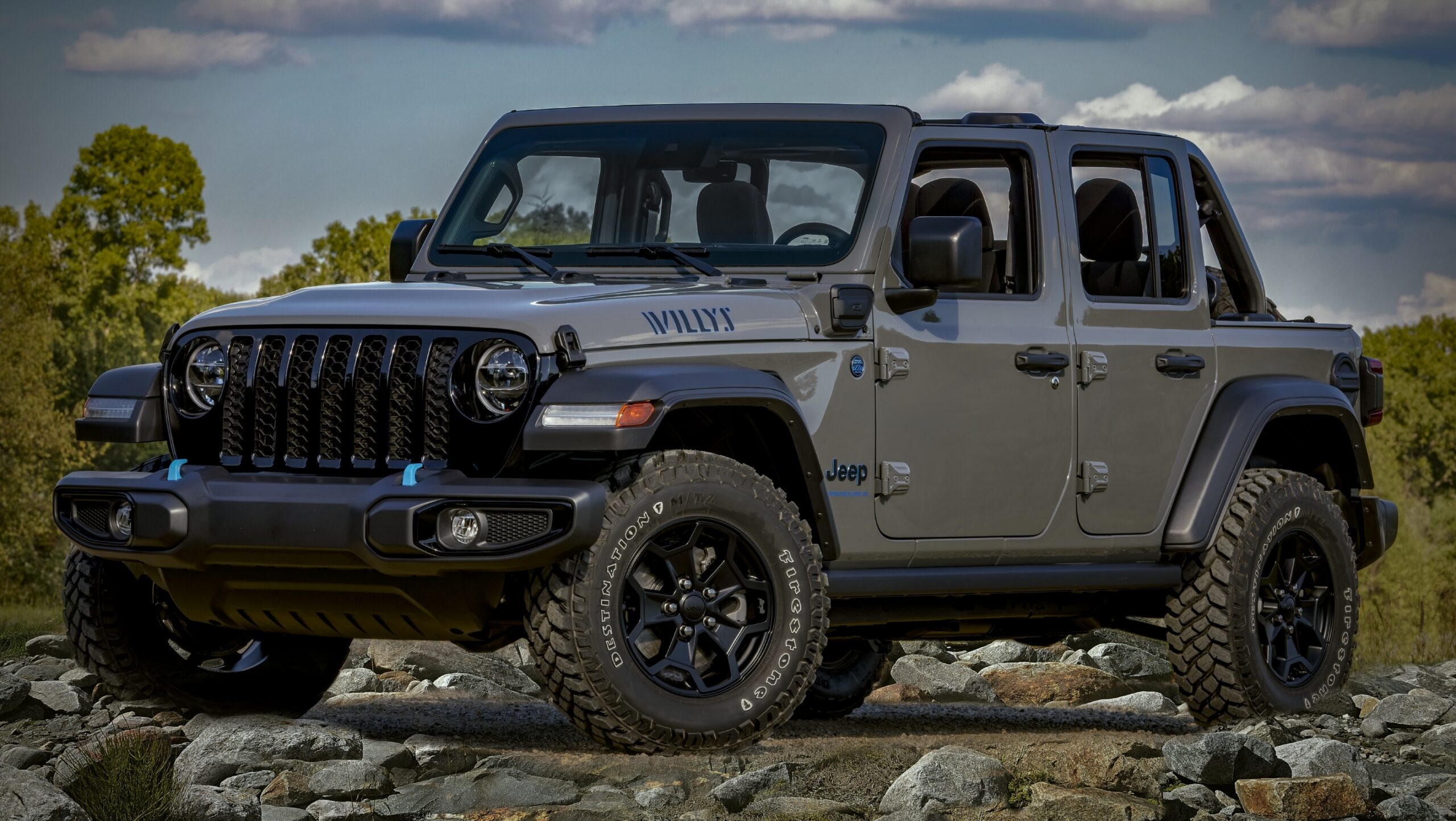
Improved Off-Road Performance: Larger, more aggressive tires provide better traction on challenging terrains like mud, sand, and rocks. Different tread patterns are designed for specific environments, allowing you to tailor your vehicle to your preferred adventures. The right tire size and rim combination can also increase ground clearance, reducing the risk of getting hung up on obstacles.
-
Enhanced Aesthetics: Let's face it, aftermarket rims and tires can dramatically transform the look of your Wrangler. From sleek and modern designs to rugged and aggressive styles, the options are endless. Choosing the right combination allows you to personalize your Jeep and make a statement.
-
Increased Load Capacity: If you frequently haul heavy loads or tow trailers, upgrading to rims and tires with a higher load rating is crucial for safety and performance. This ensures that your vehicle can handle the extra weight without compromising handling or stability.
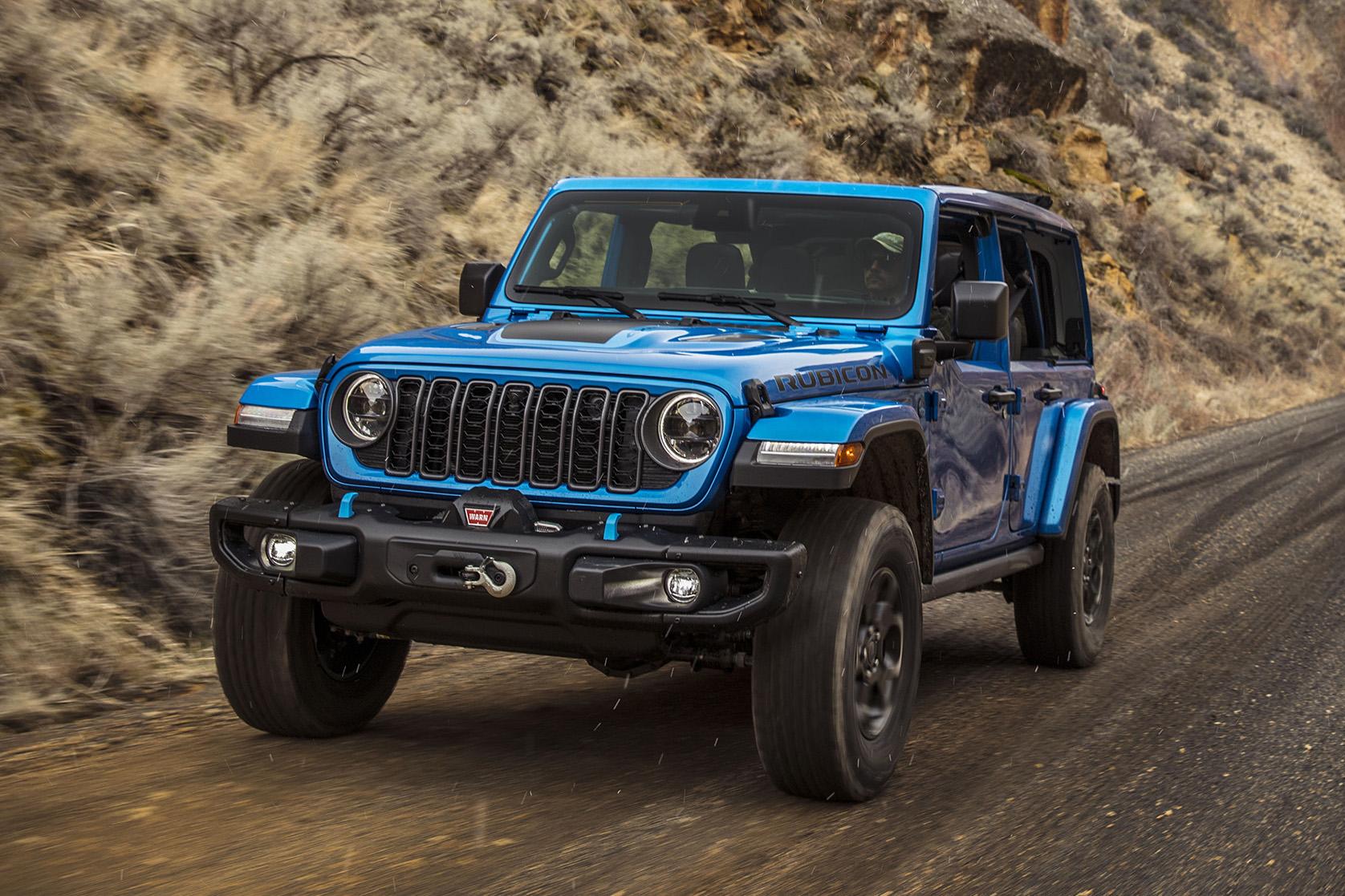
Better Ride Quality: While it might seem counterintuitive, the right tires can actually improve ride quality on and off-road. Tires with flexible sidewalls can absorb bumps and vibrations, providing a smoother and more comfortable ride.
-
Improved Fuel Efficiency: Believe it or not, the correct tire and rim combination can even improve your fuel economy. Lighter rims and tires with lower rolling resistance can reduce the amount of energy required to move the vehicle, leading to slight fuel savings.
Understanding the Basics: Rims and Tires Explained
Before diving into specific packages, it's important to understand the key terminology:
-
Rim Diameter: The diameter of the wheel, measured in inches. This must match the tire's inner diameter.
-
Rim Width: The width of the wheel, measured in inches. This determines the range of tire widths that can be safely mounted.
-
Bolt Pattern (aka Lug Pattern): The number and spacing of the lug nuts that attach the wheel to the vehicle. The Jeep Wrangler JK and JL models have a 5x5 (5x127mm) bolt pattern. This is critical for compatibility.
-
Offset: The distance between the wheel's mounting surface and its centerline. Positive offset means the mounting surface is closer to the outside of the wheel, while negative offset means it's closer to the inside. Offset affects wheel clearance and stance.
-
Backspacing: The distance from the wheel's mounting surface to the inner edge of the rim. Backspacing also affects wheel clearance and is closely related to offset.
-
Tire Size: Expressed as a series of numbers, such as 35x12.50R17. The first number (35) is the tire's overall diameter in inches. The second number (12.50) is the tire's width in inches. The last number (17) is the rim diameter in inches.
-
Tread Pattern: The design of the grooves and blocks on the tire's surface. Different patterns are optimized for different terrains, such as mud, sand, or rocks.
-
Load Rating: A numerical code that indicates the maximum weight a tire can safely carry.
-
Speed Rating: An alphabetical code that indicates the maximum speed a tire is designed to handle.
Choosing the Right Rims for Your Jeep Wrangler
The market offers a huge variety of rims for the Jeep Wrangler. Here are some key considerations:
-
Material:
-
Steel: Steel rims are the most affordable and durable option, making them popular for off-roading. They can withstand significant abuse and are easily repairable. However, they are heavier than alloy rims, which can impact fuel economy and handling.
-
Aluminum Alloy: Alloy rims are lighter than steel rims, which can improve fuel economy and handling. They also come in a wider range of styles and finishes. However, they are more expensive and can be more susceptible to damage from severe impacts.
-
-
Size:
-
Diameter: Common sizes for Jeep Wranglers range from 15 to 20 inches. Smaller diameters generally allow for more tire sidewall, which can improve off-road performance and ride quality. Larger diameters can enhance aesthetics and allow for larger brake upgrades.
-
Width: The rim width should be matched to the tire width. Using too narrow or too wide of a rim can compromise tire performance and safety. Consult tire manufacturer specifications for recommended rim widths.
-
-
Style:
-
Beadlock: Beadlock rims have a clamping mechanism that secures the tire bead to the wheel, preventing it from coming off the rim when running low tire pressures off-road. They are ideal for serious off-roaders who frequently encounter challenging terrain.
-
Simulated Beadlock: These rims mimic the appearance of beadlocks but do not offer the same functionality. They are a purely cosmetic upgrade.
-
Standard: Standard rims are the most common type and are suitable for a wide range of driving conditions.
-
-
Finish:
-
Black: A popular choice for a rugged and aggressive look.
-
Silver/Machined: A classic and versatile option.
-
Chrome: A shiny and eye-catching finish.
-
Painted: Available in a wide range of colors to match your Jeep's paint or create a custom look.
-
Selecting the Perfect Tires for Your Adventures
Choosing the right tires is just as important as choosing the right rims. Here's what to consider:
-
Tire Type:
-
All-Season: Designed for a balance of on-road comfort and light off-road capability. They are a good choice for drivers who primarily use their Jeep on the street but occasionally venture off the beaten path.
-
All-Terrain (AT): Offer a good compromise between on-road and off-road performance. They have a more aggressive tread pattern than all-season tires, providing better traction on dirt, gravel, and snow.
-
Mud-Terrain (MT): Designed for maximum off-road performance in mud, rocks, and other challenging terrains. They have a very aggressive tread pattern with large voids to clear mud and debris. However, they can be noisy and uncomfortable on the street.
-
Rock Crawling: Specialized tires designed for extreme rock crawling. They typically have very soft rubber compounds and aggressive sidewall designs for maximum grip.
-
-
Tire Size:
-
Lift Considerations: If you plan to run larger tires, you may need to install a lift kit to provide adequate clearance. Failing to do so can result in rubbing and damage to your vehicle.
-
Gear Ratio: Larger tires can affect your Jeep's gearing, making it feel sluggish. Re-gearing may be necessary to restore performance.
-
Speedometer Calibration: Larger tires can also throw off your speedometer. You may need to recalibrate it to ensure accurate readings.
-
-
Tread Pattern:
-
Aggressive: Provides maximum grip in mud and rocks.
-
Directional: Designed to rotate in one direction for optimal water evacuation.
-
Symmetrical: Can be rotated in any direction.
-
-
Sidewall Design:
-
Aggressive: Provides added protection against rocks and debris.
-
Flexible: Improves ride quality and off-road traction.
-
Building Your Ideal Rim and Tire Package
Now that you understand the basics, let's talk about building your perfect package:
-
Determine Your Needs: How do you primarily use your Jeep? What type of terrain do you typically encounter? What is your budget? Answering these questions will help you narrow down your options.
-
Choose Your Rim Size and Style: Select a rim size that complements your desired tire size and lift (if applicable). Choose a style that matches your personal taste and the overall look you're trying to achieve.
-
Select Your Tire Type and Size: Choose a tire type that is appropriate for your primary driving conditions. Select a tire size that fits your rims and provides adequate clearance.
-
Consider a Lift Kit (if necessary): If you plan to run larger tires, you may need to install a lift kit. Choose a lift kit that is appropriate for your desired tire size and driving style.
-
Check Compatibility: Before making any purchases, double-check that all of your components are compatible with your Jeep Wrangler. Consult with a qualified mechanic or tire specialist if you have any questions.
Pro tips from us:
- Don't cheap out on tires. Tires are the most important safety component on your vehicle.
- Consider the weight of your rims and tires. Heavier rims and tires can negatively impact fuel economy and handling.
- Read reviews and compare prices. Do your research before making any purchases.
Common Mistakes to Avoid Are:
- Choosing the wrong bolt pattern. This is a critical mistake that will prevent you from installing your rims.
- Ignoring load ratings. Make sure your rims and tires have a load rating that is sufficient for your vehicle's weight.
- Failing to check for clearance. Make sure your tires have adequate clearance to prevent rubbing.
Installation and Maintenance
Proper installation and maintenance are essential for ensuring the longevity and performance of your rims and tires.
-
Professional Installation: It is always recommended to have your rims and tires installed by a qualified mechanic. They have the tools and expertise to ensure that everything is properly installed and balanced.
-
Regular Rotation: Rotate your tires every 5,000 to 7,000 miles to ensure even wear.
-
Proper Inflation: Maintain proper tire pressure to optimize performance, fuel economy, and tire life.
-
Regular Inspection: Inspect your rims and tires regularly for any signs of damage, such as cracks, bulges, or punctures.
Where to Buy Jeep Wrangler Rims and Tire Packages
You can find Jeep Wrangler rims and tire packages at a variety of retailers, including:
-
Online Retailers: Websites like Tire Rack (External Link: https://www.tirerack.com/) and Amazon offer a wide selection of rims and tires at competitive prices.
-
Local Tire Shops: Local tire shops can provide personalized service and expert advice.
-
Off-Road Specialty Shops: These shops specialize in off-road equipment and can offer specialized knowledge and products.
Conclusion
Upgrading your Jeep Wrangler rims and tires is a worthwhile investment that can significantly enhance your vehicle's performance, aesthetics, and overall driving experience. By understanding the basics, considering your needs, and following the tips outlined in this guide, you can choose the perfect package for your adventures. Remember to prioritize safety, quality, and compatibility to ensure that you get the most out of your upgrade. For more information on other upgrades, check out this article on [Jeep Wrangler Lift Kits](Internal Link to another blog post).
Keywords: Jeep Wrangler, rims, tires, tire packages, off-road, wheels, lift kits, all-terrain tires, mud-terrain tires, beadlock rims, wheel offset, tire size, Jeep upgrades.