The Ultimate Guide to the Jeep Wrangler 3.8 Crate Engine: Power, Performance, and Everything You Need to Know
The Jeep Wrangler. A symbol of freedom, adventure, and off-road prowess. But sometimes, even the most iconic vehicles need a little help under the hood. If you're looking to breathe new life into your Wrangler, or simply want a reliable and powerful replacement, the 3.8 crate engine might be the perfect solution.
Jeep Wrangler 3.8 Crate Engine
This comprehensive guide dives deep into the world of the Jeep Wrangler 3.8 crate engine. We'll cover everything from its specifications and benefits to installation tips and common problems, providing you with the knowledge you need to make an informed decision. Whether you're a seasoned mechanic or a weekend warrior, this article will equip you with the insights to get the most out of your Jeep.
Why Consider a 3.8 Crate Engine for Your Wrangler?
The original 3.8L V6 engine, while generally reliable, isn't known for its breathtaking power. Over time, wear and tear can further diminish its performance. Opting for a brand new 3.8 crate engine offers several compelling advantages.
- Restored Performance: A crate engine provides a fresh start, delivering the horsepower and torque your Wrangler was originally designed to have.
- Increased Reliability: Say goodbye to nagging engine problems and the uncertainty of a worn-out motor. A crate engine offers peace of mind and a longer lifespan.
- Potential for Upgrades: Crate engines often come with updated components and design improvements, offering a boost in efficiency and durability.

Understanding the 3.8L V6 Engine Specs
The 3.8L V6 engine, also known as the EGH engine, was a mainstay in the Jeep Wrangler JK from 2007 to 2011. It's a 90-degree overhead valve (OHV) design, meaning it utilizes pushrods to actuate the valves. Here's a quick rundown of the key specs:
- Displacement: 3.8 Liters (231 cubic inches)
- Horsepower: Around 202 horsepower
- Torque: Around 237 lb-ft of torque
- Bore x Stroke: 96 mm x 87 mm
- Compression Ratio: 9.6:1
- Fuel System: Multi-port fuel injection
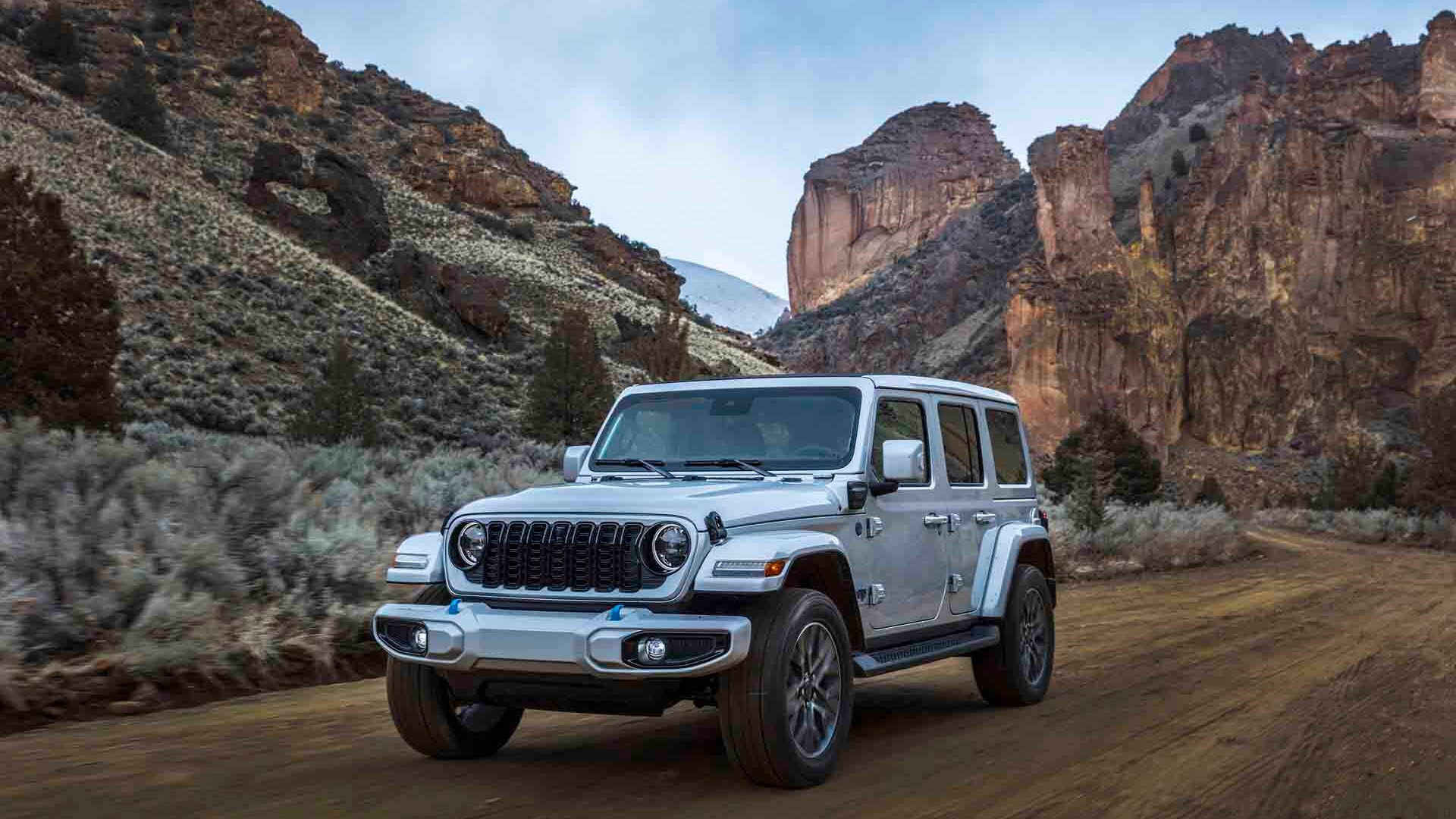
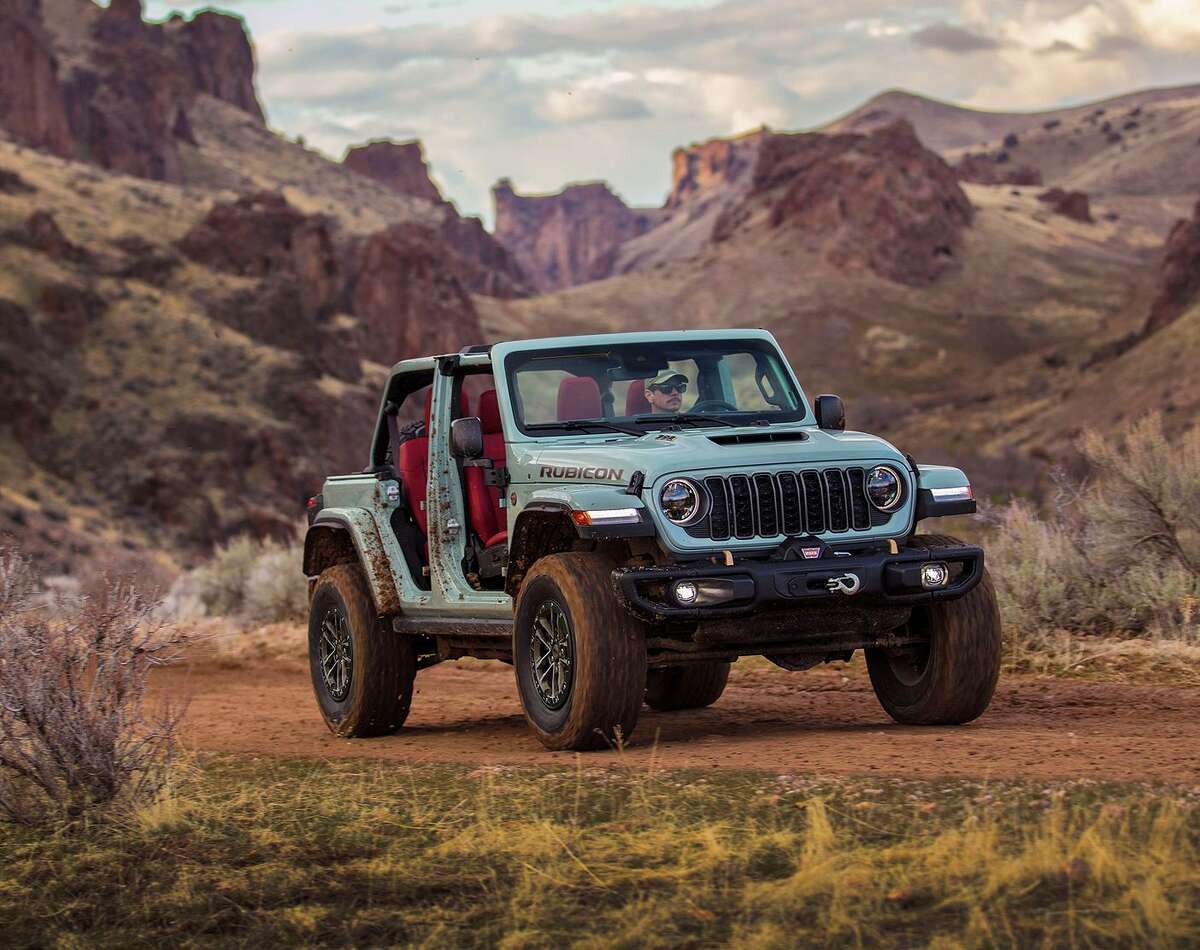
Understanding these specifications is crucial when selecting the right crate engine for your needs. Some crate engines may offer slightly modified specs for improved performance.
Choosing the Right 3.8 Crate Engine: Factors to Consider
Not all crate engines are created equal. Several factors can influence your choice.
- Manufacturer Reputation: Stick with reputable manufacturers known for quality and reliability. Research their warranty policies and customer reviews.
- Engine Configuration: Decide whether you need a long block (assembled block, heads, and valvetrain) or a complete engine (including accessories like intake manifold, exhaust manifolds, and fuel injectors).
- New vs. Remanufactured: New crate engines offer the ultimate peace of mind, while remanufactured engines can be a more budget-friendly option. Ensure remanufactured engines are thoroughly tested and come with a solid warranty.
- Your Intended Use: Are you primarily using your Wrangler for off-roading, daily driving, or a combination of both? This will influence the type of performance you're looking for.
Where to Buy Your 3.8 Crate Engine
Several sources offer 3.8 crate engines, each with its pros and cons.
- Authorized Dealerships: Offer genuine OEM (Original Equipment Manufacturer) engines, ensuring compatibility and quality. However, they can be more expensive.
- Online Retailers: A wide selection of crate engines from various manufacturers, often at competitive prices. Be sure to research the retailer's reputation and warranty policies.
- Performance Parts Suppliers: Specializes in performance-oriented crate engines, potentially offering more horsepower and torque.
The Installation Process: A Step-by-Step Guide
Installing a crate engine is a significant undertaking. While a professional installation is always recommended, some experienced DIYers may choose to tackle the job themselves. Here's a general overview of the process.
- Preparation: Gather all necessary tools, including an engine hoist, sockets, wrenches, and a torque wrench. Disconnect the battery and drain all fluids (coolant, oil, transmission fluid).
- Removal of the Old Engine: Disconnect all wiring harnesses, fuel lines, and hoses connected to the old engine. Carefully remove the engine from the engine bay using the engine hoist.
- Inspection and Cleaning: Thoroughly clean the engine bay. Inspect all components that will be reused, such as the transmission, wiring harnesses, and cooling system.
- Installation of the New Engine: Carefully lower the new crate engine into the engine bay. Connect all wiring harnesses, fuel lines, and hoses. Ensure all connections are secure and properly torqued.
- Fluid Fill and Initial Startup: Fill the engine with the correct type and amount of oil, coolant, and transmission fluid. Double-check all connections before starting the engine.
- Break-In Period: Follow the manufacturer's recommended break-in procedure. This typically involves avoiding high RPMs and heavy loads for the first few hundred miles.
Pro tips from us: Based on my experience, labeling all disconnected wires and hoses during removal will save you a lot of headache during reassembly. Taking pictures is another great way to remember where everything goes.
Common Mistakes to Avoid
- Forgetting to disconnect the battery: This can lead to electrical shorts and potential damage to the vehicle's electrical system.
- Stripping bolts: Use the correct size socket or wrench and avoid over-tightening.
- Incorrectly torquing bolts: Use a torque wrench and follow the manufacturer's specifications.
- Using the wrong type of fluids: Consult your owner's manual or the crate engine manufacturer for the correct fluid specifications.
Maintaining Your 3.8 Crate Engine for Longevity
Proper maintenance is crucial for maximizing the lifespan of your 3.8 crate engine.
- Regular Oil Changes: Change the oil and filter according to the manufacturer's recommendations.
- Coolant Flushes: Flush the cooling system every two years to prevent corrosion and overheating.
- Air Filter Replacement: Replace the air filter regularly to ensure proper airflow to the engine.
- Spark Plug Replacement: Replace the spark plugs according to the manufacturer's recommendations.
- Regular Inspections: Regularly inspect the engine for leaks, damage, or unusual noises.
Troubleshooting Common 3.8 Engine Problems
Even with a new crate engine, some issues can arise. Here are a few common problems and potential solutions.
- Overheating: Check the coolant level, radiator, and thermostat.
- Rough Idle: Check the spark plugs, ignition wires, and fuel injectors.
- Loss of Power: Check the air filter, fuel filter, and catalytic converter.
- Oil Leaks: Inspect the valve cover gaskets, oil pan gasket, and rear main seal.
Upgrading Your 3.8 Crate Engine for Enhanced Performance
While a crate engine offers a significant improvement over a worn-out engine, there's always room for further enhancements.
- Cold Air Intake: Improves airflow to the engine, resulting in increased horsepower and torque.
- Performance Exhaust System: Reduces backpressure, allowing the engine to breathe more freely.
- Performance Tuner: Optimizes the engine's fuel and ignition settings for maximum performance.
The Cost of a 3.8 Crate Engine
The cost of a 3.8 crate engine can vary depending on the manufacturer, configuration, and condition (new vs. remanufactured). Generally, you can expect to pay anywhere from \$2,500 to \$5,000 for the engine itself. Installation costs can add another \$1,000 to \$2,000, depending on the complexity of the job and the mechanic's hourly rate.
Is a 3.8 Crate Engine Right for You?
Deciding whether to invest in a 3.8 crate engine is a personal decision based on your needs and budget. If your current engine is severely damaged or nearing the end of its life, a crate engine offers a reliable and cost-effective solution. It's also a great option if you're looking to restore your Wrangler's performance or add some extra power.
Alternative Engine Options for Jeep Wrangler JK
While the 3.8L crate engine is a direct replacement, some owners consider alternative engine swaps for even greater power. Popular options include:
- 5.7L Hemi: A significant power upgrade, but requires extensive modifications.
- 6.1L Hemi: An even more powerful option, but also more expensive and complex to install.
- LS Engine: A popular choice for its versatility and readily available aftermarket support.
These swaps involve more than just dropping in a new engine; they often require new transmissions, wiring harnesses, and other modifications. It's a complex project best left to experienced professionals.
Frequently Asked Questions (FAQs)
- How long does a 3.8 crate engine last? With proper maintenance, a 3.8 crate engine can last for 150,000 miles or more.
- What is the warranty on a 3.8 crate engine? Warranty coverage varies depending on the manufacturer. Be sure to check the warranty terms before purchasing.
- Can I install a 3.8 crate engine myself? If you have experience working on engines, you may be able to install it yourself. However, professional installation is always recommended.
- What are the signs of a failing 3.8 engine? Common signs include excessive oil consumption, knocking noises, and loss of power.
Conclusion: Rejuvenate Your Wrangler with a 3.8 Crate Engine
The Jeep Wrangler 3.8 crate engine offers a fantastic way to revitalize your vehicle, restoring its performance and reliability. By understanding the specifications, choosing the right engine, and following proper maintenance procedures, you can enjoy years of trouble-free driving. Whether you're seeking a simple replacement or a performance upgrade, the 3.8 crate engine is a solid investment for any Wrangler enthusiast.
Consider exploring reputable manufacturers like Mopar [Link to a Mopar Crate Engine Page] for reliable options.
By carefully considering your needs and budget, you can choose the perfect 3.8 crate engine to bring your Jeep Wrangler back to life. Remember to prioritize quality, proper installation, and regular maintenance to ensure years of enjoyable adventures.