Moving can be a stressful and expensive endeavor. One of the biggest decisions you'll face is how to transport your belongings. Renting a U-Haul is a popular choice, but figuring out the most cost-effective option can be tricky. Specifically, the question "Is it cheaper to rent a U-Haul trailer one way?" often arises. The answer, as with most things in life, is: it depends.
This comprehensive guide will delve into the intricacies of one-way U-Haul trailer rentals, comparing them to other options and providing you with the information you need to make an informed decision. We'll explore factors influencing the cost, potential hidden fees, and alternatives that might better suit your specific needs. Let's get started!
Is It Cheaper To Rent A U-Haul Trailer One Way? A Comprehensive Guide
Understanding One-Way U-Haul Trailer Rentals
A one-way U-Haul trailer rental allows you to pick up the trailer at one location and drop it off at another. This is particularly useful for long-distance moves where returning the trailer to the original location would be impractical and costly. The convenience factor is a major draw for many.
However, this convenience comes at a price. U-Haul, like other rental companies, charges differently for one-way rentals compared to round-trip rentals. Understanding these cost variations is crucial for budgeting your move effectively.
Factors Influencing the Cost of a One-Way U-Haul Trailer Rental
Several factors contribute to the final cost of your one-way U-Haul trailer rental. Being aware of these elements can help you predict and potentially minimize your expenses.
-
Distance: The further you're moving, the higher the rental fee will be. U-Haul calculates the cost based on the mileage between the pickup and drop-off locations.
-
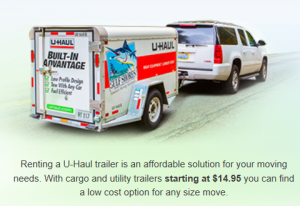
Trailer Size: U-Haul offers a range of trailer sizes, from small utility trailers to larger enclosed cargo trailers. Naturally, larger trailers cost more to rent. Choose the smallest trailer that adequately accommodates your belongings to save money.

Rental Duration: While one-way rentals typically have a set number of days included, exceeding that timeframe will result in additional daily charges. Plan your move carefully to avoid these extra costs.
-
Time of Year: Demand for moving services fluctuates throughout the year. Peak moving seasons, such as summer and the end of the month, tend to have higher rental rates. If possible, consider moving during off-peak times to secure a better deal.
-
Pickup and Drop-off Locations: The specific locations you choose can impact the price. Renting from a high-demand location might be more expensive than a less busy one. Similarly, dropping off the trailer in a remote area could incur additional charges.
-
Insurance: U-Haul offers various insurance options to protect against damage to the trailer and your belongings. While optional, these can add to the overall cost. Carefully consider your risk tolerance and the value of your items before declining insurance.
-
Additional Fees: Be aware of potential hidden fees, such as environmental fees or late return fees. Always read the rental agreement carefully to understand all applicable charges.

Comparing One-Way Trailer Rentals to Other Options
To determine if a one-way U-Haul trailer rental is truly the cheapest option, it's essential to compare it to other alternatives. These include:
-
Renting a U-Haul Truck: While trailers might seem cheaper at first glance, renting a U-Haul truck could be more economical in certain situations. Trucks offer more space and might eliminate the need for multiple trips or a larger trailer. Also, consider the cost of gas for your vehicle pulling the trailer.
-
Using a Moving Container Service (e.g., PODS): Moving container services offer a convenient alternative to traditional rentals. They drop off a container at your location, you load it, and they transport it to your destination. While potentially more expensive upfront, they offer flexibility and can be less stressful than driving a truck or trailer yourself.
-
Hiring Professional Movers: For larger moves or those involving valuable or fragile items, hiring professional movers might be the best option. They handle all aspects of the move, from packing to transportation, but this is generally the most expensive choice.
-
Shipping Your Belongings: If you only have a small amount of belongings, shipping them via a freight company or postal service might be more cost-effective than renting a trailer.
-
Selling or Donating Items: Before moving, consider whether you truly need to transport all your belongings. Selling or donating unwanted items can significantly reduce the amount you need to move, potentially saving you money on rental costs.
Pro Tips for Saving Money on a One-Way U-Haul Trailer Rental
Based on my experience with several moves, here are some pro tips to help you save money on a one-way U-Haul trailer rental:
-
Book in Advance: Booking your rental well in advance, especially during peak season, can often secure a lower rate.
-
Compare Prices: Don't settle for the first quote you receive. Compare prices from multiple U-Haul locations and consider other rental companies as well.
-
Choose the Right Trailer Size: As mentioned earlier, selecting the smallest trailer that meets your needs is crucial. Use U-Haul's online size guide or consult with a representative to determine the appropriate size.
-
Avoid Peak Season: If possible, move during off-peak times, such as mid-week or during the fall or winter, to take advantage of lower rates.
-
Pack Efficiently: Proper packing can maximize the space in your trailer and potentially allow you to rent a smaller size.
-
Decline Unnecessary Add-ons: Carefully evaluate the insurance options and other add-ons offered by U-Haul. Only purchase what you truly need.
-
Return the Trailer on Time: Avoid late return fees by ensuring you return the trailer by the agreed-upon time.
-
Look for Discounts: Check for discounts offered to students, military personnel, or members of certain organizations.
-
Consider Alternative Drop-off Locations: Sometimes, dropping off the trailer at a different location nearby can result in a lower rate. Inquire about this option when booking your rental.
Common Mistakes to Avoid When Renting a U-Haul Trailer One Way
Avoiding common mistakes can save you both time and money. Here are a few pitfalls to watch out for:
-
Underestimating the Size of the Trailer: Renting a trailer that's too small can lead to multiple trips, increased mileage, and potential damage to your belongings.
-
Failing to Secure Your Load Properly: An improperly secured load can shift during transit, causing damage to your belongings or even accidents. Use tie-down straps and blankets to protect your items.
-
Ignoring the Rental Agreement: Always read the rental agreement carefully to understand your responsibilities, including insurance coverage, mileage limits, and potential fees.
-
Forgetting to Inspect the Trailer: Before leaving the pickup location, thoroughly inspect the trailer for any existing damage. Document any issues to avoid being held responsible for them later.
-
Driving Too Fast: Trailers can be more difficult to handle than regular vehicles. Drive cautiously and adhere to speed limits, especially when towing a trailer.
Real-World Examples: Comparing Costs
Let's consider a couple of real-world examples to illustrate how the cost of a one-way U-Haul trailer rental can vary:
Example 1: Short-Distance Move (200 miles)
-
Option A: U-Haul 4x8 Cargo Trailer: Estimated cost: $150 - $250 (including base rental, mileage, and potential insurance).
-
Option B: U-Haul Truck (10-foot): Estimated cost: $200 - $300 (including base rental, mileage, and potential insurance).
In this scenario, the trailer might be slightly cheaper, but the difference is not significant. The truck offers more space and might be a better option if you have a lot of belongings.
Example 2: Long-Distance Move (1500 miles)
-
Option A: U-Haul 5x8 Cargo Trailer: Estimated cost: $500 - $800 (including base rental, mileage, and potential insurance).
-
Option B: U-Haul Truck (15-foot): Estimated cost: $1000 - $1500 (including base rental, mileage, and potential insurance).
Here, the trailer is significantly cheaper. However, you'll need a vehicle capable of towing it safely and efficiently. Also, factor in the increased fuel consumption of your vehicle when towing.
Conclusion: Making the Right Decision
So, is it cheaper to rent a U-Haul trailer one way? The answer depends on various factors, including the distance of your move, the size of the trailer, the time of year, and your specific needs and preferences.
Carefully compare the cost of a one-way U-Haul trailer rental to other options, such as renting a U-Haul truck, using a moving container service, or hiring professional movers. Consider the pros and cons of each option and choose the one that best fits your budget and circumstances.
By following the pro tips outlined in this guide and avoiding common mistakes, you can minimize your moving expenses and ensure a smooth and stress-free relocation. Remember to plan ahead, compare prices, and read the rental agreement carefully. Good luck with your move!
[Link to a related article on budgeting for a move]
[External link to U-Haul's official website]