Moving is often cited as one of life's most stressful events. Whether you're relocating for a new job, downsizing, or simply seeking a change of scenery, the logistics can be overwhelming. One of the biggest considerations is transportation: How will you get all your belongings from point A to point B? For many, a U-Haul one-way rental is the go-to solution.
But before you jump in and book that truck, it's crucial to understand the full scope of the costs involved. The advertised price is rarely the final price. This comprehensive guide will break down all the factors that influence the cost of a U-Haul one-way rental, helping you budget effectively and avoid unpleasant surprises.
How Much Does a U-Haul One-Way Rental REALLY Cost? A Comprehensive Guide
Understanding the Base Price: More Than Meets the Eye
The first thing you'll encounter when researching U-Haul one-way rentals is the base price. This is the starting point, and it's determined by several key factors:
- Distance: The farther you're moving, the higher the base price will be. U-Haul calculates this based on the mileage between your pickup and drop-off locations.
- Truck Size: U-Haul offers a range of truck sizes, from pickup trucks and cargo vans to large moving trucks. The larger the truck, the higher the base price. Choose the right size truck to avoid multiple trips or paying for unused space.
- Demand: Like airlines and hotels, U-Haul operates on a demand-based pricing model. If you're moving during a peak season (summer, end of the month), or to/from a popular location, expect to pay more. Booking well in advance can often help you secure a better rate.
- Origin and Destination: Moving out of a major city is typically cheaper than moving into one. This is due to the imbalance in truck availability; U-Haul needs to incentivize people to return trucks to high-demand areas.
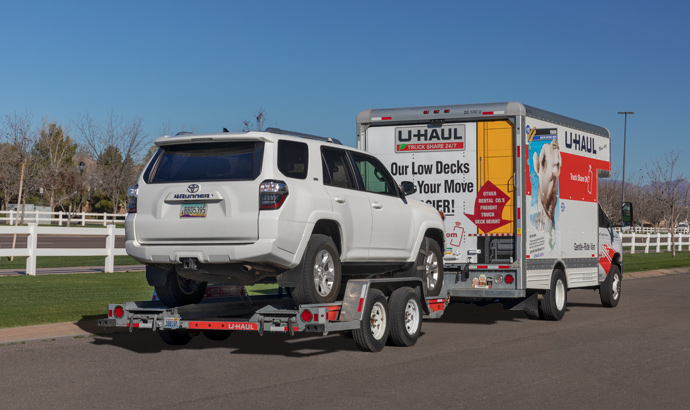
Pro Tip: Check prices for different pickup and drop-off locations. Sometimes, driving a bit further to a less busy location can save you money. Be sure to factor in the cost of gas and your time when making this decision.
Beyond the Base Price: Unveiling Hidden Costs
While the base price is a significant part of the equation, it's only the tip of the iceberg. Several additional costs can significantly inflate your final bill.
- Mileage Fees: Even with a one-way rental, you'll likely encounter mileage fees. U-Haul typically charges a per-mile rate, which can vary depending on the location and truck size. This can add up quickly, especially on long-distance moves.
- Insurance: U-Haul offers various insurance options, including cargo protection, collision damage waiver, and supplemental liability insurance. While optional, insurance is highly recommended to protect yourself against potential damage or accidents. Carefully consider your risk tolerance and the value of your belongings when deciding on insurance coverage.
- Environmental Fees: These fees are designed to offset the environmental impact of operating the trucks. While the amount is usually relatively small, it's still an additional cost to factor in.
- Taxes: Sales tax will be applied to the base price, insurance, and any additional services you purchase. The tax rate will vary depending on your state and local jurisdiction.
- Fuel: You're responsible for returning the truck with the same fuel level it had when you picked it up. If you return it with less fuel, U-Haul will charge you a refueling fee, which is typically much higher than the cost of filling it up yourself.
- Equipment Rentals: If you need moving blankets, dollies, or other equipment, you'll have to rent them from U-Haul. These rentals can add up, so consider borrowing or buying these items if you can.
- Late Return Fees: Returning the truck late will result in additional charges. Be sure to carefully review your rental agreement and return the truck on time to avoid these fees.
- Cleaning Fees: U-Haul expects you to return the truck in reasonably clean condition. If the truck requires excessive cleaning, you may be charged a cleaning fee.
- Damage: Any damage to the truck that occurs during your rental period will be your responsibility. This is why insurance is so important. Thoroughly inspect the truck before you leave the rental location and document any existing damage to avoid being charged for it later.


Common mistakes to avoid are: neglecting to refuel the truck, returning it late, and failing to inspect the truck for pre-existing damage.
Real-World Examples: How Costs Can Vary
To illustrate how these factors can impact the final cost, let's look at a few hypothetical scenarios:
-
Scenario 1: Short Local Move
- Moving a one-bedroom apartment 50 miles within the same city.
- Truck Size: 10-foot truck
- Base Price: $19.95 (This is often a marketing tactic – expect this to be higher in reality)
- Mileage Fee: $0.99 per mile x 50 miles = $49.50
- Insurance: $20
- Environmental Fee: $5
- Taxes: $10
- Total Estimated Cost: $104.45 + Fuel
-
Scenario 2: Medium-Distance Move
- Moving a two-bedroom house 500 miles between two states.
- Truck Size: 15-foot truck
- Base Price: $400
- Mileage Fee: $0.79 per mile x 500 miles = $395
- Insurance: $50
- Environmental Fee: $10
- Taxes: $40
- Total Estimated Cost: $895 + Fuel
-
Scenario 3: Long-Distance Move
- Moving a three-bedroom house 2000 miles across the country.
- Truck Size: 26-foot truck
- Base Price: $2000
- Mileage Fee: Included in the base price (typically, but confirm this!)
- Insurance: $100
- Environmental Fee: $20
- Taxes: $100
- Total Estimated Cost: $2220 + Fuel
Important Note: These are just estimates. Actual prices can vary significantly depending on the factors discussed above. Always get a quote directly from U-Haul and carefully review the details before booking.
Strategies for Saving Money on Your U-Haul Rental
While moving can be expensive, there are several strategies you can use to minimize your U-Haul rental costs:
- Move During the Off-Season: If possible, avoid moving during the peak season (summer and end of the month). Prices are typically lower during the week and in the middle of the month.
- Book in Advance: Booking your truck well in advance can often help you secure a better rate. U-Haul's prices tend to increase as the moving date approaches.
- Be Flexible with Dates: If you're flexible with your moving date, try adjusting it by a day or two to see if you can find a lower price.
- Compare Prices: Don't just assume that U-Haul is the cheapest option. Get quotes from other moving truck rental companies, such as Penske and Budget, to compare prices.
- Consider Alternative Moving Options: If you're moving a small amount of belongings, consider using a moving container service like PODS or a freight service. These options can sometimes be cheaper than renting a U-Haul truck.
- Minimize Mileage: Plan your route carefully to minimize mileage. Avoid unnecessary detours and try to stick to major highways.
- Pack Efficiently: Packing efficiently can help you fit more belongings into a smaller truck, saving you money on rental costs.
- Borrow or Buy Moving Supplies: Instead of renting moving blankets and dollies from U-Haul, consider borrowing them from friends or family or buying them online.
- Refuel the Truck: Refuel the truck before returning it to avoid refueling fees.
- Clean the Truck: Clean the truck before returning it to avoid cleaning fees.
- Take Advantage of Discounts: U-Haul offers discounts to students, military personnel, and AAA members. Be sure to ask about available discounts when booking your truck.
- Read the Fine Print: Before signing the rental agreement, carefully read the fine print to understand all the terms and conditions. This will help you avoid unexpected fees and charges.
Based on my experience... thoroughly inspecting the truck before accepting it is critical. Document any scratches, dents, or other damage with photos and make sure the U-Haul representative notes them on the rental agreement. This simple step can save you hundreds of dollars in potential damage claims.
U-Box: An Alternative to Traditional U-Haul Rental
U-Haul also offers U-Box containers, which can be a convenient and cost-effective option for certain types of moves. U-Box containers are portable storage units that U-Haul delivers to your location. You load the container at your own pace, and then U-Haul picks it up and transports it to your destination.
U-Box containers can be a good option if you need storage during your move or if you're moving a smaller amount of belongings. They can also be more convenient than renting a truck if you don't want to drive. The cost of U-Box containers varies depending on the distance of your move and the number of containers you need. Be sure to get a quote from U-Haul to compare the cost of U-Box containers with the cost of renting a truck.
Understanding U-Haul's Website and Quoting System
U-Haul's website is the primary tool for getting quotes and booking rentals. However, it's important to understand how the system works to avoid surprises.
- Initial Quotes are Estimates: The initial quote you receive online is just an estimate. The final price may vary depending on availability, demand, and other factors.
- Hidden Fees May Not Be Included: The initial quote may not include all the fees discussed above, such as environmental fees and taxes.
- Confirm Details Before Booking: Before booking your rental, carefully review all the details of the quote, including the pickup and drop-off locations, dates, truck size, and insurance coverage.
- Call to Confirm: It's always a good idea to call U-Haul directly to confirm the details of your quote and ask any questions you may have.
Conclusion: Planning is Key to a Stress-Free and Affordable Move
Moving is a complex process, and understanding the costs involved in a U-Haul one-way rental is essential for budgeting effectively and avoiding surprises. By considering all the factors discussed in this guide, comparing prices, and planning carefully, you can minimize your moving expenses and make your move as stress-free as possible. Don't rush the process; take your time to research and compare your options. A little preparation can go a long way in saving you money and ensuring a smooth and successful move. Remember to always read the fine print and confirm all details with U-Haul before booking your rental. Good luck with your move!
For further information on moving tips and budgeting, check out this helpful resource from Move.org.