How Many Yards of Dirt in a Dump Truck? A Comprehensive Guide
Dirt. We often take it for granted, but it's the foundation of so many projects, from landscaping our gardens to constructing massive buildings. When you need a significant amount of dirt moved, dump trucks are the workhorses of the industry. But figuring out just how much dirt a dump truck can hold is crucial for planning, budgeting, and ensuring your project runs smoothly. This comprehensive guide will delve into the factors influencing a dump truck's dirt capacity, helping you make informed decisions for your next endeavor.
How Many Yards Of Dirt In A Dump Truck
The main goal of this article is to give you a precise answer to the question "How many yards of dirt in a dump truck?" We will also explore the different types of dump trucks and the variables that can affect how much dirt they can carry.
Understanding the Basics: Cubic Yards and Dump Truck Types
Before diving into specific numbers, it's essential to understand the unit of measurement we're using: the cubic yard. A cubic yard is the amount of material that would fit into a cube that is one yard (3 feet) long, one yard wide, and one yard high. Now, let's explore the different types of dump trucks commonly used in construction and landscaping:
-
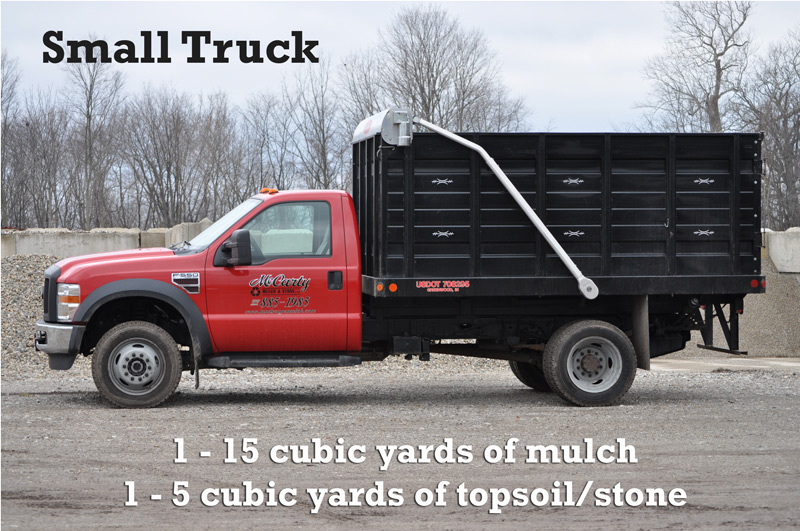
Standard Dump Truck: This is the most common type, typically used for residential and small to medium-sized commercial projects.
Tri-Axle Dump Truck: These trucks have three axles, allowing them to carry heavier loads than standard dump trucks.
-
Tandem Dump Truck: Similar to tri-axle trucks, tandem dump trucks also have multiple axles for increased load capacity.
-
Semi-Trailer Bottom Dump Truck: These trucks have a trailer that opens from the bottom to release the material, often used for road construction and large-scale projects.
-
Side Dump Truck: These trucks dump their load to the side, which can be useful in tight spaces.


The Million-Dollar Question: How Many Cubic Yards Can Each Truck Hold?
The capacity of a dump truck is determined by several factors, but primarily by its size and axle configuration. Here's a general overview:
-
Standard Dump Truck: These typically hold between 10 to 14 cubic yards of dirt. This is the go-to option for smaller residential projects.
-
Tri-Axle Dump Truck: Tri-axle dump trucks can usually handle between 15 to 18 cubic yards of dirt. Their increased axle count allows for heavier loads.
-
Tandem Dump Truck: Similar to tri-axle trucks, tandem dump trucks also hold around 15 to 18 cubic yards.
-
Semi-Trailer Bottom Dump Truck: These giants can carry a whopping 25 to 35 cubic yards of dirt. Perfect for large construction sites.
-
Side Dump Truck: Side dump trucks generally hold around 15 to 20 cubic yards of dirt.
Factors Influencing a Dump Truck's Dirt Capacity
While the above figures provide a general guideline, several factors can affect the actual amount of dirt a dump truck can legally and safely carry:
-
Legal Weight Limits: Every jurisdiction has legal weight limits for vehicles traveling on public roads. These limits are in place to protect infrastructure and ensure safety. Overloading a dump truck can result in hefty fines and potential damage to the vehicle. These restrictions directly affect how many "yards of dirt in a dump truck" can be hauled.
-
Material Density: Not all dirt is created equal. The density of the dirt plays a crucial role in how much a dump truck can carry. For instance, wet, heavy clay will weigh significantly more per cubic yard than dry, loose topsoil. Therefore, a truck might be able to hold the volume of 12 cubic yards of topsoil, but only 8 cubic yards of heavy clay before reaching its weight limit.
-
Truck Bed Size and Shape: The physical dimensions of the dump truck bed directly impact its capacity. The length, width, and height of the bed, as well as its shape (some beds are tapered), will determine the maximum volume it can hold.
-
Moisture Content: As mentioned earlier, moisture content is a significant factor. Wet dirt is heavier than dry dirt, reducing the amount a truck can carry while staying within legal weight limits.
-
Truck Configuration: The number of axles and the overall design of the truck affect its weight distribution and carrying capacity. Trucks with more axles can typically handle heavier loads.
Calculating Your Dirt Needs: A Practical Approach
Okay, so you know how much dirt a dump truck can hold. But how do you figure out how many cubic yards of dirt you need for your project? Here's a step-by-step approach:
-
Determine the Area: First, measure the area you need to cover with dirt. For example, if you're filling a rectangular garden bed, measure its length and width.
-
Determine the Depth: Next, decide how deep you want the dirt to be. This will depend on the purpose of the dirt. For example, a thin layer of topsoil for planting grass will require less depth than filling a large hole.
-
Convert to Feet: Ensure all measurements are in feet. If you measured in inches, divide by 12 to convert to feet.
-
Calculate the Volume in Cubic Feet: Multiply the length, width, and depth (all in feet) to get the volume in cubic feet.
-
Convert to Cubic Yards: Divide the volume in cubic feet by 27 (since there are 27 cubic feet in a cubic yard) to get the volume in cubic yards.
Example:
Let's say you have a garden bed that is 10 feet long, 8 feet wide, and you want to add a layer of topsoil that is 6 inches (0.5 feet) deep.
- Volume in cubic feet: 10 feet x 8 feet x 0.5 feet = 40 cubic feet
- Volume in cubic yards: 40 cubic feet / 27 cubic feet/yard = 1.48 cubic yards
In this case, you would need approximately 1.48 cubic yards of dirt.
Pro tips from us: It's always a good idea to add a little extra (5-10%) to your order to account for settling and compaction.
Working with a Dirt Supplier: Questions to Ask
When you're ready to order dirt, it's crucial to work with a reputable supplier. Here are some essential questions to ask:
-
What type of dirt do you offer? Different projects require different types of dirt. Topsoil is ideal for planting, while fill dirt is better for filling large holes.
-
What is the density of the dirt? Understanding the density will help you estimate how much dirt you'll need and ensure the truck isn't overloaded.
-
What is the moisture content of the dirt? This will affect the weight of the dirt and how much the truck can carry.
-
What size dump trucks do you use? Knowing the truck size will help you estimate how many loads you'll need.
-
What are your delivery fees? Delivery fees can vary depending on the distance and the amount of dirt you're ordering.
-
Are you compliant with all local weight restrictions? This is crucial to avoid fines and ensure the safety of the delivery.
Common Mistakes to Avoid
-
Underestimating Your Dirt Needs: It's always better to order slightly more dirt than you think you need. Running out of dirt mid-project can be a major inconvenience.
-
Overlooking Weight Restrictions: Ignoring weight limits can lead to fines and potential damage to the truck.
-
Failing to Account for Compaction: Dirt will settle and compact over time, so factor this into your calculations.
-
Not Considering the Type of Dirt: Using the wrong type of dirt can negatively impact your project.
-
Neglecting Drainage: Proper drainage is essential for many projects. Make sure the dirt you're using allows for adequate drainage.
The Environmental Impact of Dirt Hauling
It's important to consider the environmental impact of hauling large quantities of dirt. Here are some things to keep in mind:
-
Erosion: Removing large amounts of dirt can lead to erosion, which can damage ecosystems and pollute waterways.
-
Dust Pollution: Hauling dirt can create dust pollution, which can be harmful to human health.
-
Fuel Consumption: Dump trucks consume a significant amount of fuel, contributing to greenhouse gas emissions.
To minimize the environmental impact, consider using recycled materials whenever possible and working with suppliers who prioritize sustainable practices.
Alternatives to Dump Truck Delivery
While dump trucks are the most common way to transport large quantities of dirt, there are alternative options to consider:
-
Smaller Trucks or Trailers: For smaller projects, you might be able to use a smaller truck or trailer to haul the dirt yourself.
-
Bulk Bags: Dirt can be delivered in large, heavy-duty bags that can be moved with a forklift or other equipment.
-
Conveyor Belts: For very large projects, conveyor belts can be used to transport dirt over long distances.
The best option will depend on the size and scope of your project, as well as your budget and available resources.
Conclusion: Planning is Key
Determining how many yards of dirt in a dump truck is a critical step in planning any construction or landscaping project. By understanding the different types of dump trucks, the factors that influence their capacity, and how to calculate your dirt needs, you can ensure your project runs smoothly and efficiently. Remember to work with a reputable supplier, ask the right questions, and consider the environmental impact of your choices. With careful planning and attention to detail, you can get the dirt you need without any surprises.
Understanding the capabilities and limitations of dump trucks, specifically how many "yards of dirt in a dump truck" can be hauled, allows for effective project planning and cost management.
External Link: [Link to a reputable source on dump truck regulations or construction material weight](e.g., a government transportation website or a civil engineering resource).
I hope this comprehensive guide is helpful! Let me know if you have any other questions.