How Many Yards of Dirt Does a Dump Truck Hold? A Comprehensive Guide
Dirt – seemingly simple, yet a crucial component in countless construction, landscaping, and agricultural projects. Whether you're leveling a yard, building a foundation, or creating a garden, understanding the logistics of dirt transportation is essential. A key question that arises is: "How many yards of dirt does a dump truck hold?" The answer, while seemingly straightforward, is nuanced and depends on several factors.
How Many Yards Of Dirt Does A Dump Truck Hold
In this comprehensive guide, we'll delve deep into the world of dump trucks and dirt hauling, exploring the various types of dump trucks, the factors influencing their capacity, how to calculate the amount of dirt you need, and best practices for efficient dirt transportation. Understanding these aspects will help you plan your projects effectively, avoid costly mistakes, and ensure a smooth dirt hauling process.
Why Understanding Dump Truck Capacity Matters
Accurately estimating the amount of dirt a dump truck can hold is more than just a matter of curiosity. It directly impacts your project's budget, timeline, and overall efficiency.
- Cost Estimation: Knowing the capacity helps you accurately estimate the number of truckloads required, allowing you to negotiate fair prices with hauling companies and avoid unexpected expenses.
- Project Planning: Precise estimations enable you to schedule deliveries efficiently, preventing delays and ensuring that the dirt arrives when and where you need it.
- Avoiding Over or Under Ordering: Ordering the correct amount of dirt minimizes waste, reduces disposal costs, and prevents material shortages that can stall your project.
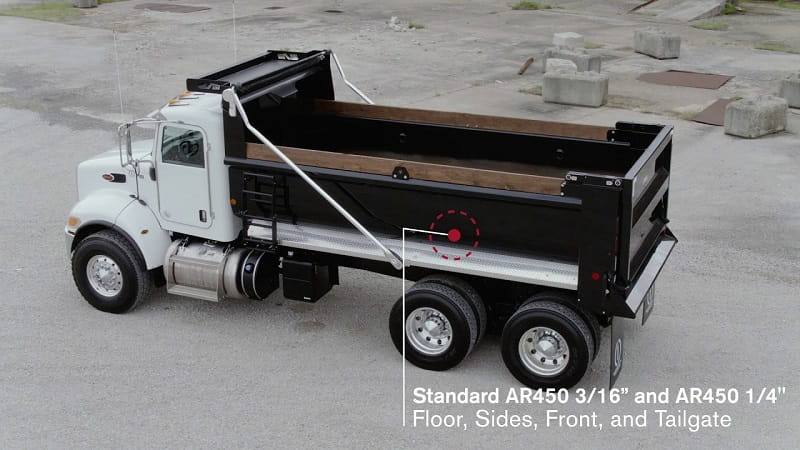
Types of Dump Trucks and Their Capacities
Dump trucks come in various shapes and sizes, each designed for specific applications and load capacities. The most common types include:
-
Standard Dump Truck (Three-Axle): This is the most common type of dump truck you'll see on construction sites and roadways. These trucks typically have one front axle and two rear axles.
- Capacity: Standard dump trucks typically hold between 10 to 14 cubic yards of dirt.
- Typical Use: Ideal for residential projects, small to medium-sized construction sites, and general hauling.
-
Tandem Dump Truck (Four-Axle): Tandem dump trucks have two front axles and two rear axles, providing increased stability and weight distribution.
- Capacity: These trucks can carry approximately 12 to 18 cubic yards of dirt.
- Typical Use: Well-suited for larger construction projects, road construction, and hauling heavier materials.
-
Tri-Axle Dump Truck: Similar to tandem trucks but with an additional axle, these trucks offer even greater load capacity.
- Capacity: Tri-axle dump trucks can hold around 15 to 25 cubic yards of dirt.
- Typical Use: Often used for major construction projects, highway construction, and large-scale excavation.
-
Semi-Trailer End Dump Truck: These consist of a tractor unit pulling a separate trailer. The trailer can be lifted at one end to dump the load.
- Capacity: Semi-trailer end dumps can haul significantly larger volumes, typically ranging from 25 to 40 cubic yards of dirt.
- Typical Use: Efficient for long-distance hauling and large-volume projects like highway construction or quarry operations.
-
Side Dump Truck: These trucks dump their load to the side, making them useful in areas with limited overhead clearance.
- Capacity: Side dump trucks usually hold between 15 to 25 cubic yards of dirt.
- Typical Use: Commonly used in road construction, paving projects, and areas where maneuverability is crucial.

Factors Influencing Dump Truck Capacity
While the type of dump truck provides a general guideline, several other factors can affect the actual amount of dirt a truck can safely and legally carry.
- Legal Weight Limits: Every jurisdiction has regulations on the maximum weight a vehicle can carry on public roads. These limits vary depending on the number of axles, road type, and local laws. Overloading a dump truck can result in hefty fines and safety hazards.
- Material Density: The density of the dirt being hauled plays a significant role. Denser materials like clay or wet soil will weigh more per cubic yard than lighter materials like topsoil or dry fill.
- Truck Bed Volume: The actual volume of the dump truck bed can vary even within the same type of truck. Factors like the bed's length, width, and height determine its overall capacity.
- Moisture Content: Wet dirt is significantly heavier than dry dirt. High moisture content increases the overall weight of the load, potentially reducing the amount of dirt the truck can legally carry.
- Truck Condition: The condition of the truck's suspension, tires, and brakes can also affect its load-carrying capacity. A well-maintained truck can handle heavier loads safely.
Calculating the Amount of Dirt You Need
Before you start ordering dump trucks, it's crucial to accurately calculate the amount of dirt required for your project. Here's a step-by-step guide:
- Determine the Area: Measure the length and width of the area you need to cover with dirt.
- Determine the Depth: Decide on the desired depth of the dirt layer. This will depend on the project requirements. For example, a garden bed might need 12 inches of topsoil, while a foundation might require several feet of fill.
- Calculate the Volume: Multiply the area (length x width) by the depth. Ensure all measurements are in the same units (e.g., feet). The result will be the volume in cubic feet.
- Convert to Cubic Yards: Since dump truck capacities are typically measured in cubic yards, convert the volume from cubic feet to cubic yards by dividing by 27 (1 cubic yard = 27 cubic feet).
- Account for Compaction: Dirt compacts over time, especially after being disturbed and moved. To compensate for compaction, add an extra 10-20% to your calculated volume. This ensures you have enough dirt after it settles.
Example Calculation:
Let's say you need to fill an area that is 20 feet long, 15 feet wide, and requires a depth of 1 foot (12 inches) of dirt.
- Area: 20 feet x 15 feet = 300 square feet
- Depth: 1 foot
- Volume: 300 square feet x 1 foot = 300 cubic feet
- Convert to Cubic Yards: 300 cubic feet / 27 = 11.11 cubic yards
- Account for Compaction (10%): 11.11 cubic yards x 0.10 = 1.11 cubic yards
- Total Dirt Required: 11.11 cubic yards + 1.11 cubic yards = 12.22 cubic yards
Therefore, you would need approximately 12.22 cubic yards of dirt for this project.
Pro Tip: It's always better to slightly overestimate your dirt needs than to underestimate. Running out of dirt mid-project can cause delays and increase costs.
Best Practices for Efficient Dirt Transportation
Efficient dirt transportation is crucial for minimizing costs and maximizing productivity. Here are some best practices to follow:
- Choose the Right Dump Truck: Select the appropriate type of dump truck based on the volume of dirt you need to haul, the site conditions, and any weight restrictions.
- Plan Your Route: Carefully plan the delivery route to minimize travel time and avoid traffic congestion. Consider factors like road conditions, bridge clearances, and weight restrictions.
- Communicate with the Driver: Clearly communicate your delivery instructions to the dump truck driver, including the exact drop-off location, any site-specific safety protocols, and preferred dumping method.
- Prepare the Site: Ensure the drop-off location is clear of obstacles and properly prepared to receive the dirt. This may involve leveling the ground, installing erosion control measures, or creating a designated dumping zone.
- Monitor the Deliveries: Keep track of the number of truckloads delivered and compare it to your estimated requirements. This helps you identify any discrepancies early on and adjust your ordering accordingly.
- Consider Weather Conditions: Avoid hauling dirt during heavy rain or snow, as this can increase the weight of the load and make it more difficult to maneuver the truck.
- Safety First: Always prioritize safety. Ensure that all personnel involved in the dirt hauling process are properly trained and equipped with the necessary safety gear.
Common Mistakes to Avoid
- Overloading Dump Trucks: This is a serious safety hazard and can result in fines, vehicle damage, and accidents. Always adhere to legal weight limits.
- Underestimating Dirt Needs: Running out of dirt mid-project can cause delays and increase costs. Always add a buffer to your calculations to account for compaction and unforeseen circumstances.
- Poor Site Preparation: Failing to properly prepare the drop-off location can lead to inefficiencies and safety hazards. Ensure the site is clear, level, and accessible.
- Ignoring Weather Conditions: Hauling dirt during inclement weather can increase the weight of the load and make it more difficult to maneuver the truck.
- Lack of Communication: Poor communication between the project manager, the dump truck driver, and other personnel can lead to misunderstandings and delays.
Finding Reliable Dirt Hauling Services
Choosing a reputable and reliable dirt hauling company is essential for a successful project. Here are some tips for finding the right provider:
- Check References: Ask for references from previous clients and contact them to inquire about their experience with the company.
- Verify Insurance and Licensing: Ensure the company is properly licensed and insured to operate in your area. This protects you from liability in case of accidents or damages.
- Compare Prices: Obtain quotes from multiple companies and compare their prices. Be sure to ask about any hidden fees or additional charges.
- Assess Their Equipment: Inspect the company's dump trucks to ensure they are well-maintained and in good working condition.
- Evaluate Their Customer Service: Choose a company that is responsive, communicative, and willing to address your concerns.
Conclusion
Determining how many yards of dirt a dump truck holds is a critical aspect of project planning and execution. By understanding the different types of dump trucks, the factors influencing their capacity, and the best practices for efficient dirt transportation, you can ensure that your projects are completed on time, within budget, and with minimal hassle. Remember to accurately calculate your dirt needs, choose the right dump truck, prioritize safety, and work with a reputable hauling company. With careful planning and attention to detail, you can navigate the world of dirt hauling with confidence and achieve your project goals.
By understanding these nuances, you'll be well-equipped to manage your dirt hauling needs effectively and efficiently. Good luck with your project!
Internal Links:
- [Link to another relevant blog post on your site - e.g., "Choosing the Right Soil for Your Garden"] (Example)
External Links:
- Link to a trusted source like a government transportation website or reputable construction resource (Example - Federal Highway Administration)