The Ultimate Guide to Ford Truck Body Repair Panels: Restoring Your Ride to Glory
Ford trucks are legendary. They're known for their toughness, reliability, and iconic status. But even the mightiest Ford can suffer from dents, dings, rust, or more significant damage over time. When that happens, finding the right Ford truck body repair panels becomes essential to restoring your vehicle to its former glory. This comprehensive guide will walk you through everything you need to know, from understanding different panel types to selecting the right materials and finding reputable suppliers.
Ford Truck Body Repair Panels
Why Body Repair Panels Matter for Your Ford Truck
Body repair panels aren't just about aesthetics. They play a crucial role in your truck's structural integrity and safety. A damaged panel can compromise the vehicle's ability to withstand impacts, potentially increasing the risk of injury in an accident. Furthermore, damaged panels can expose your truck to the elements, leading to rust and further deterioration.
- Structural Integrity: The body of your Ford truck is designed to distribute impact forces in a collision. Damaged panels weaken this structure.
- Rust Prevention: Even minor dents and scratches can expose bare metal to moisture, accelerating rust formation.
- Aesthetics and Value: Restoring your truck's appearance with quality body repair panels enhances its resale value and your pride of ownership.
Understanding Different Types of Ford Truck Body Repair Panels

The world of Ford truck body repair panels can seem overwhelming at first. There's a wide variety of panels available, each designed for a specific area of your truck. Understanding these different types is the first step in finding the right solution for your needs.
- Fender Panels: These panels cover the wheels and protect the engine compartment from debris. They are prone to damage from collisions and rust.
- Door Panels: These panels provide access to the cab and protect occupants. They can be damaged in accidents or by rust around the lower edges.
- Bed Panels: These panels form the sides and floor of the truck bed. They are susceptible to dents, scratches, and rust from cargo and the elements.
- Cab Corners: These panels are located at the rear corners of the cab and are often affected by rust.
- Rocker Panels: These panels run along the bottom of the cab, between the wheels. They are highly vulnerable to rust and damage from road debris.
- Floor Pans: These panels form the floor of the cab and are often damaged by rust from moisture accumulation.
- Hood Panels: These panels cover the engine compartment and protect it from the elements. They can be damaged in collisions or by falling objects.
- Tailgates: The tailgate is a crucial part of the truck bed, providing access and support. It's prone to dents, scratches, and hinge damage.
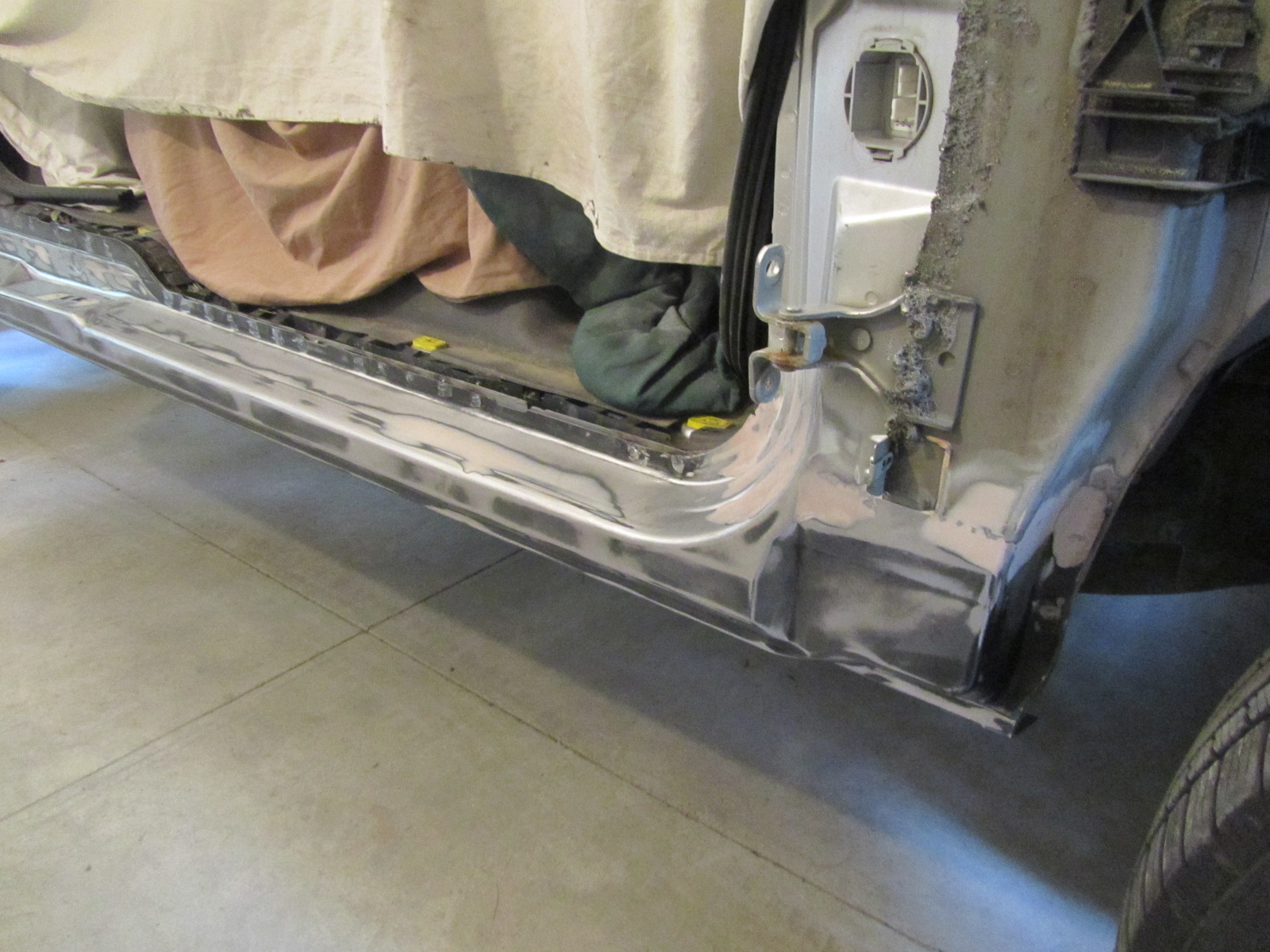

Choosing the Right Material: Steel vs. Aluminum vs. Fiberglass
Ford truck body repair panels are typically made from steel, aluminum, or fiberglass. Each material has its own advantages and disadvantages.
- Steel: Steel is the most common material for body repair panels. It's strong, durable, and relatively inexpensive. However, it's also susceptible to rust.
- Aluminum: Aluminum is lighter than steel and more resistant to rust. It's often used in newer Ford trucks to improve fuel efficiency. However, it's more expensive than steel and requires specialized welding techniques.
- Fiberglass: Fiberglass is a lightweight and rust-resistant material. It's often used for aftermarket body panels and custom modifications. However, it's not as strong as steel or aluminum and can be more difficult to repair.
Pro Tip: When selecting a material, consider your budget, the type of damage, and your welding capabilities. Steel is a good choice for most repairs, but aluminum may be preferable if you're concerned about weight or rust.
Finding the Right Ford Truck Body Repair Panels: OEM vs. Aftermarket
Once you know what type of panel you need and what material you prefer, the next step is to decide whether to go with OEM (Original Equipment Manufacturer) or aftermarket panels.
- OEM Panels: OEM panels are made by Ford or a Ford-approved supplier. They are designed to fit perfectly and meet Ford's quality standards. However, they are typically more expensive than aftermarket panels.
- Aftermarket Panels: Aftermarket panels are made by third-party manufacturers. They are often less expensive than OEM panels but may not fit as precisely or be of the same quality.
Based on my experience… While OEM panels offer the best fit and quality, aftermarket panels can be a viable option if you're on a budget. Just be sure to choose a reputable brand and carefully inspect the panel before installation.
Where to Buy Ford Truck Body Repair Panels
Finding a reliable source for Ford truck body repair panels is crucial. Here are some options:
- Ford Dealerships: Ford dealerships are a good source for OEM panels. They can also help you identify the correct part number for your truck.
- Online Retailers: Many online retailers specialize in auto parts, including body repair panels. Be sure to read reviews and check the retailer's return policy before making a purchase.
- Local Auto Parts Stores: Local auto parts stores may carry a selection of aftermarket body repair panels. They can also provide advice and assistance.
- Salvage Yards: Salvage yards can be a good source for used OEM panels. However, be sure to carefully inspect the panel for damage before purchasing it.
Essential Tools and Equipment for Body Repair
If you plan to tackle the body repair yourself, you'll need the right tools and equipment. Here are some essentials:
- Welder: A welder is essential for attaching new body panels. A MIG welder is a good choice for beginners.
- Grinder: A grinder is used to remove rust, paint, and weld splatter.
- Hammer and Dolly Set: A hammer and dolly set is used to shape and smooth metal.
- Body Filler: Body filler is used to fill in dents and imperfections.
- Sandpaper: Sandpaper is used to smooth body filler and prepare the surface for painting.
- Primer: Primer is used to protect the metal from rust and provide a smooth surface for paint.
- Paint: Paint is used to match the color of your truck.
- Safety Glasses and Gloves: Safety glasses and gloves are essential for protecting yourself from injury.
Step-by-Step Guide to Replacing a Ford Truck Body Repair Panel
Replacing a body repair panel can be a challenging task, but it's achievable with the right tools, knowledge, and patience. Here's a general step-by-step guide:
- Preparation: Gather all the necessary tools and materials. Clean the area around the damaged panel.
- Removal: Carefully remove the damaged panel. This may involve drilling out spot welds, cutting with a grinder, or using a panel removal tool.
- Fitting: Test fit the new panel to ensure it aligns properly. Make any necessary adjustments.
- Welding: Weld the new panel into place. Use appropriate welding techniques to avoid warping the metal.
- Grinding: Grind down the welds to create a smooth surface.
- Body Work: Apply body filler to fill in any imperfections. Sand the filler smooth.
- Priming: Apply primer to the repaired area.
- Painting: Paint the repaired area to match the color of your truck.
- Finishing: Apply clear coat to protect the paint. Polish the repaired area to a shine.
Common mistakes to avoid are… Rushing the welding process, using too much body filler, and neglecting to properly prepare the surface for painting. Take your time and pay attention to detail.
Tips for Preventing Future Body Damage
Once you've repaired your Ford truck, you'll want to take steps to prevent future damage. Here are some tips:
- Regular Washing and Waxing: Regularly wash and wax your truck to protect the paint from the elements.
- Touch-Up Paint: Use touch-up paint to repair minor scratches and chips.
- Parking Strategically: Park in areas where your truck is less likely to be damaged.
- Protective Coatings: Consider applying a protective coating to the undercarriage and rocker panels to prevent rust.
- Driving Carefully: Drive carefully and avoid situations that could lead to accidents.
Cost Considerations for Ford Truck Body Repair
The cost of Ford truck body repair can vary widely depending on the extent of the damage, the type of panel, and whether you choose OEM or aftermarket parts. Labor costs can also vary depending on the location and the expertise of the repair shop.
- DIY vs. Professional Repair: Doing the repair yourself can save you money on labor costs, but it requires time, skill, and the right tools. Professional repair can be more expensive but ensures a high-quality repair.
- Insurance Coverage: Check your insurance policy to see if body damage is covered. If so, you may be able to file a claim to help cover the costs.
Conclusion: Restoring Your Ford Truck's Legacy
Ford trucks are built to last, but even the toughest vehicles can suffer damage over time. By understanding the different types of body repair panels, choosing the right materials, and finding a reliable source for parts, you can restore your Ford truck to its former glory and preserve its legacy for years to come. Whether you choose to tackle the repair yourself or hire a professional, remember that quality workmanship and attention to detail are key to a successful outcome.
External Link: A Trusted Resource on Auto Body Repair
[Internal Link: How to Choose the Right Tires for Your Ford Truck] (This would link to another relevant article on your blog)
[Internal Link: Maintaining Your Ford Truck's Engine for Longevity] (This would link to another relevant article on your blog)
By following this guide, you'll be well-equipped to handle any Ford truck body repair project, ensuring your ride looks its best and remains a reliable workhorse for years to come. Good luck!