Fiberglass Kit Trucks: A Comprehensive Guide to Building Your Dream Ride
Are you dreaming of a unique truck, something that turns heads and reflects your personal style? A fiberglass kit truck might be the perfect project for you. This comprehensive guide will walk you through everything you need to know, from understanding the basics to successfully completing your build. We'll explore the advantages and disadvantages, the different types available, the building process, and essential tips to ensure a smooth and rewarding experience. Whether you're a seasoned gearhead or a first-time builder, this guide will equip you with the knowledge to create the custom truck of your dreams.
Fiberglass Kit Trucks
What is a Fiberglass Kit Truck?
A fiberglass kit truck, at its core, is a collection of fiberglass body panels designed to be mounted onto an existing chassis. Instead of starting with a complete vehicle, you're essentially building the truck's body from scratch. These kits offer a blank canvas for customization and allow you to create a truck that's truly one-of-a-kind.
The beauty of fiberglass lies in its versatility. It's lightweight, relatively strong, and can be molded into complex shapes. This makes it ideal for creating custom body designs that would be difficult or impossible to achieve with traditional steel fabrication.
Why Choose a Fiberglass Kit Truck?
There are several compelling reasons to consider a fiberglass kit truck for your next automotive project:
- Customization: This is the biggest draw for most builders. You have complete control over the truck's appearance, from the body style and paint job to the interior and accessories. Want a retro-inspired pickup? A futuristic off-roader? With a fiberglass kit, the possibilities are nearly endless.
- Cost-Effectiveness: While not always cheaper than buying a used truck, a kit truck can be a more affordable way to get a custom vehicle. You can spread the cost over time as you purchase parts and materials. Plus, you can often find used chassis and components at bargain prices.
- Learning Experience: Building a kit truck is an incredibly rewarding learning experience. You'll gain valuable skills in fiberglass work, bodywork, mechanical repairs, and electrical wiring. It's a hands-on education that will empower you to tackle future automotive projects with confidence.
- Uniqueness: In a world of mass-produced vehicles, a fiberglass kit truck stands out from the crowd. You'll have a vehicle that's truly unique and reflects your personal taste. Prepare to answer a lot of questions and receive plenty of compliments!
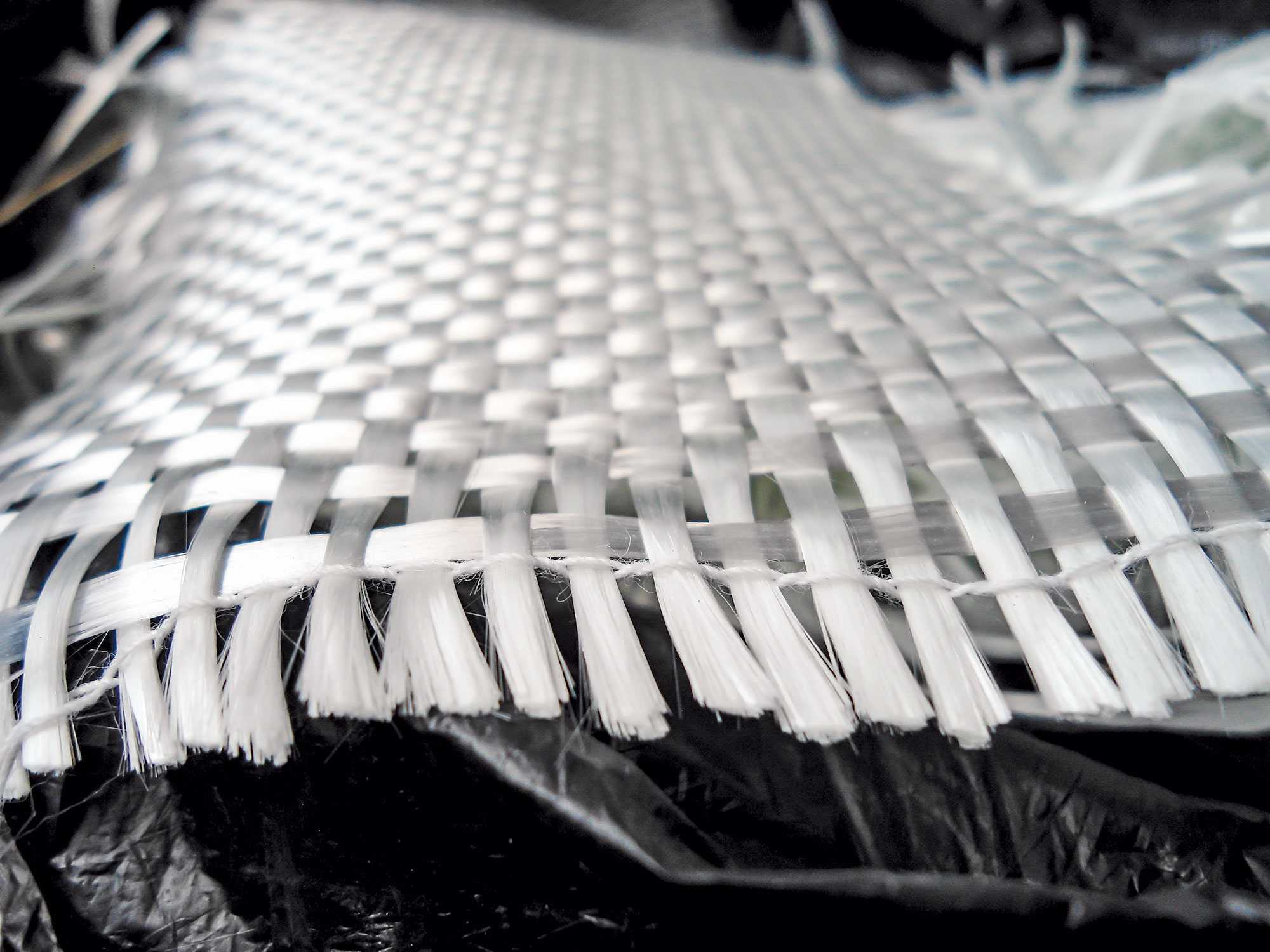
Advantages and Disadvantages of Fiberglass Kit Trucks
Like any project, building a fiberglass kit truck has its pros and cons. Understanding these will help you make an informed decision.

Advantages:
- Lightweight: Fiberglass is significantly lighter than steel, which can improve fuel economy and handling.
- Rust-Resistant: Unlike steel, fiberglass doesn't rust, making it ideal for vehicles that will be exposed to the elements.
- Design Flexibility: Fiberglass can be molded into complex shapes, allowing for unique and eye-catching designs.
- Repairable: Fiberglass damage is relatively easy to repair with basic tools and materials.
- Customizable: Offers unparalleled customization options for appearance and functionality.

Disadvantages:
- Skill Required: Building a kit truck requires a certain level of skill and experience in fiberglass work, bodywork, and mechanical repairs.
- Time Commitment: Building a kit truck is a time-consuming project that can take months or even years to complete.
- Potential for Imperfections: Fiberglass work can be challenging, and it's easy to make mistakes that can affect the final appearance of the truck.
- Chassis Compatibility: Ensuring the kit is compatible with your chosen chassis can be tricky and may require modifications.
- Title and Registration: Titling and registering a kit truck can sometimes be complicated, depending on your local regulations.
Types of Fiberglass Kit Trucks
Fiberglass kit trucks come in a variety of styles and configurations. Here are some of the most popular types:
- Replica Trucks: These kits are designed to replicate classic or iconic trucks, such as the Ford Model A, Chevy 3100, or even military vehicles like Jeeps. They offer a way to own a vintage-looking truck without the high cost and maintenance of an original.
- Custom-Designed Trucks: These kits feature unique and original designs that are not based on any existing vehicle. They allow for maximum creativity and customization.
- Off-Road Trucks: These kits are designed for off-road use and often feature reinforced bodies, lifted suspensions, and other modifications.
- Sport Trucks: These kits focus on performance and style, often featuring lowered suspensions, aerodynamic body kits, and powerful engines.
- Cab-Over Trucks: These kits offer a unique and space-saving design, with the cab located directly over the engine.
Choosing the Right Kit
Selecting the right kit is crucial for a successful build. Here are some factors to consider:
- Quality of the Fiberglass: Look for kits made from high-quality fiberglass with a smooth finish and minimal imperfections. Check online reviews and forums to see what other builders have to say about the kit's quality.
- Completeness of the Kit: Some kits are more complete than others. A complete kit will include all the necessary body panels, hardware, and instructions. A less complete kit may require you to source additional parts, which can add to the cost and complexity of the project.
- Chassis Compatibility: Make sure the kit is compatible with your chosen chassis. Some kits are designed for specific chassis, while others are more universal. If you're not sure, contact the kit manufacturer for advice.
- Instructions and Support: A good kit will come with clear and detailed instructions. The manufacturer should also offer technical support to answer your questions and help you troubleshoot any problems.
- Your Skill Level: Be realistic about your skill level. If you're a beginner, choose a simpler kit that doesn't require extensive modifications or fabrication.
The Building Process: A Step-by-Step Guide
Building a fiberglass kit truck is a complex process, but it can be broken down into manageable steps:
- Chassis Preparation: The first step is to prepare the chassis. This may involve cleaning, repairing, and modifying the chassis to fit the new body. Ensure the chassis is structurally sound and all mechanical components are in good working order.
- Body Panel Assembly: Next, you'll need to assemble the body panels. This involves fitting the panels together, trimming them as needed, and bonding them together with fiberglass resin and mat.
- Bodywork and Smoothing: Once the body is assembled, you'll need to perform bodywork to smooth out any imperfections and prepare the surface for paint. This may involve using body filler, sanding, and priming.
- Painting: After the bodywork is complete, you can paint the truck. This is where you can really personalize your build and give it the look you want.
- Interior Installation: Install the interior components, such as seats, dashboard, gauges, and wiring.
- Mechanical Installation: Install the engine, transmission, and other mechanical components.
- Electrical Wiring: Wire up the electrical system, including lights, turn signals, and other accessories.
- Final Assembly: Put everything together and make any final adjustments.
- Testing and Tuning: Test the truck thoroughly and make any necessary adjustments to ensure it's running properly.
Essential Tools and Materials
To build a fiberglass kit truck, you'll need a variety of tools and materials, including:
- Fiberglass Resin and Mat: Used for bonding the body panels together.
- Body Filler: Used for smoothing out imperfections in the body.
- Sandpaper: Used for sanding the body and preparing it for paint.
- Primer: Used to prepare the surface for paint.
- Paint: Choose a high-quality automotive paint that is compatible with fiberglass.
- Grinder: Used for cutting and shaping fiberglass.
- Sander: Used for sanding the body.
- Welder: Used for welding the chassis.
- Basic Hand Tools: Wrenches, sockets, screwdrivers, pliers, etc.
- Safety Equipment: Safety glasses, gloves, and a respirator.
Pro Tips for a Successful Build
- Plan Carefully: Before you start building, create a detailed plan that outlines all the steps involved, the materials you'll need, and the budget you'll be working with.
- Take Your Time: Don't rush the process. Building a kit truck takes time and patience.
- Ask for Help: Don't be afraid to ask for help from experienced builders or professionals.
- Join a Forum: Online forums are a great resource for information and support.
- Document Your Progress: Take photos and videos of your progress. This will help you track your progress and identify any problems along the way.
- Invest in Quality Materials: Using high-quality materials will ensure a better finished product and a longer lifespan for your truck.
- Prioritize Safety: Always wear safety glasses, gloves, and a respirator when working with fiberglass and other materials.
Common Mistakes to Avoid
- Not Preparing the Chassis Properly: A solid chassis is essential for a successful build. Make sure the chassis is structurally sound and all mechanical components are in good working order before you start building.
- Rushing the Bodywork: Bodywork is a crucial step in the building process. Take your time and do it right.
- Using Low-Quality Materials: Using low-quality materials will compromise the quality and durability of your truck.
- Ignoring the Instructions: Read the instructions carefully and follow them closely.
- Not Seeking Help When Needed: Don't be afraid to ask for help from experienced builders or professionals.
Titling and Registering Your Kit Truck
Titling and registering a kit truck can be a bit more complicated than titling a regular vehicle. The specific requirements vary depending on your state or local regulations. Generally, you'll need to provide documentation such as:
- Bill of Sale for the Kit: This proves you purchased the kit legally.
- Bill of Sale for the Chassis: This proves you own the chassis the body is mounted on.
- Manufacturer's Certificate of Origin (MCO): Some kits come with an MCO, which simplifies the titling process.
- Inspection: Many states require an inspection to ensure the truck meets safety standards.
Based on my experience, it's always best to contact your local Department of Motor Vehicles (DMV) or equivalent agency to determine the specific requirements in your area. They can provide you with the necessary forms and information to ensure a smooth titling and registration process. Ignoring this step can lead to legal issues down the road.
The Future of Fiberglass Kit Trucks
The future of fiberglass kit trucks looks bright. As technology advances, we can expect to see even more innovative and exciting designs. 3D printing is already starting to play a role in the creation of molds and even some body panels. This will allow for even greater customization and affordability. [Link to external source about 3D printing in automotive manufacturing].
In conclusion, building a fiberglass kit truck is a challenging but rewarding project. It allows you to create a unique vehicle that reflects your personal style and skills. By following the tips and advice in this guide, you can increase your chances of a successful build and enjoy the satisfaction of driving a truck that you built with your own hands.
Internal Linking: Consider linking to another article on your blog about custom automotive painting techniques or a guide to choosing the right chassis for a kit truck.
Final Thoughts
Fiberglass kit trucks offer an exciting avenue for automotive enthusiasts to express their creativity and build a truly unique vehicle. With careful planning, dedication, and the right resources, you can transform a collection of fiberglass panels into the truck of your dreams. Remember to prioritize safety, seek guidance when needed, and enjoy the journey! Happy building!