The Ultimate Guide to Farrier Trucks: Building the Perfect Mobile Horseshoeing Workshop
The rhythmic clang of hammer on steel, the smell of burning hoof – it's all part of the farrier's world. But behind every skilled farrier is a well-equipped farrier truck, the mobile workshop that makes their crucial work possible. Choosing the right farrier truck is a decision that significantly impacts efficiency, profitability, and even physical well-being. This comprehensive guide dives deep into everything you need to know about farrier trucks, from selecting the right chassis to organizing your tools for maximum productivity.
Farrier Truck
Why Your Farrier Truck Matters: More Than Just Transportation
A farrier truck is far more than just a way to get from one farm to another. It's a carefully designed workspace that allows you to perform your duties efficiently and safely. The right setup can minimize wasted time, reduce strain on your body, and project a professional image to your clients.
-
Efficiency is Key: A well-organized truck means less time searching for tools and more time working on horses.
-
Protecting Your Body: Lifting heavy equipment and constantly bending over can take a toll. A properly designed truck helps minimize these physical stressors.

-
Professionalism and Image: A clean, well-maintained truck reflects positively on your business, instilling confidence in your clients.
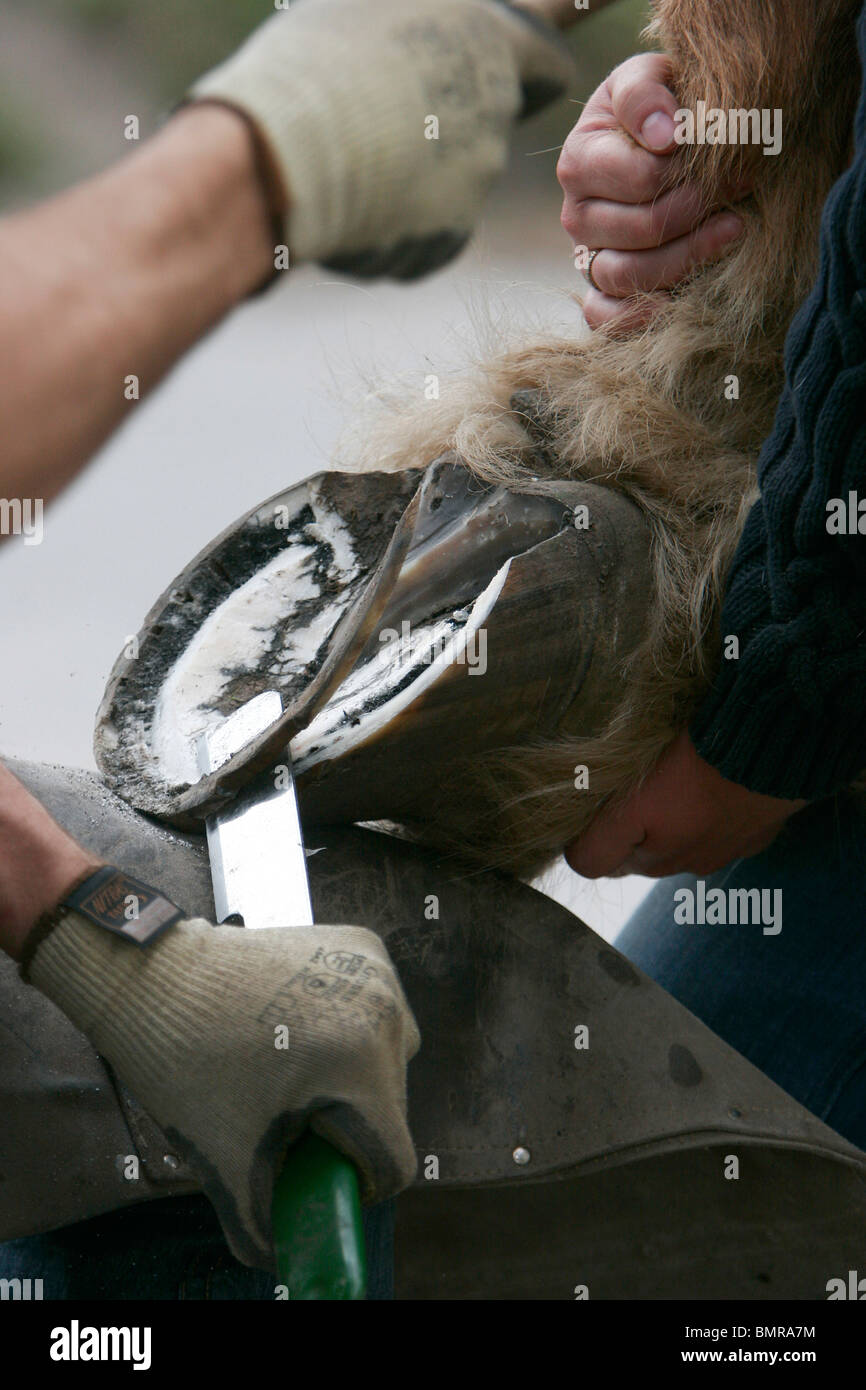
Safety First: A secure and organized truck prevents tools from shifting during transit, minimizing the risk of accidents and injuries.
Choosing the Right Chassis: Matching Your Needs to the Vehicle
The foundation of any great farrier truck is the chassis. This is where you'll need to make an informed decision based on your specific needs and budget. The choices you make here affect everything else.

-
Truck vs. Van: This is the first big decision. Trucks offer open beds for custom fabrication, while vans provide enclosed, secure storage.
- Trucks: Typically, a one-ton or heavier truck is recommended. This provides the necessary payload capacity for all the tools, equipment, and materials you'll be carrying. Look for models known for their reliability and durability.
- Vans: Cargo vans offer excellent protection from the elements and built-in security. High-roof models are particularly desirable, allowing you to stand upright inside.
-
Payload Capacity: Don't underestimate the weight of your equipment. Add up everything – anvil, forge, tools, shoes, nails, propane tanks – and make sure the chassis you choose can handle it safely. Always err on the side of caution and choose a vehicle with a higher payload capacity than you think you'll need.
-
Fuel Efficiency: Farriers often travel long distances. Consider fuel efficiency when making your choice, especially if you plan to cover a large service area. Diesel engines generally offer better fuel economy for heavy-duty use, but gasoline engines may be more cost-effective in the long run.
-
Four-Wheel Drive (4WD): If you service farms in rural areas or experience harsh weather conditions, 4WD can be essential. This will help you navigate muddy fields, snowy driveways, and other challenging terrains.
Designing the Interior: Maximizing Space and Functionality
The interior design of your farrier truck is where the magic happens. This is where you transform a bare space into a functional mobile workshop. Careful planning is crucial to maximize space, ensure easy access to tools, and maintain a safe working environment.
-
Layout is Paramount: Start by sketching out different layouts. Consider the flow of your work – where will you store your most frequently used tools? Where will you do your shoe modifications?
- Think about zones. Designate areas for shoeing tools, trimming tools, anvil, forge, and supplies. This will help you stay organized and efficient.
- Consider accessibility. Ensure that you can easily reach all your tools and equipment without having to climb or stretch excessively.
-
Storage Solutions: Shelving, drawers, and cabinets are essential for organizing your tools and materials.
- Shelving: Adjustable shelving allows you to customize the storage space to fit your specific needs. Consider using bins or containers to keep smaller items organized.
- Drawers: Drawers are ideal for storing smaller tools and supplies. Look for drawers with dividers to keep items separated and prevent them from rolling around.
- Cabinets: Cabinets provide secure storage for larger items or those that need to be protected from the elements.
-
Anvil Placement: The anvil is the heart of the farrier's workshop. Position it securely and at a comfortable working height.
- Consider a dedicated anvil stand that can be bolted to the floor of the truck. This will prevent the anvil from shifting during transit and provide a stable working surface.
- Ensure that you have enough space around the anvil to move freely and safely.
-
Forge Mounting: Securely mount your forge, ensuring proper ventilation and heat shielding.
- If using a propane forge, ensure that the propane tank is securely mounted and easily accessible.
- Consider installing a heat shield to protect the interior of the truck from the forge's heat.
-
Lighting: Adequate lighting is crucial for performing detailed work. Install both overhead and task lighting.
- LED lighting is energy-efficient and provides bright, even illumination.
- Consider installing a flexible task light that can be positioned to provide light where you need it most.
Essential Equipment and Tools: What You Can't Live Without
No farrier truck is complete without the right tools and equipment. Here's a list of essentials to consider:
- Anvil: A high-quality anvil is the cornerstone of any farrier's workshop.
- Forge: Gas or coal, depending on your preference and the type of work you do.
- Hammers: A variety of hammers, including driving hammers, shaping hammers, and rounding hammers.
- Nippers: For trimming hooves.
- Rasps: For shaping and finishing hooves.
- Clincher: For bending over nail ends.
- Pull-Offs: For removing shoes.
- Hoof Knife: For detailed hoof work.
- Shoe Spreaders: For adjusting shoe size.
- Nail Cutters: For trimming nail ends.
- Various Horseshoes: A selection of different sizes and styles.
- Nails: A variety of sizes and types.
- Propane Tank (if using a gas forge): With appropriate safety valves and regulators.
- First Aid Kit: For both human and equine injuries.
- Fire Extinguisher: A must-have for safety.
Organization Tips: Maximizing Efficiency and Minimizing Clutter
A well-organized truck is a productive truck. Here are some tips for keeping your farrier truck tidy and efficient:
-
"A Place for Everything, and Everything in Its Place": This old adage is especially true in a farrier truck. Designate a specific location for each tool and material, and always return it to its place after use.
-
Shadow Boards: Create shadow boards for your most frequently used tools. This makes it easy to see at a glance if anything is missing.
-
Label Everything: Label all your shelves, drawers, and containers. This will help you quickly find what you need.
-
Regular Cleanouts: Schedule regular cleanouts to remove clutter and unused items. This will help you stay organized and prevent your truck from becoming too cluttered.
-
Secure Loose Items: Use straps, bungee cords, or netting to secure loose items during transit. This will prevent them from shifting around and potentially causing damage or injury.
Safety Considerations: Protecting Yourself and Your Equine Clients
Safety should always be a top priority when working with horses and tools. Here are some important safety considerations for your farrier truck:
- Secure Equipment: Ensure that all equipment is securely mounted and cannot shift during transit.
- Proper Ventilation: Ensure adequate ventilation when using a forge, especially in an enclosed space.
- Fire Safety: Keep a fire extinguisher readily accessible and know how to use it.
- First Aid: Carry a well-stocked first aid kit for both human and equine injuries.
- Personal Protective Equipment (PPE): Wear appropriate PPE, including safety glasses, gloves, and sturdy footwear.
- Horse Handling Skills: Always use safe and humane horse handling techniques.
- Awareness of Surroundings: Be aware of your surroundings and potential hazards, such as uneven ground, low-hanging branches, and other animals.
Customization and Upgrades: Tailoring Your Truck to Your Specific Needs
Once you have the basics in place, you can customize your farrier truck to better suit your specific needs and preferences.
-
Power Inverter: A power inverter allows you to run electrical tools and appliances from your truck's battery. This can be useful for running power tools, charging batteries, or even running a small refrigerator.
-
Air Compressor: An air compressor can be used to power pneumatic tools, such as air hammers and grinders.
-
Water Tank: A water tank can be useful for washing hooves or cleaning tools.
-
Security System: A security system can help protect your valuable tools and equipment from theft.
-
Climate Control: Consider adding air conditioning or heating to your truck for increased comfort, especially if you work in extreme climates.
Cost Considerations: Balancing Budget and Quality
Building a farrier truck can be a significant investment. It's important to balance your budget with the need for quality and durability.
- Used vs. New: Consider purchasing a used truck to save money. However, be sure to thoroughly inspect the vehicle before buying it.
- DIY vs. Professional Build: You can save money by building the interior of your truck yourself. However, if you lack the necessary skills or time, it may be worth hiring a professional.
- Prioritize Quality: Don't skimp on essential equipment, such as the anvil and forge. Investing in high-quality tools will save you money in the long run.
- Shop Around: Compare prices from different vendors before making any purchases.
Common Mistakes to Avoid:
- Underestimating Payload Capacity: This is a critical mistake that can lead to safety issues and vehicle damage.
- Poor Layout Planning: A poorly planned layout can lead to wasted space and decreased efficiency.
- Ignoring Safety Considerations: Neglecting safety can lead to injuries and accidents.
- Skimping on Quality: Investing in cheap tools and equipment will likely result in more frequent repairs and replacements.
Pro Tips from Us:
- Visit other farriers and see their truck setups. This is a great way to get ideas and learn from their experiences.
- Take your time and plan carefully. Don't rush the process of building your farrier truck.
- Don't be afraid to ask for help. There are many experienced farriers and truck builders who can offer advice and guidance.
- Regularly maintain your truck and equipment. This will help ensure that they last for many years.
Conclusion: Investing in Your Future
A well-equipped farrier truck is an investment in your future. It's a mobile workshop that allows you to perform your duties efficiently, safely, and professionally. By carefully considering your needs and following the tips in this guide, you can build the perfect farrier truck for your business. Remember to prioritize safety, organization, and quality to create a workspace that will serve you well for years to come.
Choosing the right farrier truck can significantly impact your business and your well-being. Take the time to research your options, plan carefully, and invest in quality equipment. A well-designed and organized truck will not only make your job easier but also enhance your professionalism and success.
External Link: For more information on farrier supplies, visit [link to a reputable farrier supply website].
Remember to adapt this article to your specific experiences and knowledge. Good luck!