The Ultimate Guide to Tacoma Truck Campers: Adventure Awaits!
Introduction:
Campers For Tacoma Trucks
The Toyota Tacoma is a legendary pickup truck known for its reliability, off-road prowess, and compact size, making it a favorite among outdoor enthusiasts. Combining a Tacoma with a camper transforms it into a self-contained adventure vehicle, ready to explore remote destinations and create unforgettable memories. But with so many options available, choosing the right camper for your Tacoma can feel overwhelming.
This comprehensive guide will walk you through everything you need to know about Tacoma truck campers, from understanding weight considerations and different camper types to selecting the perfect features for your needs and budget. Whether you're a seasoned overlander or a weekend warrior, this article will equip you with the knowledge to make an informed decision and embark on your next adventure with confidence. Let's dive in!
Why Choose a Tacoma Truck Camper?
-
Enhanced Mobility: Truck campers offer a significant advantage over traditional RVs or travel trailers: unparalleled mobility. A Tacoma with a camper can navigate narrow trails, access remote campsites, and explore areas that would be inaccessible to larger vehicles.
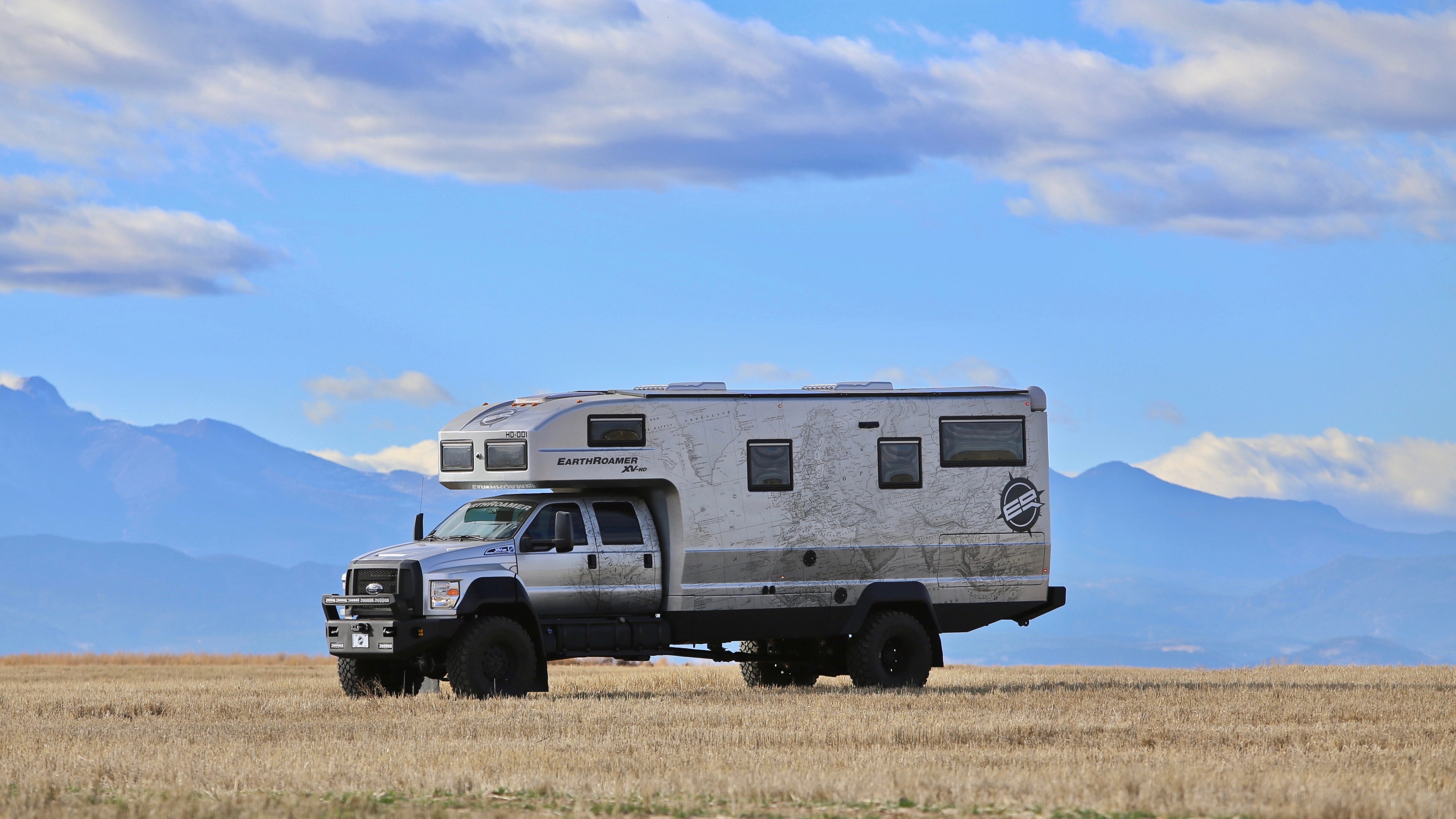
Self-Sufficiency: Many truck campers are equipped with features like solar panels, water tanks, and onboard generators, allowing you to boondock (camp without hookups) for extended periods. This self-sufficiency opens up a world of possibilities for exploring off-the-beaten-path destinations.
-
Cost-Effectiveness (Potentially): While the initial investment in a truck camper can be substantial, it can be a more cost-effective option than owning a separate tow vehicle and travel trailer. You only have one vehicle to maintain, insure, and fuel. Furthermore, depending on your travel style, you can save on accommodation costs by camping instead of staying in hotels or RV parks.
-
Compact and Manageable: Compared to larger RVs, Tacoma truck campers are relatively compact and easy to manage. This makes them a good choice for solo travelers or couples who don't need a lot of living space. Driving and parking are also easier with a smaller vehicle.

Key Considerations Before Buying a Tacoma Truck Camper:

Before you get too excited about hitting the open road, there are several crucial factors to consider:
-
Weight Capacity (Payload): This is the MOST important consideration. Your Tacoma has a Gross Vehicle Weight Rating (GVWR), which is the maximum permissible weight of the vehicle, including passengers, cargo, and the camper. Exceeding the GVWR can damage your truck's suspension, brakes, and other components, and it's extremely dangerous. Find your Tacoma's payload capacity on a sticker inside the driver's side door jamb. Then, accurately weigh your truck with all your normal gear and passengers to determine how much payload you have available for a camper. Never exceed the GVWR or the axle weight ratings.
- Pro Tip from us: Many Tacoma owners underestimate the weight of their gear. Pack everything you would normally take on a trip and weigh it. You'll be surprised how quickly it adds up!
-
Tacoma Model and Configuration: The year, cab configuration (access cab, double cab), and engine size of your Tacoma will affect its payload capacity. Newer models generally have slightly higher payload ratings, but it's essential to check the specific specs for your truck. Four-wheel-drive Tacomas typically have slightly lower payload capacities than two-wheel-drive models due to the added weight of the 4x4 system.
-
Camper Weight: Camper manufacturers list the dry weight of their campers, but this doesn't include water, propane, gear, or passengers. Factor in the weight of all these items when calculating the total weight of the camper. A fully loaded camper can easily add several hundred pounds to the dry weight.
-
Suspension Upgrades: Based on my experience, if you plan to carry a camper regularly, consider upgrading your Tacoma's suspension. Upgrading the suspension helps distribute the weight more evenly and improves handling and stability. Options include adding leaf springs, air springs, or upgraded shocks.
- Common mistakes to avoid are: Neglecting suspension upgrades can lead to excessive sag, poor handling, and even damage to your truck's frame.
-
Center of Gravity: The camper's center of gravity affects your truck's stability. A high center of gravity can make the truck more prone to swaying or tipping, especially on uneven terrain. Choose a camper with a low center of gravity and distribute the weight inside the camper carefully to minimize these risks.
Types of Tacoma Truck Campers:
There's a camper type to suit every adventure and budget. Here's an overview of the most common options:
-
Pop-Up Campers: These campers have a collapsible roof that pops up to provide standing headroom. They are lightweight and aerodynamic, making them a good choice for Tacomas with lower payload capacities. Pop-up campers typically have canvas or soft sides, which can be less insulated than hard-sided campers.
- Pros: Lightweight, fuel-efficient, compact for storage.
- Cons: Less insulation, can be noisy in windy conditions.
-
Hard-Sided Campers: These campers have rigid walls and a solid roof, offering better insulation and weather protection than pop-up campers. They are heavier and more expensive than pop-up campers but provide a more comfortable and secure camping experience.
- Pros: Excellent insulation, durable, secure.
- Cons: Heavier, more expensive, can affect fuel economy.
-
Flatbed Campers: These campers are designed to be mounted on a flatbed truck, which replaces the factory bed. Flatbed campers offer more living space and storage than traditional truck campers. They are typically more expensive and require significant modifications to your Tacoma.
- Pros: Maximum living space, ample storage, customizable.
- Cons: Expensive, requires flatbed conversion, can be very heavy.
-
Slide-In Campers: This is the most common type of truck camper. They slide into the bed of your truck and are secured with tie-downs. They come in both hard-sided and pop-up models.
- Pros: Relatively easy to install and remove, wide variety of options.
- Cons: Can affect truck handling, may require suspension upgrades.
-
Lightweight Clamshell Campers: These are a lighter option that typically has a pop-top or clamshell design. They are designed to be as minimal as possible while still offering shelter and a place to sleep.
- Pros: Very lightweight, aerodynamic, easy to store.
- Cons: Limited living space, minimal features.
Essential Features to Consider:
-
Sleeping Capacity: How many people do you need to accommodate? Consider the size and layout of the sleeping area.
-
Kitchen: Do you want a full kitchen with a stove, sink, and refrigerator? Or are you happy with a portable stove and cooler?
-
Bathroom: Some truck campers have a toilet and shower, while others only have a portable toilet. Consider your needs and preferences.
-
Storage: Truck campers have limited storage space, so think about how much gear you need to bring and choose a camper with adequate storage compartments.
-
Power: Consider your power needs. Do you want solar panels, a generator, or both? How many batteries do you need to power your appliances and electronics?
-
Water: How much water do you need for drinking, cooking, and showering? Choose a camper with a water tank that meets your needs.
-
Heating and Cooling: If you plan to camp in hot or cold weather, consider a camper with air conditioning or a furnace.
Choosing the Right Camper for Your Needs:
Here's a step-by-step guide to help you select the perfect camper for your Tacoma:
-
Determine Your Budget: Truck campers range in price from a few thousand dollars to over $50,000. Set a realistic budget before you start shopping.
-
Assess Your Needs: What type of camping do you plan to do? How many people will be traveling with you? What features are essential?
-
Research Different Campers: Read reviews, compare specs, and visit dealerships to see campers in person.
-
Check the Weight: Make sure the camper's weight is within your Tacoma's payload capacity.
-
Consider the Size and Layout: Choose a camper that is comfortable and functional for your needs.
-
Inspect the Camper Carefully: Before you buy, inspect the camper for any signs of damage or wear.
Popular Tacoma Truck Camper Brands:
Here are a few reputable truck camper brands to consider:
-
Four Wheel Campers: Known for their durable and lightweight pop-up campers.
-
AT Overland Equipment: Offers high-quality hard-sided and flatbed campers.
-
Kimbo Campers: A newer brand offering modern and minimalist hard-sided campers.
-
nuCamp: Offers a range of innovative and stylish truck campers.
-
Hallmark RV: Specializes in custom-built truck campers.
Tips for Maintaining Your Tacoma Truck Camper:
-
Regularly Inspect the Camper: Check for leaks, cracks, and other damage.
-
Clean the Camper Regularly: Wash the exterior and interior to prevent dirt and grime buildup.
-
Lubricate Moving Parts: Keep hinges, locks, and other moving parts lubricated.
-
Winterize the Camper: If you live in a cold climate, winterize the camper to prevent freezing and damage.
-
Store the Camper Properly: When not in use, store the camper in a dry, covered location.
Conclusion:
Choosing the right camper for your Tacoma truck is a significant decision, but with careful research and planning, you can find the perfect match for your needs and budget. A Tacoma truck camper can open up a world of adventure, allowing you to explore remote destinations, enjoy the great outdoors, and create lasting memories. Remember to prioritize safety by staying within your truck's weight limits and maintaining your camper properly. Now, get out there and start exploring!
External Link: For more information on calculating your vehicle's payload capacity, check out this resource from reputable automotive website, e.g., Edmunds.
Internal Links: (Assuming I had other relevant articles on my blog, I would insert them here. For example:)
- "Essential Gear for Overlanding in Your Tacoma"
- "Tips for Boondocking and Off-Grid Camping"