The Ultimate Guide to Finding Budget One-Way Truck Rentals
Moving can be a stressful experience, especially when you're on a tight budget. Whether you're relocating across town or across the country, the cost of transportation can quickly add up. One-way truck rentals offer a convenient solution, allowing you to pick up a truck at one location and drop it off at another. However, finding affordable options requires careful planning and research. This guide will walk you through everything you need to know to secure a budget-friendly one-way truck rental.
Budget One Way Truck Rental
Understanding One-Way Truck Rentals
One-way truck rentals are ideal for moves where you don't need to return the truck to the original location. This is particularly useful for long-distance moves, saving you time, fuel, and the hassle of driving back. Several major rental companies offer this service, each with its own pricing structure and terms.
Why Choose a One-Way Rental?
The primary benefit is convenience. Imagine moving from New York to Los Angeles. A round trip would add thousands of miles and several days to your journey. One-way rentals eliminate this burden. This is why one-way truck rentals are so popular.
They also save on fuel costs. Driving a large truck across the country and back consumes a significant amount of gas. A one-way rental cuts this cost in half. It's a smart financial decision.
Factors Affecting One-Way Truck Rental Costs
Several factors influence the price of a one-way truck rental. Understanding these factors is crucial for finding the best deal. Being aware of these factors can help you make informed decisions.
- Distance: The further you move, the higher the rental cost. Rental companies factor in fuel consumption, wear and tear, and the logistics of returning the truck to its original location.
- Truck Size: Larger trucks cost more to rent than smaller ones. Choose the right size to avoid paying for unnecessary space. Overestimating can be expensive.
- Rental Company: Different companies have different pricing structures. Comparing quotes from multiple providers is essential. Each company has unique fees and promotions.
- Time of Year: Rental rates fluctuate based on demand. Peak moving seasons, such as summer and the end of the month, tend to be more expensive. Off-peak seasons offer better deals.
- Day of the Week: Weekends are typically busier and more expensive than weekdays. If possible, schedule your move during the week. This can save you a significant amount of money.
- Insurance: Rental companies offer insurance options, which can add to the overall cost. Consider your existing insurance coverage before purchasing additional protection.
- Additional Fees: Be aware of potential extra charges, such as mileage fees, environmental fees, and late return fees. Always read the fine print.

Top Truck Rental Companies for Budget Moves
Several national and regional truck rental companies offer one-way services. Each has its strengths and weaknesses. Here's a look at some of the most popular options:

- U-Haul: Known for its extensive network of locations and affordable base rates, U-Haul is a popular choice for budget-conscious movers. They offer a wide range of truck sizes and moving supplies.
- Penske: Penske is another major player, often praised for its newer, well-maintained trucks. Their rates may be slightly higher than U-Haul's, but they offer reliable service.
- Budget Truck Rental: As the name suggests, Budget Truck Rental aims to provide affordable moving solutions. They often have competitive rates and discounts.
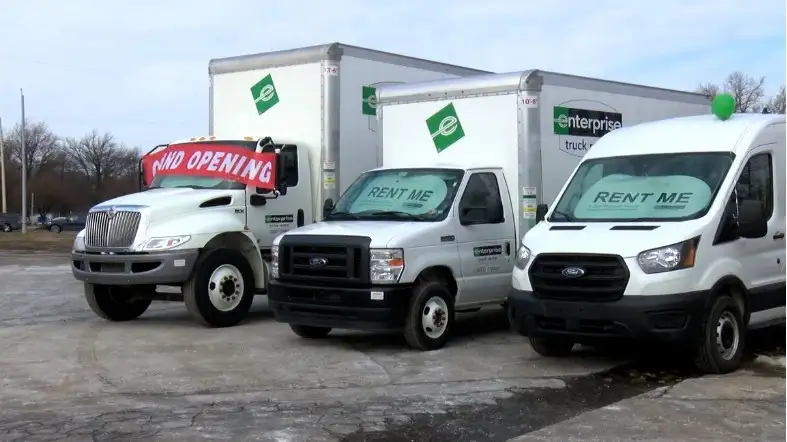
- Enterprise Truck Rental: Enterprise is also a great option, particularly if you're already familiar with their car rental services. They provide reliable service and great customer service.
Strategies for Finding the Cheapest One-Way Truck Rental
Finding a budget-friendly one-way truck rental requires a strategic approach. Here are some proven tips:
- Book in Advance: The earlier you book, the better chance you have of securing a lower rate. Rental companies often offer discounts for early reservations. Aim to book at least a month in advance.
- Compare Quotes: Don't settle for the first quote you receive. Get estimates from multiple companies and compare them carefully. Look beyond the base rate and consider all fees.
- Be Flexible with Dates: If your moving dates are flexible, try moving during the off-season or mid-week. This can significantly reduce your rental costs. Avoid peak moving times.
- Consider Smaller Trucks: Only rent the size of truck you actually need. A smaller truck will be cheaper to rent and will consume less fuel. Accurately assess your belongings.
- Look for Discounts: Many rental companies offer discounts for students, military personnel, and AAA members. Inquire about available discounts when booking.
- Check for Relocation Deals: Some companies offer relocation deals where you drive a truck to a specific location that needs more vehicles. These deals often come with heavily discounted rates.
- Avoid Add-ons: Be mindful of optional add-ons, such as insurance and moving supplies. Decline these if you don't need them. Use your own packing supplies to save money.
- Pick-up and Drop-off Locations: Sometimes picking up or dropping off at a less popular location can save money. Research different location options.
Detailed Breakdown of Cost-Saving Techniques
Let's delve deeper into some of these strategies to maximize your savings.
- Advance Booking: Booking well in advance gives you more options and allows you to take advantage of early bird discounts. Companies also tend to have better availability, so you are more likely to get the exact truck size you need.
- Thorough Quote Comparison: When comparing quotes, pay attention to the fine print. Some companies may advertise a low base rate but then tack on hidden fees. Look for all-inclusive quotes.
- Flexibility is Key: Being flexible with your moving dates can result in substantial savings. Weekday moves are typically cheaper, and moving during the off-season (fall or winter) can save you hundreds of dollars.
- Right-Sized Truck: Overestimating the size of truck you need is a common mistake. Take inventory of your belongings and use online calculators to determine the appropriate truck size.
- Discount Hunting: Don't be shy about asking for discounts. Many companies offer discounts to students, seniors, military personnel, and members of various organizations.
- Relocation Opportunities: Relocation deals can be a goldmine for budget movers. These deals involve driving a truck to a location where the company needs more vehicles. The rates are often deeply discounted, and sometimes fuel costs are covered.
- DIY Packing: Avoid purchasing packing supplies from the rental company. Instead, collect free boxes from local stores, use old newspapers for padding, and borrow moving blankets from friends or family.
- Location Matters: Sometimes, picking up or dropping off the truck at a slightly less convenient location can result in savings. Locations in smaller towns or less busy areas may have lower rates.
Common Mistakes to Avoid When Renting a Truck
- Ignoring the Fine Print: Always read the rental agreement carefully before signing. Pay attention to mileage limits, late fees, and insurance coverage.
- Underestimating Truck Size: Renting a truck that's too small can lead to multiple trips, wasting time and money. Accurately assess your belongings.
- Skipping Insurance: While it's tempting to decline insurance to save money, it's a risky move. If you're involved in an accident, you could be liable for significant damages.
- Failing to Inspect the Truck: Before driving off, thoroughly inspect the truck for any existing damage. Document any scratches, dents, or other issues to avoid being charged for them later.
- Not Understanding Fuel Policies: Be clear about the fuel policy. Some companies require you to return the truck with the same amount of fuel as when you picked it up.
- Forgetting Moving Supplies: Remember to bring essential moving supplies, such as boxes, tape, bubble wrap, and furniture pads.
Pro tips from us: Based on my experience, one of the best ways to save money is to be organized and plan your move meticulously. This includes packing efficiently, labeling boxes clearly, and having a clear plan for loading and unloading the truck.
Insurance Considerations for One-Way Truck Rentals
Insurance is a crucial aspect of renting a truck. Most rental companies offer several insurance options. Understanding these options is essential for making an informed decision.
- Liability Coverage: This covers damages to other vehicles or property if you're at fault in an accident.
- Collision Coverage: This covers damage to the rental truck, regardless of who is at fault.
- Cargo Coverage: This protects your belongings in case of damage or theft during the move.
- Supplemental Liability Insurance (SLI): Provides additional liability coverage beyond the rental company's standard policy.
Before purchasing additional insurance, check your existing auto insurance policy and homeowner's insurance policy. You may already have some coverage for rental trucks and your belongings.
Returning Your One-Way Rental Truck
Returning the truck on time and in good condition is essential to avoid extra charges. Follow these guidelines:
- Return on Time: Late returns can result in hefty fees. Plan your move carefully to ensure you arrive at the drop-off location on time.
- Clean the Truck: Remove all trash and debris from the truck before returning it. Some companies charge a cleaning fee if the truck is returned dirty.
- Refuel: Refill the fuel tank to the required level.
- Inspect with Agent: Walk around the truck with the rental agent to inspect for any new damage.
- Obtain a Receipt: Get a signed receipt confirming the return of the truck. This is your proof that you returned the truck in good condition.
Conclusion: Making Your Budget One-Way Truck Rental a Success
Finding a budget one-way truck rental requires careful planning, research, and a bit of flexibility. By understanding the factors that affect rental costs, comparing quotes from multiple companies, and employing cost-saving strategies, you can significantly reduce your moving expenses. Remember to read the fine print, avoid common mistakes, and prioritize insurance to protect yourself and your belongings.
With a strategic approach, you can navigate the complexities of one-way truck rentals and achieve a successful and affordable move. Now you're armed with the knowledge to make an informed decision and save money on your next one-way truck rental.
Internal Links:
- [Link to another relevant blog post on moving tips]
- [Link to another relevant blog post on packing strategies]
External Link: