The Ultimate Guide to Yards of Dirt in a Dump Truck: Sizes, Weights, and Costs
Introduction
Yards Of Dirt In Dump Truck
Planning a landscaping project or construction job often involves moving large quantities of dirt. Understanding how dirt is measured and transported, especially in dump trucks, is crucial for accurate budgeting and efficient project management. This comprehensive guide will break down everything you need to know about yards of dirt in a dump truck, covering sizes, weights, cost considerations, and practical tips to ensure your project runs smoothly.
Whether you're a homeowner leveling your backyard or a contractor building a new foundation, knowing the ins and outs of dirt hauling will save you time, money, and potential headaches. Let's dig in!
Why Understanding Dirt Volume in Dump Trucks Matters
Accuracy is paramount when it comes to ordering and receiving materials like dirt. Miscalculating the amount of dirt you need can lead to project delays, increased costs, and a lot of unnecessary back and forth.
- Budgeting: Knowing how many yards of dirt a dump truck holds allows you to accurately estimate material costs.
- Logistics: Understanding the volume helps you plan for delivery and storage of the dirt.
- Project Planning: Accurate measurements prevent shortages or surpluses, keeping your project on schedule.
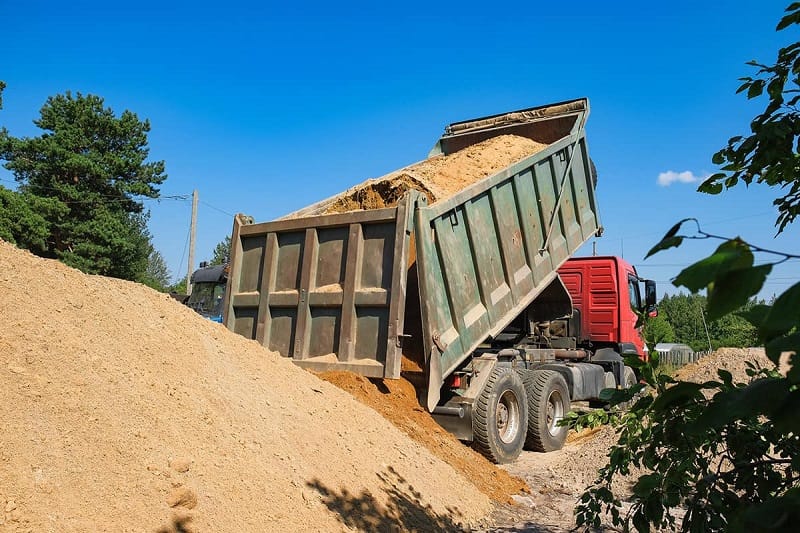
What is a "Yard" of Dirt?
Before we delve into dump trucks, let's define what we mean by a "yard" of dirt. A yard is a unit of volume, specifically a cubic yard.
- Cubic Yard Definition: A cubic yard is a three-dimensional measurement equal to 3 feet long x 3 feet wide x 3 feet high.
- Visualizing a Cubic Yard: Imagine a cube that's one yard (3 feet) on each side. That's a cubic yard!
- Why Cubic Yards Matter: Dirt is sold by volume, not weight. Therefore, understanding cubic yards is crucial.
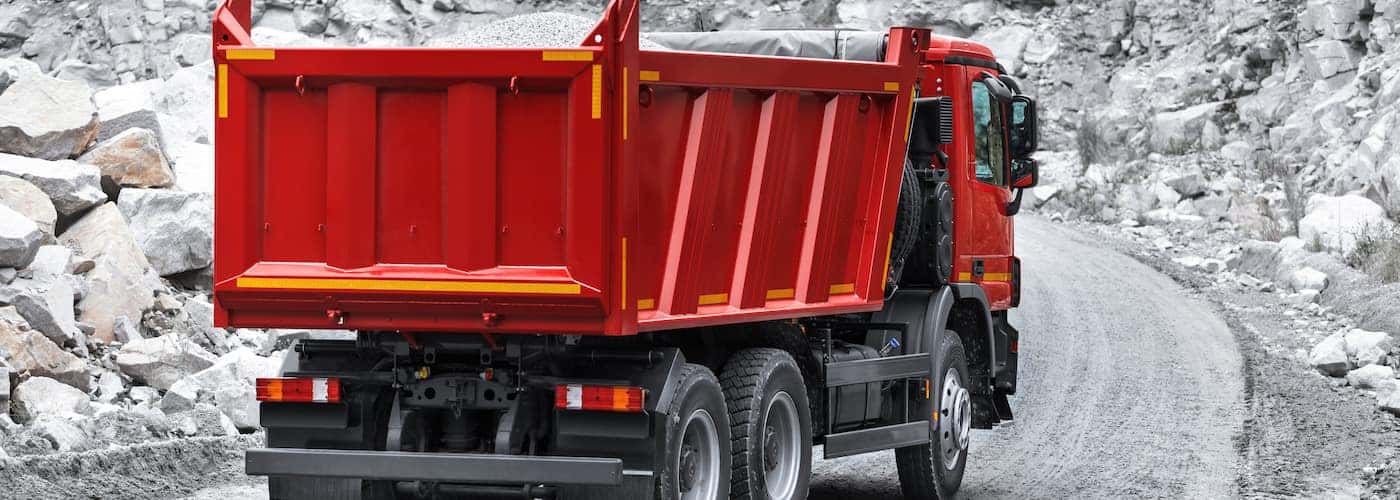
Standard Dump Truck Sizes and Dirt Capacity
Dump trucks come in various sizes, and their capacity is usually measured in cubic yards. Knowing the typical capacities will help you determine how many truckloads of dirt you'll need.

- Pickup Trucks: While not technically "dump trucks," pickup trucks are sometimes used for small loads. A standard pickup bed typically holds between 2-3 cubic yards level. Heaped, you might get slightly more.
- 10-Yard Dump Truck: These are smaller dump trucks, often used for residential projects. They typically hold around 10 cubic yards of dirt when loaded level.
- 14-Yard Dump Truck: A very common size for residential and small commercial work.
- 12-Yard Dump Truck: A very common size for residential and small commercial work.
- 14-Yard Dump Truck: A common size, offering a good balance between capacity and maneuverability. This size is commonly found in single-axle and tandem-axle configurations.
- 16-Yard Dump Truck: A common size, offering a good balance between capacity and maneuverability. This size is commonly found in single-axle and tandem-axle configurations.
- Tandem Axle Dump Trucks (10-16 Cubic Yards): Tandem axle trucks have two rear axles, allowing them to carry heavier loads. Their capacity generally ranges from 10 to 16 cubic yards.
- Tri-Axle Dump Trucks (15-25 Cubic Yards): Tri-axle trucks have three axles, enabling them to haul even larger quantities. Capacities typically range from 15 to 25 cubic yards.
- Semi-Trucks with Dump Trailers (20-40 Cubic Yards): These are the giants of the dirt-hauling world, used for large-scale construction and excavation projects. Capacities can range from 20 to 40 cubic yards or even more.
- Important Note: These are approximate capacities. The actual amount of dirt a dump truck can legally and safely carry depends on local regulations, the type of dirt, and the truck's weight rating.
Factors Affecting Dump Truck Capacity
Several factors influence how much dirt a dump truck can hold. Don't assume that all 10-yard trucks are created equal!
- Truck Size and Design: The physical dimensions of the truck bed directly determine its volume.
- Weight Restrictions: Legal weight limits are a crucial factor. Overloading a truck can result in fines and safety hazards.
- Type of Dirt: Different types of dirt have different densities. Heavy clay soil will weigh more per cubic yard than lighter topsoil.
- Loading Method: How the dirt is loaded (e.g., by a loader or excavator) can affect how tightly it's packed, influencing the total volume.
- Heaping vs. Level Loads: While trucks can be loaded with a "heaped" load above the bed's sides, this can be risky and may violate regulations. It's best to calculate based on level loads.
Estimating the Weight of a Yard of Dirt
While dirt is sold by volume, understanding its weight is important for several reasons, including ensuring you don't exceed the truck's weight capacity and for calculating ground pressure.
- Density Variations: The weight of a cubic yard of dirt varies significantly based on its composition and moisture content.
- Typical Weight Ranges:
- Dry Topsoil: Approximately 2000-2200 pounds per cubic yard.
- Moist Topsoil: Approximately 2200-2500 pounds per cubic yard.
- Clay Soil: Approximately 2500-3000 pounds per cubic yard.
- Gravel: Approximately 2700-3000 pounds per cubic yard.
- Wet Clay: Approximately 3000-3300 pounds per cubic yard.
- Importance of Knowing the Dirt Type: When ordering dirt, ask your supplier about its approximate weight per cubic yard.
Calculating How Many Dump Truck Loads You Need
Here's a step-by-step guide to calculating how many dump truck loads you'll require for your project:
- Determine the Total Volume of Dirt Needed (in Cubic Yards): Measure the length, width, and desired depth (in feet) of the area you need to fill. Multiply these three dimensions to get the volume in cubic feet. Then, divide by 27 (since there are 27 cubic feet in a cubic yard) to convert to cubic yards.
- Formula: (Length (ft) x Width (ft) x Depth (ft)) / 27 = Cubic Yards
- Determine the Capacity of the Dump Truck You'll Be Using (in Cubic Yards): Confirm this with your supplier.
- Divide the Total Volume Needed by the Truck's Capacity: This will give you the number of truckloads required.
- Formula: Total Cubic Yards Needed / Truck Capacity (Cubic Yards) = Number of Truckloads
- Round Up to the Nearest Whole Number: You can't order a fraction of a truckload, so always round up.
Example Calculation:
Let's say you need to fill an area that is 20 feet long, 15 feet wide, and 1 foot deep with topsoil, and you're using a 10-yard dump truck.
- Total Volume Needed: (20 ft x 15 ft x 1 ft) / 27 = 11.11 cubic yards
- Truck Capacity: 10 cubic yards
- Number of Truckloads: 11.11 cubic yards / 10 cubic yards/truck = 1.11 truckloads
- Round Up: You'll need to order 2 truckloads.
Cost Considerations for Dirt Delivery
The cost of dirt delivery varies based on several factors. Here's a breakdown of what to consider:
- Dirt Type: Different types of dirt have different prices. Topsoil is generally more expensive than fill dirt.
- Quantity: The more dirt you order, the lower the price per cubic yard may be.
- Delivery Distance: Longer distances mean higher fuel costs and increased delivery charges.
- Truck Size: Larger trucks may have higher delivery fees, but they can also reduce the number of trips required.
- Location: Prices vary depending on your geographic location and local market conditions.
- Supplier: Get quotes from multiple suppliers to compare prices.
- Additional Fees: Be aware of potential extra charges, such as fuel surcharges, environmental fees, or after-hours delivery fees.
Pro tips from us: Always get a detailed quote from your supplier that includes all costs, so there are no surprises.
Finding Reputable Dirt Suppliers
Choosing the right supplier is crucial for ensuring you get quality dirt at a fair price.
- Ask for Recommendations: Get referrals from friends, neighbors, or contractors.
- Check Online Reviews: See what other customers have to say about their experiences with different suppliers.
- Verify Credentials: Make sure the supplier is licensed and insured.
- Visit the Supplier's Yard (if possible): Inspect the quality of the dirt firsthand.
- Get Multiple Quotes: Compare prices and services from several suppliers before making a decision.
Common Mistakes to Avoid
- Underestimating the Amount of Dirt Needed: It's always better to have a little extra than to run short.
- Failing to Consider Weight Restrictions: Overloading a truck can be dangerous and illegal.
- Not Asking About Delivery Fees: Get a clear understanding of all costs upfront.
- Choosing the Cheapest Supplier Without Checking Quality: Low price doesn't always equal good value.
- Assuming All Dirt is the Same: Different types of dirt have different properties and uses.
Safety Considerations When Handling Dirt
Handling dirt can present certain safety risks. Here are some precautions to take:
- Wear Protective Gear: Gloves, eye protection, and a dust mask are recommended.
- Be Aware of Heavy Equipment: Stay clear of loaders, excavators, and dump trucks when they are in operation.
- Avoid Overexertion: Lifting heavy loads of dirt can cause injuries. Use proper lifting techniques and take breaks as needed.
- Wash Your Hands: Wash your hands thoroughly after handling dirt to prevent the spread of germs.
- Secure the Load: If you are hauling dirt in a pickup truck, make sure the load is properly secured to prevent spills.
Conclusion
Understanding yards of dirt in a dump truck is essential for anyone involved in landscaping, construction, or any project that requires moving large quantities of soil. By considering factors like truck size, weight restrictions, dirt type, and delivery costs, you can accurately estimate your needs, budget effectively, and ensure a smooth project execution. Remember to choose a reputable supplier, prioritize safety, and avoid common mistakes. With the knowledge in this guide, you'll be well-equipped to tackle your next dirt-moving project with confidence.
Internal Link: Consider linking to another relevant article on your blog, such as "Best Soil Types for Vegetable Gardens" or "How to Level Your Yard for a DIY Patio."
External Link: EPA's guide on sustainable management of construction and demolition debris: https://www.epa.gov/smm/sustainable-management-construction-and-demolition-materials
I have tried to make this as comprehensive and useful as possible. Let me know if you'd like me to expand on any particular section or make any adjustments.