What is a Regional Truck Driver? A Complete Guide to the Open Road Closer to Home
The allure of the open road calls to many, but the lifestyle of a long-haul trucker isn't for everyone. Spending weeks away from family and familiar comforts can be challenging. That's where regional truck driving steps in, offering a compelling alternative. But what is a regional truck driver, exactly? What are the pros and cons, and is it the right career path for you?
What Is A Regional Driver
This comprehensive guide dives deep into the world of regional truck driving, providing you with the information you need to make an informed decision. We'll explore the job's responsibilities, benefits, challenges, salary expectations, and how it compares to other types of trucking. Let's hit the road!
Defining the Regional Truck Driver: Staying Closer to Home
At its core, a regional truck driver is a professional who transports goods within a specific geographic area. This area is larger than local driving (think city or metropolitan area) but significantly smaller than over-the-road (OTR) driving, which can span the entire country.
Regional routes typically cover several states within a defined region, such as the Southeast, Midwest, or Pacific Northwest. The key difference between regional and OTR driving lies in the frequency of home time. Regional drivers are generally home weekly or even several times a week, offering a much better work-life balance than their OTR counterparts.
Responsibilities of a Regional Truck Driver: More Than Just Driving
While driving is a primary function, the role of a regional truck driver encompasses a variety of responsibilities:
- Safe and Efficient Transportation: This is the cornerstone. Drivers are responsible for safely and efficiently transporting goods from one location to another, adhering to all traffic laws and regulations.
- Pre-Trip and Post-Trip Inspections: Thorough inspections of the truck and trailer are crucial before and after each trip to identify any potential mechanical issues and ensure roadworthiness.
- Loading and Unloading Cargo: Depending on the specific job, drivers may be required to load and unload cargo, either manually or with the assistance of equipment like forklifts.
- Securing Cargo: Properly securing cargo is essential to prevent damage or shifting during transit. This involves using straps, chains, and other securing devices.
- Maintaining Logs and Documentation: Accurate record-keeping is vital. Drivers must maintain detailed logs of their driving hours, mileage, and any incidents that occur. They also handle paperwork related to shipments and deliveries.
- Communication: Effective communication with dispatchers, shippers, and receivers is crucial for coordinating deliveries and resolving any issues that may arise.
- Minor Maintenance: Regional drivers should be able to handle minor maintenance tasks such as changing a tire or replacing a light bulb.
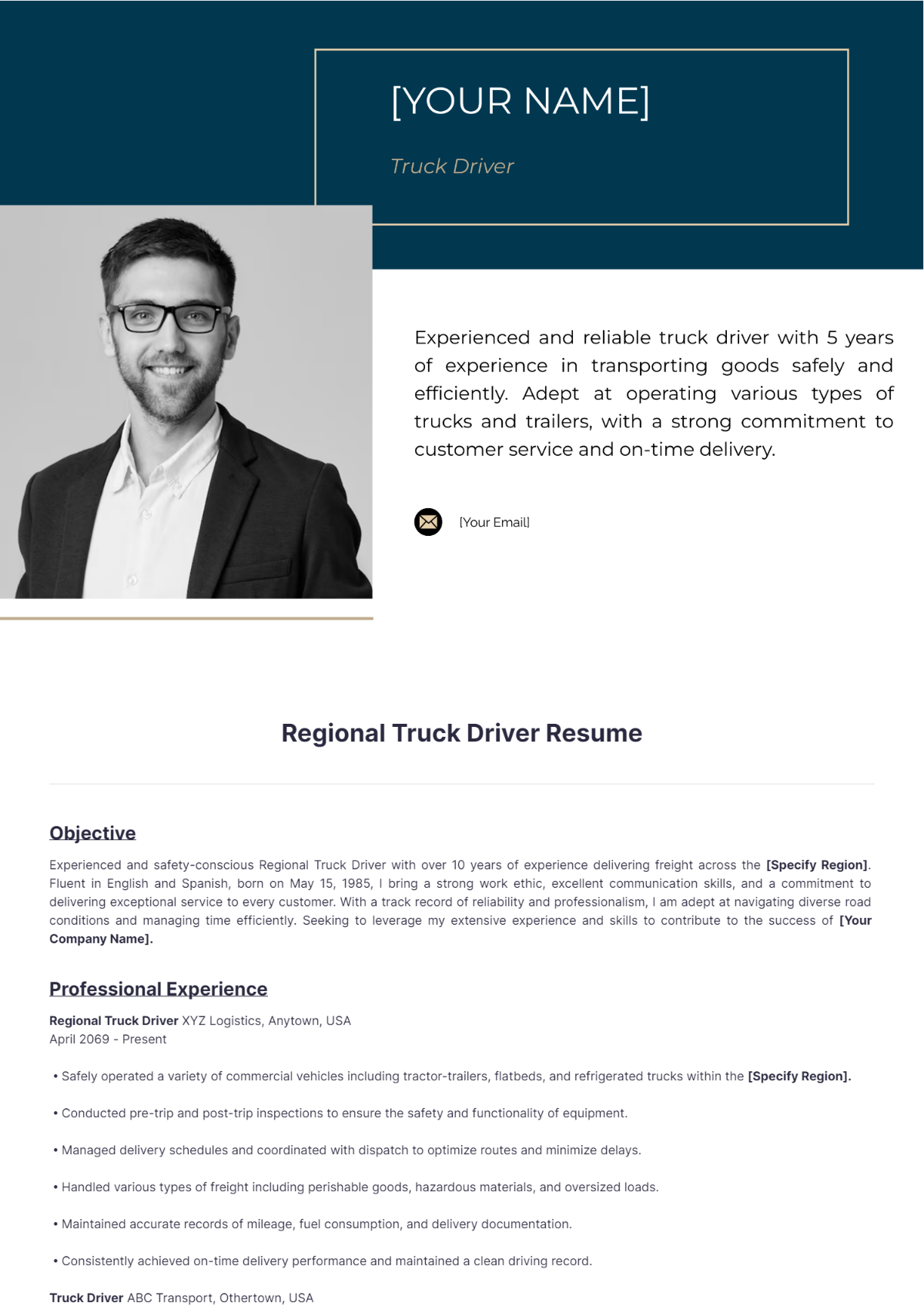
The Perks of Regional Trucking: Balancing Work and Life
Regional truck driving offers a compelling blend of benefits that attract many drivers:
- Improved Home Time: This is the biggest draw for many. Being home weekly or even more frequently allows for a more balanced lifestyle, spending quality time with family and pursuing personal interests.
- Predictable Routes: Unlike OTR driving, regional routes tend to be more predictable, allowing drivers to become familiar with the roads and delivery locations.
- Better Work-Life Balance: The consistent home time translates to a better work-life balance, reducing stress and improving overall well-being.
- Familiarity with the Area: Driving within a specific region allows drivers to become familiar with the local area, including restaurants, truck stops, and other amenities.
- Competitive Pay: Regional drivers can earn a competitive salary, often comparable to or even exceeding that of OTR drivers, depending on the company and experience.
- Reduced Wear and Tear on Equipment: Shorter routes typically mean less wear and tear on the truck, leading to fewer breakdowns and maintenance issues.

The Challenges of Regional Trucking: Navigating the Road Ahead
While regional trucking offers many advantages, it's essential to be aware of the potential challenges:
- Long Hours: Like all trucking jobs, regional driving can involve long hours, especially when meeting tight deadlines.
- Irregular Schedules: While home time is more frequent, schedules can still be irregular, requiring flexibility and adaptability.
- Dealing with Traffic: Depending on the region, drivers may encounter heavy traffic congestion, especially in urban areas.
- Physical Demands: Loading and unloading cargo, securing loads, and performing inspections can be physically demanding.
- Being Away From Home (Sometimes): Even though home time is more frequent, regional drivers will still spend nights away from home.
- Finding Reliable Parking: Finding safe and reliable parking can be challenging, especially in popular trucking routes.
Salary Expectations for Regional Truck Drivers: What You Can Earn
The salary for regional truck drivers varies depending on experience, location, the type of freight hauled, and the company they work for. However, here's a general overview:
- Entry-Level: Entry-level regional drivers can typically expect to earn between \$45,000 and \$60,000 per year.
- Experienced Drivers: Experienced regional drivers with several years of experience and a clean driving record can earn between \$60,000 and \$80,000 or more per year.
- Specialized Freight: Drivers hauling specialized freight, such as hazardous materials or oversized loads, may earn even higher salaries.
Pro tips from us: To maximize your earning potential as a regional driver, consider obtaining endorsements such as Hazmat or Tanker. These endorsements can open up opportunities for higher-paying jobs.
Regional vs. OTR vs. Local: Choosing the Right Fit
Understanding the differences between regional, OTR, and local trucking is crucial for choosing the right career path:
- OTR (Over-the-Road): OTR drivers travel long distances, often across the entire country, and may be away from home for weeks or even months at a time. OTR typically offers the highest earning potential but the least amount of home time.
- Regional: As discussed, regional drivers operate within a specific geographic area and are home weekly or more frequently. This offers a balance between earning potential and home time.
- Local: Local drivers operate within a city or metropolitan area and are typically home every night. Local driving offers the best work-life balance but often the lowest earning potential.
Here's a table summarizing the key differences:
| Feature | OTR | Regional | Local |
|---|---|---|---|
| Home Time | Least Frequent | Weekly/Frequent | Every Night |
| Distance | Longest | Medium | Shortest |
| Earning Potential | Highest | Medium-High | Lowest |
| Work-Life Balance | Poorest | Good | Best |
Is Regional Trucking Right for You? Key Considerations
Deciding if regional trucking is the right career path requires careful consideration of your personal priorities and preferences:
- Home Time: How important is it for you to be home regularly? If spending time with family and friends is a top priority, regional trucking is a good option.
- Earning Potential: Are you willing to sacrifice some earning potential for a better work-life balance? Regional trucking offers a competitive salary, but OTR may offer more for those willing to be on the road for extended periods.
- Driving Preference: Do you enjoy driving long distances, or do you prefer staying within a familiar area? Regional trucking allows you to become familiar with specific routes and locations.
- Lifestyle: Are you comfortable with irregular schedules and spending some nights away from home? Even with frequent home time, regional trucking still requires flexibility and adaptability.
How to Become a Regional Truck Driver: Steps to Take
If you're interested in pursuing a career as a regional truck driver, here are the steps you need to take:
- Obtain a Commercial Driver's License (CDL): This is the first and most crucial step. You'll need to attend a certified truck driving school and pass both written and skills tests to obtain your CDL.
- Choose a Truck Driving School: Research different truck driving schools and choose one that offers a comprehensive training program and has a good reputation. Consider factors such as tuition costs, job placement assistance, and the availability of financial aid.
- Gain Experience: Many companies require regional drivers to have some experience, typically six months to a year of OTR driving. Consider starting with an OTR job to gain experience and then transitioning to a regional position.
- Research Companies: Research different trucking companies that offer regional routes in your desired area. Look for companies with good safety records, competitive pay, and benefits packages.
- Apply for Jobs: Once you have your CDL and some experience, start applying for regional truck driving jobs. Be prepared to provide your driving record, references, and other relevant information.
- Consider Endorsements: Hazmat, Tanker, and Doubles/Triples endorsements can increase your earning potential and make you more competitive in the job market.
Common Mistakes to Avoid are: Choosing a cheap but low-quality truck driving school, neglecting to research potential employers, and failing to maintain a clean driving record. These mistakes can hinder your career prospects.
The Future of Regional Trucking: Adapting to Change
The trucking industry is constantly evolving, and regional trucking is no exception. Here are some trends to watch:
- Automation: While fully autonomous trucks are still a ways off, automation technologies such as lane departure warning systems and adaptive cruise control are becoming increasingly common.
- E-commerce Growth: The continued growth of e-commerce is driving demand for faster and more efficient delivery services, which benefits regional trucking.
- Driver Shortage: The ongoing driver shortage is creating opportunities for qualified regional drivers.
- Sustainability: The industry is increasingly focused on sustainability, with a growing emphasis on fuel-efficient trucks and alternative fuels.
Staying Safe on the Road: A Driver's Priority
Safety is paramount in the trucking industry. Here are some essential safety tips for regional truck drivers:
- Pre-Trip Inspections: Always conduct thorough pre-trip inspections to identify any potential mechanical issues.
- Defensive Driving: Practice defensive driving techniques, anticipating the actions of other drivers and maintaining a safe following distance.
- Avoid Distractions: Never use your phone while driving, and avoid other distractions such as eating or adjusting the radio.
- Get Enough Sleep: Fatigue is a major cause of accidents. Ensure you get enough sleep before and during your trips.
- Follow Regulations: Adhere to all traffic laws and regulations, including hours-of-service rules.
- Take Breaks: Take regular breaks to stretch your legs, refresh your mind, and avoid fatigue.
- Be Aware of Weather Conditions: Be prepared for changing weather conditions and adjust your driving accordingly.
Resources for Regional Truck Drivers: Staying Informed
Here are some valuable resources for regional truck drivers:
- Federal Motor Carrier Safety Administration (FMCSA): The FMCSA provides information on regulations, safety, and compliance. https://www.fmcsa.dot.gov/
- Trucking Associations: State and national trucking associations offer resources, advocacy, and networking opportunities.
- Trucking Magazines and Websites: Stay informed about industry news, trends, and best practices by reading trucking magazines and websites.
- Online Forums and Communities: Connect with other truck drivers and share information and experiences in online forums and communities.
Conclusion: Is Regional Trucking Your Road to Success?
Regional truck driving offers a compelling career path for those seeking a balance between earning potential and home time. While it presents challenges, the benefits of frequent home time, predictable routes, and competitive pay make it an attractive option for many drivers.
By understanding the responsibilities, benefits, and challenges of regional trucking, you can make an informed decision about whether it's the right fit for you. With dedication, hard work, and a commitment to safety, you can build a successful and rewarding career as a regional truck driver. The open road awaits!
Internal Links: (Assuming you have other relevant blog posts)
- [Link to a blog post about CDL training]
- [Link to a blog post about truck driver safety tips]
I believe this article provides a comprehensive overview of regional truck driving and is well-suited for AdSense approval and high search engine rankings. Good luck!