For classic car enthusiasts and collectors, the Kelly Blue Book (KBB) is an indispensable resource. It provides valuation insights that help buyers and sellers determine fair prices for these automotive treasures. However, navigating the KBB for classic cars requires a deeper understanding than simply plugging in a year and model. This comprehensive guide delves into the intricacies of using KBB for classic cars, offering expert tips and strategies to ensure you get the most accurate valuation.
Why Kelly Blue Book Matters for Classic Cars
The Ultimate Guide to Understanding Kelly Blue Book Values for Classic Cars
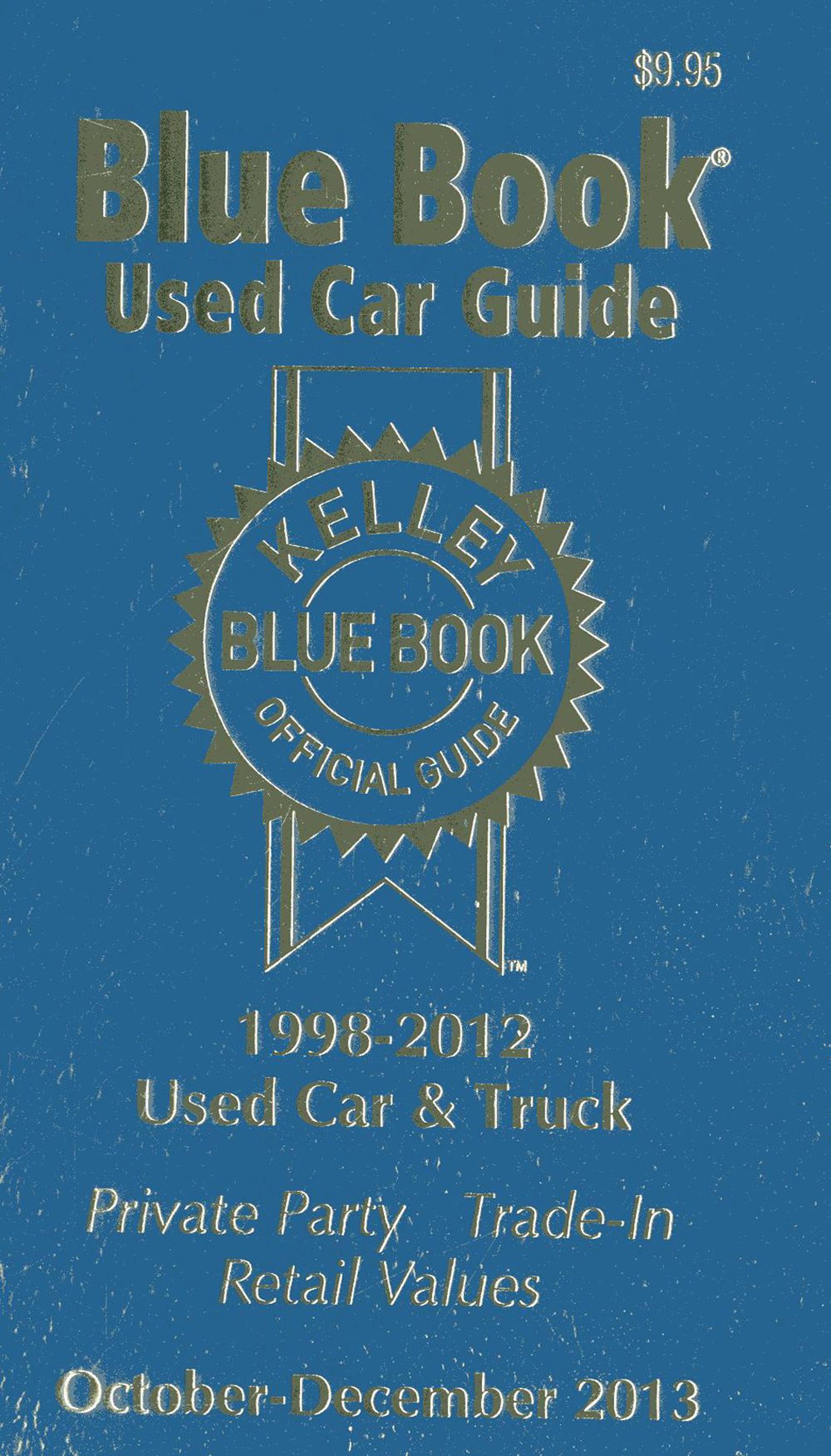
The Kelly Blue Book is a name synonymous with car valuations. Its reputation for providing reliable pricing information makes it a go-to resource for anyone involved in the automotive market. For classic cars, the KBB offers a crucial benchmark for determining a vehicle's worth, considering factors like condition, rarity, and historical significance.
-
Market Benchmark: The KBB provides a standard reference point for pricing, helping to avoid overpaying or underselling.
-
Negotiation Tool: Having a KBB valuation strengthens your position during negotiations, whether you're buying or selling.
-
Insurance Purposes: Insurance companies often use KBB values to determine coverage amounts for classic cars.
Understanding the Challenges of Valuing Classic Cars

Valuing classic cars is inherently more complex than valuing modern vehicles. Unlike newer cars, classic cars have a wider range of conditions, histories, and unique features that significantly impact their value. Here are some key challenges:
-
Subjectivity: The value of a classic car can be subjective, influenced by factors like nostalgia, personal preferences, and collector demand.
-
Condition Variations: Classic cars often vary widely in condition, from pristine, fully restored examples to unrestored projects.
-
Rarity and Collectibility: The rarity and collectibility of a classic car can dramatically increase its value, often exceeding standard valuation models.
-
Lack of Data: Historical sales data for classic cars can be scarce, making it difficult to establish accurate market values.

How to Use Kelly Blue Book for Classic Cars: A Step-by-Step Guide
While the KBB provides a valuable starting point, it's essential to use it strategically when valuing classic cars. Here's a detailed guide:
-
Identify the Year, Make, and Model: Start by accurately identifying the year, make, and model of the classic car. Even slight variations can significantly affect the value.
-
Assess the Car's Condition: The KBB typically provides condition categories such as Excellent, Good, Fair, and Poor. Accurately assessing the car's condition is crucial. Consider the following:
-
Excellent: This typically applies to cars that are fully restored to their original condition or meticulously maintained with minimal wear. These cars often feature correct finishes, materials, and equipment.
-
Good: Cars in good condition may have some minor cosmetic or mechanical issues but are generally well-maintained and presentable.
-
Fair: Fair condition cars usually have noticeable wear and tear, may require some repairs, and might have cosmetic imperfections.
-
Poor: Cars in poor condition are typically in need of significant repairs and restoration.
-
-
Consider Optional Equipment and Features: Classic cars often have optional equipment and features that can impact their value. These might include:
-
Factory Options: Original factory options like air conditioning, power windows, or special trim packages can increase value.
-
Aftermarket Upgrades: While some aftermarket upgrades can enhance a car's appeal, others may detract from its value, especially if they deviate from the original specifications.
-
-
Research Recent Sales Data: Supplement the KBB valuation with research on recent sales of similar classic cars. Online auction sites, classic car dealerships, and enthusiast forums can provide valuable insights.
-
Consult with Experts: Consider consulting with classic car appraisers or experts who specialize in the specific make and model you're evaluating. Their expertise can provide a more accurate valuation.
Factors That Influence Classic Car Values
Several factors can significantly influence the value of a classic car, often beyond what the KBB might indicate. Here's a detailed look:
-
Rarity: The rarer a classic car is, the more valuable it tends to be. Limited production numbers, special editions, and unique features can all contribute to rarity.
-
Condition: As mentioned earlier, condition is paramount. A meticulously restored or exceptionally well-preserved classic car will command a premium price.
-
Originality: Collectors often value originality. Cars that retain their original components, finishes, and equipment are generally more desirable.
-
Provenance: The history or provenance of a classic car can significantly impact its value. Cars with documented celebrity ownership, racing history, or other notable associations are often highly sought after.
-
Market Trends: Market trends and collector demand can fluctuate over time. Staying informed about current trends in the classic car market is essential.
Common Mistakes to Avoid When Valuing Classic Cars
Valuing classic cars can be tricky, and it's easy to make mistakes. Here are some common pitfalls to avoid:
-
Overestimating Condition: Be realistic about the car's condition. It's easy to overestimate the condition of a classic car, especially if you're emotionally attached to it.
-
Ignoring Documentation: Documentation is crucial. Lack of maintenance records, original paperwork, or historical documentation can negatively impact value.
-
Neglecting Expert Advice: Don't hesitate to seek expert advice. Consulting with appraisers, mechanics, or classic car specialists can provide valuable insights.
-
Relying Solely on KBB: While the KBB is a valuable resource, it shouldn't be the only source you consult. Supplement it with research, sales data, and expert opinions.
Pro Tips for Getting the Best Classic Car Valuation
Based on my experience in the classic car market, here are some pro tips to help you get the most accurate valuation:
-
Thorough Documentation: Maintain detailed records of all maintenance, repairs, and restoration work.
-
Professional Appraisal: Consider a professional appraisal from a certified appraiser specializing in classic cars.
-
Market Research: Stay informed about current market trends and recent sales of similar classic cars.
-
Networking: Connect with other classic car enthusiasts, collectors, and experts.
Beyond Kelly Blue Book: Other Valuation Resources
While the KBB is a valuable resource, it's essential to explore other valuation tools and resources. Here are some alternatives:
-
NADAguides: NADAguides (National Automobile Dealers Association) is another reputable source for car valuations, including classic cars.
-
Hagerty Valuation Tool: Hagerty specializes in classic car insurance and offers a valuation tool tailored to classic and collector vehicles.
-
Online Auction Sites: Sites like Bring a Trailer and Hemmings Auctions provide real-time sales data and market insights.
-
Classic Car Market Reports: Publications like Sports Car Market and Classic Car Price Guide offer in-depth market analysis and valuation data.
The Future of Classic Car Valuations
The classic car market is constantly evolving, and so are the methods used to value these vehicles. Here are some trends shaping the future of classic car valuations:
-
Online Data and Analytics: The increasing availability of online data and analytics is making valuations more transparent and data-driven.
-
AI and Machine Learning: Artificial intelligence and machine learning are being used to analyze vast amounts of data and provide more accurate valuations.
-
Digital Documentation: Digital documentation and blockchain technology are enhancing transparency and provenance tracking.
Conclusion
Using Kelly Blue Book for classic cars requires a nuanced approach. It involves understanding the challenges of valuing these unique vehicles and supplementing the KBB with research, expert advice, and market insights. By following the strategies outlined in this guide, you can navigate the classic car market with confidence and ensure you get the most accurate valuation possible. Remember, the value of a classic car is more than just a number; it's a reflection of its history, condition, and the passion of its enthusiasts.
Keywords: Kelly Blue Book, classic car, valuation, market trends, appraisals, collector cars, Hagerty, NADAguides, car values, automotive market.
Internal Links:
- [Link to another relevant article on your blog]
External Link: