The 2002 Jeep Grand Cherokee, a member of the WJ generation, is a legendary SUV known for its blend of on-road comfort and off-road capability. But what if you want to enhance its ruggedness and tackle even tougher trails? That's where a lift kit comes in. This comprehensive guide will walk you through everything you need to know about selecting the perfect lift kit for your 2002 Jeep Grand Cherokee.
We'll cover the different types of lift kits, the benefits they offer, installation considerations, and much more. Whether you're a seasoned off-roader or just starting your Jeep customization journey, this article will equip you with the knowledge to make an informed decision.
The Ultimate Guide to Choosing the Perfect 2002 Jeep Grand Cherokee Lift Kit
Why Lift Your 2002 Jeep Grand Cherokee?
Lifting your 2002 Grand Cherokee offers a multitude of benefits, both functional and aesthetic. Let's delve into some of the key advantages:
-
Increased Ground Clearance: This is perhaps the most obvious benefit. A lift kit raises the body and chassis of your Jeep, allowing it to clear larger obstacles on the trail. Rocks, logs, and deep ruts become less of a concern.
-
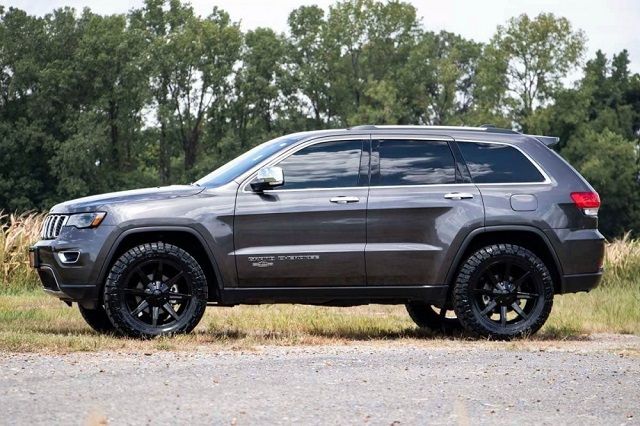
Larger Tire Fitment: Lifting your Jeep creates more space in the wheel wells, enabling you to install larger, more aggressive tires. Bigger tires not only look great but also provide better traction and floatation in off-road conditions like mud and sand.
-
Improved Off-Road Performance: The combination of increased ground clearance and larger tires translates to significantly improved off-road performance. Your Jeep will be able to conquer more challenging terrain with greater ease.

Enhanced Aesthetics: Let's face it, a lifted Jeep looks awesome! A lift kit gives your Grand Cherokee a more commanding presence and a rugged, adventurous appearance. It's a great way to personalize your vehicle and make it stand out from the crowd.
-
Better Approach and Departure Angles: Lifting your Jeep increases the approach and departure angles. These angles determine how steep of an obstacle your Jeep can approach or depart without scraping the front or rear bumpers.

Understanding Different Types of Lift Kits for Your WJ
The market offers a variety of lift kits for the 2002 Jeep Grand Cherokee, each with its own characteristics and suitability for different needs. Here's a breakdown of the most common types:
-
Budget Boost/Spacer Lift: This is the most economical option, utilizing polyurethane or aluminum spacers that are installed on top of the existing coil springs.
- Pros: Affordable, easy to install, retains factory ride quality.
- Cons: Doesn't improve suspension performance, limited lift height (typically 2 inches or less), can cause coil spring bowing at higher lift amounts.
- Best For: Primarily street-driven Jeeps, those seeking a mild lift for aesthetic purposes, and those on a tight budget.
-
Coil Spring Lift: This type replaces the factory coil springs with taller, heavier-duty springs. It provides a more significant lift than a budget boost and improves suspension performance.
- Pros: Improved ride quality compared to stock, increased load capacity, better off-road performance.
- Cons: More expensive than a budget boost, requires more involved installation.
- Best For: Those who want a noticeable lift and improved off-road capability without breaking the bank.
-
Long Arm Lift Kit: This is the most comprehensive and capable type of lift kit. It replaces the factory control arms with longer arms, which improve suspension articulation and ride quality.
- Pros: Superior off-road performance, excellent ride quality both on and off-road, maximum articulation and flex.
- Cons: Most expensive option, requires welding and fabrication skills for installation, can significantly alter vehicle geometry.
- Best For: Serious off-road enthusiasts who demand the best possible performance and are willing to invest the time and money required.
-
Add-a-Leaf Lift: Add-a-leaf kits work by adding an extra leaf spring to your existing leaf pack. This is more common on vehicles with leaf spring suspensions but can sometimes be adapted for coil spring setups in conjunction with other components.
- Pros: Relatively inexpensive, increases load capacity.
- Cons: Can result in a stiff ride, doesn't significantly improve articulation.
- Best For: Those who frequently carry heavy loads and need to increase the rear spring rate.
Key Considerations When Choosing a Lift Kit
Selecting the right lift kit for your 2002 Grand Cherokee requires careful consideration of several factors. Ignoring these aspects can lead to poor performance, ride quality issues, and even safety concerns.
-
Intended Use: How do you primarily use your Jeep? Is it a daily driver that occasionally sees off-road use, or is it a dedicated trail rig? Your intended use will dictate the type and size of lift kit that's most appropriate.
-
Lift Height: How much lift do you need? Consider the size of tires you want to run and the type of terrain you'll be tackling. A 2-inch lift might be sufficient for mild trails, while a 4-inch lift or more might be necessary for more challenging obstacles.
-
Budget: Lift kits range in price from a few hundred dollars to several thousand. Determine your budget beforehand and stick to it. Remember to factor in the cost of installation, if you're not doing it yourself.
-
Installation Complexity: Some lift kits are relatively easy to install, while others require specialized tools and skills. Assess your mechanical abilities and choose a kit that you're comfortable installing. If you're not confident, it's best to have a professional install the kit.
-
Ride Quality: Lifting your Jeep can affect ride quality. Some kits can make the ride stiffer or harsher, while others can actually improve it. Read reviews and talk to other Jeep owners to get a sense of how a particular kit will affect the ride.
-
Component Quality: Choose a lift kit from a reputable manufacturer that uses high-quality components. This will ensure that the kit lasts and performs well over the long term.
-
Drivetrain Considerations: Lifting your Jeep can put additional stress on drivetrain components, such as the axles and driveshafts. Consider upgrading these components if you're planning on running larger tires or tackling challenging terrain.
Installation Tips and Common Mistakes to Avoid
Installing a lift kit can be a rewarding experience, but it's important to approach the task with caution and attention to detail. Here are some pro tips and common mistakes to avoid:
-
Read the Instructions Carefully: This may seem obvious, but it's crucial to read the instructions thoroughly before you start. Understand each step and make sure you have all the necessary tools and components.
-
Use the Right Tools: Using the wrong tools can damage your Jeep and make the installation more difficult. Invest in a good set of wrenches, sockets, and a torque wrench.
-
Support the Vehicle Properly: Never work under a vehicle that is only supported by a jack. Use jack stands to securely support the vehicle before you begin any work.
-
Disconnect the Battery: Disconnect the negative battery terminal before working on any electrical components.
-
Loosen Fasteners Before Lifting: Loosen the lug nuts on the wheels and any suspension fasteners before lifting the vehicle. This will make it easier to remove the components once the vehicle is in the air.
-
Inspect All Components: Before installing any new components, inspect them for damage or defects.
-
Use Anti-Seize Lubricant: Apply anti-seize lubricant to all bolts and fasteners to prevent them from seizing up in the future.
-
Torque Fasteners to Specification: Use a torque wrench to tighten all fasteners to the manufacturer's specifications. Overtightening or undertightening can damage the components.
-
Get an Alignment: After installing a lift kit, it's essential to get a professional alignment. This will ensure that your tires wear evenly and that your Jeep handles properly.
-
Check and Re-Torque: After driving a few miles, check all the fasteners and re-torque them to specification.
Common Mistakes to Avoid:
- Not Reading Instructions: As mentioned earlier, not reading the instructions is a common mistake that can lead to serious problems.
- Using the Wrong Tools: Using the wrong tools can damage your Jeep and make the installation more difficult.
- Overtightening Fasteners: Overtightening fasteners can strip threads and damage components.
- Forgetting to Disconnect the Battery: Forgetting to disconnect the battery can result in electrical shorts and damage to your Jeep's electrical system.
- Not Getting an Alignment: Not getting an alignment after installing a lift kit can cause premature tire wear and handling problems.
Recommended Lift Kit Brands for the 2002 Jeep Grand Cherokee
Several reputable brands offer high-quality lift kits for the 2002 Jeep Grand Cherokee. Here are a few of the most popular and well-regarded options:
-
Rough Country: Known for their affordable and durable lift kits, Rough Country offers a variety of options for the WJ Grand Cherokee, from budget boosts to complete coil spring lift kits.
-
Iron Rock Off Road (IRO): IRO specializes in Jeep suspension systems and offers a range of lift kits for the WJ, including long arm kits for serious off-road enthusiasts.
-
Old Man Emu (OME): OME is known for its high-quality suspension components and offers a complete suspension system for the WJ that improves both on-road and off-road performance.
-
TeraFlex: TeraFlex is a well-respected brand in the Jeep aftermarket and offers a variety of lift kits and suspension components for the WJ, including long arm upgrades.
-
Zone Offroad: Zone Offroad provides budget-friendly lift kits without compromising on quality. They offer spacer kits and full suspension systems suitable for various needs.
Post-Lift Considerations: What to Expect After Installation
After installing your lift kit, there are a few things you should be aware of:
-
Handling Changes: Lifting your Jeep can affect its handling characteristics. It may feel more top-heavy and less stable in corners. Drive cautiously and adjust your driving style accordingly.
-
Fuel Economy: Larger tires and increased ride height can negatively impact fuel economy. Expect to see a slight decrease in MPG.
-
Headlight Adjustment: You may need to adjust your headlights after lifting your Jeep to ensure they are properly aimed.
-
Tire Wear: It's crucial to maintain proper tire pressure and get regular alignments to prevent uneven tire wear.
-
Drivetrain Vibration: In some cases, lifting your Jeep can cause drivetrain vibration. This can be addressed by installing a transfer case drop kit or adjustable control arms.
Conclusion: Elevate Your WJ Experience
Lifting your 2002 Jeep Grand Cherokee is a fantastic way to enhance its off-road capabilities, improve its aesthetics, and personalize your vehicle. By carefully considering your needs, budget, and installation skills, you can choose the perfect lift kit for your WJ and enjoy years of adventure. Remember to prioritize safety, follow the instructions carefully, and seek professional help when needed.
With the right lift kit and a little bit of elbow grease, you can transform your 2002 Jeep Grand Cherokee into a trail-conquering machine. So, get out there and explore!
External Link to a trusted source on Jeep Grand Cherokee Lift Kits