Pickup trucks are the workhorses of the automotive world, known for their versatility, durability, and towing capacity. Whether you need a truck for hauling equipment, tackling off-road adventures, or simply want the commanding presence of a full-size vehicle, a pickup truck can be an excellent choice. However, buying a new truck can be a significant investment. That's where the used market comes in, offering a more budget-friendly way to get behind the wheel of a reliable pickup.
This comprehensive guide will walk you through everything you need to know about buying used pickup trucks, from understanding your needs and setting a budget to inspecting the vehicle and negotiating the price. We'll cover the different types of trucks available, common problems to look out for, and tips for finding the best deals. By the end of this article, you'll be equipped with the knowledge and confidence to make a smart and informed purchase.
The Ultimate Guide to Buying Used Pickup Trucks: Finding the Perfect Workhorse for Your Needs
1. Defining Your Needs: What Do You Need a Truck For?
Before you even start browsing listings, take some time to seriously consider what you'll be using the truck for. This is the most crucial step, as it will help you narrow down your options and avoid buying a truck that doesn't meet your requirements.
-
Work: If you need a truck for work, consider the types of loads you'll be carrying, the distances you'll be driving, and the terrain you'll be encountering. Will you be hauling heavy equipment, towing trailers, or navigating rough job sites? This will dictate the necessary payload capacity, towing capacity, and drivetrain (2WD vs. 4WD).
-
Recreation: For recreational use, think about your hobbies and activities. Do you need a truck for camping, fishing, hunting, or off-roading? If you plan on going off-road, a 4WD truck with good ground clearance is essential. Consider the size of the bed and the cab configuration based on the gear and passengers you need to transport.
-
Daily Driving: If you primarily need a truck for daily driving, fuel economy and comfort will be important factors. A smaller or mid-size truck might be a better choice than a full-size truck in this case. Consider the features and amenities you want, such as leather seats, navigation, and advanced safety systems.
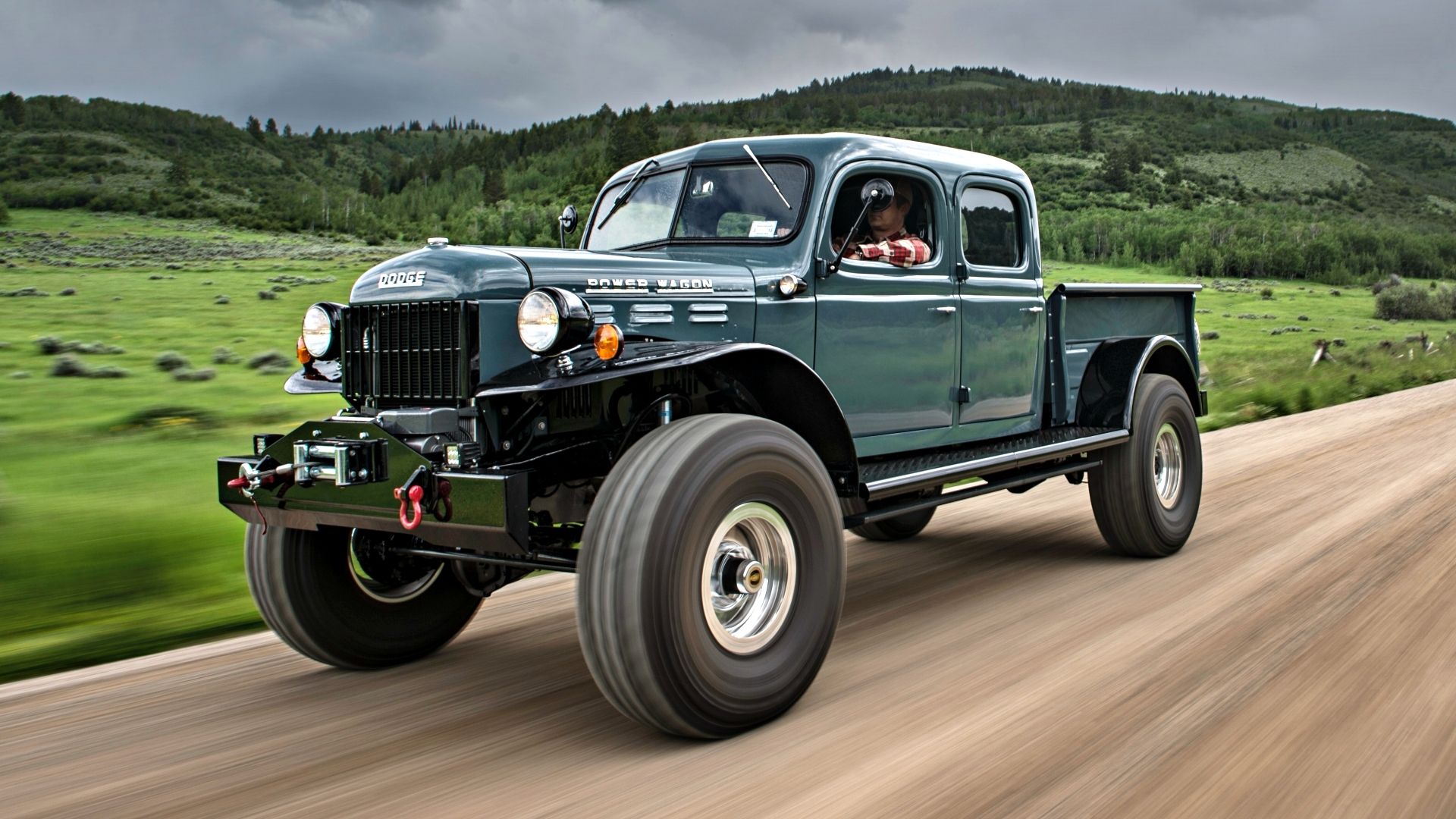
Towing Capacity: Towing capacity is a critical factor if you plan to tow trailers, boats, or other heavy loads. Make sure the truck you choose has a towing capacity that meets or exceeds your needs. Always check the manufacturer's specifications for the specific year and model you're considering.
-
Payload Capacity: Payload capacity refers to the maximum weight a truck can carry in its bed and cab. This includes passengers, cargo, and any accessories. Again, make sure the truck you choose has a payload capacity that meets your needs.


Pro tip from us: It's always better to overestimate your needs slightly than to underestimate them. You don't want to find yourself in a situation where your truck can't handle the tasks you need it for.
2. Setting a Budget: How Much Can You Afford?
Once you have a clear understanding of your needs, it's time to set a realistic budget. This will help you narrow down your search and avoid overspending.
-
Determine your maximum price: Consider your income, expenses, and savings to determine how much you can comfortably afford to spend on a used pickup truck. Don't forget to factor in sales tax, registration fees, and insurance costs.
-
Explore financing options: If you plan to finance your purchase, get pre-approved for a loan before you start shopping. This will give you a better idea of your interest rate and monthly payments. Shop around for the best rates and terms from different lenders.
-
Factor in maintenance and repair costs: Used vehicles often require more maintenance and repairs than new vehicles. Set aside a portion of your budget for potential repairs and maintenance costs. A good rule of thumb is to budget at least 10% of the purchase price for these expenses.
-
Don't forget about fuel costs: Pickup trucks, especially full-size models, can be expensive to fuel. Research the fuel economy of the trucks you're considering and factor that into your budget.
Based on my experience... many buyers focus solely on the purchase price and forget to account for the ongoing costs of ownership, such as insurance, fuel, and maintenance. These costs can add up quickly, so it's important to factor them into your budget.
3. Researching Different Truck Models: Finding the Right Fit
Now that you know your needs and your budget, it's time to start researching different truck models. There are many different makes and models of pickup trucks available, each with its own strengths and weaknesses.
-
Full-Size Trucks: Full-size trucks, such as the Ford F-150, Chevrolet Silverado, Ram 1500, and Toyota Tundra, are the most popular type of pickup truck. They offer the most power, towing capacity, and payload capacity. However, they are also the most expensive and least fuel-efficient.
-
Mid-Size Trucks: Mid-size trucks, such as the Toyota Tacoma, Chevrolet Colorado, Ford Ranger, and Nissan Frontier, are a good compromise between full-size trucks and compact trucks. They offer a good balance of power, fuel economy, and affordability.
-
Heavy-Duty Trucks: Heavy-duty trucks, such as the Ford F-250/F-350, Chevrolet Silverado 2500/3500, and Ram 2500/3500, are designed for serious work. They offer the most towing capacity and payload capacity of any pickup truck. However, they are also the most expensive and least fuel-efficient.
-
Consider specific years: Research the reliability and common problems of specific years of the trucks you're considering. Some years may have known issues that you'll want to be aware of. Online forums and consumer reports can be valuable resources for this.
-
Read reviews: Read reviews from both professional automotive critics and owners to get a well-rounded perspective on the pros and cons of different truck models.
4. Finding Used Trucks for Sale: Where to Look
Once you've narrowed down your choices, it's time to start looking for used trucks for sale. There are several different places you can find used trucks, each with its own advantages and disadvantages.
-
Online Marketplaces: Websites like Craigslist, Facebook Marketplace, and AutoTrader offer a wide selection of used trucks from private sellers and dealerships. Be cautious when buying from private sellers and always inspect the vehicle thoroughly before making a purchase.
-
Dealerships: Dealerships offer a more secure and reliable buying experience than private sellers. They typically offer warranties and financing options. However, dealerships may charge higher prices than private sellers.
-
Used Car Lots: Used car lots specialize in selling used vehicles. They often have a wider selection of used trucks than dealerships. However, their vehicles may not be as thoroughly inspected as those at dealerships.
-
Auctions: Car auctions can be a great place to find deals on used trucks. However, you'll need to do your research and be prepared to bid aggressively.
Common mistakes to avoid are... relying solely on online photos and descriptions. Always see the truck in person before making an offer.
5. Inspecting the Truck: What to Look For
Once you've found a truck that you're interested in, it's crucial to inspect it thoroughly before making an offer. This is where you can uncover any potential problems and avoid buying a lemon.
-
Exterior: Check for rust, dents, scratches, and other signs of damage. Pay close attention to the undercarriage, as rust is a common problem in older trucks. Check the tires for wear and tear and make sure they are properly inflated.
-
Interior: Check the seats, carpets, and dashboard for wear and tear. Make sure all the features and accessories are working properly, such as the air conditioning, radio, and power windows.
-
Engine: Listen for any unusual noises or vibrations. Check the oil level and condition. Look for leaks under the engine.
-
Transmission: Test the transmission by shifting through all the gears. Make sure the transmission shifts smoothly and without hesitation.
-
Brakes: Test the brakes by applying them firmly at different speeds. Make sure the brakes stop the truck quickly and safely.
-
Four-Wheel Drive (if applicable): If the truck has four-wheel drive, test it to make sure it's working properly. Engage and disengage the four-wheel drive system and listen for any unusual noises.
-
Frame: Inspect the frame for rust, cracks, and any signs of damage or repairs. This is a critical area, as frame damage can be expensive to repair and can compromise the safety of the vehicle.
-
Get a Pre-Purchase Inspection: Even if you're mechanically inclined, it's always a good idea to have a professional mechanic inspect the truck before you buy it. A mechanic can identify potential problems that you might miss.
6. Test Driving the Truck: Getting a Feel for It
After you've inspected the truck, take it for a test drive. This is your opportunity to get a feel for how the truck drives and handles.
-
Drive on different types of roads: Drive the truck on city streets, highways, and rough roads to get a feel for how it handles in different conditions.
-
Pay attention to the steering, suspension, and brakes: Make sure the steering is responsive, the suspension is smooth, and the brakes are effective.
-
Listen for any unusual noises or vibrations: Pay attention to any unusual noises or vibrations that you might not have noticed during the inspection.
-
Test all the features and accessories: Make sure all the features and accessories are working properly during the test drive.
7. Checking the Vehicle History Report: Uncovering the Past
Before you make an offer on a used truck, it's essential to check the vehicle history report. A vehicle history report can reveal important information about the truck's past, such as accidents, damage, and title issues.
-
Obtain a Vehicle History Report: Use the truck's Vehicle Identification Number (VIN) to obtain a vehicle history report from a reputable provider like Carfax or AutoCheck.
-
Review the Report Carefully: Look for any red flags, such as accidents, salvage titles, odometer rollback, or flood damage.
-
Consider a Clean Ideally, you want a truck with a clean title, meaning it hasn't been declared a total loss by an insurance company.
8. Negotiating the Price: Getting the Best Deal
Once you've found a truck that you're happy with and you've checked the vehicle history report, it's time to negotiate the price.
-
Do your research: Research the market value of the truck you're considering. Use online resources like Kelley Blue Book and Edmunds to get an idea of what similar trucks are selling for in your area.
-
Be prepared to walk away: Don't be afraid to walk away from the deal if the seller isn't willing to negotiate. There are plenty of other used trucks out there.
-
Start with a lower offer: Start with a lower offer than what you're willing to pay. This gives you room to negotiate.
-
Be polite and respectful: Even if you're negotiating aggressively, be polite and respectful to the seller.
-
Consider the total cost: Don't just focus on the purchase price. Consider the total cost of ownership, including sales tax, registration fees, insurance, and maintenance costs.
9. Finalizing the Purchase: Paperwork and Payment
Once you've agreed on a price, it's time to finalize the purchase.
-
Review the paperwork carefully: Make sure you understand all the terms and conditions of the sale before you sign anything.
-
Pay with a secure method: Pay for the truck with a secure method, such as a certified check or a bank transfer. Avoid paying with cash, as it's difficult to track.
-
Get a bill of sale: Make sure you get a bill of sale that includes the truck's VIN, the purchase price, and the date of sale.
-
Transfer the Make sure the seller transfers the title to you properly. This is essential for legally owning the truck.
10. Enjoying Your Used Pickup Truck: Maintenance and Care
Congratulations, you've successfully purchased a used pickup truck! Now it's time to enjoy it and take care of it.
-
Follow the manufacturer's recommended maintenance schedule: This will help keep your truck running smoothly and prevent costly repairs.
-
Keep your truck clean: Regularly wash and wax your truck to protect the paint and prevent rust.
-
Address any repairs promptly: Don't ignore small problems, as they can often turn into bigger problems down the road.
-
Drive safely: Drive responsibly and be aware of your surroundings.
External Link: For more information on vehicle maintenance schedules, check out reputable automotive websites like Edmunds.
Internal Link: Check out our article on ["How to Maintain Your Car's Value Over Time"](insert internal link here) for more tips on keeping your truck in top condition.
Internal Link: See our other article on ["Essential Car Maintenance Tips"](insert internal link here) for more tips.
By following these tips, you can find a reliable used pickup truck that meets your needs and your budget. Remember to do your research, inspect the truck thoroughly, and negotiate the price carefully. With a little effort, you can drive away in a great used truck that will serve you well for years to come.