The Jeep EcoDiesel, with its impressive fuel economy and robust performance, has become a popular choice for off-road enthusiasts and daily drivers alike. If you're considering buying a used Jeep EcoDiesel for sale, you're likely drawn to its diesel engine's promise of enhanced torque and efficiency. However, navigating the used car market, especially with a specialized engine like the EcoDiesel, requires careful consideration.
This comprehensive guide will walk you through everything you need to know before purchasing a used Jeep EcoDiesel, from understanding its unique features and potential issues to conducting thorough inspections and negotiating the best price. We'll delve into the specific model years, common problems to watch out for, and essential maintenance tips. By the end of this article, you'll be well-equipped to make an informed decision and drive away with confidence.
The Ultimate Guide to Buying a Used Jeep EcoDiesel: Everything You Need to Know
Why Choose a Jeep EcoDiesel? Understanding the Appeal
Before diving into the specifics of buying used, let's explore why the Jeep EcoDiesel is so appealing. The primary draw is its diesel engine, which offers several advantages over traditional gasoline engines:
- Fuel Efficiency: Diesel engines are inherently more fuel-efficient than gasoline engines, especially at lower RPMs. This translates to significant savings at the pump, particularly for those who do a lot of highway driving or towing.
- Torque: Diesel engines produce more torque than gasoline engines, providing ample power for towing, off-roading, and navigating challenging terrains. This makes the EcoDiesel a great choice for those who need a vehicle that can handle heavy loads or demanding driving conditions.
- Longevity: Properly maintained diesel engines are known for their longevity. With regular servicing and preventative maintenance, an EcoDiesel engine can potentially last for hundreds of thousands of miles.
- Resale Value: Due to their fuel efficiency and durability, Jeep EcoDiesel models tend to hold their value well in the used car market. This can be a significant advantage if you plan to resell the vehicle in the future.

These factors contribute to the EcoDiesel's popularity and make it a desirable option for many buyers. However, it's crucial to be aware of the potential downsides and specific issues that can arise with these engines, particularly in used models.
Identifying the Right Jeep EcoDiesel Model Year: A Breakdown
The Jeep EcoDiesel engine has been offered in several models and model years, each with its own set of characteristics and potential problems. Understanding the differences between these models is essential for making an informed purchase.
- 2014-2019 Jeep Grand Cherokee EcoDiesel: The 3.0L VM Motori EcoDiesel V6 engine was first introduced in the Grand Cherokee. These models offer a blend of luxury, capability, and fuel efficiency. However, some owners have reported issues with the EGR cooler and other emissions-related components.
- 2014-2019 Ram 1500 EcoDiesel: The Ram 1500 also featured the 3.0L EcoDiesel engine during these years. Similar to the Grand Cherokee, these trucks offer excellent fuel economy and towing capacity. Potential issues include EGR cooler problems and turbocharger failures.
- 2020-Present Jeep Gladiator EcoDiesel: The Gladiator EcoDiesel offers the same benefits of the Grand Cherokee and Ram 1500, but in a pickup truck platform.
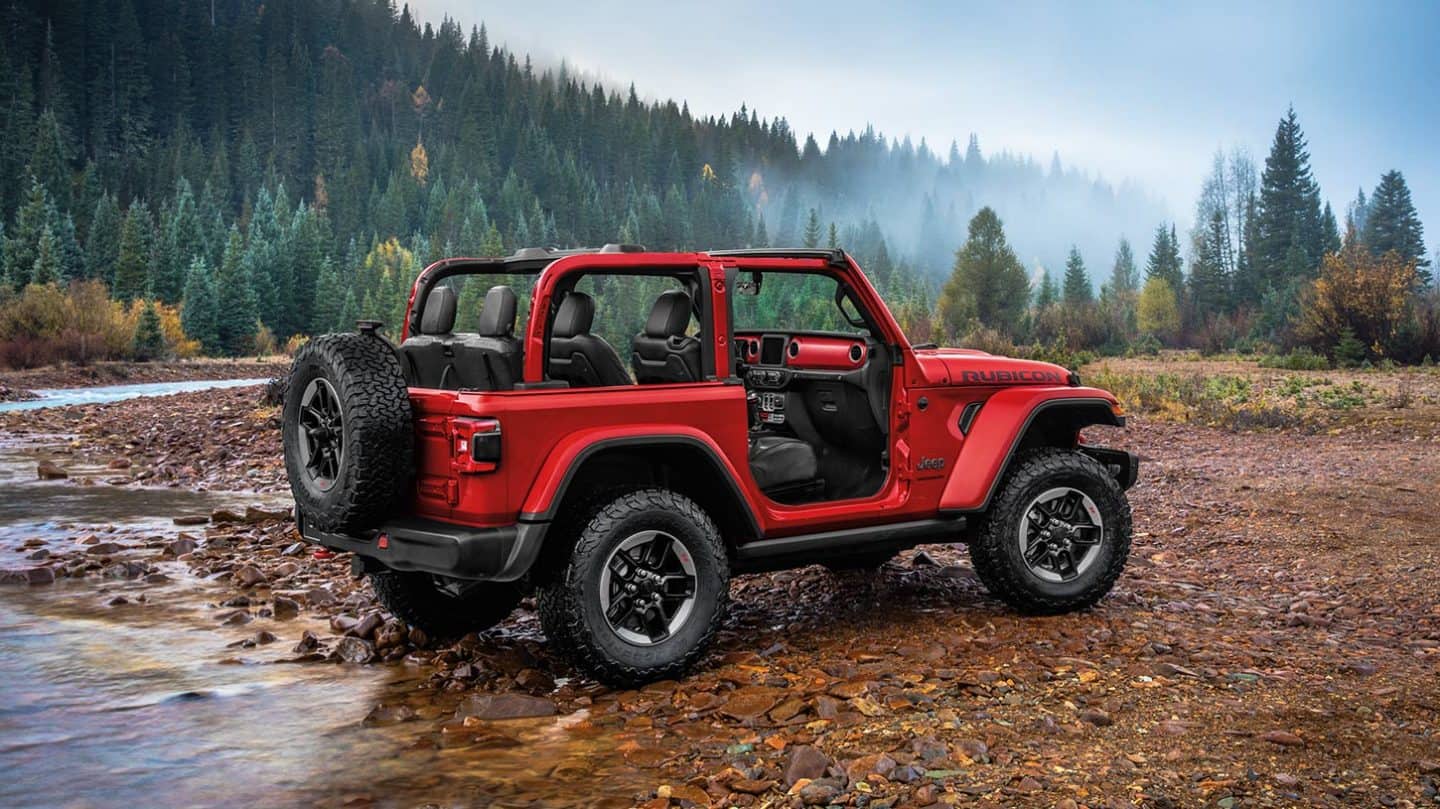
- 2020-Present Jeep Wrangler EcoDiesel: The Wrangler EcoDiesel is known for its off-road prowess and fuel efficiency. The 3.0L EcoDiesel V6 engine paired with the Wrangler's rugged design makes it a popular choice for adventure seekers.
Pro tip from us: Research the specific model year you're interested in to identify any common problems or recalls associated with that particular year. Websites like the National Highway Traffic Safety Administration (NHTSA) and Jeep forums can provide valuable information.

Common Problems to Watch Out For: A Deep Dive
While the Jeep EcoDiesel engine offers numerous advantages, it's not without its potential problems. Being aware of these issues can help you identify potential red flags during your inspection and negotiate a fair price.
- EGR Cooler Failure: The EGR (Exhaust Gas Recirculation) cooler is a common failure point in the EcoDiesel engine. This component is responsible for cooling exhaust gases before they are recirculated back into the engine. When the EGR cooler fails, it can lead to coolant leaks, overheating, and even engine damage. Symptoms of EGR cooler failure include coolant loss, white smoke from the exhaust, and a check engine light.
- Turbocharger Issues: The turbocharger is another critical component that can experience problems. Turbocharger failures can result in reduced power, poor fuel economy, and excessive smoke from the exhaust. Common causes of turbocharger failure include oil starvation, contamination, and excessive wear.
- High-Pressure Fuel Pump (HPFP) Failure: The HPFP is responsible for delivering fuel to the engine at high pressure. Failures can lead to engine stalling, difficulty starting, and fuel system contamination.
- Diesel Particulate Filter (DPF) Problems: The DPF is designed to trap particulate matter from the exhaust. Over time, the DPF can become clogged, leading to reduced performance and increased fuel consumption. Regular regeneration cycles are necessary to keep the DPF functioning properly.
- Emissions System Issues: The EcoDiesel engine is equipped with a complex emissions system to meet stringent environmental regulations. Problems with the DEF (Diesel Exhaust Fluid) system, NOx sensors, and other emissions components can trigger the check engine light and affect performance.
Based on my experience... It's crucial to have a qualified mechanic inspect the engine thoroughly before purchasing a used EcoDiesel. A compression test, leak-down test, and inspection of the turbocharger and EGR cooler can help identify potential problems early on.
Essential Inspection Checklist: What to Look For
A thorough inspection is paramount when buying a used Jeep EcoDiesel. Here's a detailed checklist to guide you through the process:
- Visual Inspection: Start with a visual inspection of the vehicle's exterior and interior. Look for signs of damage, rust, or neglect. Check the tires for wear and tear, and examine the body panels for any signs of previous accidents or repairs.
- Engine Bay Inspection: Open the hood and inspect the engine bay. Look for any signs of leaks, corrosion, or damage. Check the fluid levels, including the oil, coolant, and brake fluid. Examine the belts and hoses for cracks or wear.
- Test Drive: Take the vehicle for a test drive and pay attention to how it performs. Listen for any unusual noises, vibrations, or hesitations. Check the acceleration, braking, and handling. Test all the vehicle's features, including the air conditioning, radio, and navigation system.
- OBD-II Scan: Use an OBD-II scanner to check for any stored diagnostic trouble codes (DTCs). These codes can provide valuable insights into potential problems with the engine, transmission, or other systems.
- Maintenance Records: Request the vehicle's maintenance records to see if it has been properly serviced and maintained. Pay attention to the frequency of oil changes, filter replacements, and other routine maintenance tasks.
- EGR Cooler Inspection: As mentioned earlier, the EGR cooler is a common failure point. Inspect the EGR cooler for any signs of leaks or corrosion. A qualified mechanic can perform a pressure test to check for leaks.
- Turbocharger Inspection: Check the turbocharger for any signs of damage or wear. Listen for any unusual noises from the turbocharger during the test drive.
- Exhaust Smoke: Observe the exhaust smoke during the test drive. Excessive black or white smoke can indicate engine problems.
- Check the Carfax Report: Obtain a Carfax report to check for any reported accidents, title issues, or odometer discrepancies.
Common mistakes to avoid are... Skipping the pre-purchase inspection. While it might seem like an added expense, it can save you thousands of dollars in the long run by identifying potential problems before you buy.
Maintenance Tips for Your Used Jeep EcoDiesel: Keeping It Running Smoothly
Once you've purchased your used Jeep EcoDiesel, proper maintenance is essential to keep it running smoothly and prevent costly repairs.
- Regular Oil Changes: Change the engine oil and filter according to the manufacturer's recommendations. Use the correct type of oil specified for diesel engines.
- Fuel Filter Replacements: Replace the fuel filter regularly to prevent fuel system contamination.
- Air Filter Replacements: Replace the air filter regularly to ensure proper engine performance and fuel economy.
- Diesel Exhaust Fluid (DEF) Top-Ups: Keep the DEF tank properly filled to ensure the emissions system functions correctly.
- EGR Cooler Cleaning: Consider having the EGR cooler cleaned periodically to prevent clogging and failure.
- DPF Regeneration: Ensure the DPF regenerates properly to prevent clogging. Avoid frequent short trips, as they can prevent the DPF from reaching the necessary temperature for regeneration.
- Regular Inspections: Have a qualified mechanic inspect the engine and other systems regularly to identify potential problems early on.
Following these maintenance tips can help extend the life of your Jeep EcoDiesel and prevent costly repairs.
Negotiating the Price: Getting the Best Deal
Negotiating the price is a crucial part of the used car buying process. Here are some tips to help you get the best deal on a used Jeep EcoDiesel:
- Research the Market Value: Before you start negotiating, research the market value of the vehicle you're interested in. Use online resources like Kelley Blue Book and Edmunds to get an idea of the average price for similar vehicles in your area.
- Identify Any Problems: Use the inspection checklist outlined earlier to identify any potential problems with the vehicle. Use these problems as leverage during the negotiation process.
- Be Prepared to Walk Away: Don't be afraid to walk away from the deal if you're not comfortable with the price. There are plenty of other used Jeep EcoDiesel models available, and you don't want to overpay for a vehicle that's not worth it.
- Consider Financing Options: Explore different financing options to get the best interest rate and terms.
- Negotiate the Out-the-Door Price: Focus on negotiating the out-the-door price, which includes all taxes, fees, and other charges. This will give you a clear picture of the total cost of the vehicle.
Conclusion: Making an Informed Decision
Buying a used Jeep EcoDiesel for sale can be a rewarding experience, providing you with a fuel-efficient and capable vehicle for both on-road and off-road adventures. However, it's crucial to approach the purchase with caution and do your research.
By understanding the unique features and potential issues of the EcoDiesel engine, conducting a thorough inspection, and negotiating a fair price, you can increase your chances of finding a reliable and enjoyable used Jeep EcoDiesel. Remember to prioritize maintenance and address any problems promptly to keep your vehicle running smoothly for years to come.
This article has hopefully provided you with the knowledge and tools necessary to make an informed decision. Happy Jeep hunting!
External Link: For more information on diesel engine maintenance, visit the Diesel Technology Forum: https://www.dieselforum.org/