So, you're dreaming of owning a food business but the price tag of a brand-new food trailer is giving you heartburn? You're not alone. A used food trailer can be a fantastic way to enter the culinary scene, offering a more affordable path to entrepreneurship. However, navigating the used market can be tricky. This comprehensive guide will equip you with the knowledge to make a smart investment and avoid costly mistakes.
This isn't just another article listing bullet points. Based on my experience helping numerous aspiring food entrepreneurs, I'll walk you through every critical step, from assessing your needs to finalizing the purchase, ensuring you're well-prepared to embark on your food trailer journey.
The Ultimate Guide to Buying a Used Food Trailer: Your Recipe for Success
Why Choose a Used Food Trailer?
The appeal of a used food trailer is undeniable. The primary reason is cost savings. A pre-owned trailer can be significantly cheaper than a new one, freeing up capital for essential aspects like inventory, marketing, and permits.
Depreciation is another factor. New trailers, like cars, experience the most significant depreciation in the first few years. Buying used allows you to avoid this initial value drop.
A used trailer also offers immediate availability. New trailers often have long lead times for manufacturing and customization. With a used trailer, you can potentially start your business much sooner.
However, remember that buying used comes with its own set of challenges, which we'll address throughout this guide.
Step 1: Define Your Needs and Budget
Before you even start browsing online marketplaces, take a step back and define your specific needs. What type of food will you be serving? This will dictate the necessary equipment and layout.
Consider the volume of food you anticipate selling. A high-volume operation will require a larger trailer with more cooking capacity. A smaller menu might be suitable for a more compact trailer.
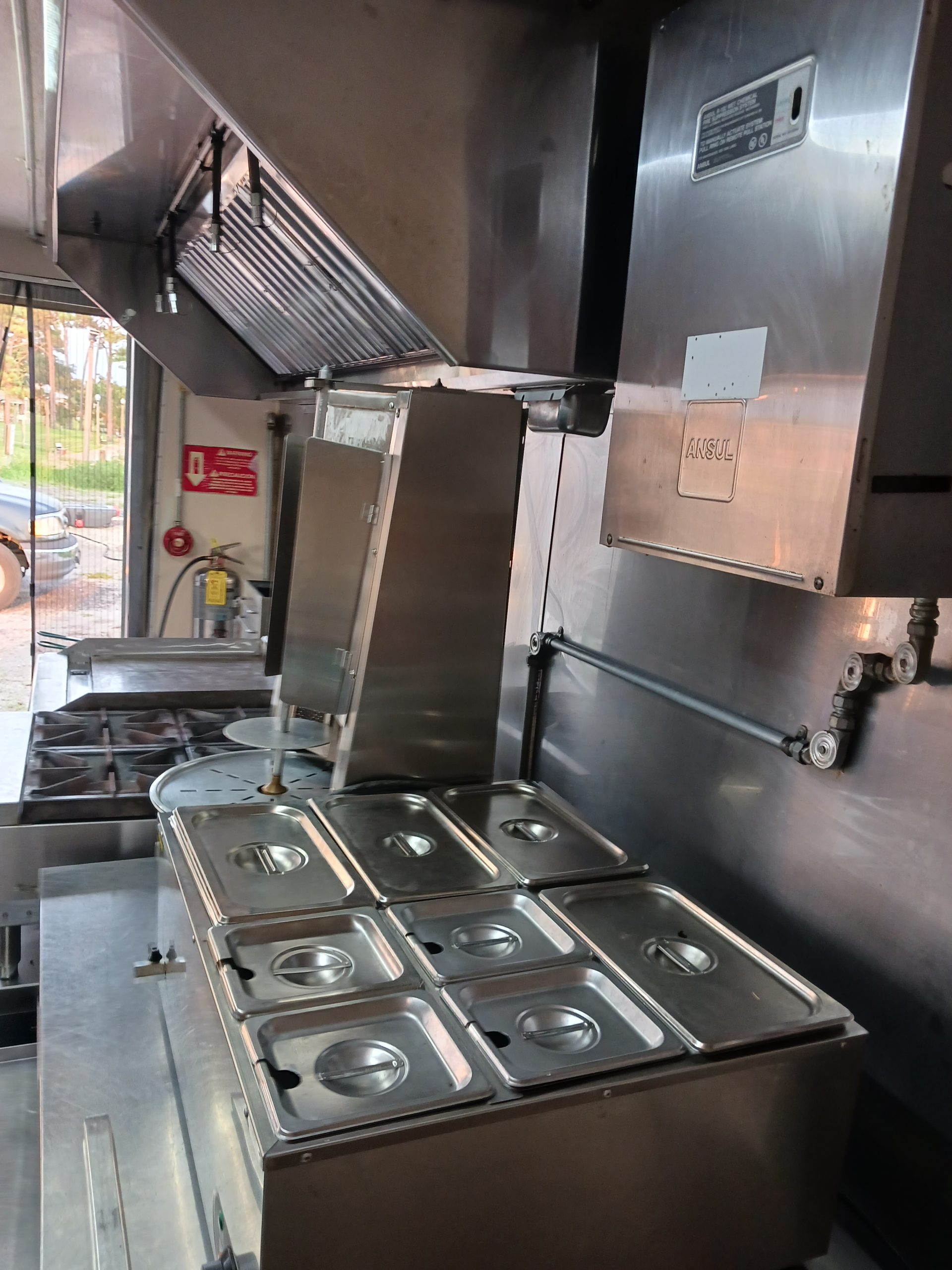
Think about your target locations. Will you be operating at festivals, farmers markets, or stationary locations? The size and maneuverability of the trailer will be crucial factors.
Once you understand your needs, establish a realistic budget. This should include not only the purchase price but also potential repair costs, upgrades, and transportation expenses.
Pro Tip: Allocate a buffer in your budget for unexpected repairs or modifications. Used equipment always carries a risk of unforeseen issues.
Step 2: Where to Find Used Food Trailers for Sale
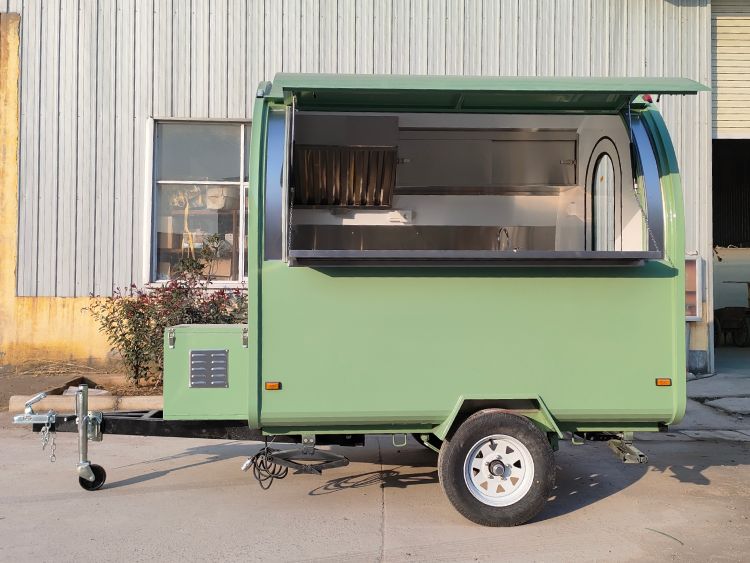
Now that you know what you're looking for and how much you're willing to spend, it's time to start your search. Several online platforms specialize in connecting buyers and sellers of used food trailers:
-
Online Marketplaces: Websites like Craigslist, Facebook Marketplace, and eBay can be good starting points. However, exercise caution and thoroughly vet any listings before pursuing them.

Specialized Food Trailer Websites: Websites dedicated to food trailers often have classifieds sections for used trailers. These listings may be more reliable and cater specifically to the food industry.
-
Auction Sites: Keep an eye on auction sites that sell used equipment. You might find a hidden gem at a competitive price, but be prepared for a potentially fast-paced bidding process.
-
Local Dealers: Contact local food trailer manufacturers or dealers. They may have trade-ins or used trailers available. This can offer the advantage of dealing with a reputable business.
Important Note: Be wary of listings that seem too good to be true. Scams are prevalent in the used equipment market, so always proceed with caution.
Step 3: The Inspection: A Critical Step
This is arguably the most crucial step in the entire process. A thorough inspection can save you thousands of dollars and countless headaches down the road. If you're not mechanically inclined, consider hiring a professional inspector specializing in food trailers.
Here's a checklist of key areas to inspect:
-
Exterior: Check for rust, dents, and any signs of structural damage. Pay close attention to the frame, axles, and tires. Look for evidence of leaks or water damage.
-
Interior: Inspect the walls, floors, and ceiling for mold, mildew, or water damage. Check the ventilation system and ensure it's functioning properly. Verify the integrity of the electrical wiring and plumbing.
-
Equipment: Test all appliances, including the grill, fryer, refrigerator, and any other cooking equipment. Check the propane system for leaks and ensure it meets safety standards. Verify the functionality of the water heater and water pump.
-
Electrical System: Inspect the wiring, outlets, and breaker panel. Ensure the trailer has adequate electrical capacity for your needs. Consider having a qualified electrician inspect the system.
-
Plumbing System: Check for leaks in the water lines, drains, and sinks. Ensure the water pump is functioning correctly and that the water heater is in good working order.
-
Propane System: Inspect the propane tanks, regulators, and lines for leaks. Ensure the system meets local safety regulations. Consider having a certified propane technician inspect the system.
Common mistakes to avoid are: skipping the inspection to save money. It's a false economy. Neglecting to check for leaks, which can lead to costly repairs and health hazards.
Step 4: Negotiation and Financing
Once you've found a trailer that meets your needs and passed the inspection, it's time to negotiate the price. Research comparable trailers to determine a fair market value. Be prepared to walk away if the seller is unwilling to negotiate reasonably.
If you require financing, explore your options. Banks and credit unions may offer loans for used equipment. Alternatively, consider leasing or renting a trailer as a short-term solution.
Pro Tip: Have a pre-approved loan before you start negotiating. This will give you more leverage and demonstrate your seriousness to the seller.
Step 5: Legal and Regulatory Compliance
Before you finalize the purchase, ensure the trailer meets all local and state regulations. This includes health permits, fire safety codes, and zoning ordinances. Contact your local health department and fire marshal to learn about the specific requirements in your area.
Verify the trailer's title and registration. Ensure there are no liens or encumbrances on the trailer. Consider hiring a lawyer to review the purchase agreement and ensure your interests are protected.
Based on my experience, understanding the regulatory landscape is crucial for long-term success. Failure to comply with regulations can result in fines, closures, and other legal issues.
Step 6: Customization and Upgrades
Once you've purchased your used food trailer, you may need to make some customizations or upgrades to meet your specific needs. This could include adding new equipment, modifying the layout, or repainting the exterior.
Prioritize essential upgrades that will improve the functionality and safety of the trailer. Don't get carried away with cosmetic upgrades until you've addressed any critical repairs or maintenance issues.
Pro Tip: Plan your customizations carefully and prioritize those that will have the biggest impact on your business.
Maintaining Your Investment
Once you're up and running, regular maintenance is key to extending the life of your food trailer and preventing costly repairs. Develop a maintenance schedule that includes regular cleaning, equipment servicing, and inspections.
Keep detailed records of all maintenance and repairs. This will not only help you track your expenses but also provide valuable information for future resale.
Consider purchasing a service contract or extended warranty for major equipment. This can provide peace of mind and protect you from unexpected repair costs.
External Link: For more detailed information on food safety regulations, consult the FDA's website: https://www.fda.gov/food
Conclusion: Your Culinary Journey Awaits
Buying a used food trailer can be a rewarding and cost-effective way to start your own food business. By following the steps outlined in this guide, you can increase your chances of finding a trailer that meets your needs, fits your budget, and complies with all applicable regulations.
Remember, thorough research, careful inspection, and proactive maintenance are essential for success. With a little planning and effort, you can turn your culinary dreams into a delicious reality. Don't be afraid to seek professional advice and learn from others in the industry. Your food trailer adventure is just beginning!
Now, go out there, find that perfect used food trailer, and start cooking up a storm!