Choosing the right camper shell for your truck can be a game-changer. It transforms your pickup into a versatile adventure vehicle, a secure mobile workspace, or simply provides extra storage for everyday life. But finding the perfect fit can be tricky. A mismatched shell can lead to leaks, damage to your truck bed, and a generally frustrating experience.
This comprehensive guide will walk you through everything you need to know about camper shell fit, from understanding truck bed sizes and shell types to installation tips and maintenance. We'll cover common pitfalls and provide expert advice to ensure you choose a shell that fits your truck perfectly, looks great, and serves its purpose for years to come. This is your one-stop resource for camper shell success.
The Ultimate Camper Shell Fit Guide: Finding the Perfect Match for Your Truck
Why a Proper Camper Shell Fit Matters
The importance of a correctly fitted camper shell cannot be overstated. It's not just about aesthetics; it's about functionality, security, and the long-term health of your truck.
-
Weather Protection: A well-fitted shell creates a tight seal, protecting your cargo and truck bed from rain, snow, and dust. Leaks can lead to rust, mold, and damage to anything stored inside.
-
Security: A secure fit ensures the shell is properly attached to your truck bed, preventing theft and ensuring the shell doesn't shift or detach while driving.
-
Truck Bed Protection: A shell that fits correctly won't rub or cause friction against the truck bed, preventing scratches, dents, and other damage.
Aerodynamics and Fuel Efficiency: While the impact may be subtle, a properly fitted shell can contribute to better aerodynamics, potentially improving fuel efficiency. A shell that's too large or poorly aligned can create drag.
-
Safety: A securely mounted camper shell contributes to the overall safety of your vehicle. A loose or improperly installed shell can become a hazard, especially in emergency braking situations or accidents.

Based on my experience, neglecting the fit aspect can lead to costly repairs and a lot of headaches down the road. Taking the time to ensure a perfect match is an investment that pays off in the long run.
Understanding Truck Bed Sizes: The Foundation of a Good Fit
The first step in finding the right camper shell is knowing your truck bed size. Truck beds come in various lengths, and camper shells are designed to match these specific dimensions. Here's a breakdown of common truck bed sizes:
-
Short Bed: Typically ranges from 5 to 6 feet in length. Common on crew cab trucks.
-
Standard Bed: Usually between 6 and 6.5 feet long. A very common size across many truck models.
-
Long Bed: Can be 8 feet or longer. Often found on work trucks and extended cab models.
How to Measure Your Truck Bed:
- Open the tailgate: This provides a clear view of the bed's interior.
- Measure from the inside front of the bed to the inside of the tailgate: Use a measuring tape and ensure you're measuring along the bed floor.
- Double-check your measurements: It's always a good idea to measure twice to ensure accuracy. Even a small error can lead to selecting the wrong shell size.
Pro tips from us: Always consult your truck's owner's manual or the manufacturer's website for the official bed length specification. This can help confirm your measurements and avoid any discrepancies.
Types of Camper Shells: Choosing the Right Style for Your Needs
Camper shells come in various styles, each offering different features and benefits. Understanding these options is crucial for selecting a shell that meets your specific requirements.
-
Cab-High Shells: These shells sit level with the truck cab, providing a seamless look and often better aerodynamics. They offer ample headroom for cargo but may feel a bit cramped for sleeping.
-
Mid-Rise Shells: Slightly taller than cab-high models, mid-rise shells offer more interior headroom, making them a comfortable option for camping or working inside.
-
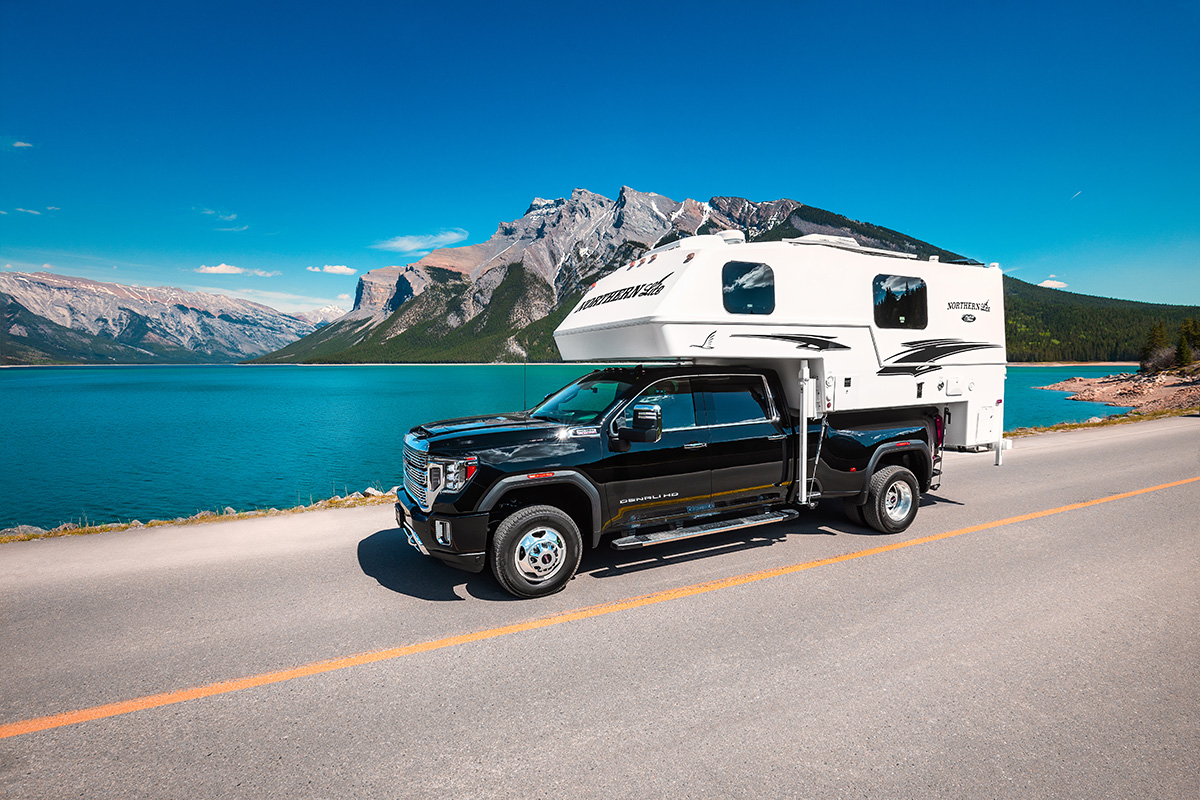
High-Rise Shells: These shells provide the most interior space, resembling a small camper. They are ideal for those who need maximum headroom and storage capacity.
-
Wedge Shells: These shells have a slanted roofline, typically lower at the cab and higher at the tailgate. They offer a unique look and can improve aerodynamics.
-
Commercial Shells: Designed for work purposes, these shells often feature reinforced construction, toolboxes, and other specialized features.
Choosing the Right Style: Consider how you plan to use your camper shell. If you prioritize aesthetics and occasional cargo transport, a cab-high shell might suffice. If you need ample headroom for camping or working, a mid-rise or high-rise shell would be a better choice.
Key Considerations for Camper Shell Fit
Beyond bed size and shell style, several other factors contribute to a proper camper shell fit.
-
Truck Model and Year: Camper shells are often designed for specific truck models and years. Ensure the shell you choose is compatible with your truck's make, model, and year.
-
Bed Rails: Some trucks have raised bed rails, which can affect the fit of the camper shell. You may need to consider a shell designed to accommodate these rails or use shims to create a level surface.
-
Bed Liners: If you have a bed liner (spray-in or drop-in), it can alter the dimensions of your truck bed. Consider the thickness of the bed liner when selecting a shell and ensure it doesn't interfere with the fit.
-
Tailgate Design: Some newer trucks have unique tailgate designs that may require a specific camper shell model. Check for compatibility before making a purchase.
-
Window Placement: Consider the placement of windows on the shell and how they align with your truck's rear window. Proper alignment can improve visibility and airflow.
Finding the Right Camper Shell: New vs. Used
You have two primary options when acquiring a camper shell: buying new or purchasing a used one. Both have their advantages and disadvantages.
New Camper Shells:
- Pros: Guaranteed fit, warranty coverage, customization options, latest features.
- Cons: Higher cost, potential wait times for custom orders.
Used Camper Shells:
- Pros: Lower cost, immediate availability.
- Cons: Potential fit issues, no warranty, may have damage or wear and tear.
If you opt for a used camper shell, proceed with caution.
- Inspect Carefully: Thoroughly inspect the shell for cracks, leaks, and other damage.
- Verify Fit: Bring your truck to the seller's location and test-fit the shell before making a purchase.
- Ask Questions: Inquire about the shell's history, including its age, previous use, and any repairs that have been made.
Installation Tips: Ensuring a Secure and Watertight Seal
Proper installation is crucial for ensuring a secure and watertight seal. While professional installation is recommended, you can install a camper shell yourself with the right tools and knowledge.
- Gather Your Tools: You'll need wrenches, sockets, a torque wrench, sealant, and potentially shims.
- Clean the Truck Bed: Remove any debris or dirt from the truck bed to ensure a clean surface for the shell to sit on.
- Position the Shell: Carefully lift the shell onto the truck bed, aligning it properly with the bed rails.
- Secure the Clamps: Use the provided clamps to secure the shell to the truck bed. Tighten the clamps evenly, following the manufacturer's instructions.
- Apply Sealant: Apply sealant along the edges of the shell where it meets the truck bed to create a watertight seal.
- Torque the Clamps: Use a torque wrench to tighten the clamps to the specified torque.
- Test for Leaks: After installation, test for leaks by spraying water around the shell and checking for any water intrusion inside the truck bed.
Common mistakes to avoid are overtightening the clamps (which can damage the shell) and neglecting to apply sealant (which can lead to leaks).
Maintaining Your Camper Shell: Extending Its Lifespan
Proper maintenance is essential for extending the lifespan of your camper shell. Regular cleaning and inspection can help prevent damage and ensure it continues to function properly.
- Wash Regularly: Wash the shell regularly with soap and water to remove dirt, grime, and bird droppings.
- Inspect for Damage: Regularly inspect the shell for cracks, leaks, and other damage. Address any issues promptly to prevent them from worsening.
- Lubricate Hinges and Locks: Lubricate the hinges and locks regularly to keep them working smoothly.
- Replace Weather Stripping: Replace worn or damaged weather stripping to maintain a watertight seal.
- Protect from UV Rays: Use a UV protectant spray to protect the shell from fading and cracking caused by sun exposure.
Troubleshooting Common Fit Issues
Even with careful planning, you may encounter some fit issues. Here are some common problems and how to address them.
- Shell Doesn't Sit Flush: Use shims to create a level surface between the shell and the truck bed.
- Leaks Around the Edges: Apply additional sealant to create a tighter seal.
- Clamps Won't Tighten: Check for obstructions or damaged threads on the clamps.
- Shell Rubs Against the Truck Bed: Use padding or shims to prevent friction.
The Future of Camper Shells
The camper shell industry is constantly evolving, with new materials, designs, and features emerging regularly. Expect to see more lightweight and durable shells made from composite materials. Integrated technology, such as solar panels and smart lighting systems, will also become more prevalent.
The trend towards customization will continue, allowing truck owners to create camper shells tailored to their specific needs and preferences. This includes custom storage solutions, integrated electrical systems, and unique window configurations.
Final Thoughts: Invest in the Perfect Fit
Choosing the right camper shell and ensuring a proper fit is an investment in your truck's functionality, security, and longevity. By understanding truck bed sizes, shell types, and installation techniques, you can find a shell that perfectly matches your needs and provides years of reliable service.
Don't rush the process. Take the time to research your options, measure your truck bed accurately, and inspect any used shells carefully. With the right approach, you can transform your truck into a versatile and capable adventure vehicle. For more information, you might find this resource on truck camping helpful: https://www.nps.gov/articles/truck-camping.htm
Finding the perfect camper shell fit is achievable with a little planning and knowledge. Happy trails!