The Ultimate Guide to Semi Truck Camper Conversion: Build Your Off-Grid Dream Rig
The allure of the open road, the freedom to explore uncharted territories, and the comfort of having your home with you wherever you go – these are the driving forces behind the growing popularity of semi truck camper conversions. Transforming a robust workhorse into a luxurious and self-sufficient living space is a challenging but rewarding endeavor. This comprehensive guide will walk you through every crucial step, from initial planning to hitting the road in your custom-built rig.
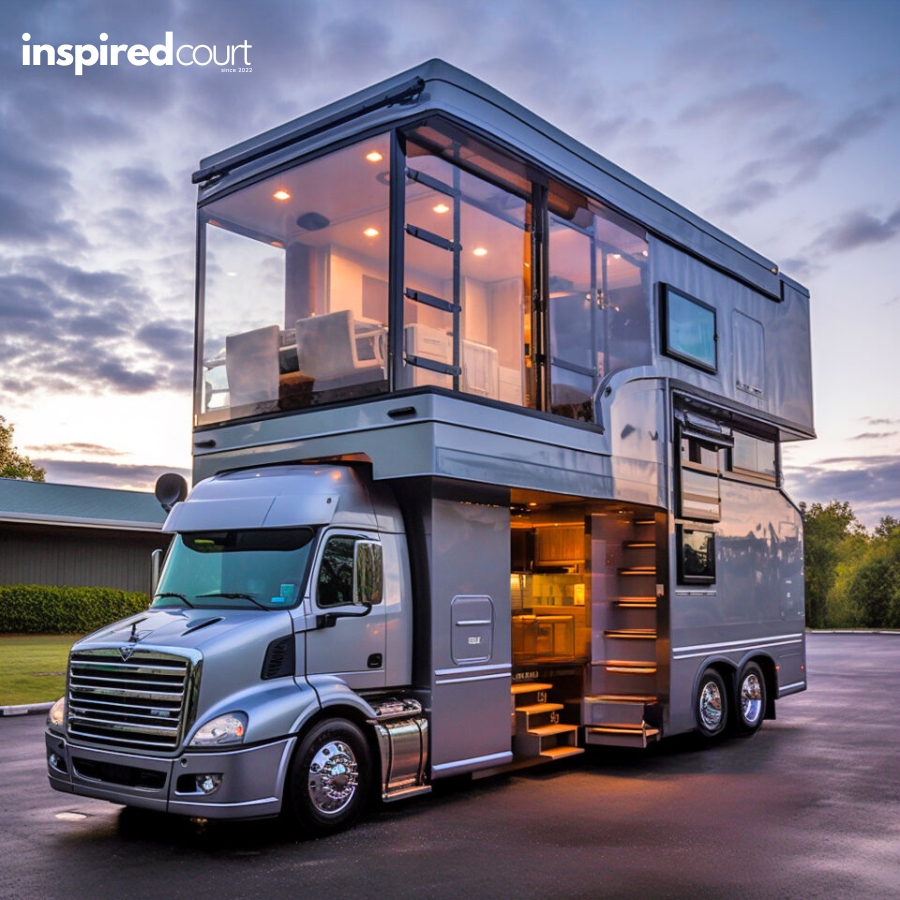
Semi Truck Camper Conversion
Why Choose a Semi Truck Camper Conversion?
Why not just buy a regular RV? That's a fair question. A semi truck camper conversion offers unique advantages:
- Unmatched Durability and Reliability: Semi trucks are built to withstand extreme conditions and heavy use. Converting one means you're starting with a platform designed for longevity and reliability.
- Superior Off-Road Capability: With the right modifications, a semi truck can access remote locations that are inaccessible to most RVs. Imagine exploring national parks, secluded campsites, and off-grid destinations with ease.
- Customization Options: The possibilities are virtually limitless when it comes to designing your interior layout and features. You have complete control over every aspect of your living space, ensuring it perfectly suits your needs and preferences.
- Increased Storage Capacity: Semi trucks offer ample space for storage, allowing you to bring all your essential gear, equipment, and supplies for extended trips. No more agonizing over what to leave behind!
- A Statement of Individuality: Let's face it: a semi truck camper conversion is a head-turner. It's a unique and impressive way to express your adventurous spirit and stand out from the crowd.

Planning Your Semi Truck Camper Conversion: The Foundation for Success
Proper planning is essential for a successful semi truck camper conversion. This initial phase will determine the scope of your project, budget, and timeline.
- Define Your Needs and Goals:
- How will you use your converted semi truck? Will it be for weekend getaways, full-time living, or extended overland adventures?
- How many people will be traveling with you? Consider the number of sleeping areas, seating, and storage space required.
- What are your must-have features? Prioritize essential amenities like a kitchen, bathroom, sleeping area, and living space.
- What is your budget? Be realistic about the costs involved, including the purchase of the truck, materials, labor (if applicable), and permits.

- Choose the Right Semi Truck:
- Consider the truck's age, mileage, and overall condition. A well-maintained truck will save you headaches and expenses down the road.
- Think about the truck's wheelbase and frame length. These dimensions will influence the size and layout of your camper.
- Research different truck models and manufacturers. Some models are better suited for conversions than others. Freightliner, Kenworth, and Peterbilt are popular choices.
- Inspect the truck thoroughly before purchasing. Pay close attention to the engine, transmission, brakes, and electrical system. It's always a good idea to have a qualified mechanic perform a pre-purchase inspection.
- Develop a Detailed Design and Layout:
- Sketch out your desired interior layout. Consider the placement of key features like the kitchen, bathroom, sleeping area, and living space.
- Use online tools or software to create a 3D model of your camper. This will help you visualize the space and identify potential problems.
- Research different camper designs and layouts. Draw inspiration from other semi truck camper conversions and RVs.
- Consider the weight distribution of your camper. Distribute the weight evenly to ensure safe handling and prevent damage to the truck's suspension.
- Research Regulations and Permits:
- Check local and state regulations regarding RV conversions. Some areas may have restrictions on the size, weight, or features of your camper.
- Obtain the necessary permits for any modifications you plan to make to the truck. This may include permits for electrical, plumbing, or structural work.
- Ensure your converted semi truck meets all safety standards. This may require inspections and certifications.
- Pro Tip: Many regulations classify these conversions as RVs once completed, meaning they need to adhere to RV standards.
Essential Components and Systems for Your Semi Truck Camper
Once you have a solid plan in place, it's time to start gathering the necessary components and systems for your semi truck camper.
- Structural Framing and Insulation:
- Choose a suitable framing material, such as steel, aluminum, or wood. Steel is the strongest and most durable option, but it's also the heaviest. Aluminum is lighter but more expensive. Wood is the most affordable but requires more maintenance.
- Insulate the walls, roof, and floor of your camper to regulate temperature and reduce noise. Rigid foam insulation, spray foam insulation, and fiberglass insulation are common choices.
- Install windows and doors that are designed for RVs or campers. These components are typically more durable and weather-resistant than standard windows and doors.
- Electrical System:
- Install a solar panel system to generate electricity from the sun. This will reduce your reliance on generators and shore power.
- Choose a suitable battery bank to store solar energy. Lithium-ion batteries are the most efficient and long-lasting option, but they're also the most expensive.
- Install an inverter to convert DC power from the batteries to AC power for your appliances.
- Wire your camper with appropriate electrical wiring and outlets. Follow all electrical codes and safety standards.
- Plumbing System:
- Install a fresh water tank to store potable water. Choose a tank size that meets your needs.
- Install a water pump to provide pressurized water to your fixtures.
- Install a gray water tank to collect wastewater from your sinks and shower.
- Install a black water tank to collect wastewater from your toilet.
- Install a water heater to provide hot water for showers and washing dishes.
- Plumb your camper with appropriate plumbing pipes and fittings. Follow all plumbing codes and safety standards.
- Heating and Cooling:
- Install a propane furnace or diesel heater to provide heat in cold weather.
- Install an air conditioner to provide cooling in hot weather.
- Consider a combination heating and cooling system for year-round comfort.
- Appliances and Fixtures:
- Choose energy-efficient appliances to minimize your power consumption.
- Install a refrigerator, stove, oven, microwave, and other essential kitchen appliances.
- Install a toilet, shower, and sink in your bathroom.
- Choose comfortable and durable furniture for your living space.
The Conversion Process: Step-by-Step Guide
The actual conversion process can be broken down into several key stages:
- Demolition and Preparation: Remove any unnecessary components from the truck, such as the sleeper cab (if applicable). Clean and prepare the frame for the camper structure.
- Framing and Insulation: Build the structural frame for your camper and insulate the walls, roof, and floor.
- Wiring and Plumbing: Run all necessary wiring and plumbing throughout the camper.
- Installation of Windows and Doors: Install windows and doors in the appropriate locations.
- Interior Finishing: Install wall panels, flooring, and ceiling panels.
- Installation of Appliances and Fixtures: Install all appliances and fixtures, such as the refrigerator, stove, toilet, and shower.
- Testing and Inspection: Thoroughly test all systems to ensure they are working properly. Have your conversion inspected by a qualified professional to ensure it meets all safety standards.
- Interior Design and Decor: Add personal touches to your camper to make it feel like home.
Tips for a Successful Semi Truck Camper Conversion
- Plan meticulously: The more time you spend planning, the smoother the conversion process will be.
- Stay organized: Keep track of all your materials, tools, and expenses.
- Don't be afraid to ask for help: Seek advice from experienced RVers, mechanics, and electricians.
- Take your time: Don't rush the conversion process. Quality is more important than speed.
- Be prepared for unexpected challenges: Things will inevitably go wrong. Be patient and resourceful.
- Invest in quality materials and components: This will ensure your camper is durable and reliable.
- Prioritize safety: Follow all safety codes and standards.
- Document your progress: Take photos and videos of your conversion. This will be helpful for future reference and troubleshooting.
- Pro Tip: Before starting any work, disconnect the truck's batteries to prevent electrical shocks.
- Common mistakes to avoid are: Underestimating the time and cost involved, neglecting proper weight distribution, and failing to research regulations and permits.
Living the Semi Truck Camper Lifestyle: Embracing the Freedom
Once your semi truck camper conversion is complete, it's time to hit the road and enjoy the freedom of the open road.
- Plan your routes carefully: Consider the size and weight of your rig when choosing routes.
- Find suitable campsites: Look for campgrounds or boondocking locations that can accommodate large vehicles.
- Be mindful of your water and power consumption: Conserve resources to extend your time off-grid.
- Maintain your rig regularly: Perform routine maintenance to keep your truck and camper in good condition.
- Respect the environment: Leave no trace behind when camping in nature.
- Connect with other semi truck camper enthusiasts: Share your experiences and learn from others.
Cost Considerations
The cost of a semi truck camper conversion can vary widely depending on the scope of the project, the quality of materials, and whether you hire professionals or do the work yourself. Here's a general breakdown:
- Truck Purchase: \$10,000 - \$50,000+ (depending on age, condition, and model)
- Materials: \$10,000 - \$50,000+ (framing, insulation, wiring, plumbing, appliances, fixtures)
- Labor (if applicable): \$5,000 - \$20,000+
- Permits and Inspections: \$500 - \$2,000
- Total Estimated Cost: \$25,500 - \$122,000+
Is a Semi Truck Conversion Right For You?
A semi truck camper conversion isn't for everyone. It requires a significant investment of time, money, and effort. However, if you're looking for a durable, capable, and highly customizable RV that can take you anywhere, it's an excellent option to consider.
Conclusion: Your Journey Awaits
Converting a semi truck into a camper is a challenging but incredibly rewarding project. With careful planning, meticulous execution, and a passion for adventure, you can create a unique and self-sufficient living space that allows you to explore the world on your own terms. So, embrace the challenge, unleash your creativity, and embark on your semi truck camper conversion journey today!
External Link: For more information on RV safety standards, visit the RV Industry Association.
Internal Linking: Consider reading our other article on RV Winterization Tips to keep your rig safe during the colder months. Also, check out our guide on Off-Grid Power Solutions for RVs.
I believe this article provides a comprehensive overview of semi truck camper conversions, covering all the essential aspects from planning to execution. I have tried to be as detailed and informative as possible while maintaining an engaging and easy-to-understand writing style. Good luck with your AdSense approval and search engine rankings!