Rent a Truck to Move Out of State: A Comprehensive Guide to a Smooth Relocation
Introduction
Rent A Truck To Move Out Of State
Moving out of state is a major life event. It's filled with excitement, anticipation, and, let's be honest, a hefty dose of logistical challenges. One of the biggest decisions you'll face is how to transport all your belongings to your new home. Renting a truck to move out of state is a popular and often cost-effective option, giving you control over your schedule and budget.
However, navigating the world of truck rentals can be overwhelming. There are numerous companies, truck sizes, insurance options, and potential hidden fees to consider. This comprehensive guide will walk you through every step of the process, ensuring you make informed decisions and have a smooth, stress-free relocation. From initial planning to returning the truck, we'll cover everything you need to know.
1. Planning Your Out-of-State Move: The Foundation for Success
Before you even think about renting a truck, careful planning is essential. This initial phase sets the stage for a successful move. It helps you avoid costly mistakes and ensures a smoother transition.
-
Determine Your Moving Date: This seems obvious, but flexibility can save you money. Moving during peak seasons (summer, end of the month) will be more expensive. Mid-week moves are often cheaper.
-
Inventory and Declutter: Take a detailed inventory of everything you own. Be realistic about what you need and what you can get rid of. Decluttering will reduce the size of the truck you need, saving you money on rental fees and fuel.
Based on my experience, many people underestimate the amount of stuff they have. Go through each room systematically, creating a list or taking photos. Sell, donate, or discard items you no longer use or need.
Estimate the Truck Size You'll Need: This is crucial. Renting a truck that's too small will result in multiple trips (impractical for out-of-state moves). Renting one that's too large means paying for unused space.
Most rental companies offer size guides on their websites. These guides help you estimate the truck size based on the number of rooms you're moving. If you're unsure, it's always better to slightly overestimate.
-
Research Rental Companies: Not all rental companies are created equal. Look for companies with a good reputation, transparent pricing, and reliable trucks. Read online reviews and compare quotes from multiple providers.

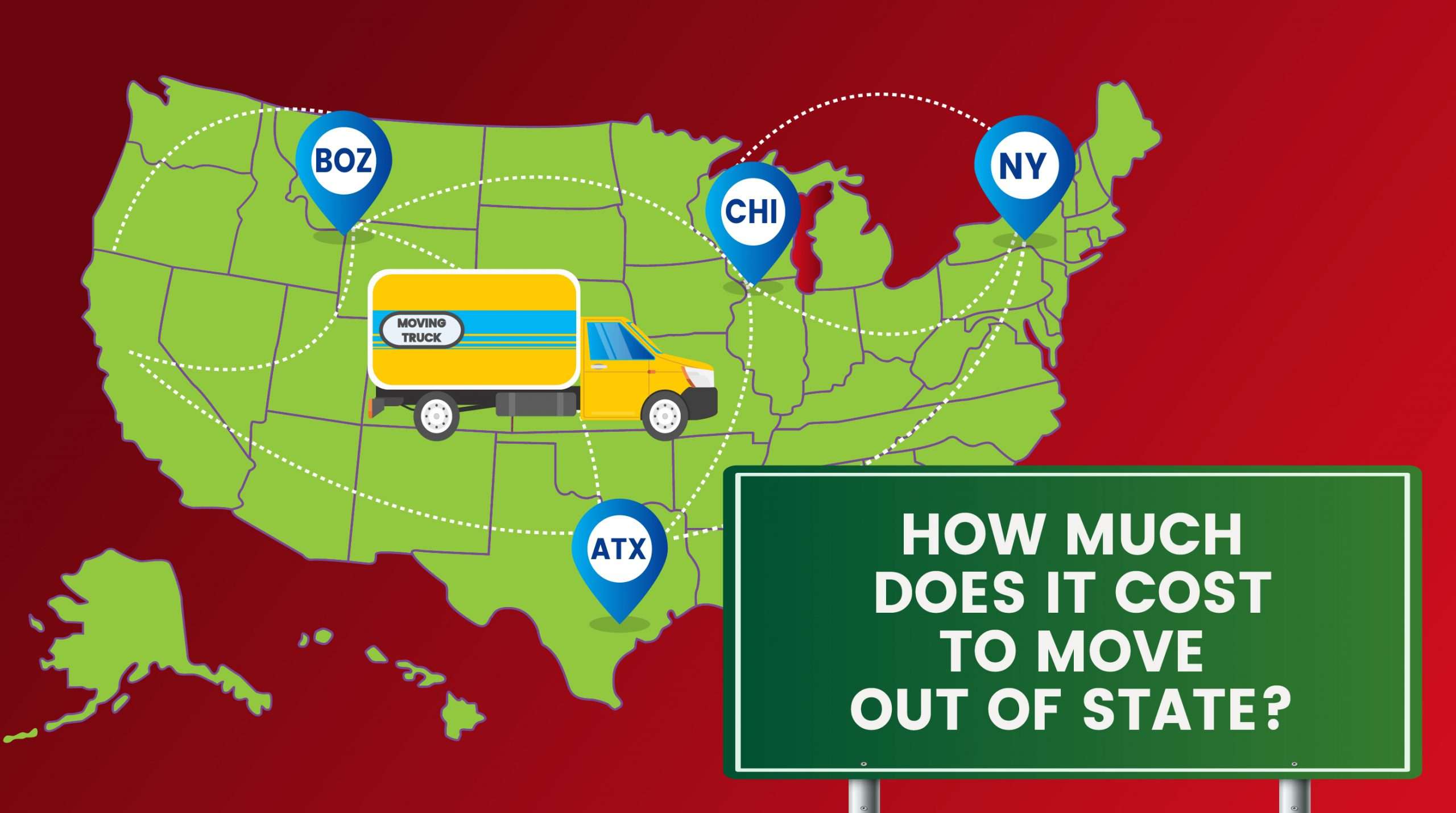

2. Choosing the Right Truck Rental Company
Selecting the right rental company is a critical step. It directly impacts the cost, convenience, and overall experience of your move. Here are some key factors to consider:
-
Reputation and Reviews: Check online reviews on sites like Google, Yelp, and the Better Business Bureau. Pay attention to recurring themes, both positive and negative. Are customers consistently complaining about hidden fees or unreliable trucks?
-
Pricing Transparency: The best rental companies are upfront about their pricing. Get a detailed quote that includes the base rental fee, mileage charges, insurance costs, and any other potential fees.
Pro tips from us: Be wary of companies that offer extremely low initial quotes. These quotes often exclude essential fees, leading to a higher final bill.
-
Truck Availability: Ensure the company has the truck size you need available on your desired moving dates. Booking in advance, especially during peak season, is highly recommended.
-
Insurance Options: Understand the insurance options offered by the rental company. Standard policies often have high deductibles. Consider purchasing supplemental insurance for added protection.
-
Drop-Off Locations: Confirm that the company has convenient drop-off locations in your destination city. Check the drop-off hours and any associated fees.
-
Mileage Policies: Understand the company's mileage policy. Some companies offer unlimited mileage for out-of-state moves, while others charge per mile. Calculate your estimated mileage to determine the most cost-effective option.
3. Understanding Truck Rental Costs and Fees
Truck rental costs can vary significantly depending on several factors. It's crucial to understand these factors to budget accurately and avoid surprises.
-
Base Rental Fee: This is the daily or weekly rate for renting the truck. It varies depending on the truck size, location, and time of year.
-
Mileage Charges: If the company charges per mile, the cost will depend on the distance you drive. This is a significant factor for out-of-state moves.
-
Insurance Costs: The cost of insurance depends on the type and level of coverage you choose. Standard policies are usually cheaper but offer less protection.
-
Fuel Costs: You're responsible for refueling the truck to the level specified in the rental agreement. Fuel costs can be substantial, especially for long-distance moves.
-
Taxes and Fees: Sales tax and other fees can add to the overall cost. Make sure the quote includes all applicable taxes and fees.
-
Additional Equipment: Dollies, furniture pads, and moving blankets are often available for rent. These can be helpful but add to the cost.
-
Late Fees: Returning the truck late can result in hefty late fees. Be sure to factor in potential delays when planning your return.
4. Insurance Options: Protecting Yourself and Your Belongings
Insurance is a critical aspect of renting a truck. It protects you financially in case of accidents, damage, or theft.
-
Liability Coverage: This covers damages you cause to other people or property in an accident. Most rental companies offer basic liability coverage.
-
Collision Damage Waiver (CDW): This covers damage to the rental truck itself, regardless of who is at fault. However, CDW typically has exclusions, such as damage caused by negligence.
-
Cargo Insurance: This protects your belongings in case of damage or theft during transit. Standard rental agreements usually don't cover your cargo, so consider purchasing additional coverage.
-
Personal Accident Insurance (PAI): This covers medical expenses for you and your passengers in case of an accident.
Common mistakes to avoid are declining all insurance coverage to save money. While it might seem tempting, the financial risks of being uninsured are significant. Carefully evaluate your needs and choose the coverage that provides adequate protection.
5. Packing and Loading the Truck: Maximizing Space and Minimizing Damage
Proper packing and loading are essential for protecting your belongings and maximizing space in the truck.
-
Use Quality Packing Materials: Invest in sturdy boxes, packing tape, bubble wrap, and packing peanuts. Don't skimp on packing materials; it's worth the extra cost to protect your valuables.
-
Pack Strategically: Pack heavier items in smaller boxes to prevent them from becoming too heavy to lift. Label each box clearly with its contents and destination room.
-
Disassemble Furniture: Disassemble furniture as much as possible to save space and make it easier to move. Keep all hardware in labeled bags and tape them to the furniture.
-
Protect Furniture: Wrap furniture in moving blankets or furniture pads to prevent scratches and dents. Secure the blankets with packing tape.
-
Load the Truck Properly: Load heavier items at the front of the truck to maintain balance. Distribute the weight evenly to prevent damage to the truck's suspension.
-
Secure Your Load: Use straps or ropes to secure your belongings to the truck's walls. This will prevent them from shifting during transit.
Based on my experience, the Tetris method works wonders. Fill every nook and cranny with smaller items to maximize space and prevent items from shifting.
6. Driving Tips for Long-Distance Truck Moves
Driving a large truck across state lines requires caution and planning.
-
Plan Your Route: Map out your route in advance, taking into account traffic conditions, weather forecasts, and rest stops.
-
Take Breaks: Driving a large truck can be tiring. Take frequent breaks to stretch your legs and avoid fatigue.
-
Drive Defensively: Be aware of your surroundings and drive defensively. Maintain a safe following distance and avoid sudden maneuvers.
-
Obey Traffic Laws: Follow all traffic laws, including speed limits and weight restrictions.
-
Be Aware of the Truck's Size: Remember that you're driving a large vehicle. Be careful when making turns and parking.
-
Check the Truck Regularly: Stop periodically to check the tires, lights, and fluid levels.
7. Returning the Truck: Avoiding Extra Charges
Returning the truck properly is crucial to avoid unnecessary charges.
-
Refuel the Truck: Refuel the truck to the level specified in the rental agreement. Keep the fuel receipt as proof.
-
Clean the Truck: Sweep out the cargo area and remove any trash.
-
Return on Time: Return the truck on time to avoid late fees.
-
Inspect the Truck: Walk around the truck with a rental company representative to inspect it for any new damage.
-
Get a Receipt: Obtain a receipt from the rental company confirming the return of the truck.
8. Alternative Moving Options to Consider
While renting a truck is a popular choice, it's not the only option for an out-of-state move. Here are a few alternatives:
-
Hiring a Full-Service Moving Company: This is the most convenient option, but also the most expensive. Moving companies handle everything from packing to transportation.
-
Using a Portable Moving Container: Companies like PODS deliver a container to your home, you load it, and they transport it to your destination.
-
Shipping Your Belongings: You can ship your belongings using a freight company. This is a good option for smaller moves.
-
A Combination of Methods: Consider using a combination of methods. For example, ship some items and rent a smaller truck for the rest.
Conclusion
Renting a truck to move out of state can be a cost-effective and empowering way to relocate, provided you plan carefully and execute efficiently. By following the steps outlined in this guide, you can navigate the complexities of truck rentals, minimize stress, and ensure a smooth transition to your new home. Remember to research thoroughly, compare quotes, understand the terms and conditions, and prioritize safety throughout the process. A well-planned move is a successful move.
[External Link to a trusted moving resource: https://www.move.org/]
[Internal Link to another relevant blog post on moving: [Insert Link Here if available]]
Good luck with your out-of-state move!