Penske 26-Foot Truck Height Clearance: A Comprehensive Guide for Safe Moving
Moving can be a stressful experience. Planning the logistics is often the most challenging part. One of the most important factors to consider when renting a moving truck, especially a large one like a Penske 26-foot truck, is its height clearance. Knowing the exact height is crucial for avoiding costly damages and ensuring a smooth move. This guide provides everything you need to know about the height clearance of a Penske 26-foot truck, along with practical tips for safe navigation.
Penske 26 Foot Truck Height Clearance
Why Height Clearance Matters: Avoiding Costly Mistakes
Understanding the height clearance of your Penske 26-foot truck is not just a matter of convenience. It's about preventing serious damage to the truck, infrastructure, and potentially, personal injury.
- Bridge and Overpass Collisions: Bridges and overpasses have posted height restrictions. Exceeding these limits can lead to a collision. This can cause significant damage to the truck, the bridge, and any other vehicles involved.
- Low-Hanging Obstacles: Tree branches, power lines, and awnings can all pose a threat. These seemingly minor obstacles can cause scratches, dents, or even more severe damage to the truck's roof.
- Parking Garages and Drive-Thrus: Many parking garages and drive-thrus have height restrictions that a 26-foot truck will exceed. Attempting to enter these areas can result in getting the truck stuck or damaging the structure.
- Legal and Financial Repercussions: Collisions due to exceeding height restrictions can result in fines, legal liabilities, and increased insurance premiums.
What is the Height of a Penske 26-Foot Truck? The Official Specs
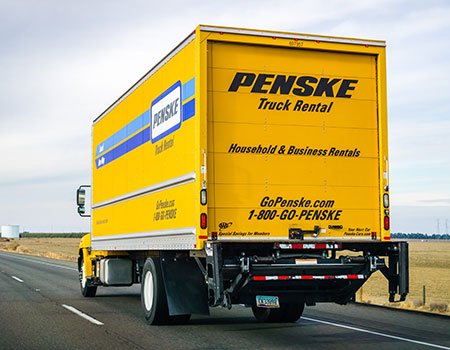
The approximate height of a Penske 26-foot truck is 13 feet 6 inches (162 inches). However, it's crucial to verify the exact height of the specific truck you are renting.
- Always Verify: While 13 feet 6 inches is a general guideline, slight variations can occur due to different truck models, modifications, or even tire pressure.
- Check the Rental Agreement: Your Penske rental agreement should specify the exact height of the truck you are renting. Look for this information in the vehicle details section.
- Ask a Penske Representative: When you pick up the truck, don't hesitate to ask a Penske representative to confirm the height. They can provide you with the most accurate information.
- Measure if Possible: If you have any doubts, consider using a measuring tape or laser distance measurer to double-check the height yourself. Measure from the ground to the highest point of the truck, including any antennas or protrusions.

Factors That Can Affect the Height Clearance
Several factors can influence the actual height clearance of your Penske 26-foot truck. Being aware of these factors can help you make more informed decisions and avoid potential problems.
- Load Weight: The weight of your cargo can compress the suspension system. This will slightly reduce the overall height of the truck. A heavily loaded truck will have a lower clearance than an empty one.
- Tire Pressure: Tire pressure affects the truck's height. Underinflated tires will lower the truck. Overinflated tires will raise it slightly. Always ensure your tires are properly inflated to the recommended pressure.
- Modifications: Any modifications to the truck, such as aftermarket racks or equipment, can alter the height. Be sure to account for any such modifications when calculating clearance.
- Road Conditions: Uneven road surfaces can temporarily affect the truck's height. Be especially cautious when driving on bumpy or unpaved roads.
Pro Tips for Safe Navigation with a Penske 26-Foot Truck
Navigating a large truck requires careful planning and attention to detail. Here are some pro tips to help you navigate safely and avoid height-related incidents.
- Plan Your Route in Advance: Before you start driving, carefully plan your route. Use a GPS navigation system designed for trucks. These systems allow you to input the truck's height and weight. This ensures that the route avoids low bridges and other restrictions.
- Scout the Route (If Possible): If possible, drive the route in your personal vehicle beforehand to identify any potential hazards. This allows you to anticipate low-clearance areas and plan alternative routes.
- Pay Attention to Warning Signs: Always pay close attention to warning signs indicating height restrictions. These signs are usually posted well in advance of the restricted area.
- Use a Spotter: When navigating tight spaces, such as parking lots or loading docks, use a spotter to guide you. The spotter can alert you to any potential obstacles that you might not see from the driver's seat.
- Maintain a Safe Following Distance: Keep a safe following distance from other vehicles. This gives you more time to react to sudden changes in traffic or road conditions.
- Drive Slowly: Drive slowly, especially in unfamiliar areas. This gives you more time to assess the situation and react to any potential hazards.
- Be Aware of Overhanging Obstacles: Be mindful of overhanging tree branches, power lines, and awnings. These can be difficult to see, especially in low-light conditions.
- When in Doubt, Stop and Check: If you are unsure about the height clearance of an area, stop the truck and get out to check. It's always better to be safe than sorry.
Common Mistakes to Avoid
- Relying Solely on GPS: While GPS navigation systems can be helpful, they are not always accurate. Always double-check the route against physical road signs.
- Ignoring Warning Signs: Ignoring warning signs is a common mistake that can have serious consequences. Always pay attention to signs indicating height restrictions, weight limits, and other important information.
- Assuming All Roads Are Truck-Friendly: Not all roads are suitable for large trucks. Avoid narrow roads, residential streets, and other areas that may be difficult to navigate.
- Driving Under the Influence: Driving under the influence of alcohol or drugs impairs your judgment and reaction time. This significantly increases the risk of an accident.
- Driving While Fatigued: Driving while fatigued can also impair your judgment and reaction time. Get enough sleep before your trip and take breaks as needed.
- Failing to Secure Your Load: An unsecured load can shift during transit, affecting the truck's stability and potentially causing an accident. Always properly secure your load before you start driving.
What to Do If You Hit Something
Despite your best efforts, accidents can happen. If you hit something with your Penske 26-foot truck, it's important to take the following steps:
- Stop Immediately: Stop the truck as soon as it is safe to do so.
- Assess the Damage: Assess the damage to the truck and the other object involved.
- Contact the Authorities: If the accident involves another vehicle or causes significant damage, contact the police.
- Contact Penske: Contact Penske to report the incident. They will provide you with instructions on how to proceed.
- Document the Incident: Take photos of the damage and gather information from any witnesses.
- File a Claim: File a claim with your insurance company.
Understanding Penske's Insurance Coverage
Penske offers various insurance options to cover potential damages or liabilities during your rental period.
- Limited Damage Waiver (LDW): This covers damage to the Penske truck itself, subject to certain exclusions and deductibles.
- Supplemental Liability Insurance (SLI): This provides additional liability coverage in case you are responsible for damages or injuries to third parties.
- Cargo Insurance: This covers damage or loss to your belongings during transit.
It's essential to carefully review the terms and conditions of each insurance option to understand the coverage and any exclusions.
Alternatives to a 26-Foot Truck
If you're concerned about the size and height of a 26-foot truck, consider alternative moving options:
- Smaller Penske Trucks: Penske offers a range of smaller trucks with lower height clearances.
- Moving Containers: Companies like PODS or U-Pack deliver a container to your location. You load it, and they transport it to your destination.
- Professional Movers: Hiring professional movers can eliminate the need for you to drive a large truck altogether.
The Importance of Pre-Trip Inspection
Before hitting the road with your Penske 26-foot truck, conducting a thorough pre-trip inspection is crucial. This will help identify any potential issues and ensure the truck is safe to operate.
- Tires: Check the tire pressure, tread depth, and overall condition.
- Lights: Ensure all lights are working properly, including headlights, taillights, brake lights, and turn signals.
- Mirrors: Adjust the mirrors for optimal visibility.
- Brakes: Test the brakes to ensure they are functioning correctly.
- Fluid Levels: Check the fluid levels, including oil, coolant, and brake fluid.
- Cargo Securement: Verify that your cargo is properly secured.
Real-World Examples and Case Studies
Stories abound of renters who underestimated the height of their moving trucks and suffered the consequences. A quick search online will reveal countless examples of trucks stuck under bridges, scraping overpasses, or damaging property. These incidents highlight the importance of being proactive and taking the necessary precautions.
Based on my experience, many renters overestimate their ability to navigate a large truck in unfamiliar areas. The stress of moving, combined with the challenges of driving a large vehicle, can lead to mistakes. That's why planning and preparation are so critical.
Conclusion: Height Clearance is Key to a Successful Move
Understanding and respecting the height clearance of your Penske 26-foot truck is paramount for a safe and successful move. Always verify the exact height of your truck, plan your route carefully, pay attention to warning signs, and drive cautiously. By following these tips, you can avoid costly damages, prevent accidents, and ensure a smooth and stress-free moving experience. Don't let a simple oversight ruin your moving day. Preparation and awareness are your best tools.
By taking the time to understand the height clearance and plan accordingly, you can significantly reduce the risk of accidents and ensure a smoother, more enjoyable moving experience. Remember, safety should always be your top priority.
External Link: For more information on safe driving practices for large vehicles, visit the Federal Motor Carrier Safety Administration (FMCSA) website: https://www.fmcsa.dot.gov/