Let's get started!
Jeep Wrangler Wheel Offset: The Ultimate Guide
Jeep Wrangler Wheel Offset
The Jeep Wrangler is an icon. It's synonymous with adventure, ruggedness, and unparalleled off-road capability. But to truly unleash its potential, understanding the nuances of wheel offset is essential. This guide will provide you with the knowledge to choose the right wheel offset for your Wrangler, ensuring optimal performance, safety, and aesthetics.
What is Wheel Offset?
Wheel offset is the distance between the wheel's mounting surface and its centerline. Imagine slicing your wheel in half; the offset is the measurement from where the wheel bolts to the hub to that center point. This measurement is typically expressed in millimeters (mm) and can be positive, negative, or zero.
- Positive Offset: The mounting surface is closer to the outside of the wheel. This is common in many factory wheels.
- Zero Offset: The mounting surface is exactly in line with the wheel's centerline.
- Negative Offset: The mounting surface is closer to the inside of the wheel. This pushes the wheel further out from the vehicle.

Understanding these definitions is the first step to mastering wheel offset.
Why Does Wheel Offset Matter for Your Jeep Wrangler?
Wheel offset isn't just a technical specification; it has a direct impact on several aspects of your Wrangler:
- Tire Clearance: The right offset ensures your tires don't rub against the suspension components, fenders, or frame, especially when turning or articulating off-road.
- Handling and Stability: Offset affects the vehicle's track width (the distance between the wheels on an axle). A wider track can improve stability, particularly when cornering or navigating uneven terrain.
- Bearing Load: Incorrect offset can place undue stress on wheel bearings, potentially leading to premature wear and failure.
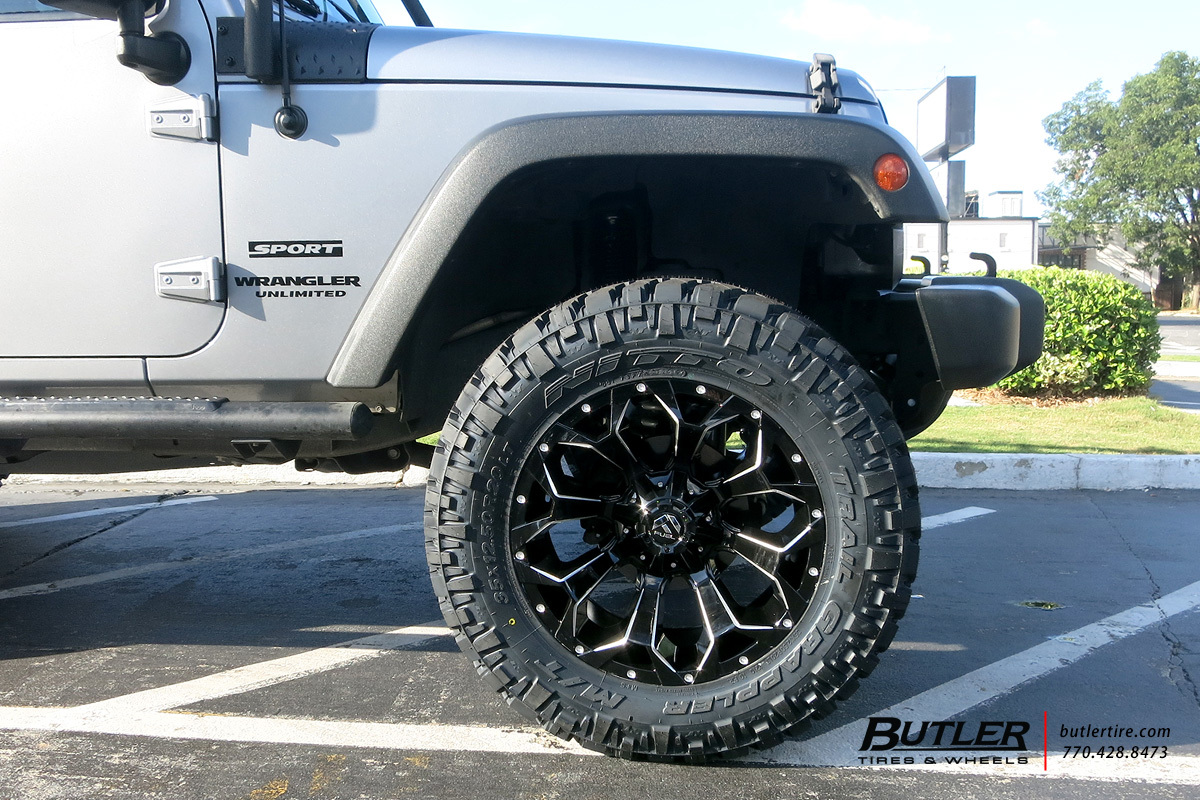
- Aesthetics: Let's be honest, wheel offset plays a huge role in the overall look of your Jeep. A more aggressive offset can give your Wrangler a wider, more imposing stance.
- Brake Caliper Clearance: Particularly important when upgrading to larger or aftermarket brake systems. Incorrect offset can prevent the wheel from properly clearing the calipers.
Understanding Jeep Wrangler Factory Wheel Offset
Before you start modifying your Wrangler, it's crucial to know the factory wheel offset. This provides a baseline for comparison and helps you understand the potential consequences of changing the offset.
Generally, Jeep Wrangler JK (2007-2018) and JL (2018-present) models have factory wheel offsets ranging from +44mm to +55mm. This can vary slightly depending on the specific wheel style and model year. Always double-check your vehicle's specifications or consult with a trusted tire and wheel specialist.
- Pro Tip: Check the sticker on your driver's side door jamb. It often contains information about the factory wheel and tire specifications, including the wheel size.
Choosing the Right Wheel Offset for Your Jeep Wrangler: Key Considerations
Selecting the correct wheel offset is a balancing act. Here's a breakdown of the factors you need to consider:
-
Tire Size: This is arguably the most important factor. Larger tires require more clearance, and adjusting the offset can help achieve this. If you're planning to run oversized tires, a negative offset is often necessary to prevent rubbing.
-
Lift Kit: A lift kit raises the vehicle, but it doesn't necessarily solve tire clearance issues. You may still need to adjust the offset to accommodate larger tires, even with a lift.
-
Suspension Modifications: Aftermarket suspension components can sometimes alter the available space for wheels and tires. Consider any changes you've made to the suspension when selecting your offset.
-
Fender Flares: Wider fender flares can provide additional tire coverage, allowing you to run a more aggressive offset without violating local laws or spraying debris on other vehicles.
-
Intended Use: Are you primarily driving on the street, or do you spend a lot of time off-road? Off-road driving often requires more clearance and articulation, which may necessitate a different offset than a street-driven Jeep.
-
Desired Stance: This is where personal preference comes into play. Do you want your tires to stick out beyond the fenders for a wider, more aggressive look? Or do you prefer a more tucked-in appearance?
Positive vs. Negative Offset: Pros and Cons
Let's delve deeper into the advantages and disadvantages of each type of offset:
- Positive Offset:
- Pros:
- Maintains factory handling characteristics.
- Reduces stress on wheel bearings.
- Typically provides better tire coverage under the fenders.
- Cons:
- May limit tire size options.
- Less aggressive appearance.
- Can reduce clearance for larger brake calipers.
- Pros:
- Negative Offset:
- Pros:
- Allows for larger tires.
- Provides a wider, more aggressive stance.
- Increases track width, potentially improving stability.
- Cons:
- Can increase stress on wheel bearings.
- May cause tires to extend beyond the fenders, requiring wider flares.
- Can alter handling characteristics.
- Pros:
Calculating Wheel Offset Changes
Understanding how changes in wheel offset affect tire position is crucial. Let's say you're switching from a wheel with a +50mm offset to one with a 0mm offset. This means the wheel will be pushed out 50mm (approximately 2 inches) further than the original wheel.
- Pro Tip: Use online wheel offset calculators to visualize the changes and compare different offset options. These tools can help you avoid costly mistakes.
Common Mistakes to Avoid
Choosing the wrong wheel offset can lead to a host of problems. Here are some common mistakes to avoid:
- Not Considering Tire Size: This is the biggest mistake. Always determine your desired tire size before selecting an offset.
- Ignoring Suspension Modifications: Don't forget to factor in any changes you've made to your suspension.
- Overlooking Brake Caliper Clearance: Ensure the new wheels will clear your brake calipers, especially if you have upgraded brakes.
- Failing to Test Fit: Whenever possible, test fit the wheels before purchasing them. This allows you to check for clearance issues and ensure you're happy with the appearance.
- Relying Solely on Online Information: While online resources are helpful, consult with a qualified tire and wheel specialist for personalized advice.
Tools and Resources
Here are some helpful tools and resources to aid you in your wheel offset journey:
- Wheel Offset Calculators: Online tools that allow you to compare different wheel offsets and visualize the changes.
- Tire Size Calculators: Determine the overall diameter and width of different tire sizes.
- Online Forums: Jeep forums are a wealth of information, with experienced owners sharing their knowledge and experiences.
- Local Tire and Wheel Specialists: Professionals who can provide personalized advice and installation services.
The Importance of Professional Installation
While some Jeep owners are comfortable installing wheels themselves, professional installation is often recommended, especially when dealing with significant offset changes. A professional can ensure the wheels are properly balanced, torqued, and aligned, minimizing the risk of vibrations, premature wear, and safety issues.
Legal Considerations
Before making any modifications to your Jeep, be aware of local laws and regulations regarding tire coverage and wheel offset. Many jurisdictions have restrictions on how far tires can extend beyond the fenders. Violating these laws can result in fines or vehicle inspections.
- Pro Tip: Check your local DMV website or consult with a law enforcement agency to learn about the specific regulations in your area.
Wheel Spacers vs. Offset Wheels
Wheel spacers are an alternative to offset wheels. They essentially push the wheels further out from the hub. While wheel spacers can be a cheaper option, they're not always the best choice. High-quality wheel spacers can be safe, but low-quality spacers can be prone to failure.
- Based on my experience… I generally recommend choosing wheels with the correct offset rather than relying on wheel spacers, especially for serious off-road use. It's simply a more reliable and robust solution.
Real-World Examples
Let's look at a few real-world examples to illustrate how wheel offset affects Jeep Wrangler performance and appearance:
- Example 1: Running 35-inch tires on a JK Wrangler: To prevent rubbing, many owners opt for wheels with a -12mm to -24mm offset. This pushes the tires out, providing the necessary clearance.
- Example 2: Maintaining a factory look on a JL Wrangler: If you want to keep the tires tucked under the fenders, stick with wheels that have a positive offset similar to the factory specifications (around +44mm to +55mm).
- Example 3: Aggressive off-road build on a TJ Wrangler: For maximum articulation and tire clearance, a negative offset of -30mm or more may be necessary.
Conclusion: Making the Right Choice for Your Jeep
Choosing the right wheel offset for your Jeep Wrangler is a critical decision that impacts performance, safety, and aesthetics. By understanding the principles of wheel offset, considering your specific needs and goals, and consulting with professionals, you can make an informed choice that enhances your Jeep's capabilities and appearance. Don't rush the process, do your research, and always prioritize safety and performance.
Ultimately, the best wheel offset is the one that best suits your Jeep and your driving style. Happy trails!
Further Reading:
For more information on Jeep Wrangler modifications, check out this article on [choosing the right lift kit](link to internal article about lift kits if available). You can also learn more about wheel terminology from this external resource: Tire Rack - Wheel Tech Info.
This comprehensive guide should provide a solid foundation for understanding Jeep Wrangler wheel offset. Remember to prioritize safety, do your research, and consult with professionals to ensure you make the right choice for your rig. Good luck!