Jeep Rims and Tire Packages: The Ultimate Guide to Upgrading Your Ride
Choosing the right rims and tires for your Jeep is a crucial decision that impacts both its performance and aesthetics. It's more than just bolting on some new wheels; it's about optimizing your Jeep for your specific needs, whether you're tackling rugged trails, cruising city streets, or a combination of both. This comprehensive guide dives deep into everything you need to know about Jeep rims and tire packages, ensuring you make an informed decision that enhances your driving experience.
Jeep Rims And Tire Packages
Why Upgrade Your Jeep's Rims and Tires?
Upgrading your Jeep's rims and tires offers a multitude of benefits that extend beyond just appearance. Let's explore the key reasons why you might consider this upgrade:
-
Enhanced Performance: Different tire types excel in different terrains. Off-road tires provide superior grip and traction on loose surfaces, while all-season tires offer a balance of on-road comfort and light off-road capability.
-
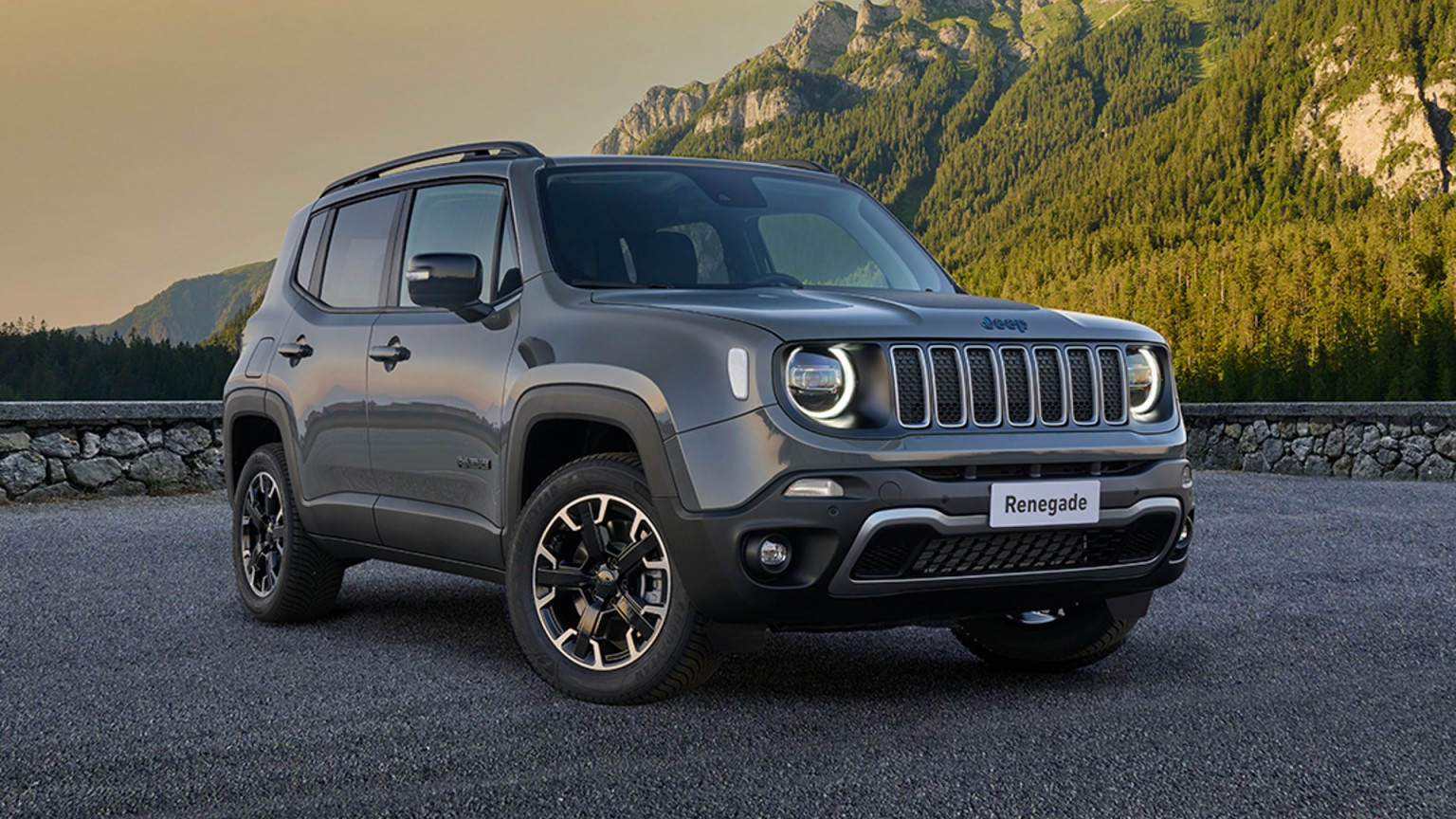
Improved Aesthetics: New rims and tires can dramatically transform the look of your Jeep, giving it a more aggressive, stylish, or personalized appearance.
-
Increased Ground Clearance: Larger tires increase ground clearance, allowing you to navigate obstacles and rough terrain with greater ease. This is particularly beneficial for off-roading enthusiasts.
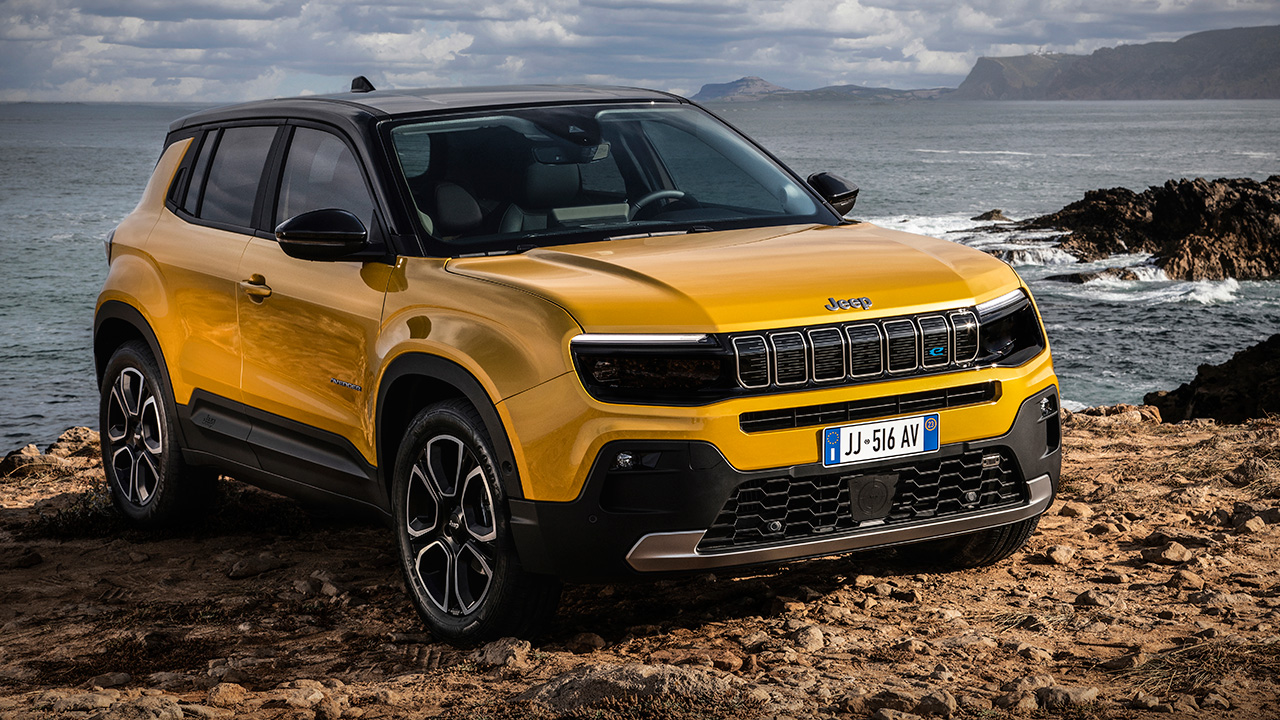
Better Ride Quality: Depending on the tire and rim combination, you might experience a smoother, more comfortable ride, especially on rough roads. Properly selected tires can absorb bumps and vibrations more effectively.
-
Enhanced Safety: Upgrading to tires with better tread patterns and construction can improve braking performance and handling, enhancing your safety on and off the road.

Understanding Jeep Rims: A Deep Dive
Jeep rims, also known as wheels, are not just about looks; they play a vital role in your Jeep's performance and safety. Understanding the different aspects of rims is essential for making the right choice.
-
Rim Size (Diameter and Width): The rim size is typically expressed in inches, such as 17x9, where 17 is the diameter and 9 is the width. The diameter must match the tire size, and the width affects the tire's profile and handling.
-
Bolt Pattern: The bolt pattern refers to the number and spacing of the lug nuts that secure the rim to the hub. It's crucial to choose rims with the correct bolt pattern for your Jeep model. Common Jeep bolt patterns include 5x4.5, 5x5, and 5x5.5.
-
Offset: Offset is the distance between the rim's mounting surface and its centerline. A positive offset moves the wheel inward, while a negative offset moves it outward. Offset affects the wheel's position within the wheel well and can impact steering and suspension geometry.
-
Backspacing: Backspacing is the distance from the rim's mounting surface to its inner edge. It's closely related to offset and also affects the wheel's position within the wheel well.
-
Rim Material (Steel vs. Aluminum Alloy): Steel rims are generally more durable and affordable, making them a good choice for heavy off-roading. Aluminum alloy rims are lighter, which can improve fuel efficiency and handling, and they often come in more stylish designs.
-
Load Rating: The load rating indicates the maximum weight each rim can safely support. It's crucial to choose rims with a load rating that meets or exceeds your Jeep's requirements.
Pro tips from us: Always consult your Jeep's owner's manual or a trusted tire professional to determine the correct rim size, bolt pattern, offset, and load rating for your specific model.
Tire Types: Choosing the Right Tread for Your Needs
Choosing the right tires is just as important as choosing the right rims. Different tire types are designed for different terrains and driving conditions.
-
All-Season Tires: All-season tires are designed for year-round use in a variety of conditions, offering a balance of on-road comfort, wet traction, and light snow performance.
-
All-Terrain Tires: All-terrain tires provide a good balance of on-road and off-road performance. They feature aggressive tread patterns that offer good traction on dirt, gravel, and rocks, while still providing acceptable on-road handling and noise levels.
-
Mud Tires: Mud tires are designed for extreme off-road conditions, with aggressive tread patterns and large voids that provide maximum traction in mud, sand, and loose soil. They typically have higher noise levels and shorter tread life than other tire types.
-
Rock Crawling Tires: Rock crawling tires are specifically designed for navigating rocky terrain, with reinforced sidewalls and aggressive tread patterns that provide exceptional grip and durability.
-
Winter/Snow Tires: Winter tires are designed for optimal performance in cold weather and snowy conditions. They feature special rubber compounds and tread patterns that provide superior traction on ice and snow.
Common mistakes to avoid are: Don't choose tires based solely on appearance. Consider your driving habits, the types of terrain you'll be driving on, and the weather conditions in your area.
Jeep Rims and Tire Packages: Making the Perfect Match
Purchasing rims and tires as a package offers several advantages, including convenience, cost savings, and guaranteed fitment.
-
Convenience: Packages simplify the selection process by offering pre-matched rims and tires that are guaranteed to fit your Jeep.
-
Cost Savings: Packages often offer discounted pricing compared to purchasing rims and tires separately.
-
Guaranteed Fitment: Packages ensure that the rims and tires are compatible with each other and with your Jeep model, eliminating the risk of fitment issues.
-
Professional Mounting and Balancing: Many retailers offer professional mounting and balancing services when you purchase a rim and tire package, ensuring proper installation and optimal performance.
Considerations When Choosing a Package:
-
Jeep Model and Year: Ensure that the package is specifically designed for your Jeep model and year.
-
Desired Tire Size: Determine the desired tire size based on your Jeep's lift kit (if any) and your off-roading needs.
-
Rim Style and Finish: Choose a rim style and finish that complements your Jeep's appearance and your personal preferences.
-
Tire Type and Tread Pattern: Select a tire type and tread pattern that matches your driving habits and the types of terrain you'll be driving on.
-
Load Rating: Verify that the rims and tires have a load rating that meets or exceeds your Jeep's requirements.
Installation: DIY or Professional?
Installing rims and tires can be done at home with the right tools and knowledge. However, professional installation is recommended for several reasons.
-
Proper Mounting and Balancing: Professional installers have the equipment and expertise to properly mount and balance your tires, ensuring optimal performance and preventing vibrations.
-
Torque Specifications: Professionals know the correct torque specifications for your lug nuts, preventing over-tightening or under-tightening, which can damage the rims or cause the wheels to come loose.
-
Safety: Improper installation can lead to serious safety issues, such as wheel failure or loss of control.
Based on my experience... If you're not comfortable working on your vehicle or don't have the necessary tools, it's always best to have your rims and tires installed by a qualified professional.
Maintaining Your Jeep Rims and Tires
Proper maintenance is essential for extending the life of your Jeep's rims and tires and ensuring optimal performance.
-
Regular Cleaning: Clean your rims and tires regularly with soap and water to remove dirt, brake dust, and other contaminants.
-
Tire Pressure Monitoring: Check your tire pressure regularly and inflate your tires to the recommended pressure (found on the sticker inside your driver's side door or in your owner's manual).
-
Tire Rotation: Rotate your tires every 5,000-7,000 miles to ensure even wear.
-
Wheel Alignment: Have your wheels aligned periodically to prevent uneven tire wear and maintain proper handling.
-
Inspect for Damage: Regularly inspect your rims and tires for signs of damage, such as cracks, bulges, or cuts.
Where to Buy Jeep Rims and Tire Packages
You can purchase Jeep rims and tire packages from a variety of sources, including:
-
Local Tire Shops: Local tire shops offer a wide selection of rims and tires and can provide expert advice and installation services.
-
Online Retailers: Online retailers offer a convenient way to shop for rims and tires from the comfort of your home.
-
Jeep Dealerships: Jeep dealerships offer OEM rims and tires that are specifically designed for your Jeep model.
-
Off-Road Specialty Shops: Off-road specialty shops cater to the off-roading community and offer a wide selection of rims and tires for Jeeps and other off-road vehicles.
Cost Considerations
The cost of Jeep rims and tire packages can vary widely depending on the rim material, tire type, size, and brand. Expect to pay anywhere from \$500 to \$3000 or more for a complete set of rims and tires.
Conclusion: Elevate Your Jeep Experience
Upgrading your Jeep's rims and tires is a worthwhile investment that can enhance its performance, aesthetics, and overall driving experience. By understanding the different aspects of rims and tires, choosing the right package for your needs, and maintaining them properly, you can ensure that your Jeep looks and performs its best, both on and off the road. Here's a helpful guide to tire sizing.
Remember to prioritize safety, consult with professionals when needed, and enjoy the journey of transforming your Jeep into the ultimate adventure machine.