How Much For a U-Haul Car Trailer: A Comprehensive Guide to Pricing and Saving Money
Moving a car can be a stressful and expensive endeavor. Luckily, U-Haul offers a convenient and often cost-effective solution with their car trailers. But before you hitch up and hit the road, it's crucial to understand how much a U-Haul car trailer actually costs. This guide will break down all the factors involved, help you estimate your expenses, and share insider tips for saving money on your car transport.
How Much For U Haul Car Trailer
Understanding the Basics of U-Haul Car Trailer Rentals
U-Haul offers two primary types of car trailers:
-
Auto Transport: This is a flatbed trailer designed to carry most cars, SUVs, and small trucks. The vehicle is secured with straps over the tires.
-
Tow Dolly: This option is more suitable for front-wheel-drive vehicles. The front wheels of the towed vehicle are placed on the dolly, while the rear wheels remain on the road.
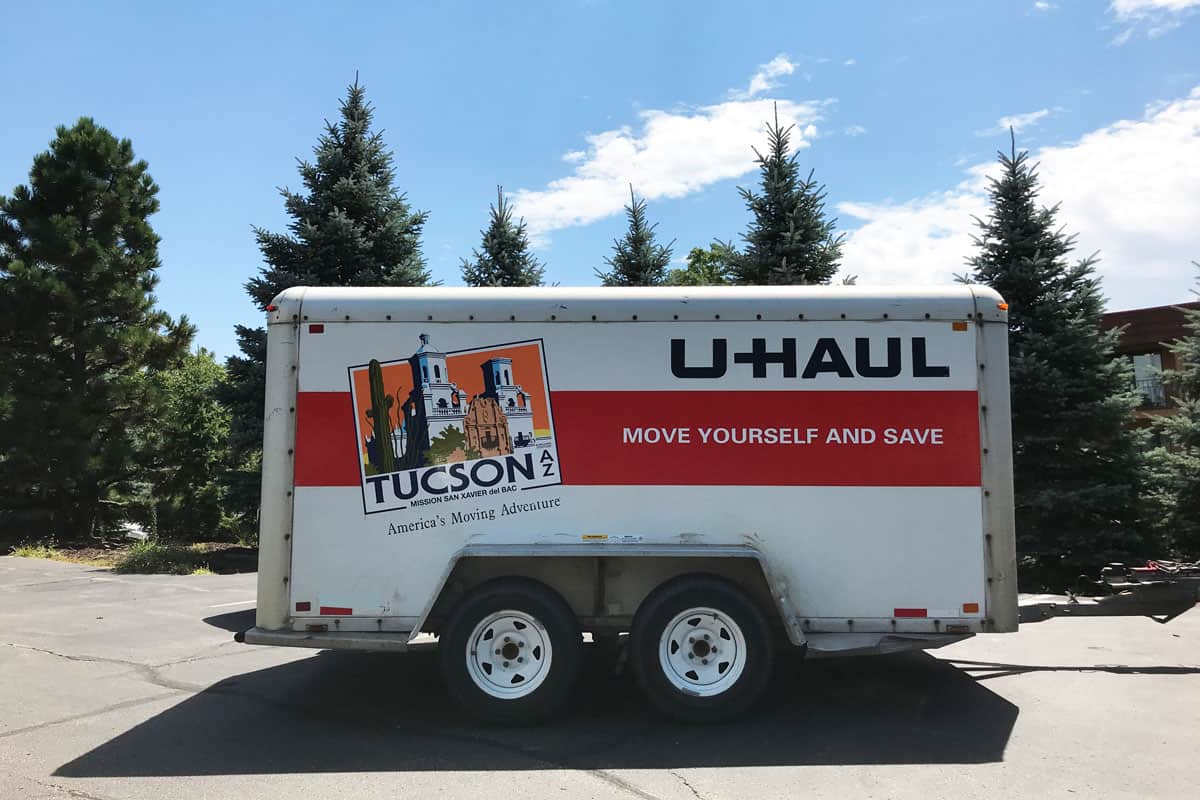
The type of trailer you need will depend on the vehicle you're transporting and the towing capacity of your vehicle. It's essential to verify compatibility on the U-Haul website or by contacting a U-Haul representative.
Key Factors Influencing U-Haul Car Trailer Costs
Several factors contribute to the final cost of renting a U-Haul car trailer. Understanding these variables is the first step in accurately estimating your expenses.
-
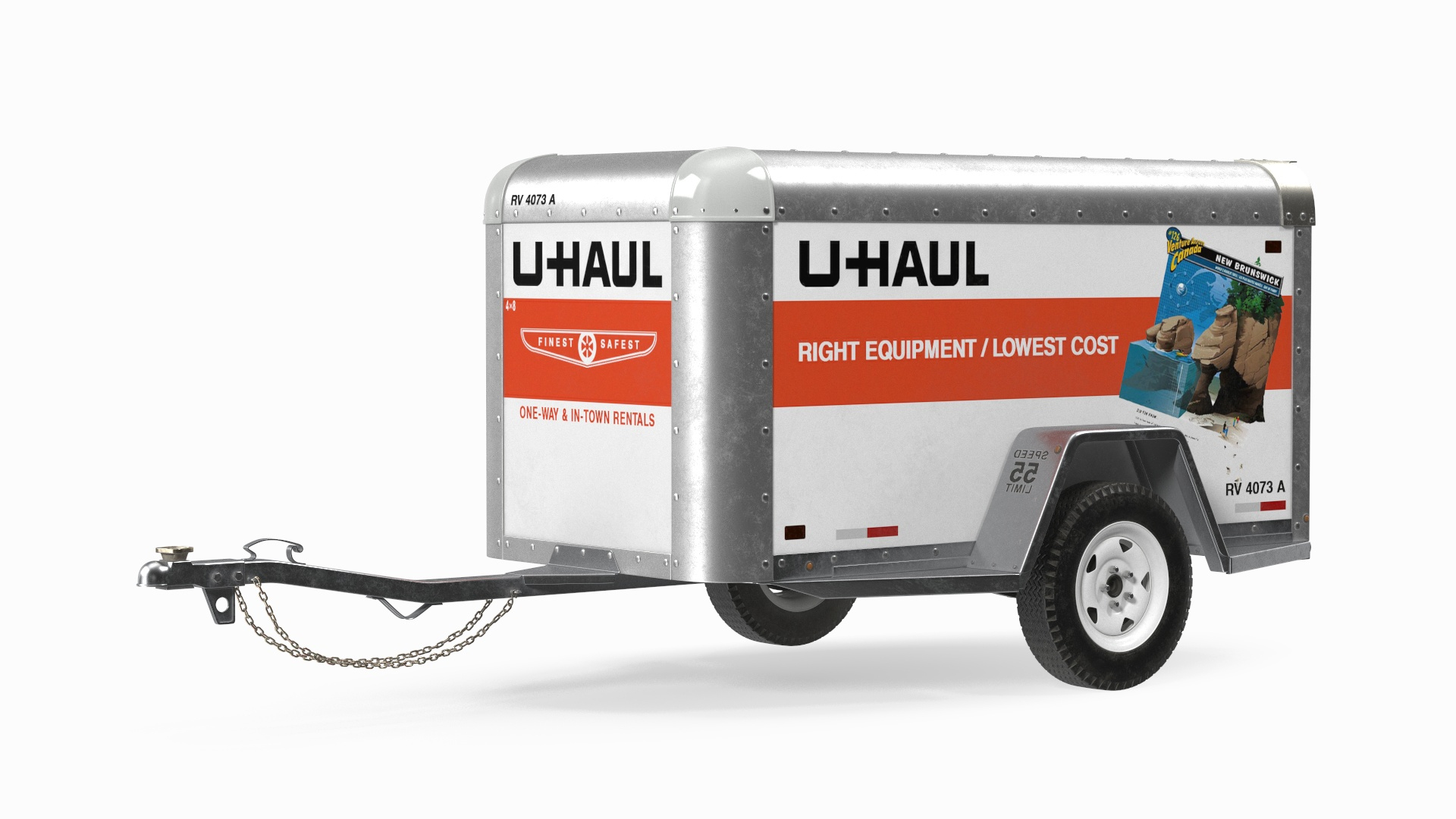
Distance: The most significant factor is the distance you'll be towing the trailer. U-Haul typically charges a per-mile fee for long-distance moves. Local moves might have a flat daily rate with a limited mileage allowance.
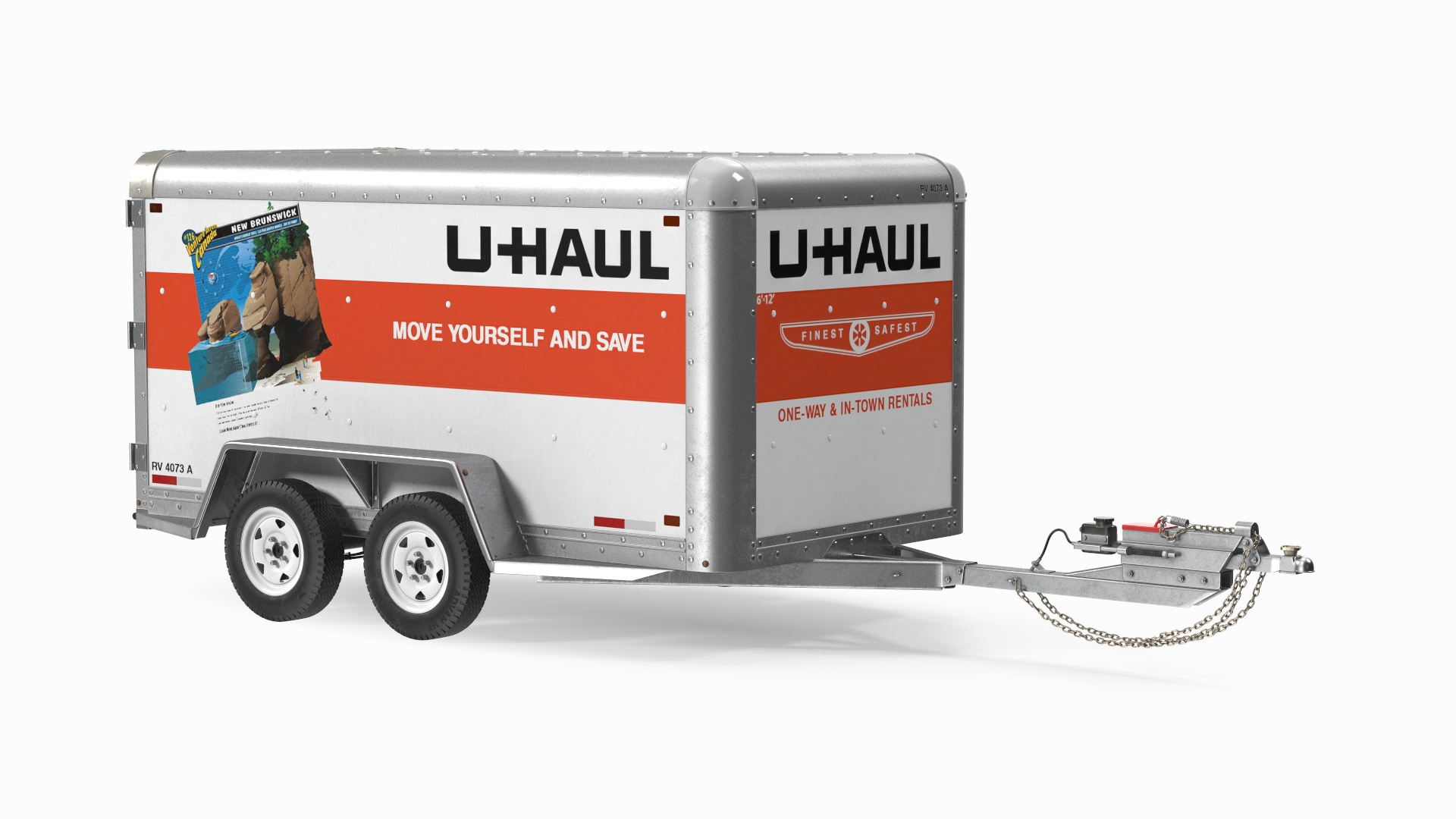
Rental Duration: The length of time you need the trailer will directly impact the price. Daily rates are common for local moves, while long-distance moves usually have a set rental period. Exceeding the agreed-upon rental duration will result in additional charges.
-
Trailer Type: Auto transports are generally more expensive than tow dollies due to their larger size and ability to carry a wider range of vehicles.
-
Location: Rental rates can vary depending on the location of the pickup and drop-off locations. Demand and availability in a specific area can influence pricing.
-
Time of Year: Like many rental services, U-Haul prices can fluctuate based on the time of year. Peak moving seasons, such as summer and the end of the month, often see higher rates.
-
Insurance: U-Haul offers optional insurance coverage to protect against damage to the trailer and the towed vehicle. While optional, it's highly recommended, especially for long-distance moves. The cost of insurance will add to your total expense.
-
Taxes and Fees: Don't forget to factor in applicable taxes and any additional fees, such as environmental fees or convenience charges. These can vary depending on your location.
Estimating the Cost: A Practical Approach
While getting an exact quote requires contacting U-Haul directly or using their online quote tool, here's a practical approach to estimating your costs:
-
Determine the Distance: Use online mapping tools to accurately calculate the total distance of your move.
-
Choose the Right Trailer: Determine whether you need an auto transport or a tow dolly based on your vehicle and towing capacity.
-
Check U-Haul's Website: Visit the U-Haul website and enter your pickup and drop-off locations, along with the dates you need the trailer. This will give you a preliminary quote.
-
Factor in Insurance: Add the cost of optional insurance coverage to your estimate. U-Haul offers different levels of coverage, so choose the one that best suits your needs.
-
Consider Additional Fees: Account for potential taxes and fees, which can vary by location.
Example Scenario:
Let's say you're moving a car 500 miles and need an auto transport trailer for three days. A quick search on U-Haul's website might give you a base rate of $300. Adding insurance could cost an additional $50, and taxes and fees might be around $30. This brings your estimated total to $380. Remember, this is just an estimate, and the actual cost may vary.
Pro Tips for Saving Money on U-Haul Car Trailer Rentals
Based on my extensive moving experience, here are some pro tips to help you save money on your U-Haul car trailer rental:
-
Book in Advance: Booking your trailer well in advance, especially during peak season, can often secure a lower rate.
-
Be Flexible with Dates: If possible, be flexible with your moving dates. Moving mid-week or during the off-season can often result in significant savings.
-
Compare Prices: Get quotes from multiple U-Haul locations in your area to ensure you're getting the best possible price.
-
Consider a One-Way Rental: If you're moving long-distance, a one-way rental can often be more cost-effective than returning the trailer to the original location.
-
Decline Unnecessary Add-ons: Carefully review the rental agreement and decline any add-ons that you don't need, such as extra moving supplies.
-
Check for Discounts: U-Haul often offers discounts for students, military personnel, and AAA members. Be sure to inquire about any available discounts.
-
Avoid Peak Times: Picking up and dropping off your trailer during off-peak hours can sometimes help you avoid additional fees or surcharges.
-
Proper Loading and Securing: Ensure the car is properly loaded and secured on the trailer. Any damage caused by improper loading will be your responsibility.
-
Keep the Trailer Clean: Return the trailer in clean condition to avoid cleaning fees.
Common Mistakes to Avoid
-
Underestimating Mileage: Accurately estimate your mileage to avoid overage charges. It's always better to overestimate slightly than to underestimate.
-
Ignoring Towing Capacity: Ensure your towing vehicle has the necessary towing capacity to safely tow the trailer and your car. Exceeding the towing capacity can be dangerous and may void your insurance coverage.
-
Skipping Insurance: While optional, insurance is highly recommended. The cost of insurance is minimal compared to the potential cost of damage or accidents.
-
Rushing the Process: Take your time when loading and securing your car on the trailer. Rushing can lead to mistakes and potential damage.
-
Not Inspecting the Trailer: Before leaving the U-Haul location, thoroughly inspect the trailer for any existing damage. Document any damage and report it to the U-Haul representative to avoid being held liable.
Alternative Car Transport Options
While U-Haul car trailers are a popular option, it's worth considering alternative car transport methods:
-
Professional Car Shipping Companies: These companies specialize in transporting vehicles and offer door-to-door service. While typically more expensive than U-Haul, they can be a convenient option for long-distance moves.
-
Driving the Car Yourself: If you have the time and energy, driving the car yourself might be the most cost-effective option, especially for shorter distances. However, factor in fuel costs, lodging, and meals.
Making the Right Choice
Choosing the right car transport method depends on your individual needs and circumstances. Consider the distance of your move, your budget, your time constraints, and your comfort level with towing a trailer. Weigh the pros and cons of each option before making a decision.
Safety First: Towing Tips for U-Haul Car Trailers
Towing a car trailer requires caution and awareness. Here are some essential safety tips:
-
Drive Slowly and Carefully: Reduce your speed and allow for extra braking distance.
-
Avoid Sudden Maneuvers: Avoid sudden turns, lane changes, and braking.
-
Check the Straps Regularly: Periodically check the straps securing your car to the trailer to ensure they are tight and secure.
-
Be Aware of Your Surroundings: Pay attention to your surroundings and be aware of other vehicles on the road.
-
Practice in a Safe Area: Before embarking on your journey, practice towing the trailer in a safe, open area to get a feel for how it handles.
-
Properly Distribute Weight: Ensure the weight is evenly distributed on the trailer to prevent swaying or instability.
U-Haul's Commitment to Safety
U-Haul is committed to safety and provides resources and information to help customers tow trailers safely. Take advantage of these resources to familiarize yourself with proper towing techniques and safety precautions.
Conclusion: Making an Informed Decision
Renting a U-Haul car trailer can be a convenient and cost-effective way to transport your vehicle. By understanding the factors that influence the cost, estimating your expenses accurately, and following our pro tips for saving money, you can make an informed decision and ensure a smooth and stress-free move. Remember to prioritize safety and take the necessary precautions when towing a trailer. With careful planning and preparation, you can successfully transport your car with a U-Haul car trailer. Good luck with your move!
Internal Links:
- [Link to another relevant blog post on moving tips] (If applicable)
External Links:
I hope this comprehensive guide helps you navigate the world of U-Haul car trailer rentals and make the best decision for your needs! Remember to always prioritize safety and plan ahead for a smooth and successful move.