The Ultimate Guide to Ford Rust Repair Panels: Restoring Your Classic and Modern Fords
Rust. It's the bane of every Ford owner's existence, whether you're cherishing a classic Mustang or relying on a modern F-150. That dreaded orange hue creeping across your vehicle's body panels not only mars its appearance but also weakens its structural integrity. Fortunately, rust doesn't have to be a death sentence for your beloved Ford. Ford rust repair panels offer a practical and effective solution to combat rust and restore your vehicle to its former glory.
Ford Rust Repair Panels
In this comprehensive guide, we'll delve deep into the world of Ford rust repair panels, covering everything from identifying rust issues to selecting the right panels, performing the repair, and preventing future rust problems. Whether you're a seasoned DIY enthusiast or a novice looking to tackle your first rust repair project, this article will provide you with the knowledge and confidence you need to succeed.
Why Rust Repair is Crucial for Your Ford
Rust isn't just an aesthetic problem; it's a serious threat to your Ford's longevity and safety. Here's why addressing rust promptly is essential:
- Structural Integrity: Rust weakens the metal, compromising the vehicle's structural integrity. This can be particularly dangerous in critical areas like the frame, suspension mounts, and body pillars, increasing the risk of accidents.
- Safety Concerns: As rust eats away at the metal, it can affect the performance of safety features like seatbelts and airbags, reducing their effectiveness in a collision.
- Decreased Value: A vehicle riddled with rust is worth significantly less than one in good condition. Addressing rust issues can help maintain or even increase your Ford's resale value.
- Prevention of Further Damage: Rust spreads like a disease. Ignoring small rust spots can lead to extensive damage, requiring more costly and time-consuming repairs down the road.
- Aesthetics: Let's face it, rust is unsightly. Repairing rust improves your Ford's appearance and restores its pride of ownership.
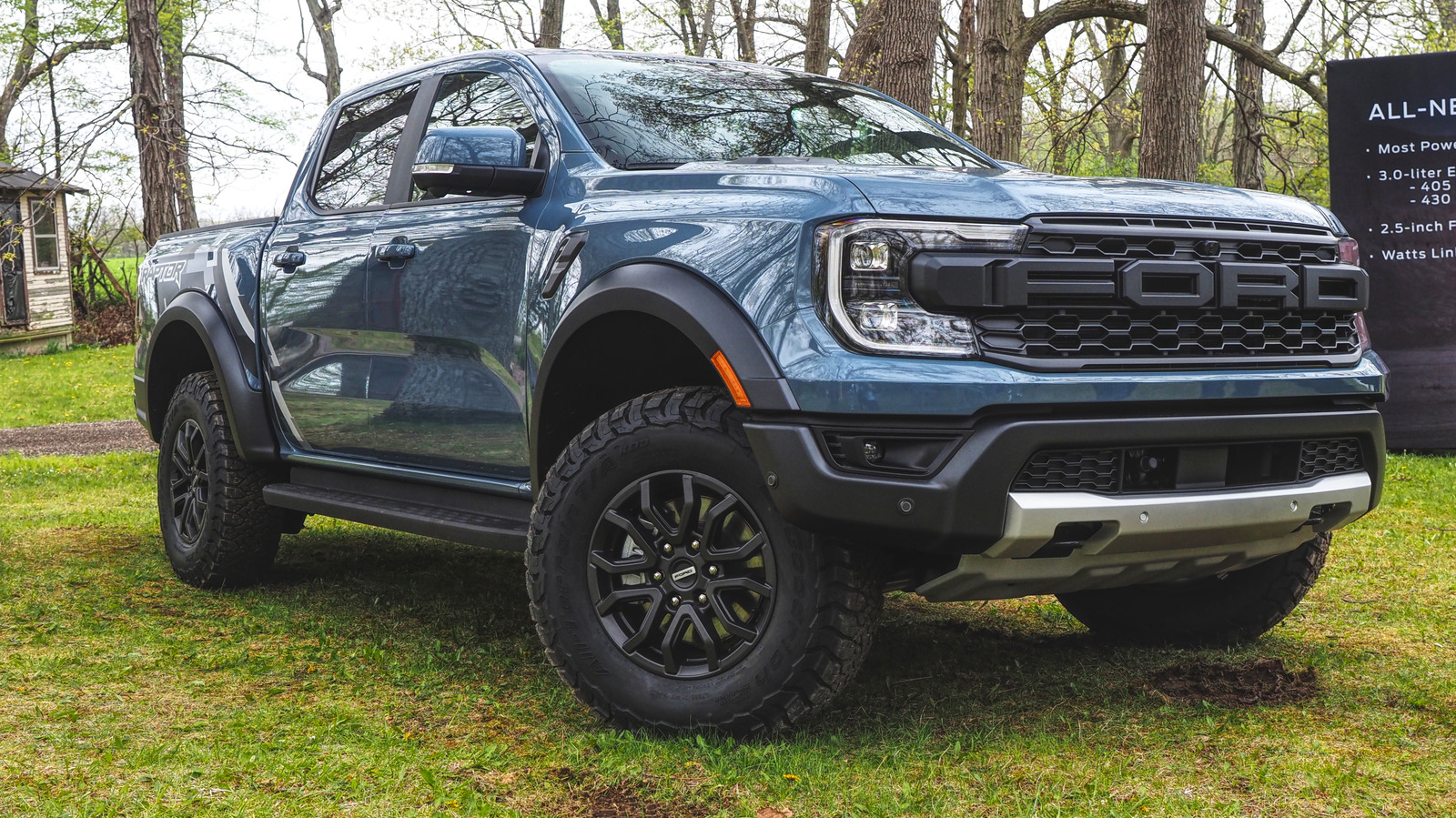
Identifying Rust on Your Ford: Where to Look
The first step in addressing rust is identifying its presence and extent. Here are common areas where rust tends to develop on Fords:
- Wheel Wells: These areas are constantly exposed to moisture, road salt, and debris, making them prime targets for rust.
- Rocker Panels: Located along the bottom of the vehicle between the front and rear wheels, rocker panels are susceptible to rust due to their proximity to the road and exposure to moisture.
- Door Panels and Edges: Water tends to accumulate in the lower sections of doors, leading to rust formation along the edges and seams.
- Fender Arches: Similar to wheel wells, fender arches are exposed to the elements and are prone to rust, especially where the fender meets the body.
- Hood and Trunk Edges: These areas can trap moisture and debris, leading to rust formation along the edges and seams.
- Floor Pans: Leaks or condensation inside the vehicle can cause rust to develop on the floor pans.
- Frame Rails: The frame provides the structural support for your Ford, and rust can severely weaken it. Inspect the frame rails carefully, paying attention to areas near welds and joints.


Types of Ford Rust Repair Panels: Choosing the Right Solution
Once you've identified the rust-affected areas, you'll need to select the appropriate rust repair panels. Here's a breakdown of the different types of panels available:
- Full Replacement Panels: These panels replace the entire affected section, such as a complete fender, door, or rocker panel. They offer the most comprehensive solution but require more extensive welding and bodywork.
- Partial Replacement Panels: These panels cover a specific portion of the rusted area, such as a lower quarter panel patch or a fender patch. They are ideal for addressing localized rust damage and require less welding than full replacement panels.
- Patch Panels: These are small, pre-fabricated panels designed to repair small rust holes or areas of minor damage. They are a cost-effective solution for addressing superficial rust.
- Rocker Panel Covers: These are cosmetic covers that fit over the existing rocker panels. While they conceal the rust, they don't address the underlying problem and are not recommended for structural repairs.
Factors to Consider When Choosing Rust Repair Panels:
- Severity of the Rust Damage: For extensive rust, full or partial replacement panels are necessary. For minor rust, patch panels may suffice.
- Your Skill Level: Full replacement panels require more advanced welding and bodywork skills. If you're a beginner, consider starting with patch panels or partial replacement panels.
- Budget: Full replacement panels are generally more expensive than patch panels or partial replacement panels.
- Panel Quality: Choose high-quality rust repair panels made from durable steel. Avoid thin, poorly made panels that will rust quickly.
- Fitment: Ensure that the rust repair panels are specifically designed for your Ford's year, make, and model. Poorly fitting panels will require extensive modifications.
The Rust Repair Process: A Step-by-Step Guide
Here's a general overview of the rust repair process using rust repair panels. Always consult a professional if you are unsure about any step.
-
Preparation is Key:
- Safety First: Wear safety glasses, gloves, and a respirator to protect yourself from dust, fumes, and debris.
- Clean the Area: Thoroughly clean the area around the rust with soap and water. Remove any loose rust, dirt, or paint using a wire brush or grinder.
- Assess the Damage: Carefully inspect the extent of the rust damage. Determine if you need a full replacement panel, a partial replacement panel, or a patch panel.
- Mark the Cut Lines: Use a marker to outline the area to be cut out. Make sure to leave enough overlap for welding the new panel in place.
-
Cutting Out the Rust:
- Use the Right Tools: Use a cutting wheel, reciprocating saw, or plasma cutter to carefully cut out the rusted section.
- Cut Along the Marked Lines: Follow the marked lines precisely to ensure a clean cut.
- Remove the Rusted Metal: Carefully remove the rusted metal, being careful not to damage the surrounding areas.
-
Preparing the New Panel:
- Test Fit the Panel: Before welding, test fit the new panel to ensure it aligns properly with the surrounding body panels.
- Trim if Necessary: If the panel doesn't fit perfectly, trim it as needed using a grinder or cutting wheel.
- Clean the Panel: Clean the new panel with a degreaser to remove any oil or contaminants.
-
Welding the New Panel:
- Use a MIG Welder: A MIG welder is recommended for welding rust repair panels.
- Tack Weld the Panel: Start by tack welding the panel in place at several points to secure it.
- Weld the Panel Seams: Weld the panel seams in short, overlapping beads to prevent warping.
- Grind the Welds: Grind down the welds to create a smooth, flush surface.
-
Bodywork and Finishing:
- Apply Body Filler: Apply body filler to any imperfections or gaps in the welds.
- Sand the Body Filler: Sand the body filler smooth, using progressively finer grits of sandpaper.
- Prime the Area: Apply a coat of primer to the repaired area to protect it from rust.
- Paint the Area: Paint the area to match the surrounding body panels.
-
Rust Prevention:
- Apply Rust Inhibitor: Apply a rust inhibitor to the inside of the repaired area to prevent future rust formation.
- Seal the Seams: Seal the seams with seam sealer to prevent moisture from entering.
Pro Tips for Successful Rust Repair:
- Invest in Quality Tools: Using high-quality tools will make the job easier and produce better results.
- Practice Your Welding: If you're new to welding, practice on scrap metal before working on your Ford.
- Take Your Time: Rust repair is a time-consuming process. Don't rush it.
- Seek Professional Help: If you're not comfortable performing any of these steps, seek professional help from a qualified auto body technician.
- Proper Ventilation: Always weld in a well-ventilated area to avoid inhaling harmful fumes.
Common Mistakes to Avoid:
- Not Removing All the Rust: If you don't remove all the rust, it will continue to spread under the new panel.
- Using the Wrong Welding Technique: Using the wrong welding technique can warp the metal and create weak welds.
- Not Protecting the Repaired Area: Not protecting the repaired area with primer and paint will allow rust to form again.
- Skipping Rust Prevention: Forgetting to apply rust inhibitor will leave the area vulnerable to future corrosion.
Preventing Future Rust on Your Ford:
Once you've repaired the rust, it's essential to take steps to prevent it from returning. Here are some tips for preventing future rust on your Ford:
- Wash Your Ford Regularly: Wash your Ford regularly, especially during the winter months when road salt is used.
- Wax Your Ford: Waxing your Ford creates a protective barrier against moisture and road salt.
- Touch Up Paint Chips: Repair any paint chips or scratches promptly to prevent rust from forming.
- Apply Rust Inhibitor: Apply rust inhibitor to vulnerable areas, such as wheel wells and rocker panels.
- Keep Your Ford Garaged: If possible, park your Ford in a garage to protect it from the elements.
- Address Leaks Promptly: Repair any leaks inside the vehicle to prevent moisture from accumulating on the floor pans.
- Undercoat Your Ford: Consider undercoating your Ford to provide an extra layer of protection against rust.
Where to Buy Ford Rust Repair Panels:
You can purchase Ford rust repair panels from a variety of sources, including:
- Online Retailers: Several online retailers specialize in rust repair panels, offering a wide selection of panels for various Ford models.
- Auto Parts Stores: Local auto parts stores often carry a selection of rust repair panels.
- Ford Dealerships: Ford dealerships can provide genuine Ford rust repair panels, ensuring a perfect fit and finish.
- Salvage Yards: Salvage yards may have used rust repair panels in good condition at a lower cost.
Conclusion:
Rust repair is an essential part of maintaining your Ford's appearance, safety, and value. By understanding the types of rust repair panels available, following the proper repair process, and taking steps to prevent future rust, you can keep your Ford looking and performing its best for years to come. Remember, if you're unsure about any aspect of the rust repair process, don't hesitate to seek professional help. A qualified auto body technician can provide expert advice and ensure that the repairs are done correctly. This comprehensive guide provides a solid foundation for tackling rust on your Ford. Good luck, and happy restoring!
Internal Links: (Assuming you have other relevant articles on your blog, add them here. Example below)
- For more tips on maintaining your Ford, check out our article on [Ford Maintenance Schedule and Tips].
External Links:
- For additional information on rust prevention, visit the National Automotive Service Task Force (NASTF) website.
Keywords: Ford rust repair panels, rust repair, auto body repair, Ford rust, car rust, rust prevention, weld repair, rust removal, body panel replacement.