Food Truck Design Layout: The Ultimate Guide to Optimizing Your Mobile Kitchen
Introduction: Crafting the Perfect Mobile Culinary Space
Food Truck Design Layout
The food truck industry is booming, offering aspiring entrepreneurs a dynamic and relatively accessible entry point into the culinary world. But success in this competitive landscape hinges on more than just delicious food. A well-designed food truck layout is paramount. It's the engine that drives efficiency, safety, and ultimately, profitability.
Think of your food truck layout as the blueprint for your culinary dreams on wheels. A poorly planned space can lead to bottlenecks, wasted motion, and frustrated staff. Conversely, a thoughtfully designed layout maximizes workflow, reduces prep time, and enhances the overall customer experience.
In this comprehensive guide, we'll delve into every aspect of food truck design layout, providing you with the knowledge and tools to create a mobile kitchen that's both functional and profitable. We'll cover everything from essential equipment placement to safety considerations, helping you transform your vision into a reality.
Why is Food Truck Design Layout Crucial?
A meticulously planned food truck layout is the cornerstone of a successful mobile food business. It impacts everything from operational efficiency to employee morale and ultimately, your bottom line.
- Efficiency is King: An optimized layout streamlines your workflow, allowing your team to prepare and serve food quickly and efficiently. This translates to shorter wait times for customers and increased sales volume.
- Safety First: A well-organized space minimizes the risk of accidents and injuries. Clear pathways, strategically placed equipment, and adequate ventilation are essential for creating a safe working environment.
- Happy Employees, Happy Customers: A comfortable and functional workspace boosts employee morale and productivity. When your team is happy, they're more likely to provide excellent customer service.
- Maximize Space: Food trucks are inherently compact spaces. A smart design maximizes every square inch, ensuring that you have enough room for essential equipment, storage, and movement.
- Regulatory Compliance: Adhering to health and safety regulations is non-negotiable. A properly designed layout helps you meet these requirements and avoid costly fines or closures.
Key Considerations Before You Design

Before you even start sketching out your layout, there are several crucial factors to consider. These will inform your design choices and ensure that your food truck is tailored to your specific needs.
- Menu Matters: Your menu dictates the type of equipment you'll need and the amount of prep space required. A menu focused on grilled items will necessitate a large grill and ample ventilation, while a smoothie-based menu will require blenders, refrigeration, and storage for fresh produce.
- Volume Projections: Estimate your anticipated sales volume. This will help you determine the size of your equipment and the amount of storage space you'll need to keep up with demand.
- Staffing Needs: Consider the number of employees who will be working in the truck at any given time. You'll need to ensure that there's enough space for everyone to move around comfortably without bumping into each other.
- Local Regulations: Research local health and safety regulations regarding food truck operations. These regulations may dictate specific requirements for equipment placement, ventilation, and sanitation.
- Budget Constraints: Be realistic about your budget. Design your layout with affordability in mind, prioritizing essential equipment and features. You can always upgrade later as your business grows.
Essential Elements of a Food Truck Layout
A functional food truck layout typically incorporates the following key elements:
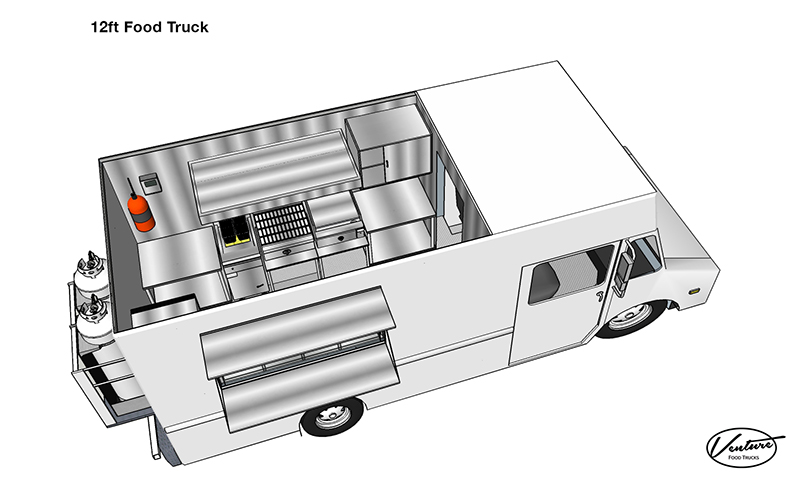
- Cooking Zone: This is the heart of your food truck, where the magic happens. It should include your primary cooking equipment, such as a grill, fryer, stove, or oven. Adequate ventilation is crucial in this area.
- Prep Area: This is where you'll prepare ingredients, assemble dishes, and perform other food preparation tasks. It should include ample counter space, cutting boards, and storage for utensils and ingredients.
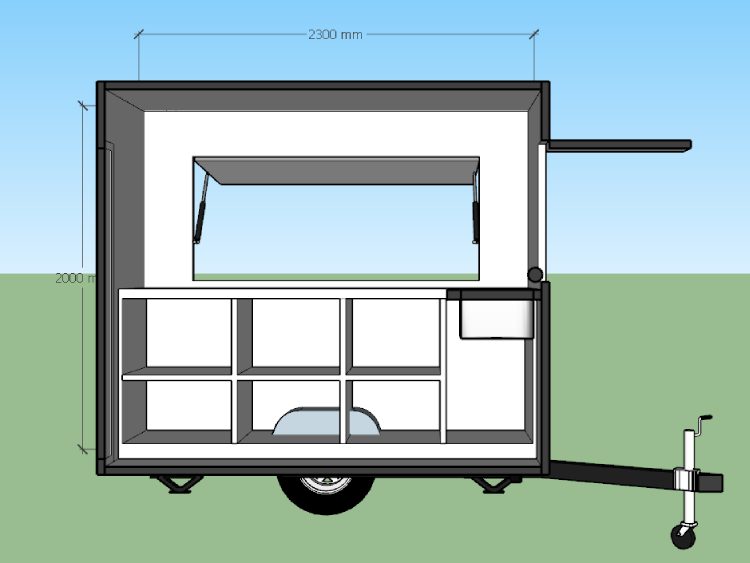
- Serving Window: This is your point of contact with customers. It should be easily accessible and provide a clear view of your menu and ordering process.
- Handwashing Station: A dedicated handwashing station with hot and cold running water, soap, and paper towels is a mandatory requirement for food safety.
- Three-Compartment Sink: This is used for washing, rinsing, and sanitizing dishes and utensils. It should be large enough to accommodate your largest items.
- Refrigeration: Adequate refrigeration is essential for storing perishable ingredients and keeping them at safe temperatures. Consider both reach-in refrigerators and under-counter units to maximize space.
- Dry Storage: This area is used for storing non-perishable items, such as canned goods, dry ingredients, and paper products.
- Waste Management: A designated area for waste disposal is crucial for maintaining cleanliness and preventing contamination.
Designing Your Food Truck Layout: Step-by-Step
Now that you understand the essential elements, let's walk through the process of designing your food truck layout:
- Measure Your Space: Obtain the exact dimensions of your food truck interior. This is the foundation upon which your entire design will be built.
- Create a Scaled Drawing: Use graph paper or a digital design tool to create a scaled drawing of your food truck interior. This will allow you to visualize your layout and experiment with different configurations.
- Prioritize Essential Equipment: Start by placing your most essential equipment, such as your cooking equipment, refrigeration units, and sinks. These items will typically take up the most space.
- Optimize Workflow: Arrange your equipment in a way that promotes efficient workflow. The goal is to minimize unnecessary movement and ensure that employees can easily access everything they need. A common workflow is to follow a line from prep area to cooking zone to serving window.
- Consider Ergonomics: Design your layout with ergonomics in mind. Ensure that workstations are at comfortable heights and that employees can easily reach essential items without straining.
- Maximize Storage: Utilize vertical space to maximize storage. Install shelves above workstations and consider under-counter storage solutions.
- Ensure Adequate Aisle Space: Leave enough aisle space for employees to move around comfortably without bumping into each other. Aim for at least 36 inches of aisle space.
- Plan for Ventilation: Proper ventilation is crucial for removing heat, smoke, and odors from your food truck. Consult with a professional to determine the appropriate ventilation system for your needs.
- Comply with Regulations: Ensure that your layout complies with all local health and safety regulations. This may require consulting with a health inspector or other regulatory official.
- Get Feedback: Once you have a preliminary layout, get feedback from potential employees and customers. This will help you identify any potential problems and make necessary adjustments.
Equipment Placement: Optimizing for Efficiency
The placement of your equipment is critical for creating a functional and efficient food truck layout. Here are some tips for optimizing equipment placement:
- Cooking Equipment: Place your cooking equipment in a central location, easily accessible to all employees. Ensure that there is adequate ventilation above the equipment.
- Refrigeration: Position your refrigeration units close to the prep area and cooking zone. This will minimize the distance that employees have to travel to retrieve ingredients.
- Sinks: Place your handwashing station near the serving window and your three-compartment sink near the dishwashing area.
- Prep Area: Locate your prep area between the refrigeration units and the cooking zone. This will streamline the food preparation process.
- Serving Window: Position your serving window in a location that is easily accessible to customers. Ensure that there is adequate lighting and signage.
Pro tips from us: Consider investing in mobile, stainless steel tables to add extra prep space as needed. These tables can be moved around and easily stored when not in use.
Common Mistakes to Avoid
Designing a food truck layout can be challenging, and it's easy to make mistakes. Here are some common pitfalls to avoid:
- Insufficient Space: Underestimating the amount of space needed for equipment, storage, and movement.
- Poor Workflow: Creating a layout that hinders efficient workflow and leads to bottlenecks.
- Inadequate Ventilation: Failing to provide adequate ventilation, leading to a hot, smoky, and uncomfortable working environment.
- Non-Compliance with Regulations: Ignoring local health and safety regulations, resulting in fines or closures.
- Neglecting Ergonomics: Designing a layout that is uncomfortable and unsafe for employees.
- Ignoring Customer Flow: Not considering how customers will approach the truck, order, and receive their food. This can lead to congestion and long wait times.
Material Selection: Durability and Hygiene
The materials you choose for your food truck interior are just as important as the layout itself. Opt for durable, hygienic, and easy-to-clean materials that can withstand the rigors of a mobile food environment.
- Stainless Steel: Stainless steel is the gold standard for food truck interiors. It's durable, easy to clean, and resistant to corrosion. Use it for countertops, backsplashes, and equipment housings.
- Non-Slip Flooring: Choose a non-slip flooring material that will prevent accidents and injuries. Epoxy flooring is a popular choice for its durability and ease of cleaning.
- Washable Walls: Use washable wall panels that can be easily cleaned and sanitized. FRP (fiberglass reinforced plastic) panels are a good option.
Power and Plumbing Considerations
Your food truck's power and plumbing systems are essential for its operation. Plan these systems carefully to ensure that you have adequate power and water to meet your needs.
- Power Supply: Determine your power needs based on the equipment you'll be using. You may need a generator or a shore power connection.
- Water Tanks: Install fresh water and waste water tanks that are large enough to meet your daily needs.
- Plumbing: Use food-grade plumbing materials and ensure that all connections are properly sealed to prevent leaks.
Ventilation: Ensuring Air Quality and Safety
Proper ventilation is crucial for removing heat, smoke, and odors from your food truck. Consult with a professional to determine the appropriate ventilation system for your needs. A commercial-grade range hood is a must-have.
Lighting: Creating an Inviting Atmosphere
Adequate lighting is essential for both safety and aesthetics. Install bright, energy-efficient lights throughout your food truck. Consider using LED lighting to save energy and reduce heat.
Technology Integration: Streamlining Operations
Technology can play a significant role in streamlining your food truck operations. Consider integrating the following technologies:
- Point of Sale (POS) System: A POS system can help you manage orders, track sales, and process payments.
- Online Ordering System: An online ordering system allows customers to place orders in advance, reducing wait times.
- Inventory Management System: An inventory management system can help you track your inventory levels and prevent shortages.
Cost Considerations: Budgeting for Your Layout
The cost of designing and building a food truck layout can vary widely depending on the size of the truck, the type of equipment you need, and the materials you choose. Be sure to create a detailed budget and stick to it as closely as possible.
Seeking Professional Help: When to Call in the Experts
While you can design your food truck layout yourself, it's often beneficial to seek professional help. A qualified food truck builder or designer can provide valuable insights and ensure that your layout meets all regulatory requirements.
Based on my experience, working with a professional designer early in the process can save you time and money in the long run by helping you avoid costly mistakes. They can also assist with obtaining permits and approvals.
Conclusion: Your Mobile Kitchen Awaits
Designing a food truck layout is a complex but rewarding process. By carefully considering your menu, volume projections, staffing needs, and local regulations, you can create a mobile kitchen that is both functional and profitable. Remember to prioritize efficiency, safety, and ergonomics, and don't be afraid to seek professional help when needed. With a well-designed layout, you'll be well on your way to success in the exciting world of food trucks.
A well-planned food truck design layout is the difference between a thriving mobile business and a constant struggle. By investing the time and effort into creating an optimized space, you're setting yourself up for long-term success.
Internal Links:
- [Link to another relevant blog post on your site, e.g., "Food Truck Business Plan Template"]
- [Link to another relevant blog post on your site, e.g., "Essential Food Truck Equipment Checklist"]
External Link:
- [Link to a trusted resource, e.g., National Restaurant Association: (https://restaurant.org/)]